




inflacija

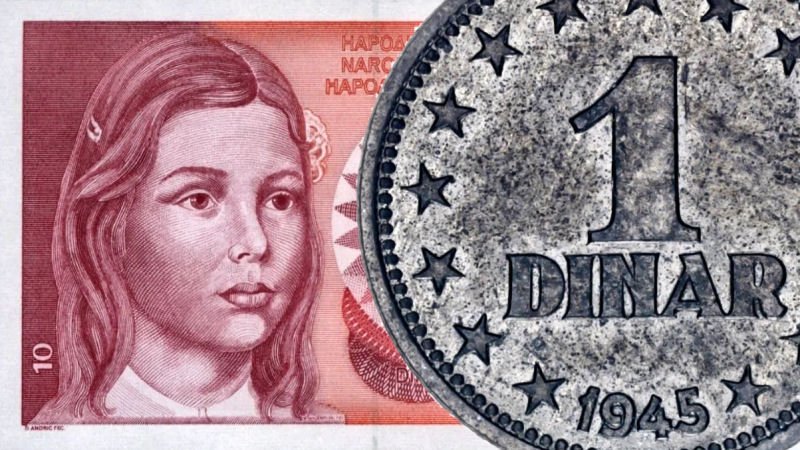
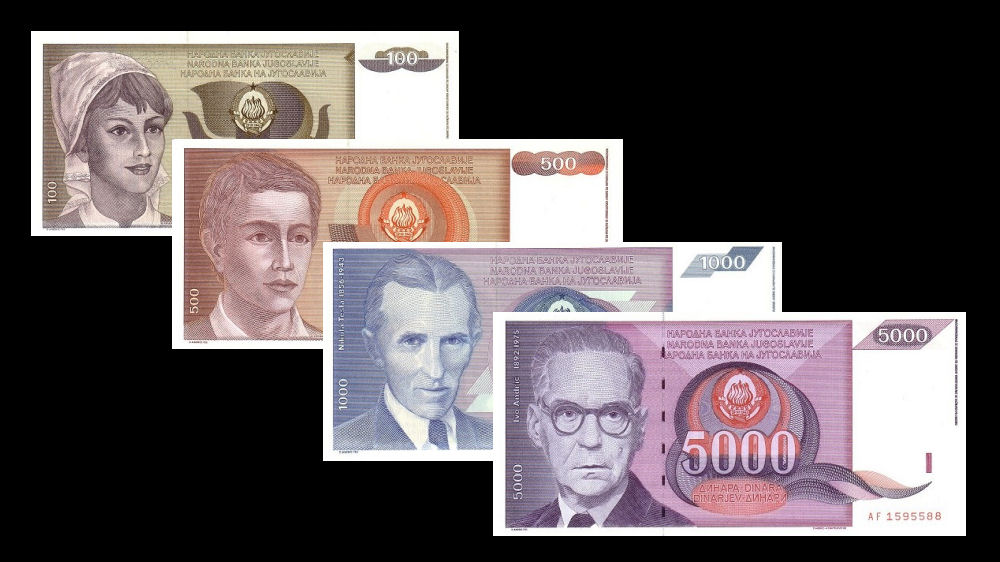
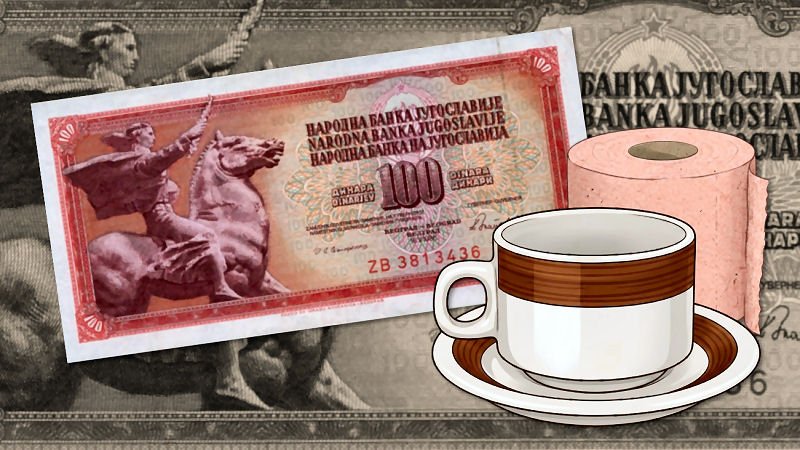
Prices from 40 years ago: A 100-dinar „Horse” – enough for a coffee and a roll of toilet paper, but not for a beer

We are once again witnessing inflation and the gradual loss of the value of money. Until recently, a 100 kuna banknote still represented „something,” while today 13 euros is almost „nothing.” It is not uncommon for a „round” of drinks at a café to cost that much. And a 100 euro banknote, which until recently was „something,” today
Prices from 40 years ago: A 100-dinar „Horse” – enough for a coffee and a roll of toilet paper, but not for a beer Read more »

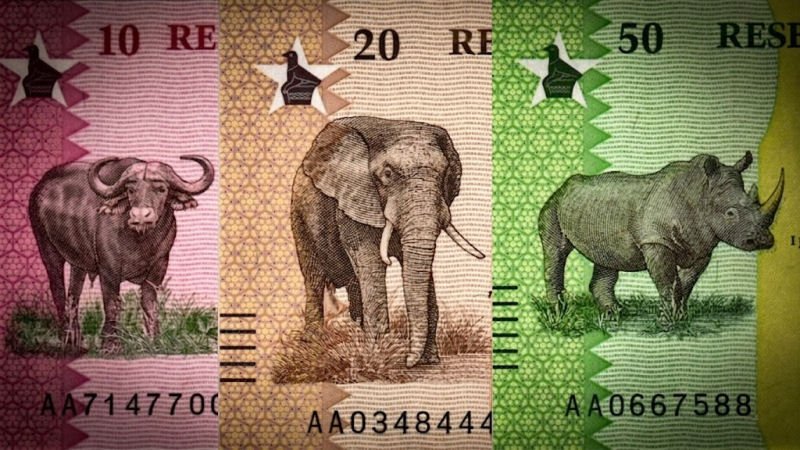
Zimbabwe redesigned ZiG banknotes after just two years

In 2026, Zimbabwe introduced a new series of ZiG banknotes featuring motifs of Africa's “big five” (buffalo, elephant, rhinoceros, leopard, and lion), which practically made the first series from 2024 a short-lived and numismatically interesting issue. The new release brings a different visual identity, improved security features, and another

Zimbabwe redesigned ZiG banknotes after just two years Read more »

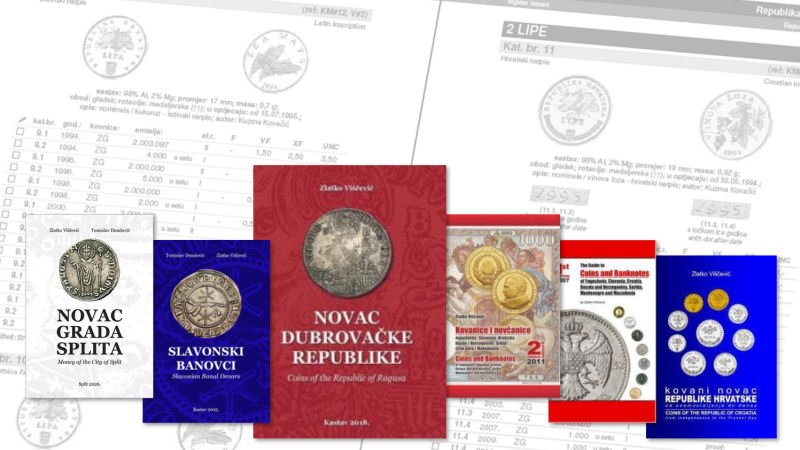
Prices in numismatic catalogs – between benchmarks, manipulation, and the actual market state

Numismatic catalogs have for decades represented one of the fundamental tools of numismatic collectors, dealers, and auctioneers. In addition to providing a systematic overview of issues, types, varieties, and technical characteristics of coins or banknotes, almost every catalog also contains estimated market values, i.e., „catalog prices.“ It is precisely these prices that often cause the most

Prices in numismatic catalogs – between benchmarks, manipulation, and the actual market state Read more »

Exchange rate of the Yugoslav dinar 1945-1990.

Povijest tečaja jugoslavenskog dinara od završetka Drugog svjetskog rata do 1990. godine odražava duboke promjene u monetarnoj politici, gospodarskom sustavu i međunarodnom položaju države. U numizmatičkom smislu, razumijevanje tečajnih odnosa ključno je za pravilnu interpretaciju vremenskog izdavanja određenih nominalnih vrijednosti novčanica i kovanog novca, osobito

Exchange rate of the Yugoslav dinar 1945-1990. Read more »

China's silver export restrictions: What does it mean for the precious metals market and numismatics?

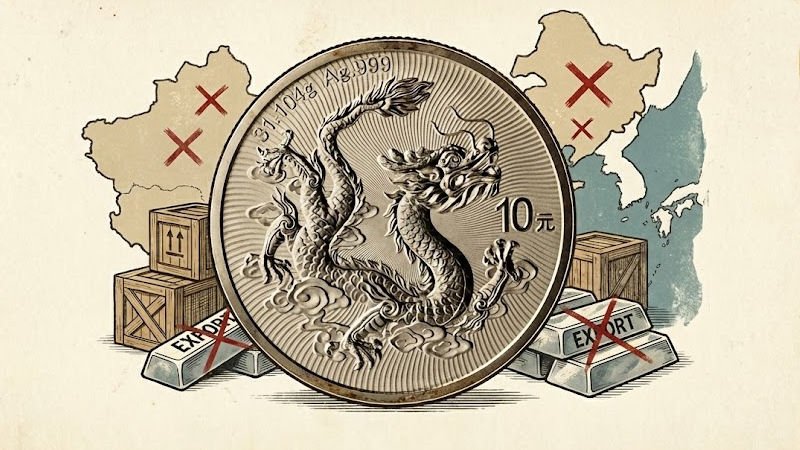
Početkom 2026. godine globalno tržište srebra moglo bi ući u novu, znatno nestabilniju fazu. Naime, Kina je najavila da će od 1. siječnja 2026. uvesti obvezne državne dozvole za sav izvoz srebra. Iako se ova odluka na prvi pogled čini tehničkom, njezine posljedice mogle bi

China's silver export restrictions: What does it mean for the precious metals market and numismatics? Read more »

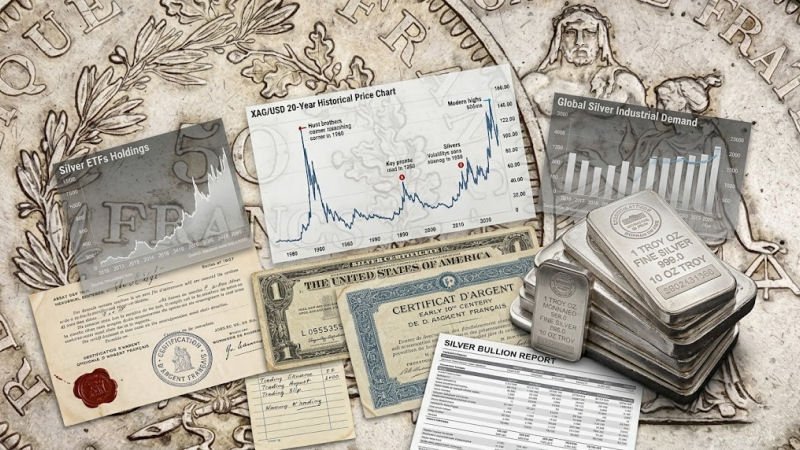
Does the rise in precious metal prices harm numismatics?

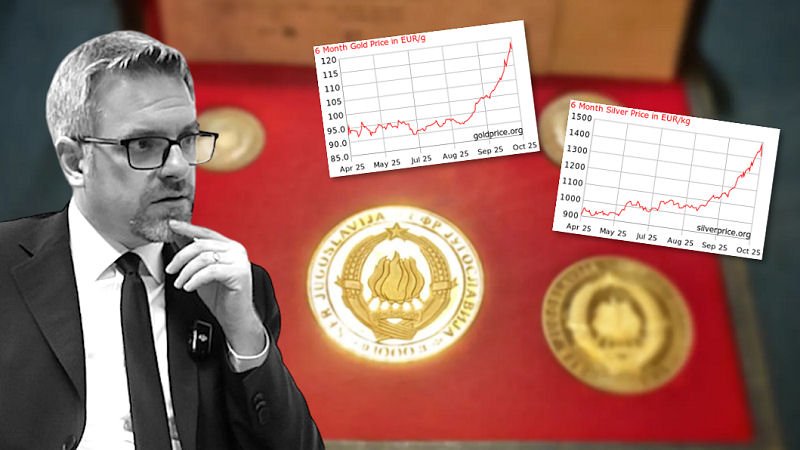
Precious metal prices have been „skyrocketing“ for some time. Gold and silver are breaking historical records, investors are rubbing their hands with satisfaction, but concern is growing among numismatists and collectors. The question arises for almost everyone: Does the rise in precious metal prices also benefit numismatists, or does it actually harm them by making it harder

Does the rise in precious metal prices harm numismatics? Read more »

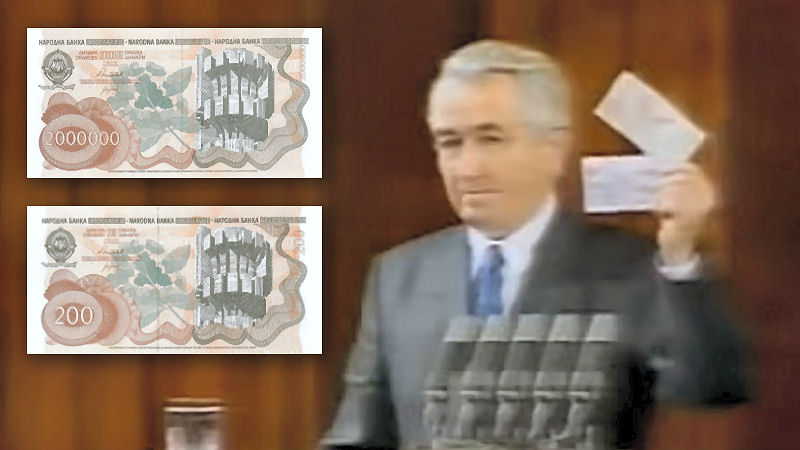
„Removing four zeros from the dinar, the introduction of convertibility, and the economic situation in Yugoslavia in 1990

U ovom videu se zorno prikazuje kakvo je bilo ekonomsko i monetarno stanje u Jugoslaviji u „predvečerje rata“, 1990. godine. Vlada premijera Ante Markovića je u sklopu svojih mjera ekonomske stabilizacije „skratila“ dinar za četiri nule i uvela njegovu konvertibilnost. Po novom valutnom tečaju bilo

„Removing four zeros from the dinar, the introduction of convertibility, and the economic situation in Yugoslavia in 1990 Read more »

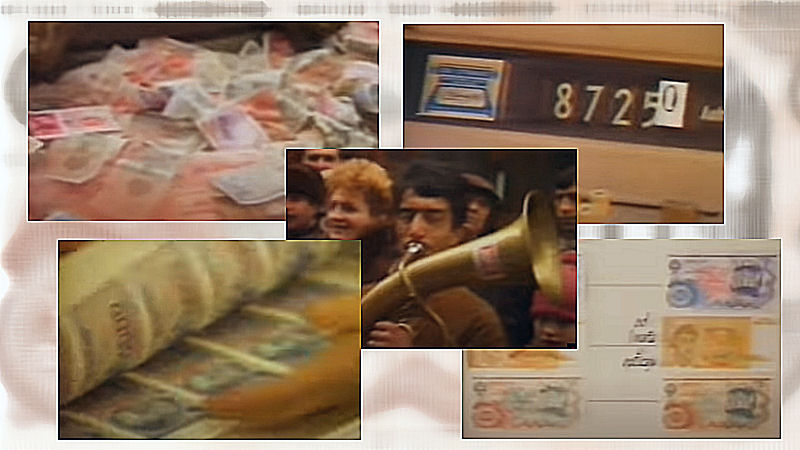
From the HRT Archive: Inflation and the Devaluation of the Dinar in Socialist Yugoslavia

Inflacija, devalvacija i opće propadanje vrijednosti novca je pod zadnje opet postalo aktuelno. Možemo reći da je ova pojava šokirala današnje generacije i da se još uvijek ne mogu doći k sebi, razmišljajući kako je ovako nešto moguće? Osobito u 21. stoljeću i to u

From the HRT Archive: Inflation and the Devaluation of the Dinar in Socialist Yugoslavia Read more »

Scroll to Top