
The Czech Republic is a numismatically very interesting country, with a rich and long monetary tradition that reaches deep into the Middle Ages and has continued through various political and state frameworks all the way to the modern Czech koruna. Precisely for this reason, Prague and its surroundings offer multiple attractions that can be of interest to numismatists, ranging from the modern market and international collector gatherings, through museum presentations of monetary history, to places directly connected with silver mining and coin minting. During this year's visit, three entities were particularly interesting: the Sběratel fair, the exhibition of the Czech National Bank, and Kutná Hora with the Czech Museum of Silver.
Collector Fair
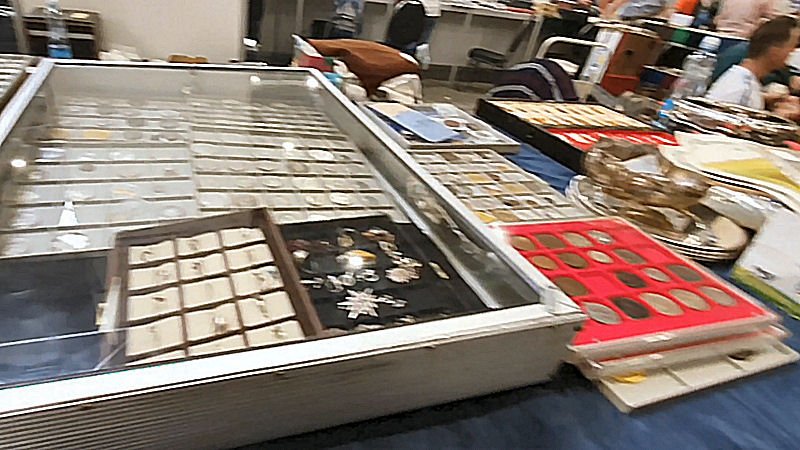
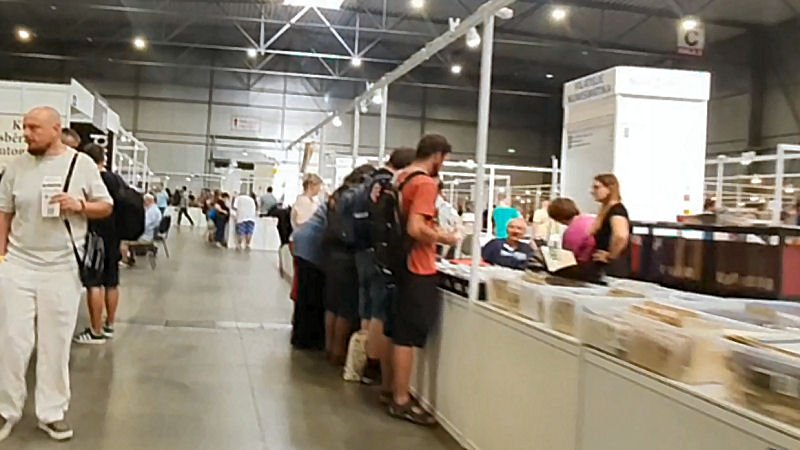
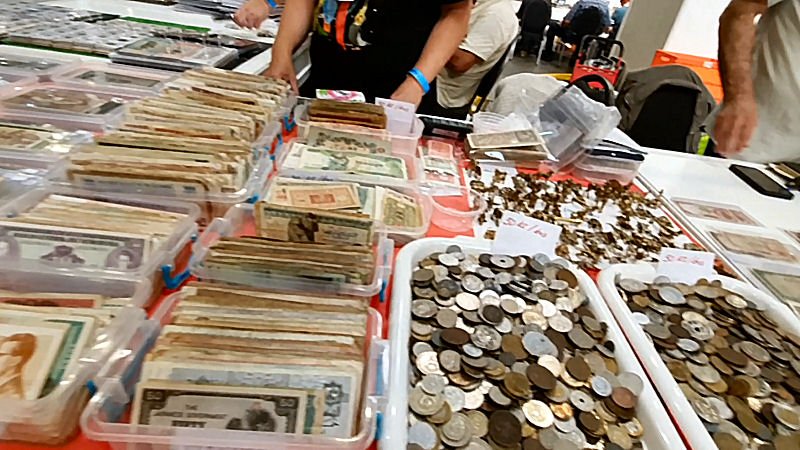
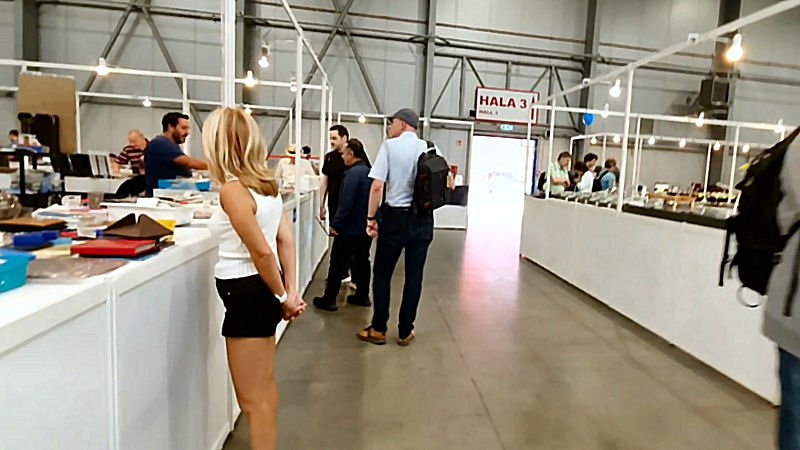
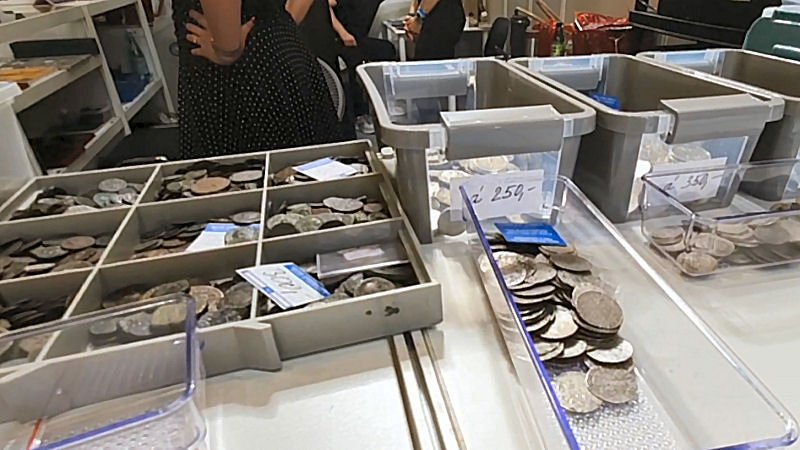
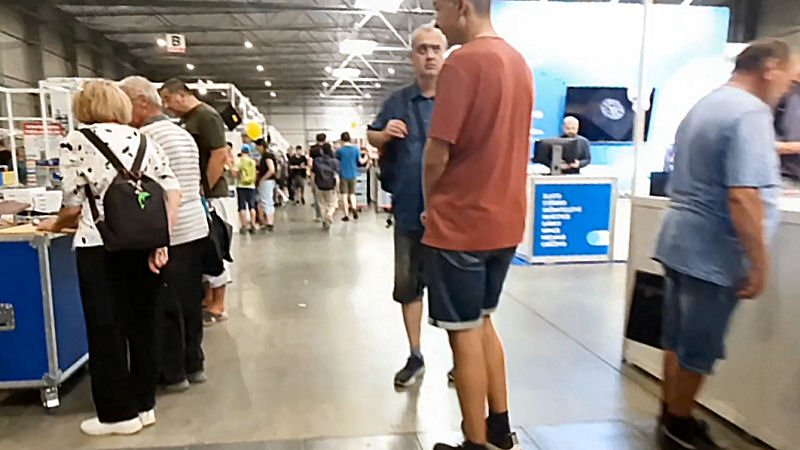
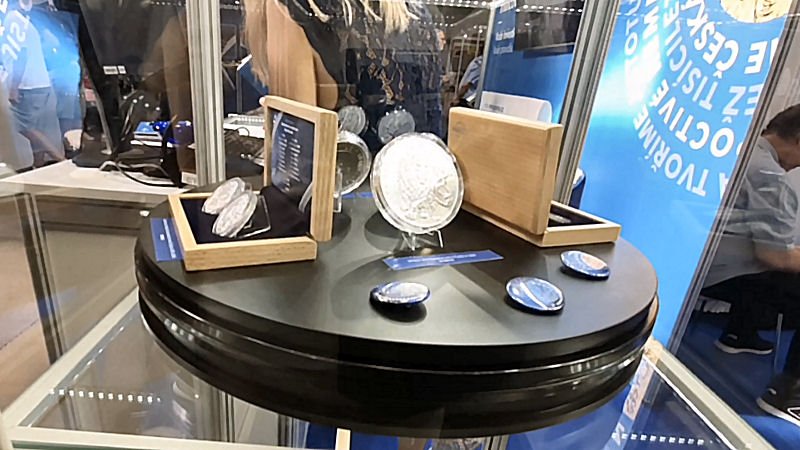
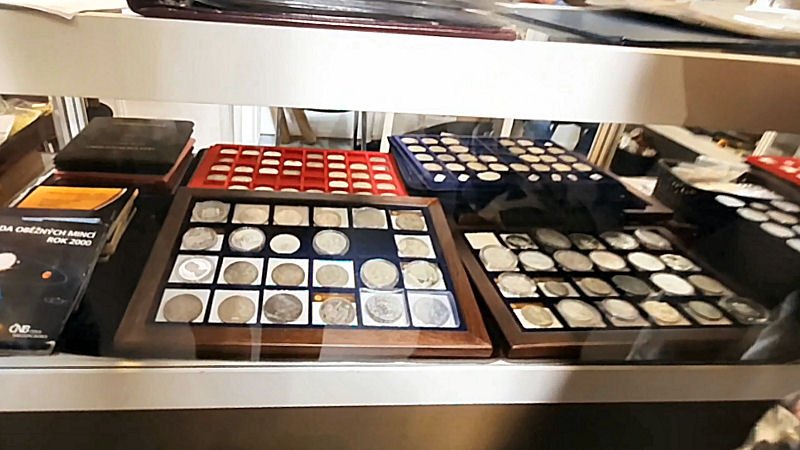
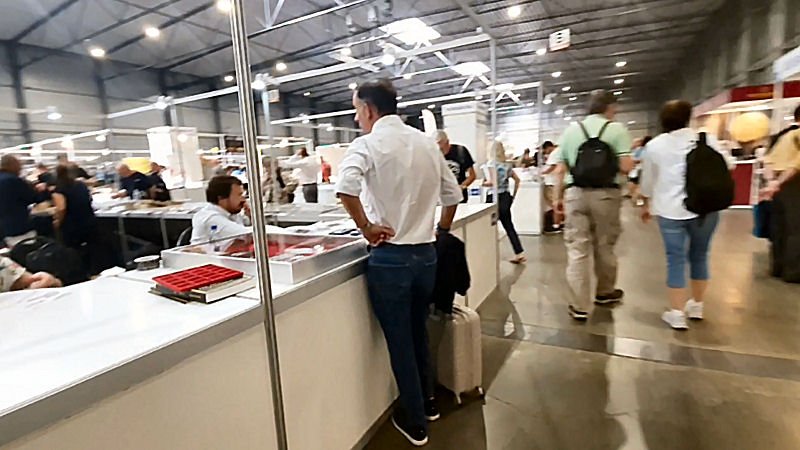
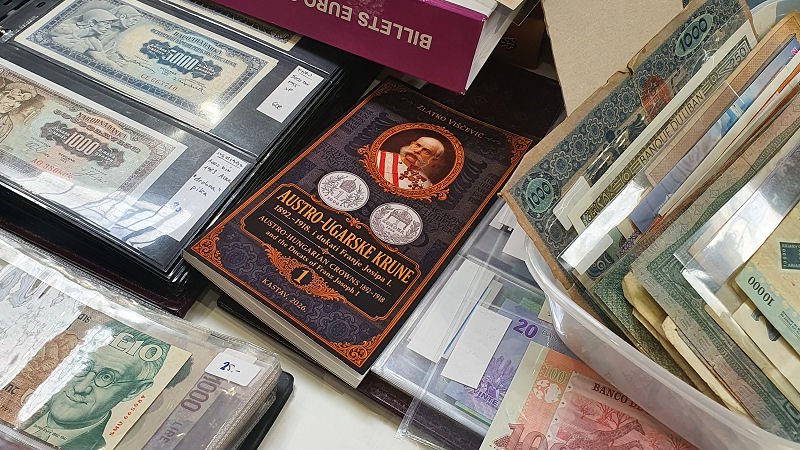
Prague Collector It is one of those fairs that, upon arrival, leaves the impression of a lively and well-attended collector's event. The fair is held at PVA EXPO PRAGUE in Letňany, outside the strict city center, which in practice proves to be an advantage because it is easy to get to by car or public transport, there is plenty of space, and the organization itself, from promotion to the entrance and the layout of the exhibitors, appears quite correct and functional.
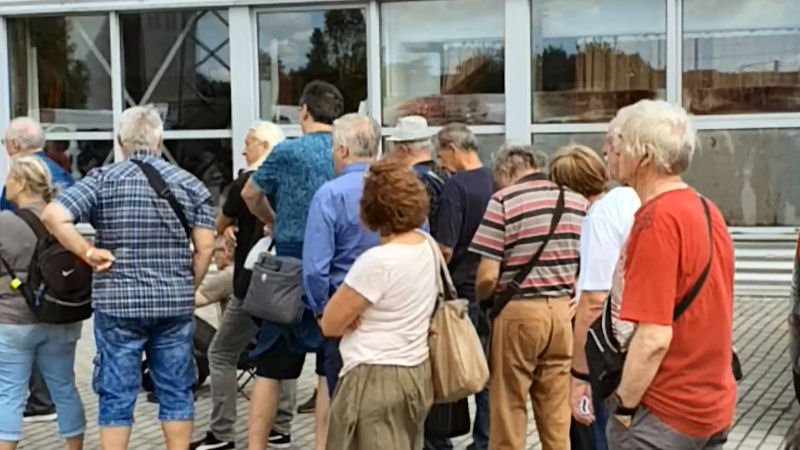
Even upon arrival, a large number of people can be seen walking toward the fair, and in front of the complex itself, a characteristic queue often forms to buy 0-euro souvenir banknotes. This is an interesting phenomenon in its own right, as it is a product that is not actually real money, yet clearly holds a very strong collector's appeal. That queue hardly shrinks throughout the day, while the crowds at the ticket counters are most pronounced immediately after opening, and an hour to an hour and a half later, the situation becomes significantly calmer.
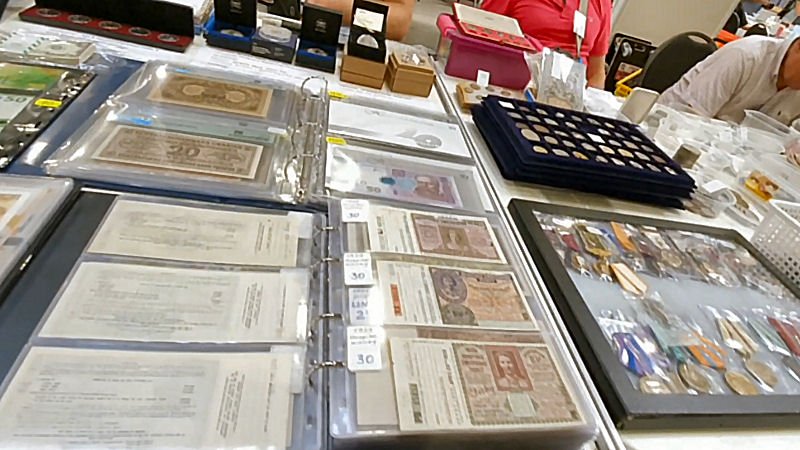
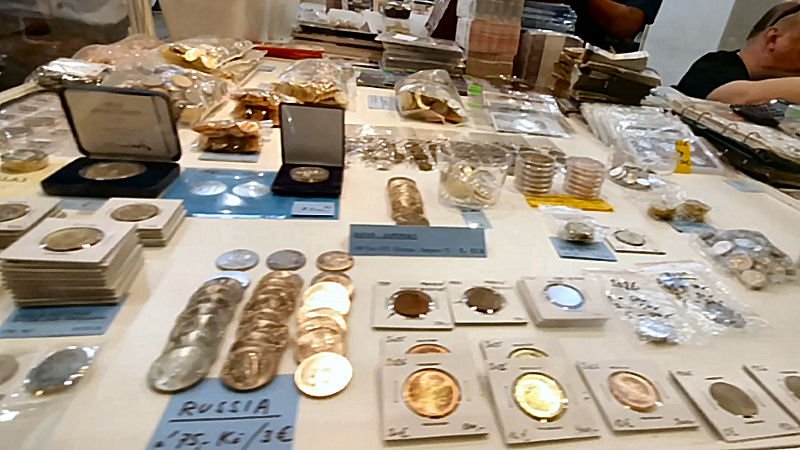
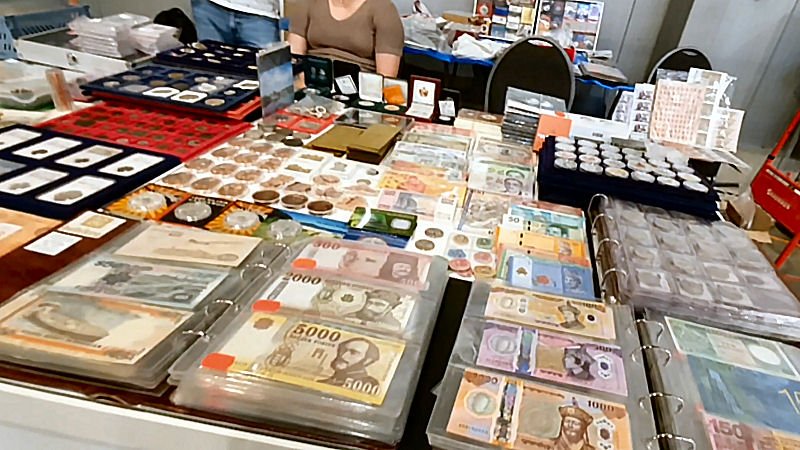
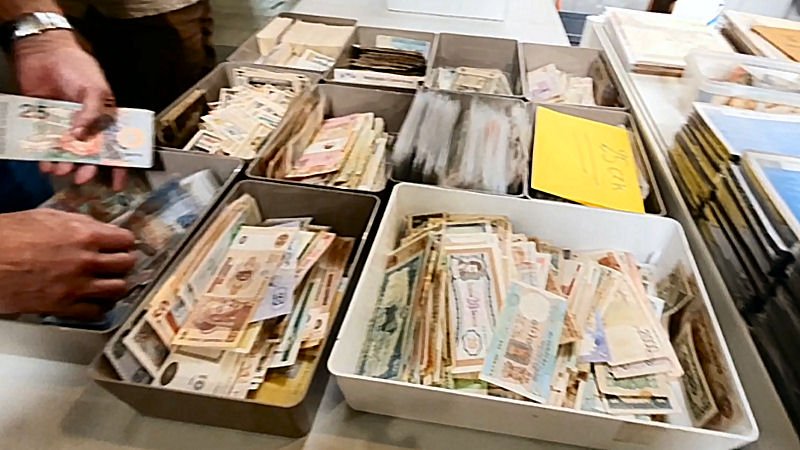
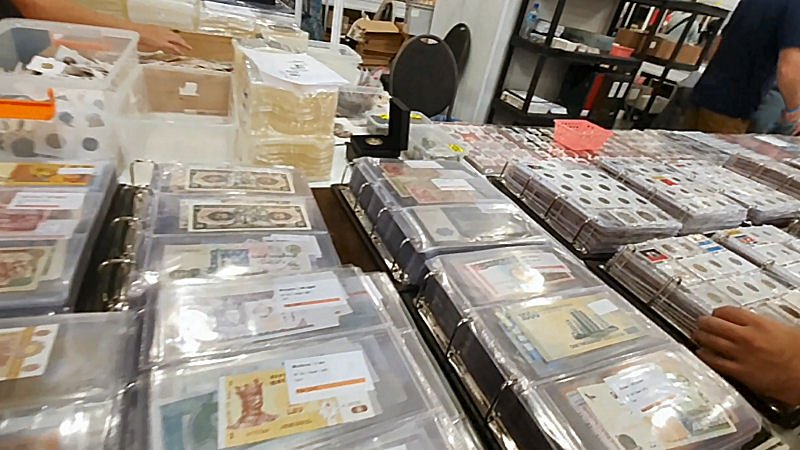
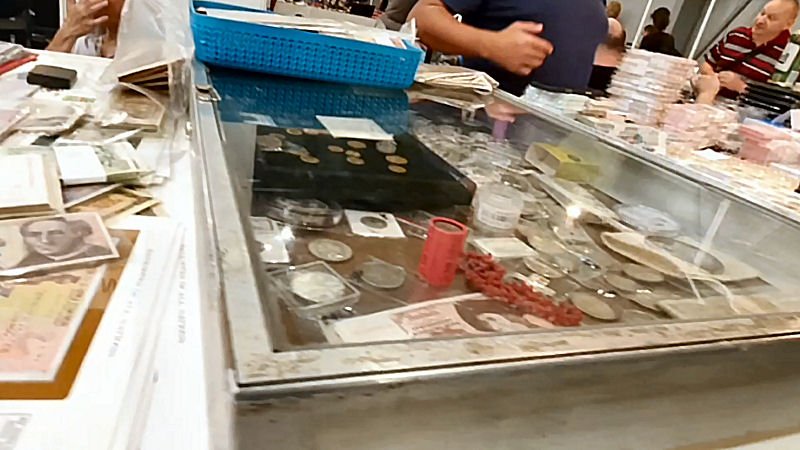
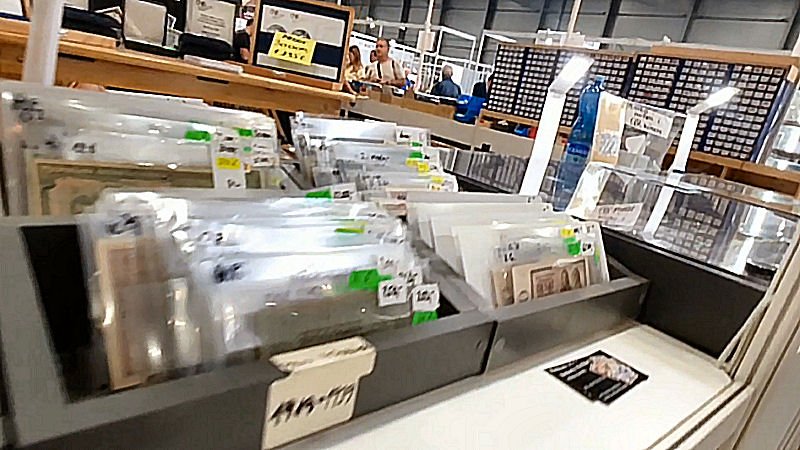
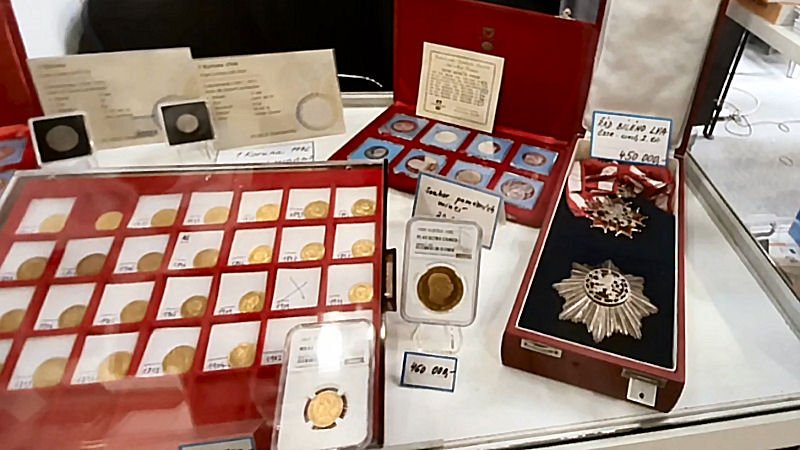
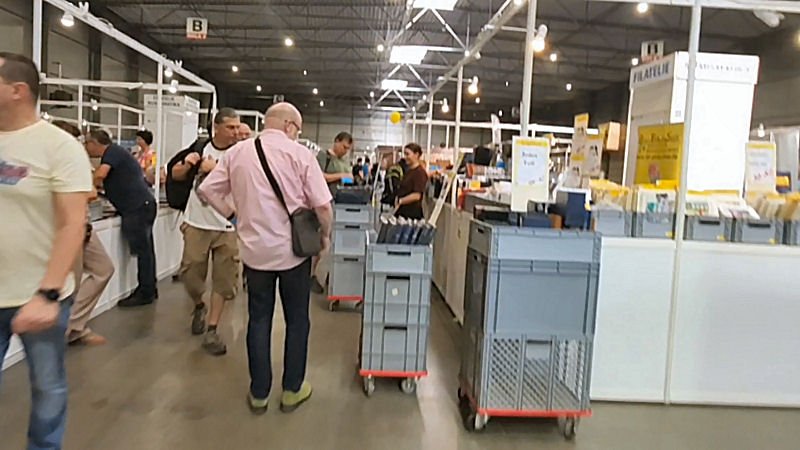
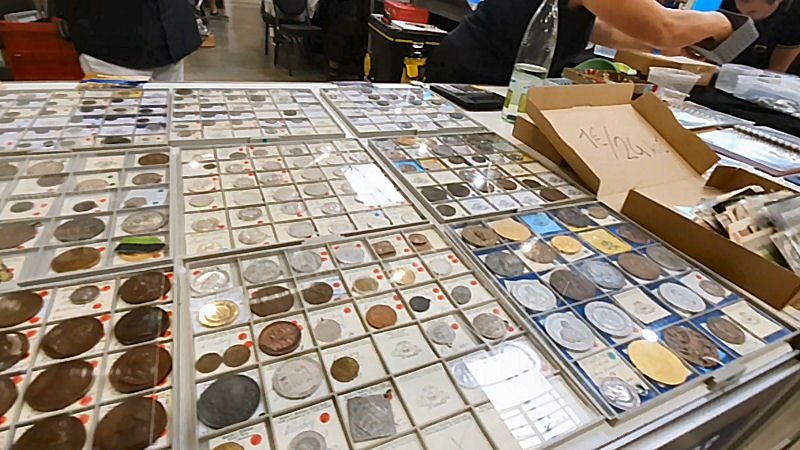
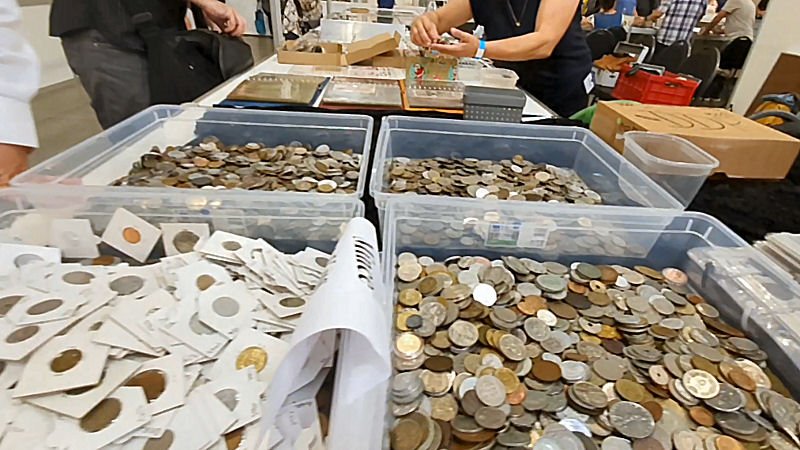
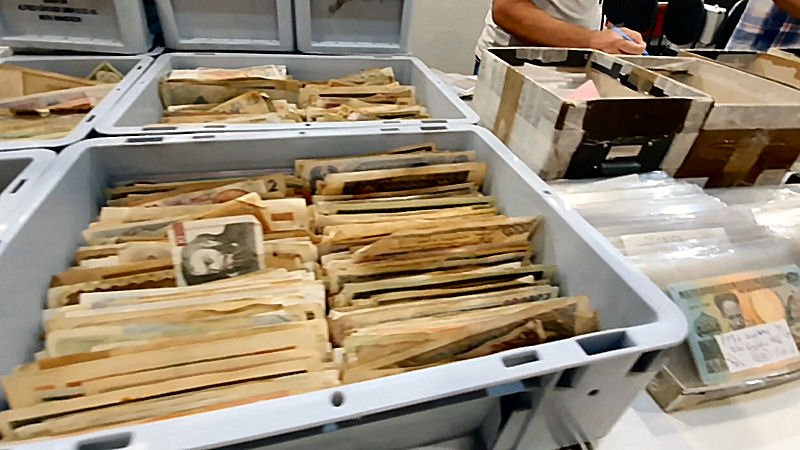
Inside the hall, the content is arranged so that postcards and other collectibles appear at the beginning, while the greater part of the numismatics is located deeper in the space, where the booths of larger exhibitors are situated, and toward the end of the hall there are increasingly more smaller dealers. The representation of numismatics is very high, and among the exhibitors are larger Czech and regional numismatic houses, as well as numerous smaller Czech, Slovak, and other dealers from the region. The fair also has a distinct international character, although some dealers regularly repeat at major European fairs, so the same or very similar offerings can also be seen in Munich, Berlin, or Maastricht.
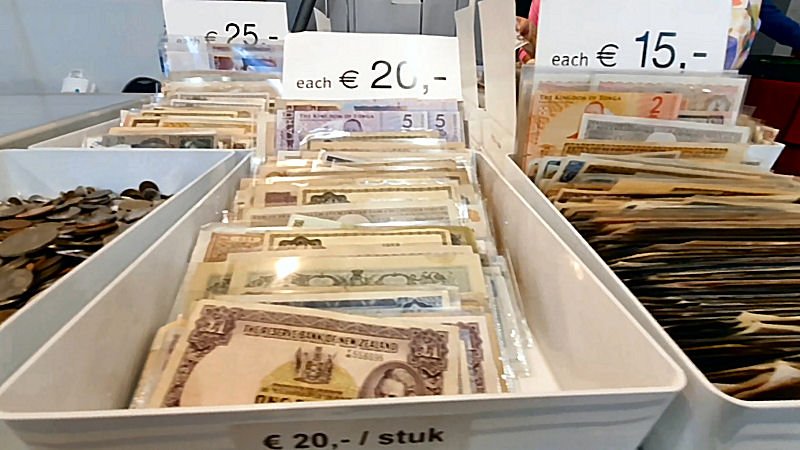
Coins and banknotes are represented approximately equally, but what stands out in particular is not so much the rarity of the material as the high price level. This time, the author purposefully compared the prices of individual items at the fair with online offers and realized auction results. An analysis was made of both more common and higher-quality material; certified and uncertified specimens; and cheaper and more expensive pieces. It immediately became apparent that fair prices are very often about 30 percent higher than online ones, and for certain more expensive items, even 30 to 40 percent higher, even after the commission is added to the auction result.
Such a discrepancy naturally raises the question of the merchants„ own logic, especially since it is clear that the costs of exhibiting at a major fair are high and that first and foremost one must ”earn for the table," that is, cover the costs of the booth, travel, accommodation, food, and other expenses. Still, the question remains open as to how much the goal is to sell an item immediately at the fair, and how much the goal is to present material, establish contact, and possibly negotiate the sale later. Interestingly, with cheaper modern material, such as world banknotes and coins, prices are often much closer to internet prices, while the largest discrepancies occur precisely with more expensive items, which is somewhat contrary to what one might expect.
As for attendance, after the initial rush, most tables could be approached normally two or three hours after opening to browse the material. The impression was that there were more people at some earlier editions of the fair, which was also confirmed by several vendors who stated that Friday was weaker in terms of attendance and sales, while Saturday was somewhat better.
Despite this, Sběratel has a clear value beyond the purchase itself. It is worth coming to such a fair to meet colleagues, talk with dealers, examine materials in person, and experience the feeling of the numismatic community, but without overly high expectations of finding some extraordinary and cheap bargain there.
Image gallery
Czech National Bank Museum
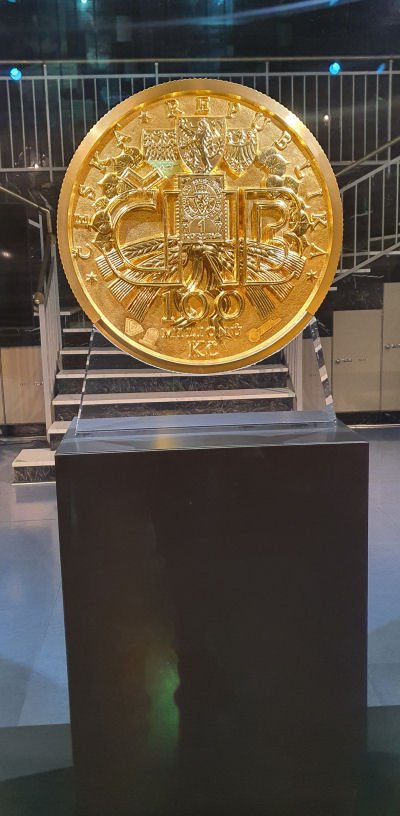
Visit to the permanent exhibition „People and Money at the Czech National Bank it is a completely different experience and a very positive one. The exhibition is located inside the building of the Czech National Bank in the center of Prague, admission is free, and before entering, you go through a security check, which is completely understandable considering it is the central bank.
The ambiance itself gives the entire exhibition a special weight, as it is located in a former bank vault. You descend the stairs to the exhibition space and then pass through large, massive vault doors that look just like most people would expect to see in a movie, with a thick structure and large metal bars that lock them. That part in itself leaves a strong impression and gives the space an atmosphere that fits very well with the theme of money and banking.
Right at the entrance, attention is drawn to a massive gold coin with a face value of 100 million Czech crowns, weighing about 130 kilograms. At first glance, it seems so unreal that one could easily think it is a replica, but the bank employees confirmed that the displayed gold coin is real. That very object dominates the entire space and gives the exhibition a very strong initial visual effect.
The setup itself is not huge, but it is very well and tastefully arranged. Quite a few coins, banknotes, and other money-related items are on display, through which Czech and Czechoslovak monetary history is presented within the broader context of the development of money and central banking. The space is just large enough for visitors to view everything without feeling fatigued or overwhelmed by information, yet it is rich enough in content to provide a very good insight into the monetary and numismatic history of that region.
That very measure is one of the greatest qualitative elements of the exhibition. It is not overcrowded, it is not drawn out, but it is not superficial either. The coins and banknotes remain in the focus of attention, and the broader context serves as an explanation and a supplement, rather than something that distracts from the objects.
From the perspective of a visitor with a serious interest in numismatics, this is an excellent example of how every country should present its own currency and monetary history. The exhibition is located in the city center, admission is free, the staff is friendly, and the content itself is of high enough quality to be recommended to both the general public and numismatists.
Kutná Hora and the Czech Museum of Silver
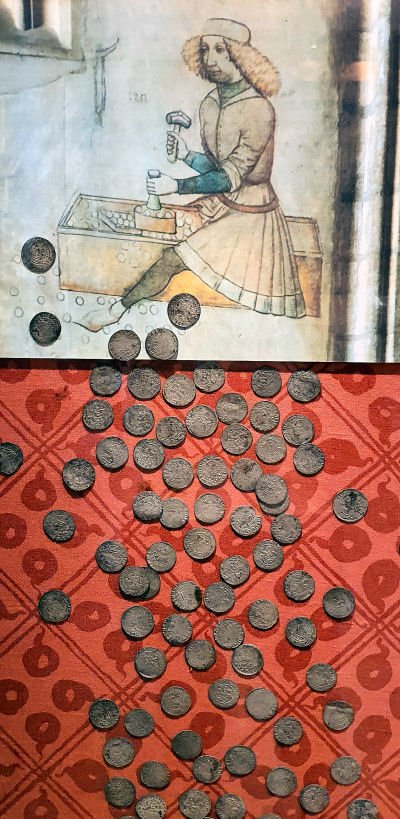
The third part of this numismatic tour was Kutná Hora, a town about an hour's drive from Prague, which holds a special place in the history of Czech coinage because its development was directly connected to the silver mines, the royal mint, and the minting of the Prague groschen.
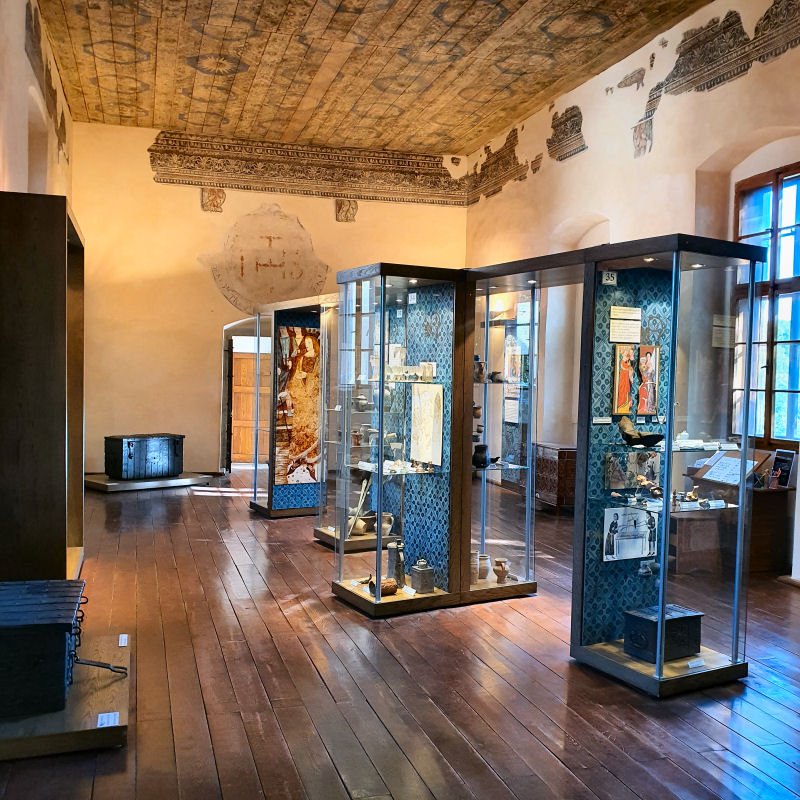
The Czech Museum of Silver is located in the historical Hrádek and, as its name suggests, is primarily dedicated to silver and the history of mining. A larger part of the ground floor and the entire exhibition relates specifically to the mines, silver extraction technology, and the history of the town, while the numismatic section is considerably smaller.
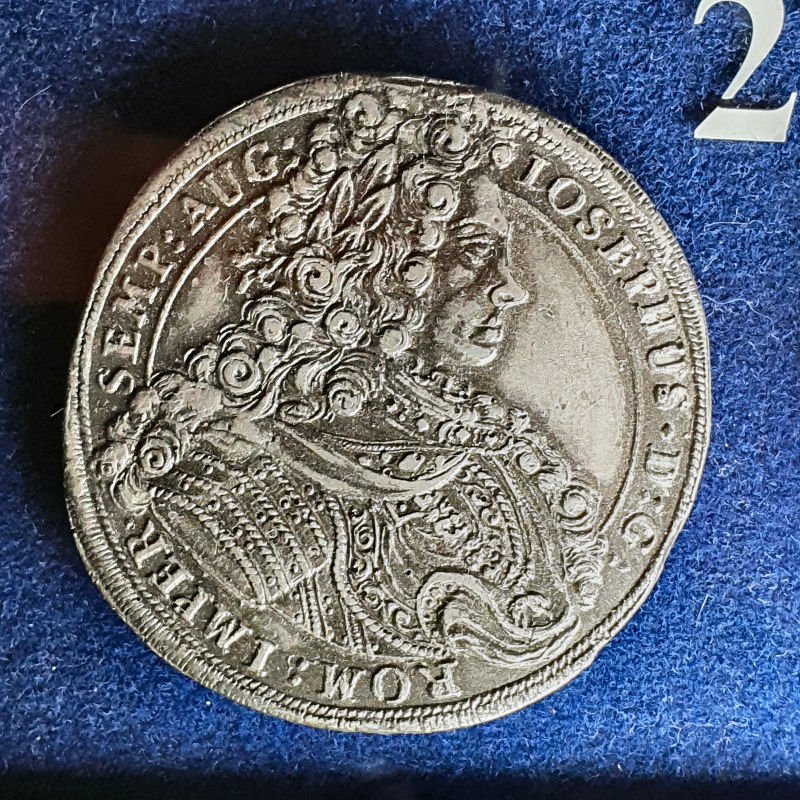
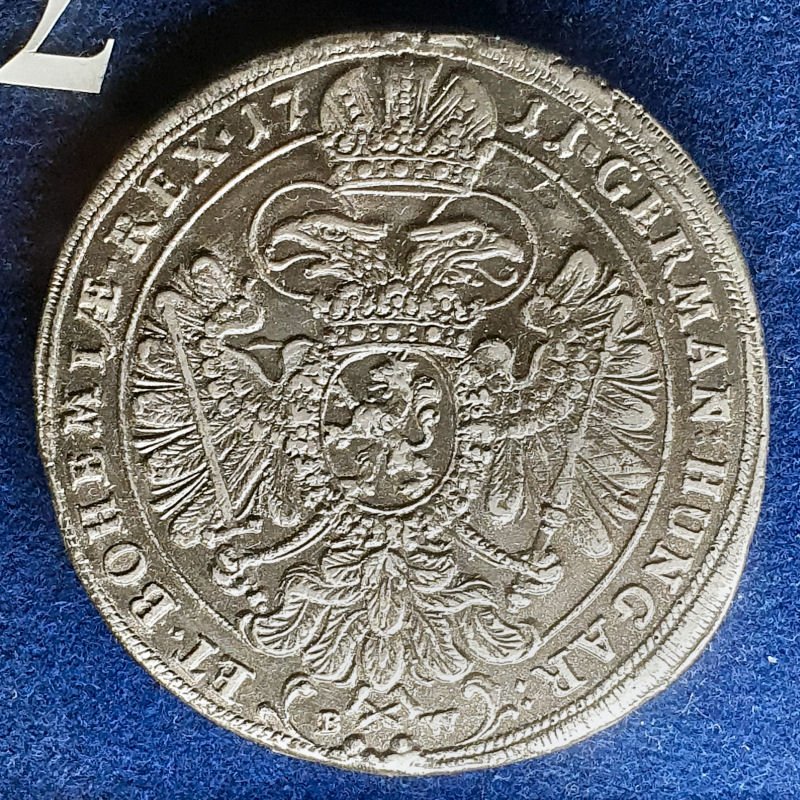
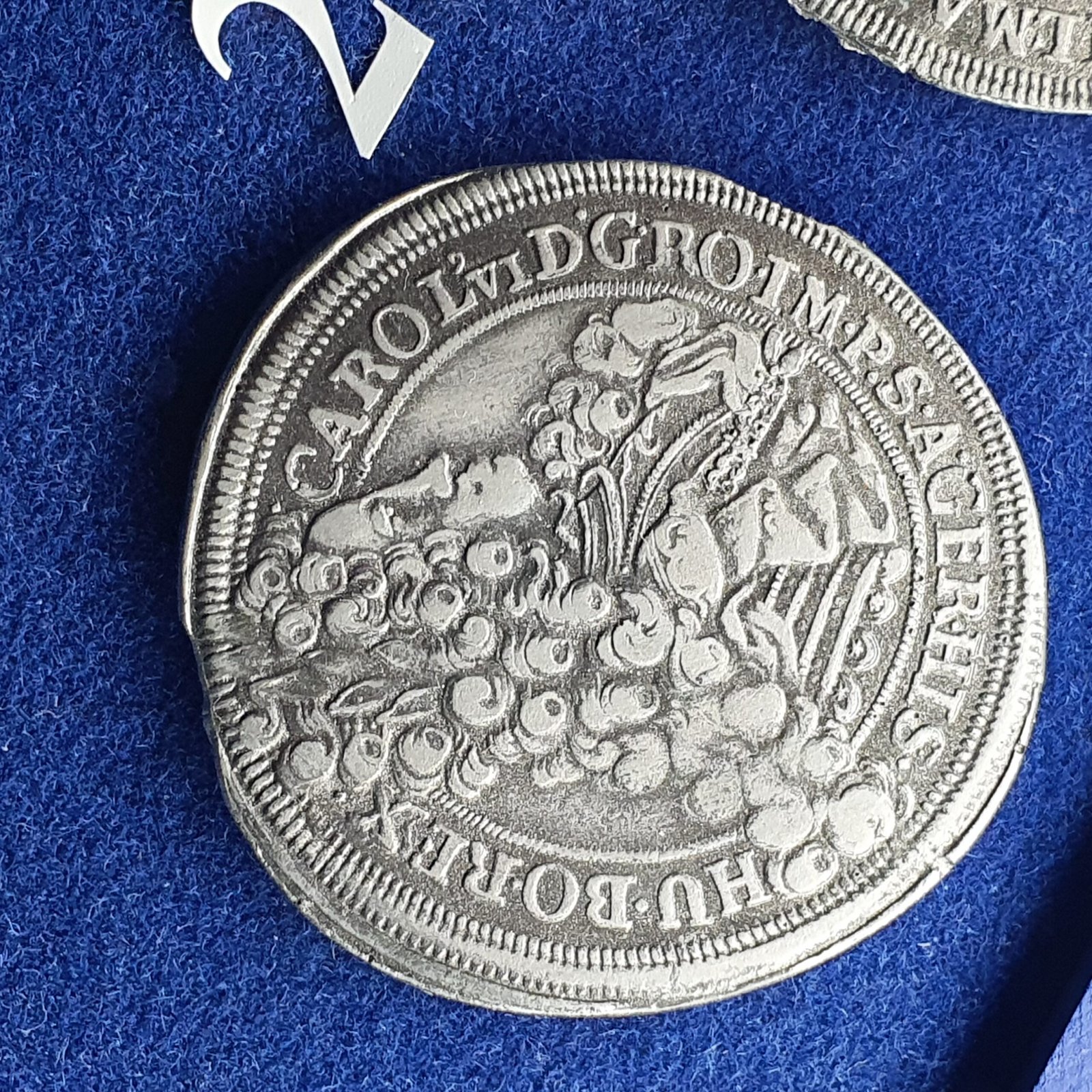
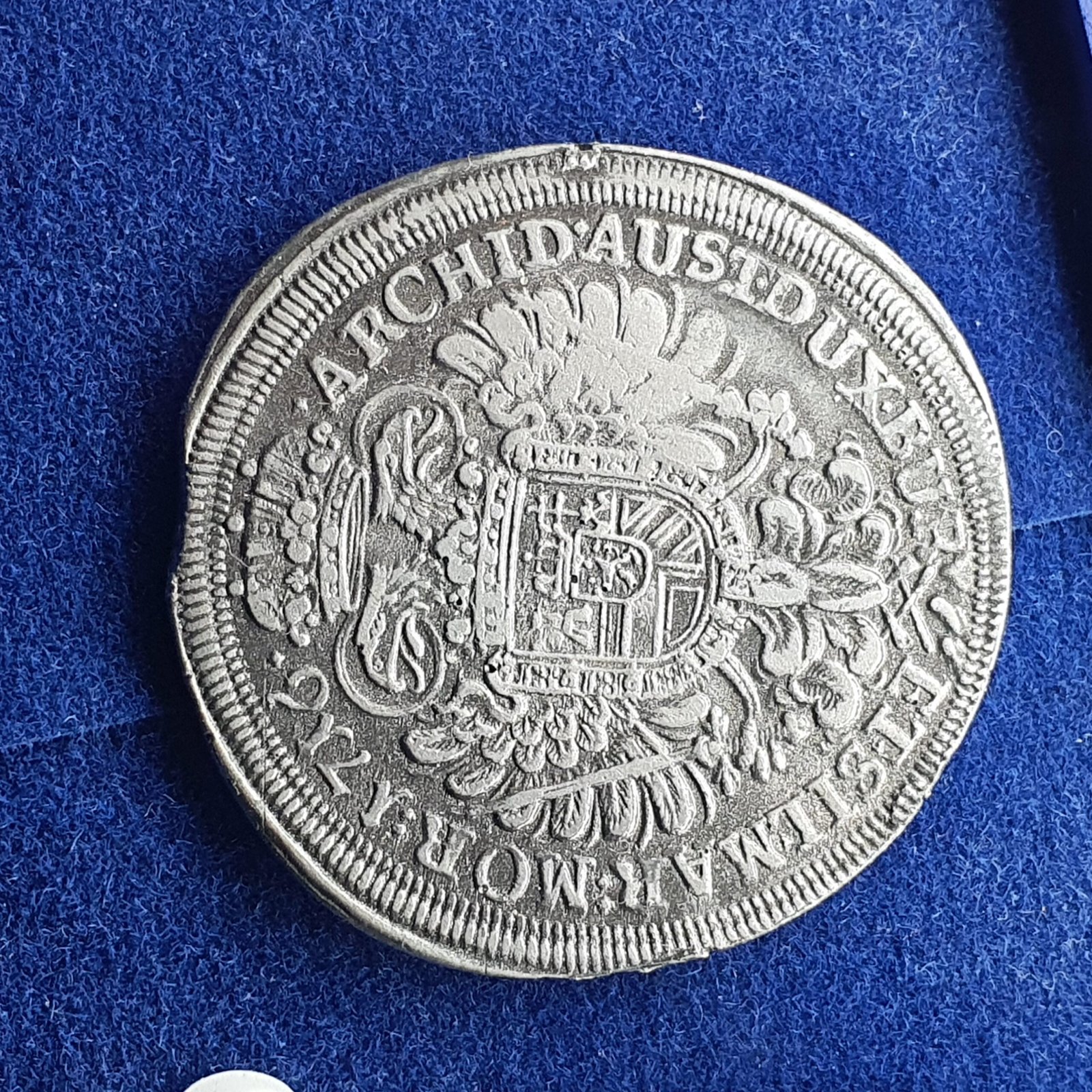
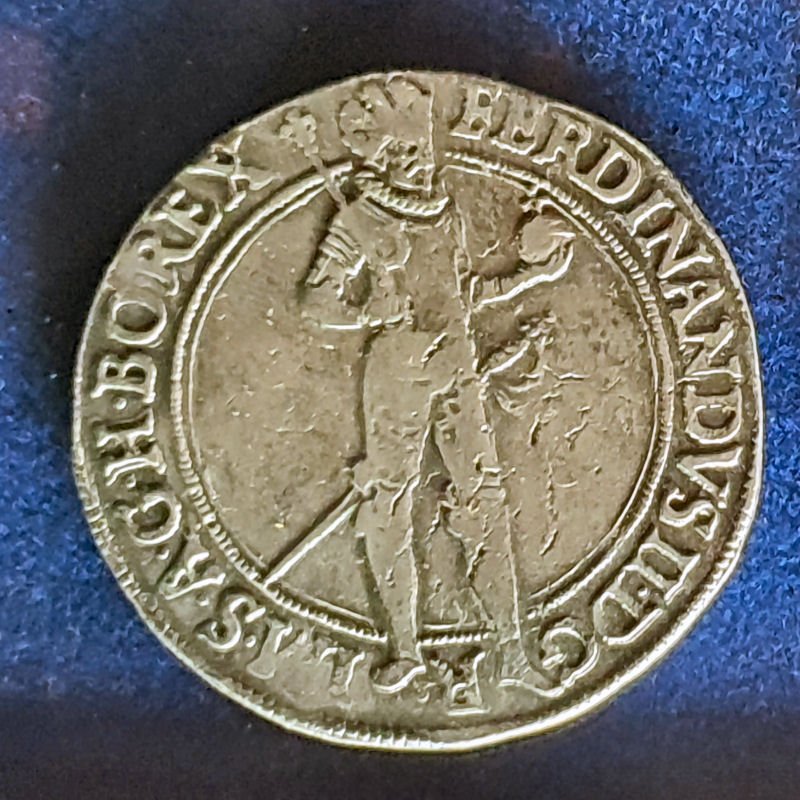
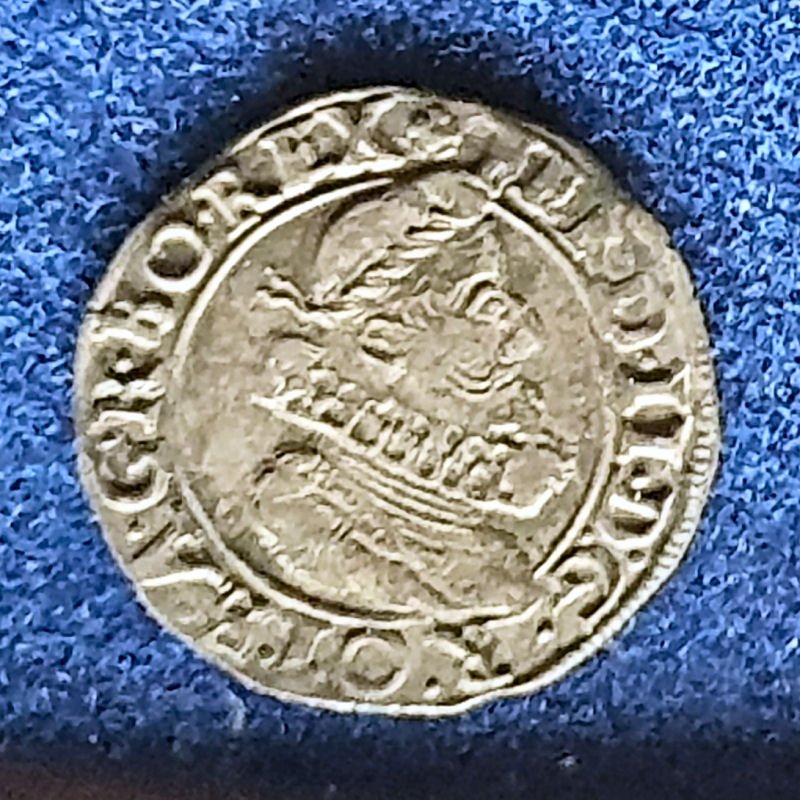
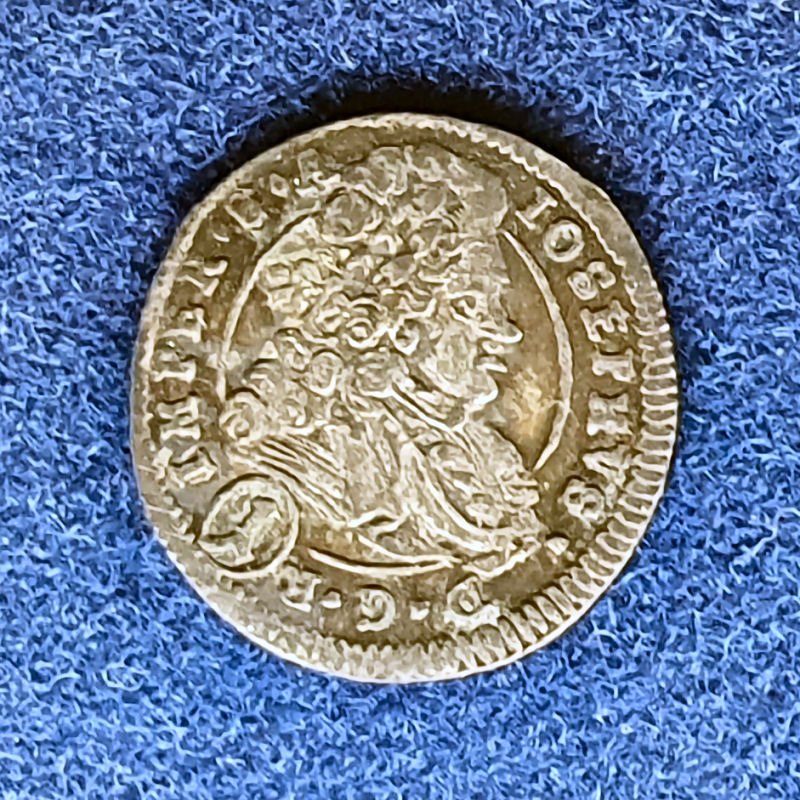
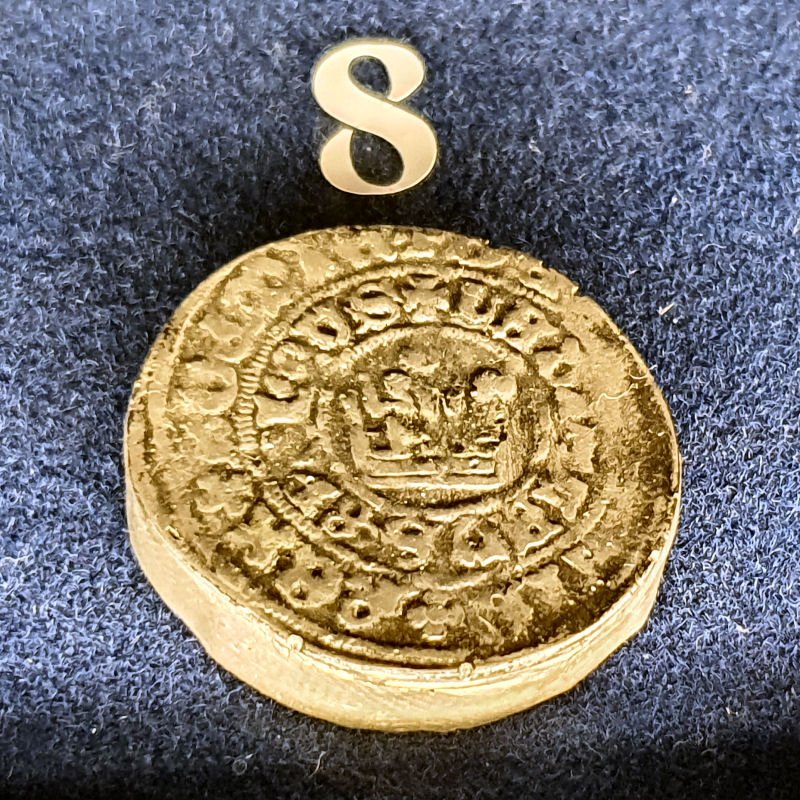
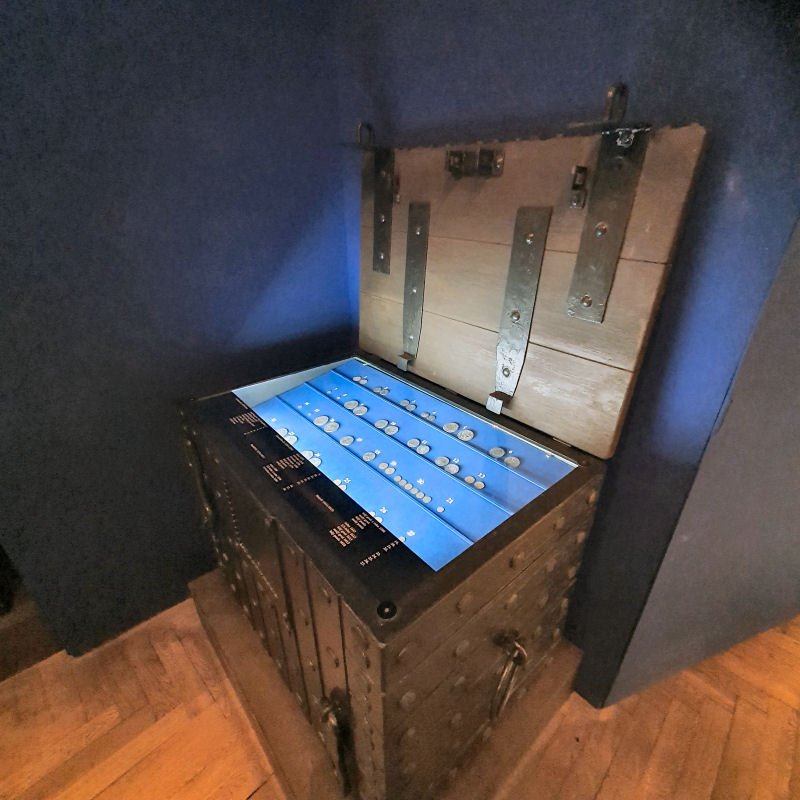
The numismatic exhibition actually takes up one room where coins are displayed in several glass display cases. In terms of volume, it is not a large exhibition, and one certainly should not expect a huge specialized numismatic museum, but what is on display is very interesting and worthy of attention. Particularly noteworthy are the silver Prague grosz and the beautifully presented thalers, among which there are specimens in very good states of preservation.
Right here is perhaps where the biggest difference arises between certain numismatic expectations and the actual impression. While what to expect from the Sběratel fair is clear, and from the Czech National Bank exhibition not quite so, from Kutná Hora one can expect more numismatic material to be exhibited.
Therefore, the natural question arises whether it is worth going to Kutná Hora from Prague just for that exhibition. If looking exclusively at numismatics, the answer is probably no, because a two-hour drive there and back for a relatively small room is no small matter.
However, Kutná Hora is not just a museum. The city is beautiful, very interesting for tourists, and features the impressive Church of Saint Barbara, an old town center, and a complete historical context closely linked to silver and the origins of Czech currency. If a museum visit is combined with a walk through the city, sightseeing at the church, and exploring the location of the former royal mint, the whole trip makes much more sense.
In that context, Kutná Hora is certainly worth a visit, especially if one is already staying in Prague for a few days or passing through that part of the Czech Republic. The numismatic exhibition itself may not be a reason for a special trip, but in combination with the city, the history of silver mining, and the story of the Prague groschen, it represents a nice addition to a broader understanding of Czech monetary history.
Image gallery
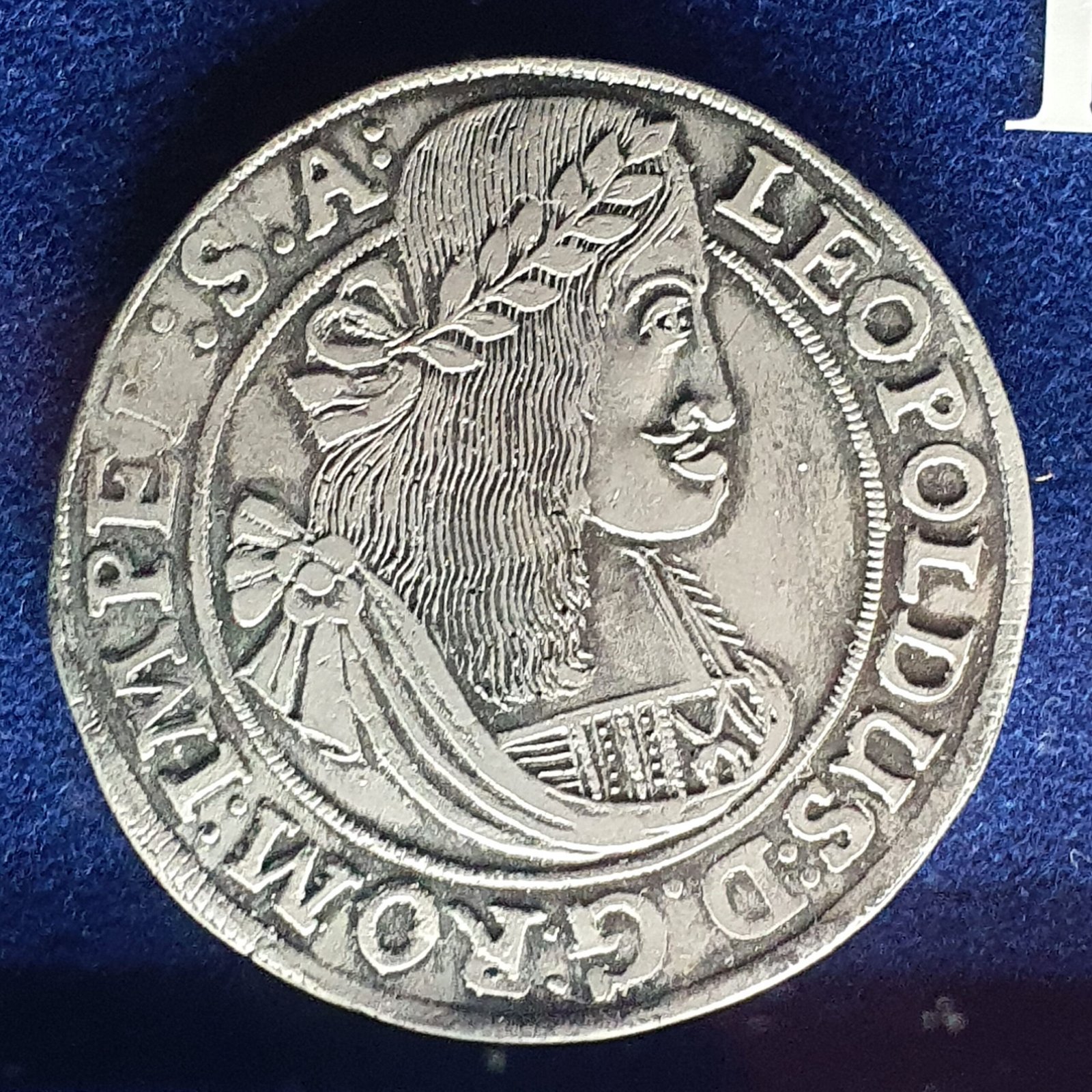
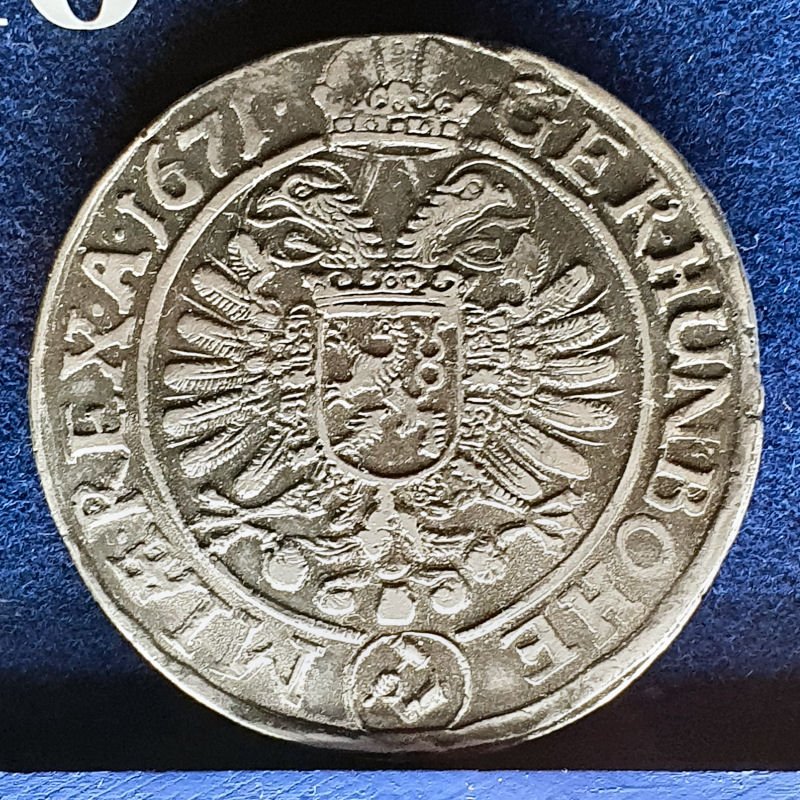
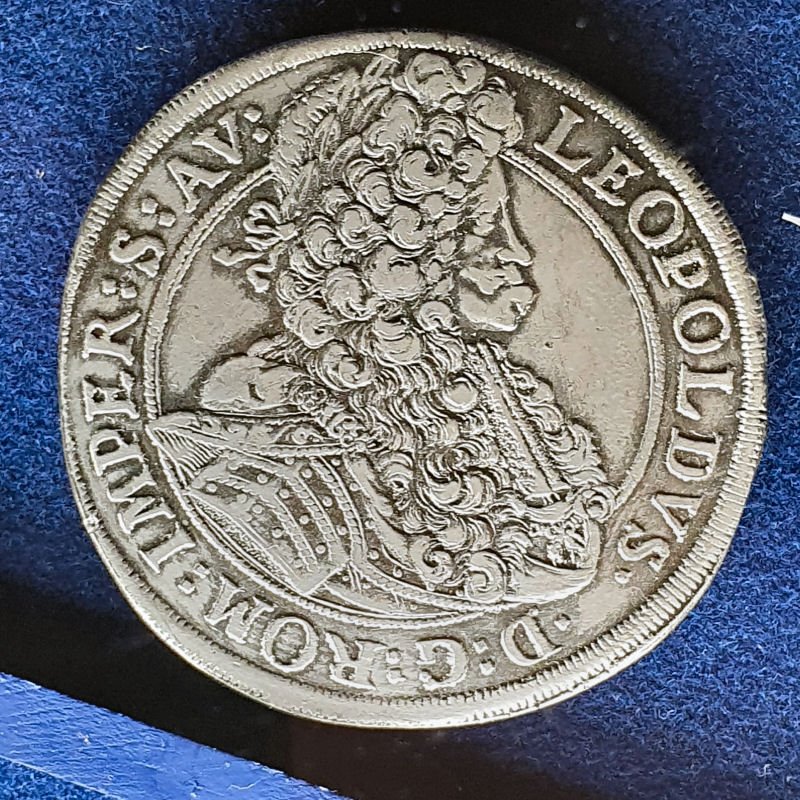
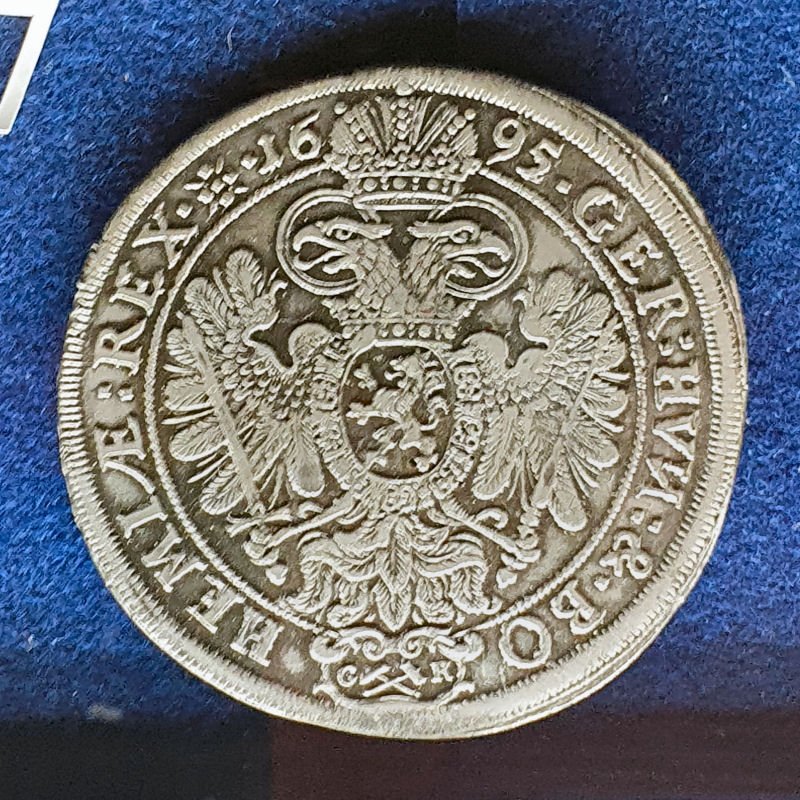
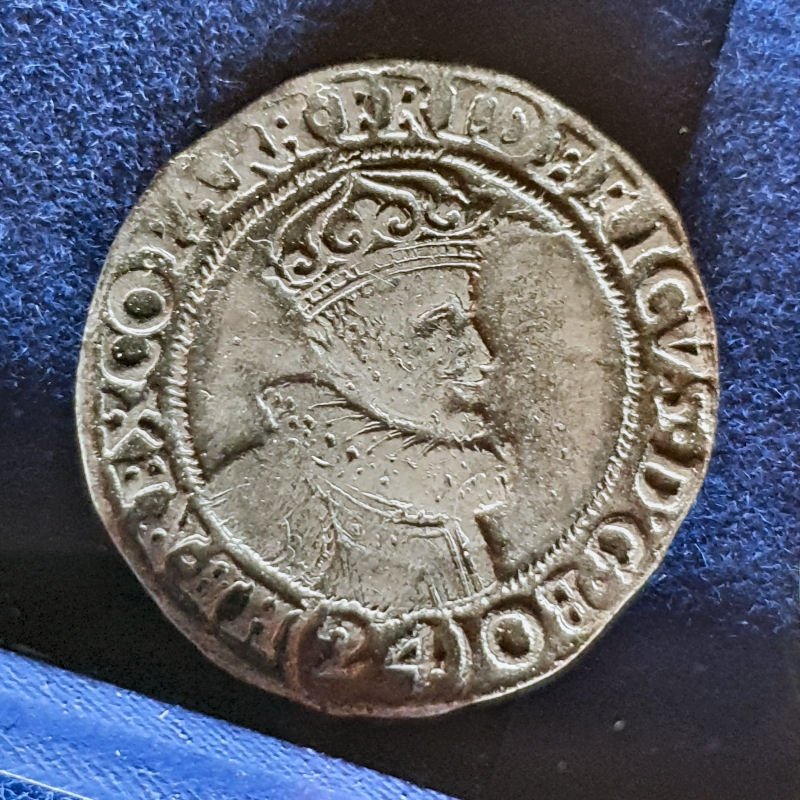
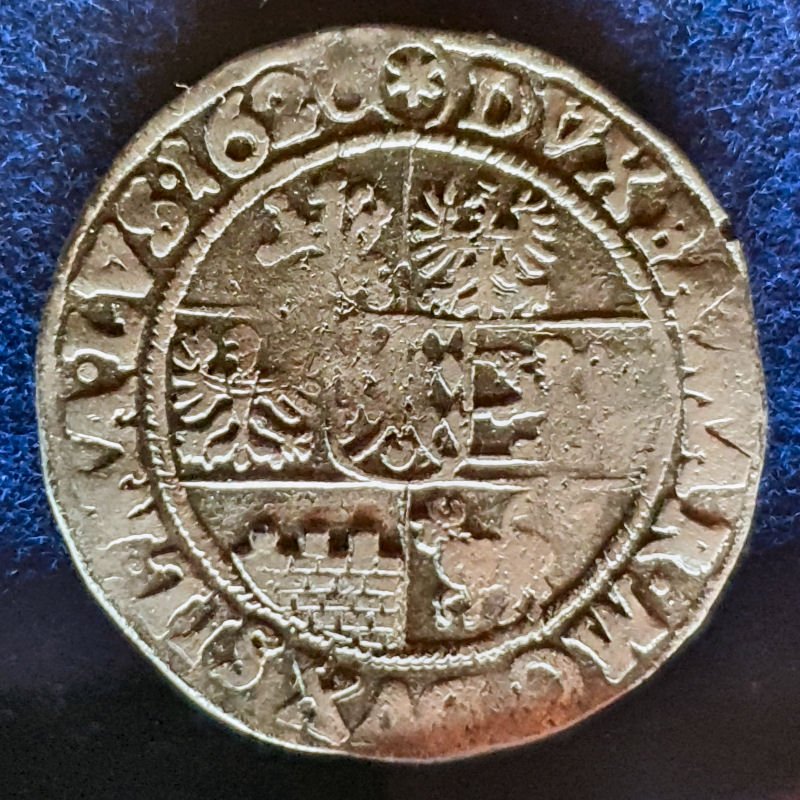
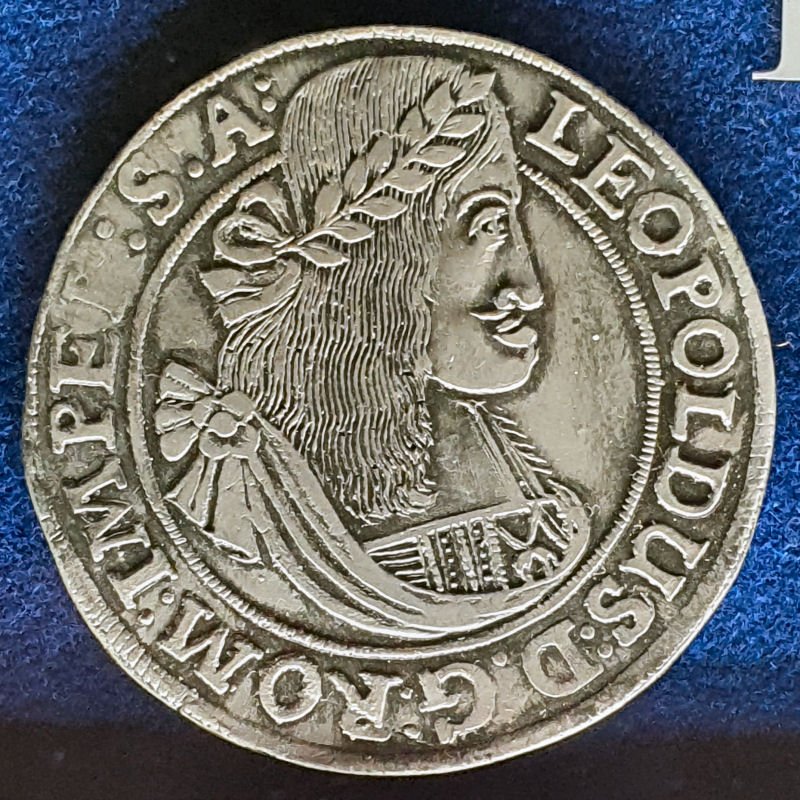
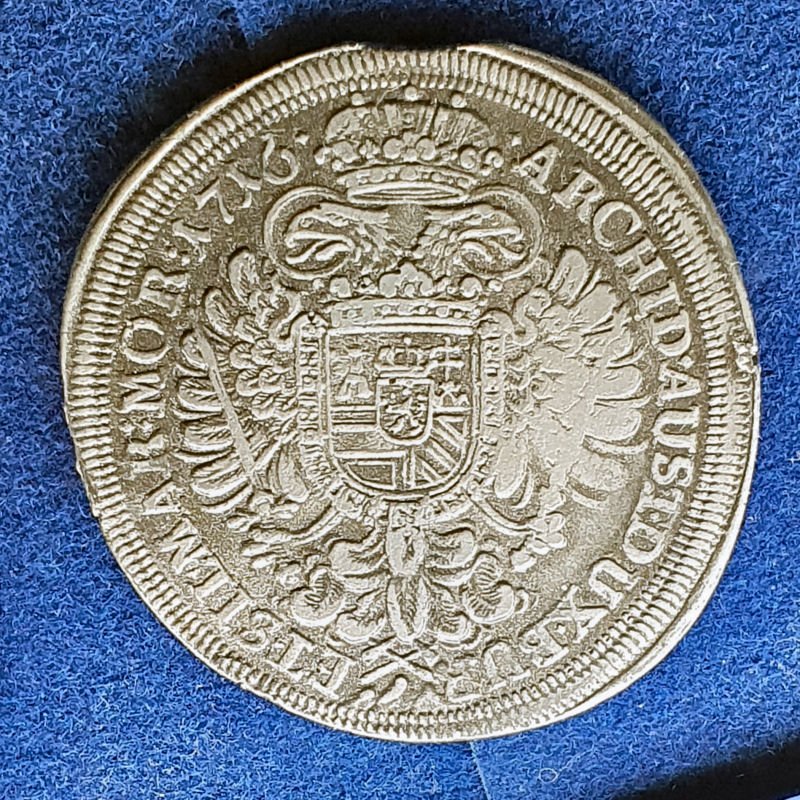
Otherwise, the Czech Republic is an exceptionally interesting numismatic region with a long and rich history of its own currency, and from the Middle Ages to the present day, it offers a large number of topics that deserve serious interest. The Czech numismatic heritage is not only important within national frameworks, but is also a significant and interesting part of the broader European and global numismatic heritage.
Author: Zlatko Viščević with AI assistance
Photos: Zlatko Viščević
Did you notice an error in the text or a linguistic inconsistency? Please report it to us via the page for Contact how we could fix it. Thanks in advance!