



collection

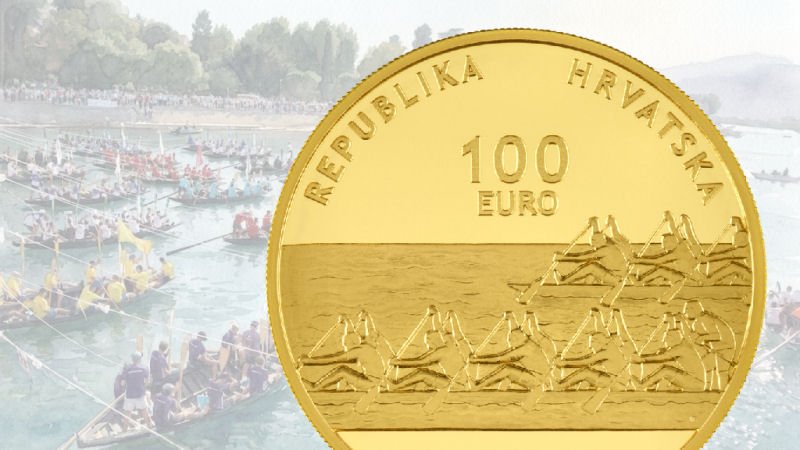
New Croatian gold and silver coins dedicated to the Neretva boat

The Croatian National Bank and the Croatian Mint are continuing the „Croatian Ships“ commemorative numismatic program series with a new issue dedicated to the Neretva boat, one of Croatia's most recognizable traditional vessels. The new issue includes three gold coins and two silver coins of different face values and weights, made of gold and silver with a purity of 999.9/1000.

New Croatian gold and silver coins dedicated to the Neretva boat Read more »

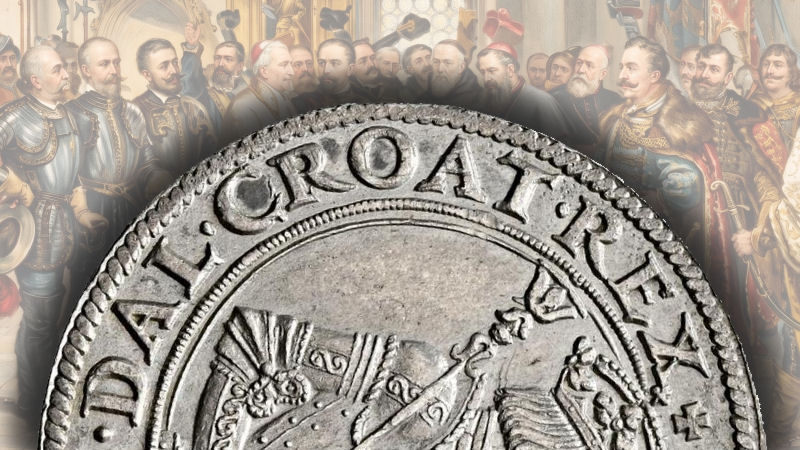
Ferdinandus Dei Gratia Hungariae Bohemiae Dalmatiae Croatiae Rex

From the Middle Ages until 1918, the title of King of Croatia existed continuously, which clearly testifies to the millennium-long constitutional and legal continuity of Croatian statehood. With the disappearance of the native Croatian ruling dynasty, the Croatian royal title did not disappear as well, but rather continued to live on in the titulature of the Hungarian and then

Ferdinandus Dei Gratia Hungariae Bohemiae Dalmatiae Croatiae Rex Read more »

Trial strikes of NDH coins at foreign auctions: a market overview over the past 24 years

Trial strikes for the currency of the Independent State of Croatia rank among the rarest, numismatically and commercially most interesting collections of 20th-century Croatian numismatics. These are coin strikes conceived as minted money of the Independent State of Croatia, but which as a rule never became legal tender and were not minted in

Trial strikes of NDH coins at foreign auctions: a market overview over the past 24 years Read more »

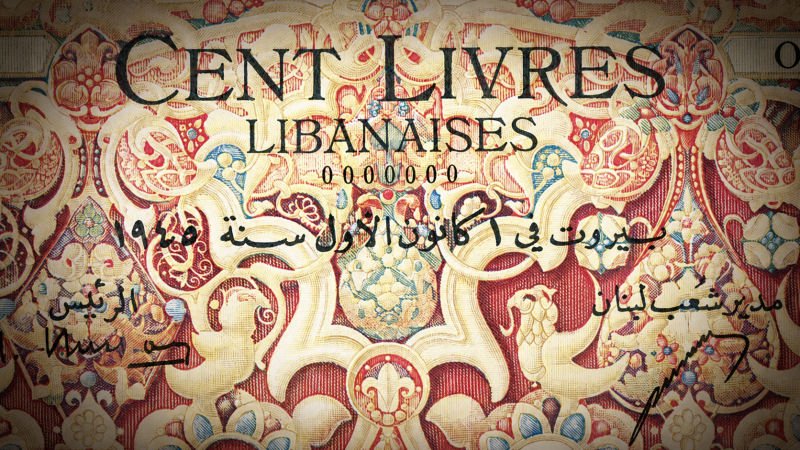
Lebanese “magic carpet”

In the world of notaphily, there are banknotes that have “that certain something,” a magical beauty that appeals not only to paper money enthusiasts, but also to lovers of everything pleasing to the eye. Such banknotes are not only interesting because they were a means of payment, but also because they carry within them the spirit

Lebanese “magic carpet” Read more »

How many grams of silver was a gram of gold worth? The historical gold-to-silver ratio from 1900 to 2026

Gold and silver have held a special place in the history of money for centuries. Circulation and commemorative coins were minted from them, they were used to store the value of assets, and their mutual ratio was one of the more important issues of monetary policy and trade. For numismatists, that ratio is not only

How many grams of silver was a gram of gold worth? The historical gold-to-silver ratio from 1900 to 2026 Read more »

Miniatures of decorations

In phaleristics, an auxiliary historical science that deals with the study of decorations, medals, orders, commemorative plaques, military insignia, and related items, the term miniature has a very clear meaning. Miniatures are scaled-down versions of decorations, made to look like the original, full-sized decoration, but in a smaller format. They are not a replacement in the sense of a regular

Miniatures of decorations Read more »

Mexican 50 peso polymer banknote with an augmented reality view

The 50-peso banknote issued by Banco de México (Bank of Mexico) is one of the most beautiful contemporary banknotes in Latin America. It belongs to the banknote series with the theme „Historical Identity and Natural Heritage,” which connects key epochs of Mexican history with the country's natural wealth. It was first put into circulation

Mexican 50 peso polymer banknote with an augmented reality view Read more »

When a person thinks they've seen everything in numismatics – behold, a horse's head!

Numismatics has long ceased to be a world exclusively of regular circles, dignified profiles of rulers, elegant artistic design, and refined symbolism. Today's numismatist, whether they like it or not, must come to terms with the fact that the boundaries of a „coin“ have been stretched to the point where we can sometimes justifiably wonder if we are looking at

When a person thinks they've seen everything in numismatics – behold, a horse's head! Read more »

Scroll to Top