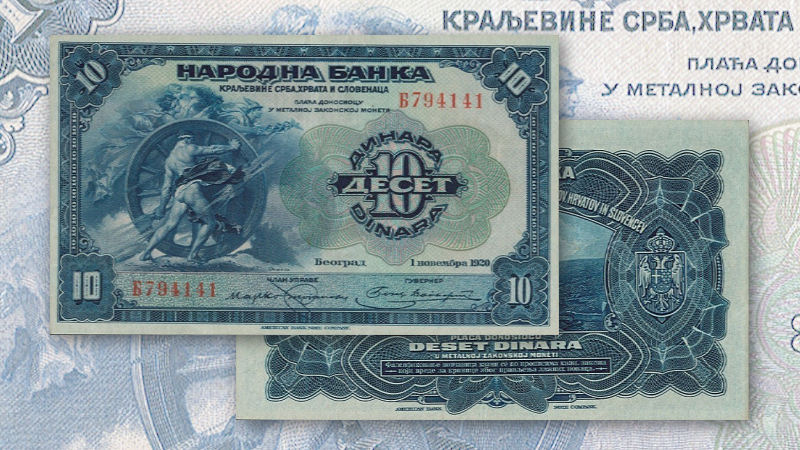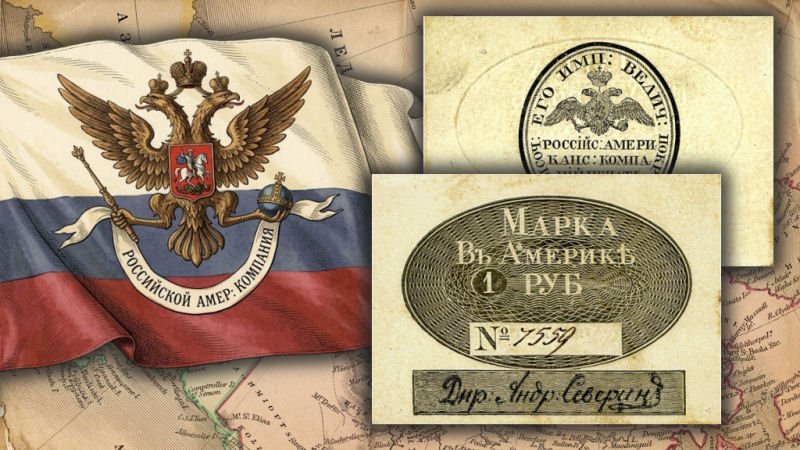




We live in a numismatic present in which the criterion of hardness of value has become almost absolute. Everything has its price, everything is evaluated, and thus old money as well. In such an environment, numismatics has partly adopted standards from philately, where the perfection of preservation plays a key role. Coins and banknotes are evaluated according to their degree of preservation, and the ideal becomes an object without traces of time, almost detached from its original purpose.
No, precisely in that pursuit of perfection, something essential is lost.
Money was not designed and did not come into existence to remain perfect. Its primary function is circulation, the transfer of value from hand to hand. Every banknote and every coin is made with the intention of being used, rather than being kept apart from real life and its currents.
Over the course of its lifespan, money passes through countless hands. It changes owners, is the subject of daily transactions, and tracks human destinies. In that process, it inevitably undergoes wear and tear, colors fade, edges become duller, and the surface becomes softer.
That is not a flaw. That is proof of life.
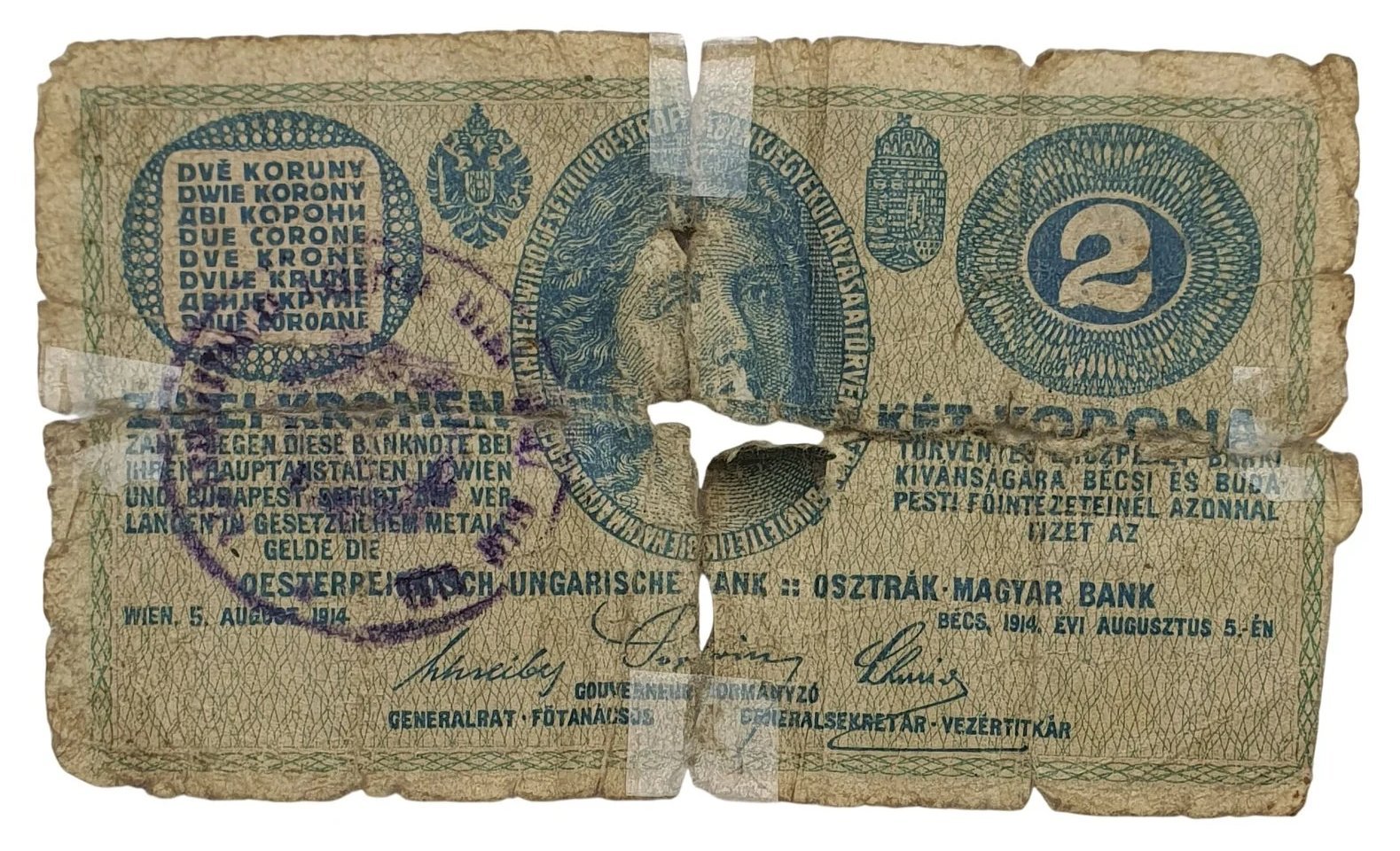
Every touch leaves its mark. Banknotes are crumpled, folded, and sometimes torn. They bear the scars of use, a kind of „wounds“ that testify to their function.
Such an object becomes more than a means of payment. It becomes the bearer of a story.

A worn banknote may have passed through the hands of merchants, workers, or travelers. Perhaps it was part of everyday purchases, salary payments, gifts, or debts. Every trace of it, every stain and every fold, is part of a broader story about the time and society in which it circulated.
At the end of their useful life, most banknotes meet their end by being withdrawn from circulation. Their end is technical and final, most often ending up destroyed in the incineration process.
Time and the material witness of everyday life are disappearing.
However, some banknotes escape that fate.
Numismatic collections occasionally contain precisely such specimens, worn and damaged, far from ideal preservation. At first glance, they lack the market appeal possessed by specimens in mint condition.
But their value lies elsewhere.
Such banknotes preserve traces of real life. They are not sterile artifacts, but authentic witnesses of time. They speak of the method of production, the quality of materials, the intensity of use, and people's attitude toward money.
In a world dominated by the criteria of perfection and market value, it is worth remembering that numismatics is not just about collecting the best specimens. It is also the study of the real life of money.
A worn banknote, with all its flaws, can be equally or even more valuable in a cultural and historical sense. It is precisely in those traces of imperfection that one finds what a mint specimen will never have, and that is – a story.
Author: Zlatko Viščević
Photos: Numex – Coins, Banknotes & Militaria Store [www.numex.hr]