




notaphily

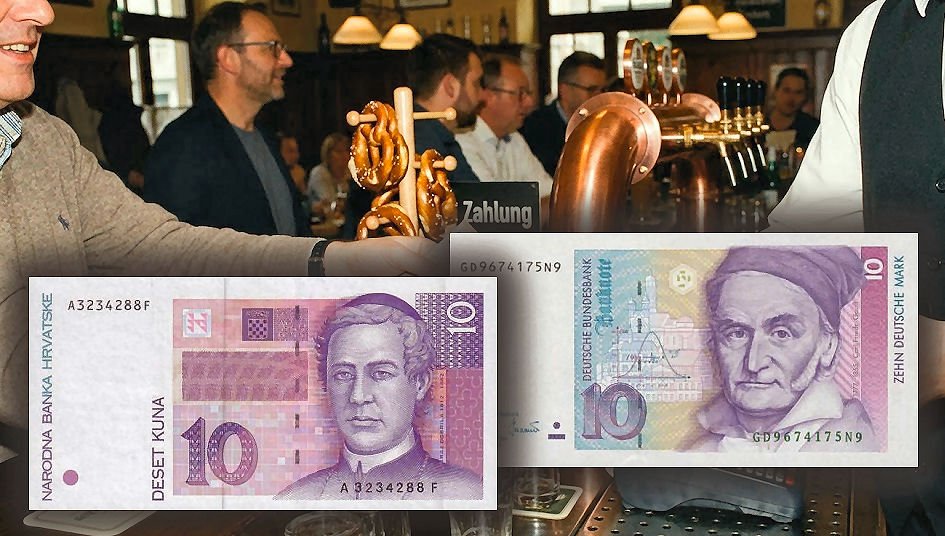
Prices from 40 years ago: A 100-dinar „Horse” – enough for a coffee and a roll of toilet paper, but not for a beer

Ponovno svjedočimo inflaciji i postupnom gubitku vrijednosti novca. Novčanica od 100 kuna donedavno je predstavljala ipak „nešto”, dok je danas 13 eura – skoro pa „ništa”. Nerijetko „tura” pića u kafiću dođe toliko novaca. I novčanica od 100 eura, koja je donedavno bila „nešto”, danas […]
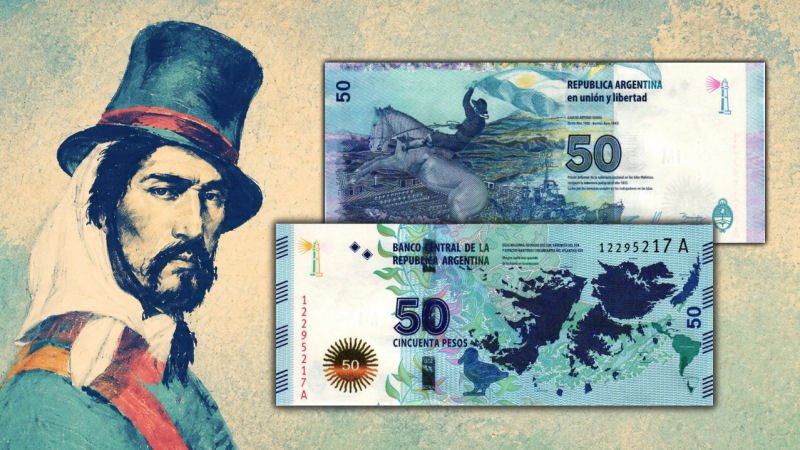
Prices from 40 years ago: A 100-dinar „Horse” – enough for a coffee and a roll of toilet paper, but not for a beer Read more »

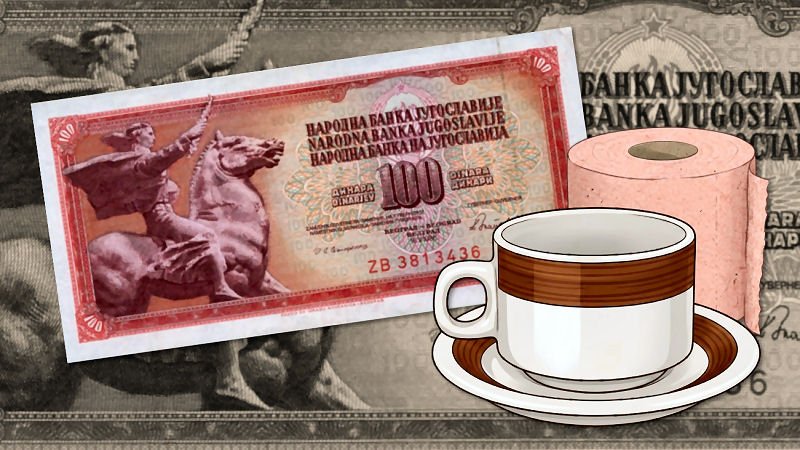
Falkland Islands or the Malvinas? The controversial 50 peso Argentine banknote

The 2015 Argentine 50-peso banknote is one of the more interesting modern world banknotes, not only because of its interesting artistic and security features, but also because of the strong political message it carries. At first glance, it is a commemorative circulation banknote dedicated to the islands that Argentina

Falkland Islands or the Malvinas? The controversial 50 peso Argentine banknote Read more »

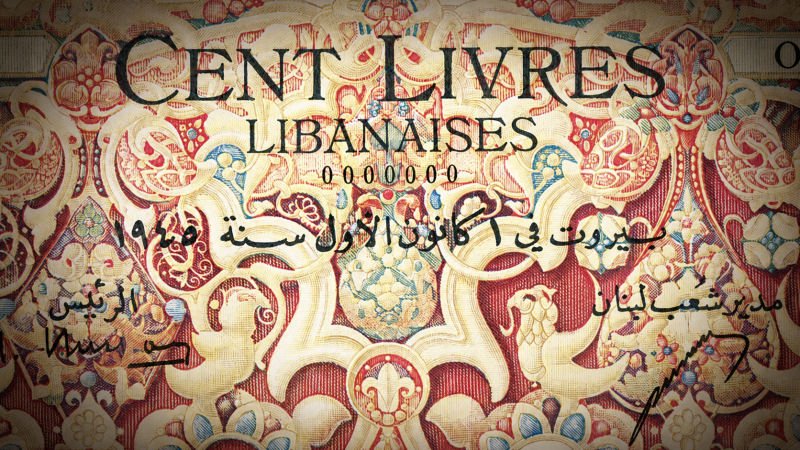
Lebanese “magic carpet”

In the world of notaphily, there are banknotes that have “that certain something,” a magical beauty that appeals not only to paper money enthusiasts, but also to lovers of everything pleasing to the eye. Such banknotes are not only interesting because they were a means of payment, but also because they carry within them the spirit

Lebanese “magic carpet” Read more »

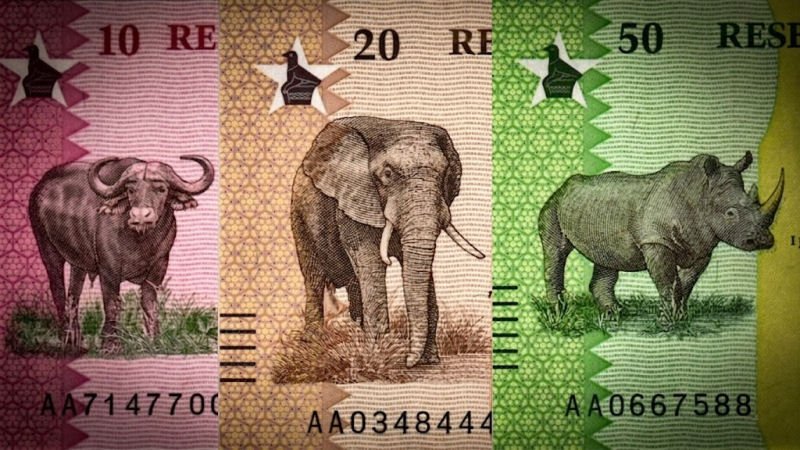
Zimbabwe redesigned ZiG banknotes after just two years

In 2026, Zimbabwe introduced a new series of ZiG banknotes featuring motifs of Africa's “big five” (buffalo, elephant, rhinoceros, leopard, and lion), which practically made the first series from 2024 a short-lived and numismatically interesting issue. The new release brings a different visual identity, improved security features, and another

Zimbabwe redesigned ZiG banknotes after just two years Read more »

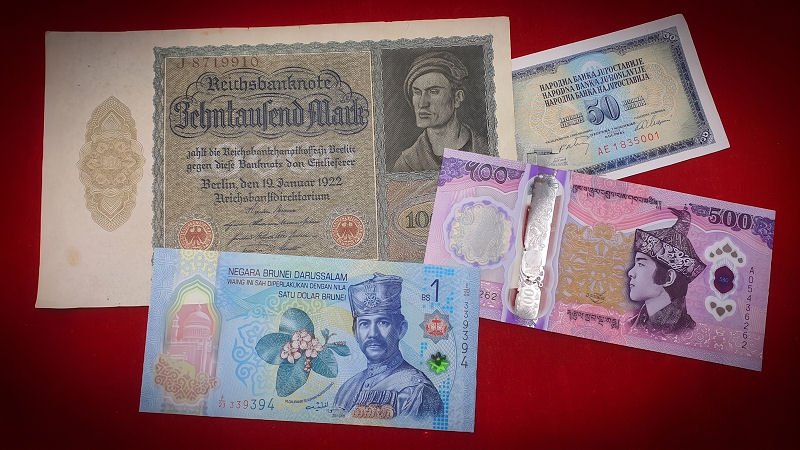
Banknotes in the last 100 years: from “paper sheets” to “transparent plastic”

Banknotes have come a long way over the past hundred years or so. From large paper formats, often with simpler artistic design and more modest security features, to modern polymer banknotes that today represent the pinnacle of security, technical, and artistic craftsmanship. In this video, we show the evolution of banknotes through several selected examples. The goal

Banknotes in the last 100 years: from “paper sheets” to “transparent plastic” Read more »

Butanske polimerne novčanice od 100, 500 i 1000 ngultruma, prigodno izdanje povodom 70. obljetnice rođenja kralja Jigmea Singyea Wangchucka

Kraljevska monetarna uprava Butana je 2025. godine izdala seriju prigodnih optjecajnih novčanica izrađenih od polimera. Serija je posvećena 70. obljetnici rođenja Četvrtog Druk Gyalpa (Kralja Zmaja), kralja Jigmea Singyea Wangchucka, jedne od najvažnijih osoba u suvremenoj povijesti Butana. Novčanice su izdane u apoenima od 100,

Butanske polimerne novčanice od 100, 500 i 1000 ngultruma, prigodno izdanje povodom 70. obljetnice rođenja kralja Jigmea Singyea Wangchucka Read more »

Security features or grammatical errors on Croatian kuna banknotes?

Detaljnim promatranjem novčanica od 5, 20 i 50 kuna dolazi se do zanimljivih otkrića. Naime, mikrotekst otisnut na licu novčanica opetovano ponavlja jedan te isti tekst, no pažljivim iščitavanjem tog teksta pronalazimo gramatičke greške. Postavlja se pitanje ovdje da li se radi o slučajnim gramatičkim

Security features or grammatical errors on Croatian kuna banknotes? Read more »

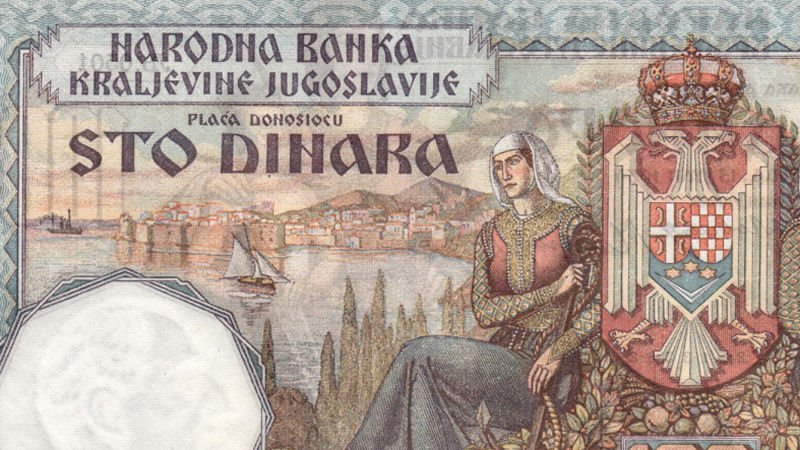
The enigmatic short-term circulation of the 100-dinar banknote of the National Bank of the Kingdom of Yugoslavia dated July 15, 1934.

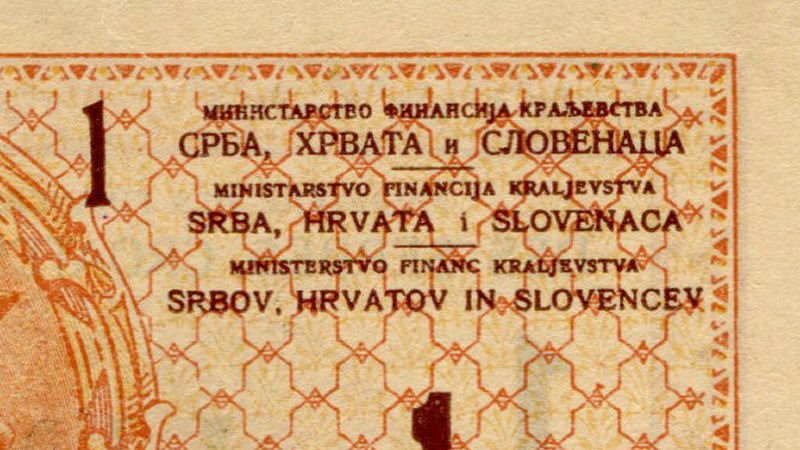
It is known that the banknotes of the Kingdom of Serbs, Croats and Slovenes and the Kingdom of Yugoslavia are the product of the „French school“ of banknote printing. The first issues of royal Yugoslav banknotes (with the exception of the 10 dinar banknote of November 1, 1920, which was produced by the American Bank Note Co., New York) were designed and manufactured

The enigmatic short-term circulation of the 100-dinar banknote of the National Bank of the Kingdom of Yugoslavia dated July 15, 1934. Read more »

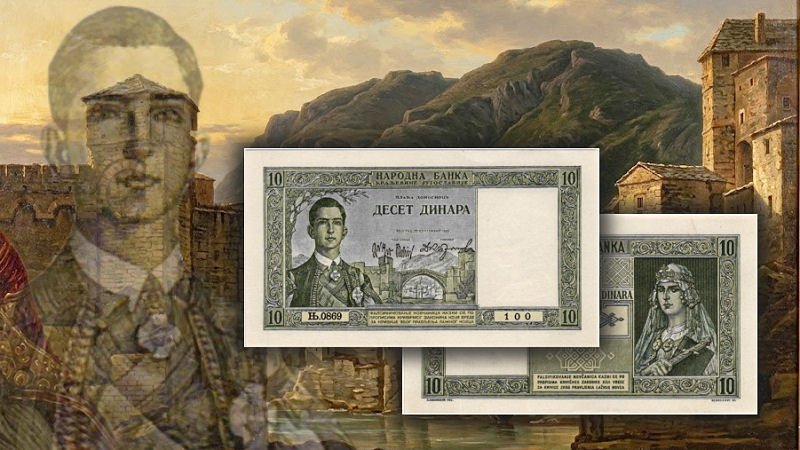
10 dinars banknote of the Kingdom of Yugoslavia dated September 22, 1939.

Novčanica od 10 dinara s datumom 22.09.1939., izdanje Narodne banke Kraljevine Jugoslavije, pripada skupini najzanimljivijih i najintrigantnijih emisija jugoslavenskog (prije)ratnog novca. Iako je formalno pripremljena za redoviti optjecaj, njezina je stvarna sudbina neraskidivo vezana uz dramatične događaje travnja 1941. godine, što joj daje posebno mjesto

10 dinars banknote of the Kingdom of Yugoslavia dated September 22, 1939. Read more »

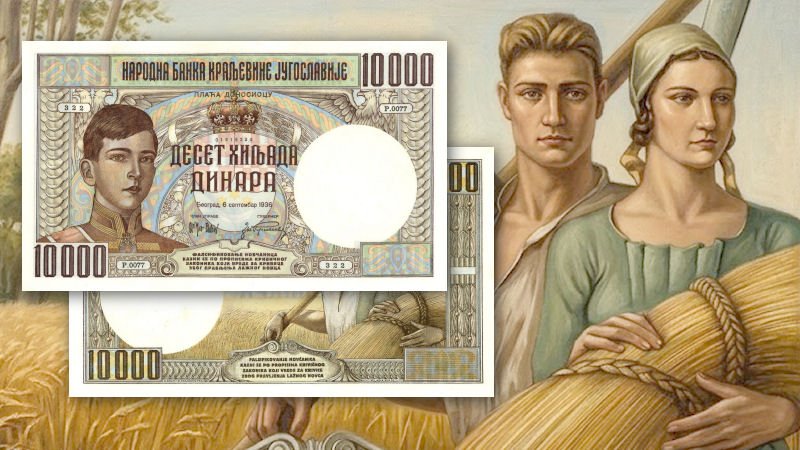
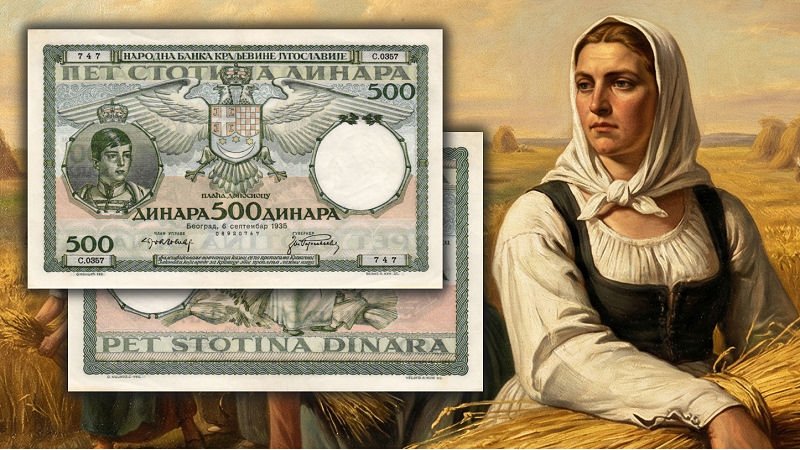
500 dinar banknote of the Kingdom of Yugoslavia from 1935.

Novčanica od 500 dinara Kraljevine Jugoslavije iz 1935. godine predstavlja jedno od likovno najuspjelijih i ikonografski najzaokruženijih izdanja međuratne jugoslavenske notafilije. Cjelokupna kompozicija izvedena je u suptilnoj paleti zelenih, maslinastih i smeđih tonova, s diskretnim ružičastim prijelazima u podlozi, što joj daje profinjenu, gotovo slikarsku

500 dinar banknote of the Kingdom of Yugoslavia from 1935. Read more »

Zamjenske novčanice

Zamjenske novčanice predstavljaju poseban i često nedovoljno poznat segment notafilije, koji na zanimljiv način povezuje tehnički proces tiskanja novca s kolekcionarskom praksom. Iako se na prvi pogled ne razlikuju od redovnih primjeraka, njihova uloga u monetarnom sustavu i način označavanja čine ih osobito zanimljivima istraživačima

Zamjenske novčanice Read more »

Scroll to Top