



Croatian kuna banknotes were introduced into circulation on May 30, 1994, simultaneously with kuna and lipa coins, thereby completing the process of establishing the new monetary system of the Republic of Croatia. In the first issue, banknotes in denominations of 5, 10, 20, 50, 100, 200, 500, and 1000 kuna were released. With their modern design and technical execution, they differed significantly from the previous Croatian dinars, which had been intended exclusively as a temporary means of payment.
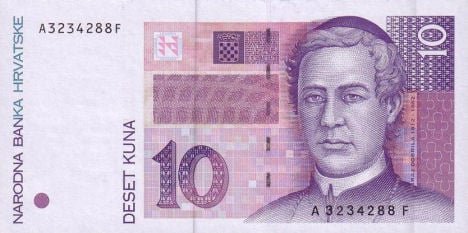
Croatian 10 kuna banknote from 1993. Source: Numismondo [www.numismondo.net].
Right after being put into circulation, the 10-kuna banknote attracted special attention from the public and the media. The reason was the pronounced similarities in design and, especially, coloration with the then-German 10-mark banknote. The cause of this similarity is relatively simple: Croatian kunas were printed in the renowned German printing house „Giesecke & Devrient“, which also printed the German marks of that time. Although in the production of money, as a rule, strict attention is paid to a clear visual distinction from existing currencies, to this day it has not been fully clarified how such a high degree of matching between the two banknotes occurred.
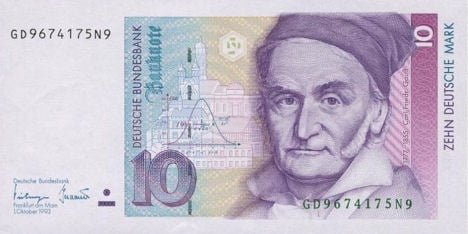
Croatian 10 kuna banknote from 1993. Source: Numismondo [www.numismondo.net].
Problems appeared very quickly. German media reported on cases where payments were successfully made with a Croatian 10-kuna banknote instead of a German 10-mark note. This 10-kuna banknote was particularly popular for paying during nights out, since it was difficult to pay attention to details in the crowd and darkness. Such substitutions brought significant financial gain to the perpetrators, given that the exchange rate at the time was approximately 35 kuna for 10 marks.

To prevent further misuse, a decision was soon made to produce a new 10-kuna banknote. Thus, on June 30, 1995, a redesigned banknote was put into circulation, graphically identical to the previous one, but with a significantly altered color. The banknotes of the first issue retained their status as legal tender until March 31, 2001, but in practice, they were systematically and rapidly withdrawn from circulation well before the expiration of that deadline.
Today, the 10-kuna banknote from 1993 represents an interesting and sought-after numismatic specimen, primarily due to its short circulation period and specific historical circumstances. The numismatic value of these banknotes in the highest grade of preservation (UNC) certainly ranks well on the numismatic market.
Author: Zlatko Viščević
Photos: Numismondo [www.numismondo.net]