



history

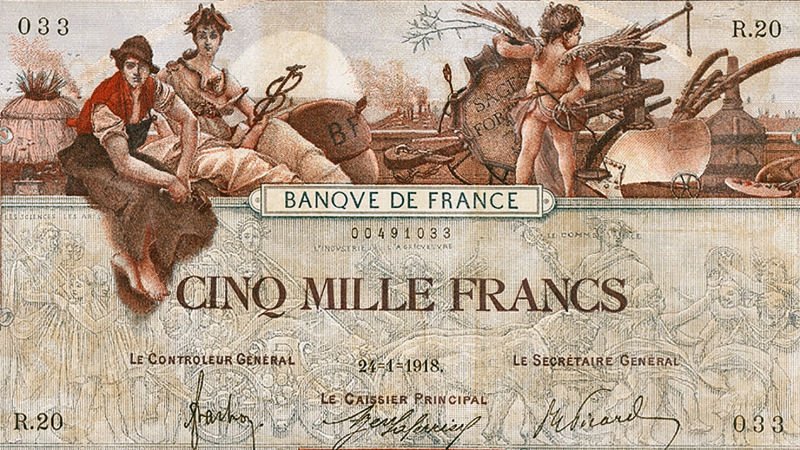
Francuskih 5.000 franaka „Flameng”: umjetničko remek-djelo koje je dvadeset godina čekalo optjecaj

Malo je novčanica čija povijest može konkurirati raskoši njihova likovnog rješenja. Francuskih 5.000 franaka tipa 1918., poznatih pod imenom „Flameng”, pripada upravo toj skupini. Novčanica povezuje alegorijske likove, parišku panoramu i bogatu ornamentiku s neobičnom sudbinom: nastala je iz projekta za sasvim drugu nominalu, proizvedena
Francuskih 5.000 franaka „Flameng”: umjetničko remek-djelo koje je dvadeset godina čekalo optjecaj Read more »

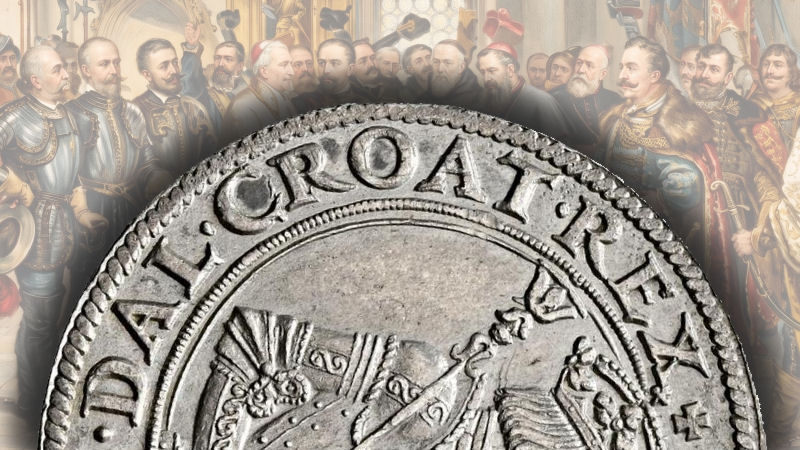
Ferdinandus Dei Gratia Hungariae Bohemiae Dalmatiae Croatiae Rex

From the Middle Ages until 1918, the title of King of Croatia existed continuously, which clearly testifies to the millennium-long constitutional and legal continuity of Croatian statehood. With the disappearance of the native Croatian ruling dynasty, the Croatian royal title did not disappear as well, but rather continued to live on in the titulature of the Hungarian and then

Ferdinandus Dei Gratia Hungariae Bohemiae Dalmatiae Croatiae Rex Read more »

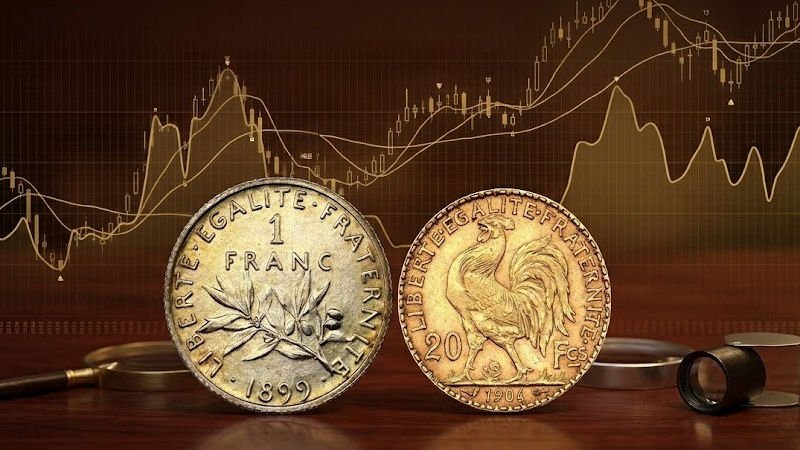
How many grams of silver was a gram of gold worth? The historical gold-to-silver ratio from 1900 to 2026

Gold and silver have held a special place in the history of money for centuries. Circulation and commemorative coins were minted from them, they were used to store the value of assets, and their mutual ratio was one of the more important issues of monetary policy and trade. For numismatists, that ratio is not only

How many grams of silver was a gram of gold worth? The historical gold-to-silver ratio from 1900 to 2026 Read more »

Miniatures of decorations

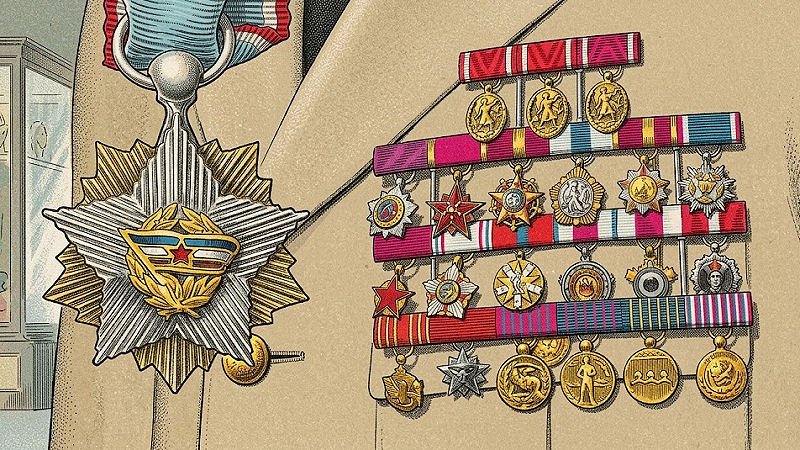
In phaleristics, an auxiliary historical science that deals with the study of decorations, medals, orders, commemorative plaques, military insignia, and related items, the term miniature has a very clear meaning. Miniatures are scaled-down versions of decorations, made to look like the original, full-sized decoration, but in a smaller format. They are not a replacement in the sense of a regular

Miniatures of decorations Read more »

Selection from the display of decorations in the Museum of the Armed Forces and Military History in Brussels

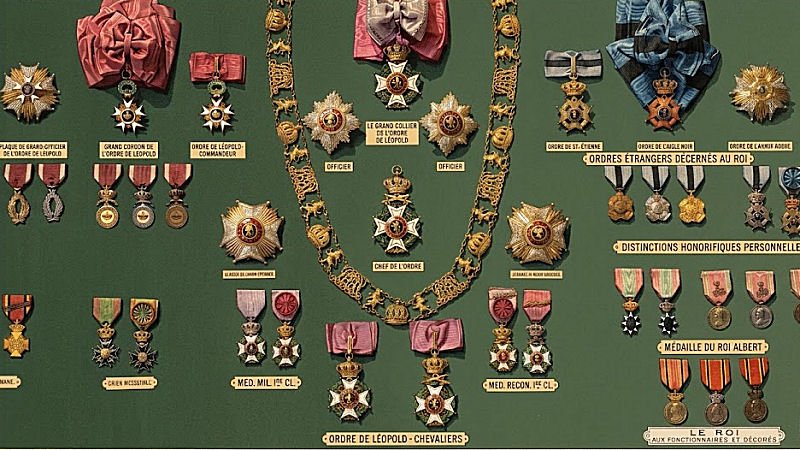
The Royal Museum of the Armed Forces and Military History in Brussels (Musée royal de l’Armée et d’Histoire militaire / Koninklijk Museum van het Leger en de Krijgsgeschiedenis) is one of the most important military-historical museums in Belgium. It is located in the Parc du Cinquantenaire / Jubelpark complex, at Cinquantenaire

Selection from the display of decorations in the Museum of the Armed Forces and Military History in Brussels Read more »

Belgian-French “diplomatic war” over the 2-euro coin

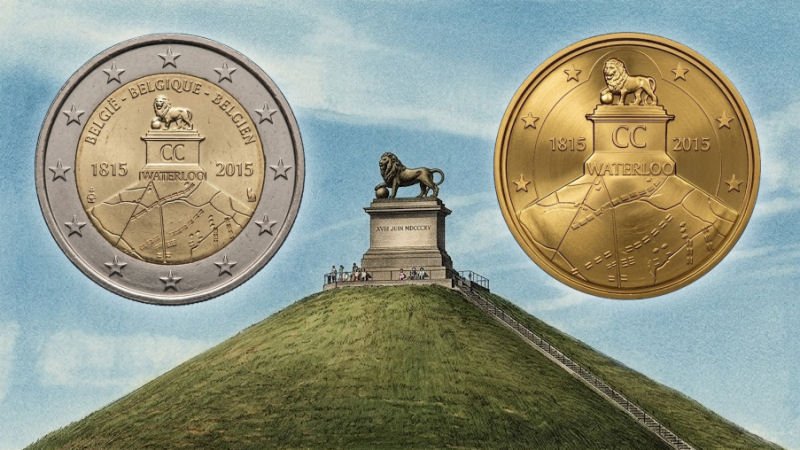
Numismatics often reflects history, identity, and collective memory, yet it rarely sparks an open political conflict between states. That is precisely what happened in 2015, when Belgium planned to issue a commemorative 2-euro coin marking the 200th anniversary of the Battle of Waterloo. Instead of a routine numismatic release, the entire project

Belgian-French “diplomatic war” over the 2-euro coin Read more »

Historical and geographical exoticism in numismatics: Three coins of the Federation of Rhodesia and Nyasaland

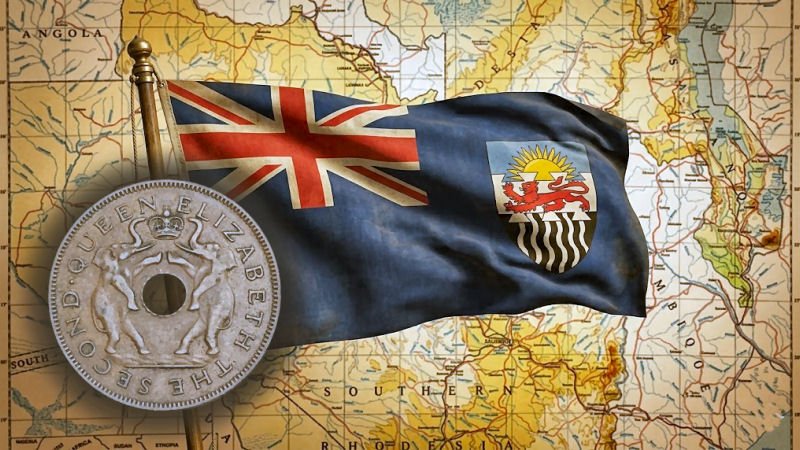
One of the beauties of engaging in numismatics is that it broadens our horizons, and not only in terms of knowing the coins (and banknotes) themselves, but also through learning about the history, geography, and culture of various parts of the world. A numismatist very quickly realizes that money is not just a medium of exchange, but

Historical and geographical exoticism in numismatics: Three coins of the Federation of Rhodesia and Nyasaland Read more »

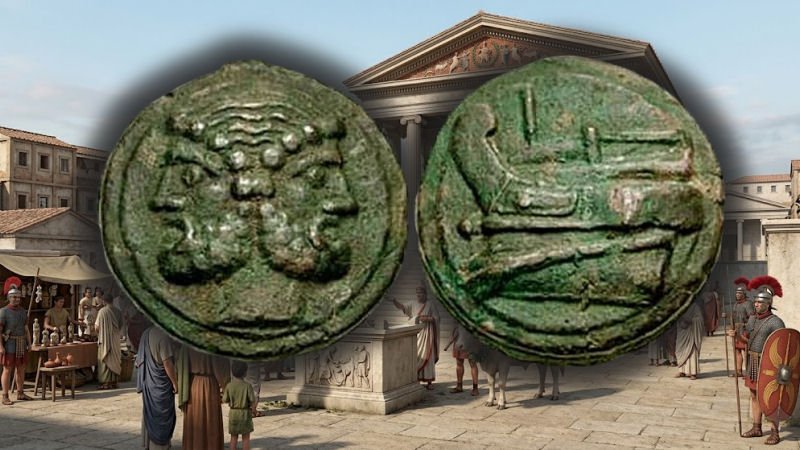
Roman coinage from the earliest times to the fall of the Roman Republic (450–31 BC)

In the area of the Latin cities, in the central part of the Apennine Peninsula, the city of Rome was founded (according to tradition in 753 BC). From the initial settlement on the Palatine, the city gradually developed and, after the abolition of the monarchy (around 510 BC), became a republican aristocratic state in which two high-ranking

Roman coinage from the earliest times to the fall of the Roman Republic (450–31 BC) Read more »

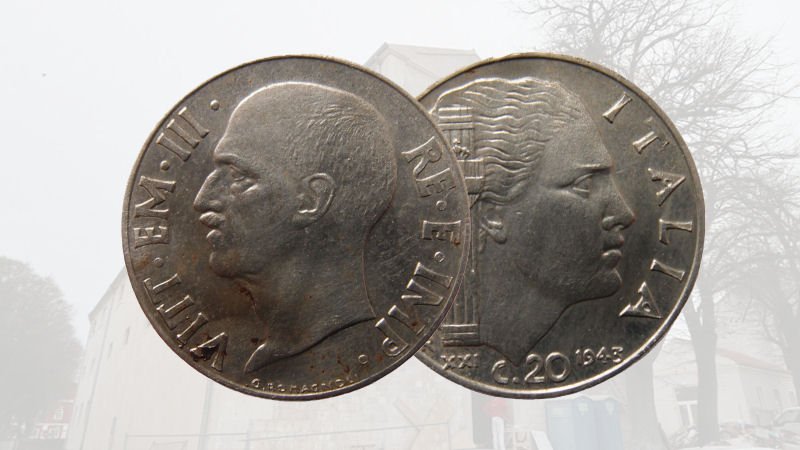
Coin of the Kingdom of Italy of 20 centesimi 1943 R – XXI found in the Church of St. Nicholas in Zadar

During archaeological research at the site of the former St. Nicholas monastery complex in Zadar from 2014 to 2016 (during Italian rule, it housed a military hospital and the „Tommaseo Gulli“ Royal Navy barracks), a specimen of the Kingdom of Italy coin from the 1943 R - XXI emission was found. I

Coin of the Kingdom of Italy of 20 centesimi 1943 R – XXI found in the Church of St. Nicholas in Zadar Read more »

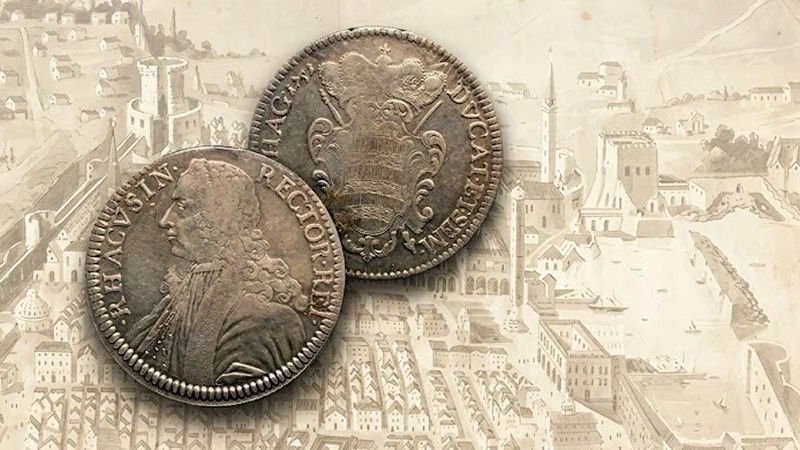
New Vizilin from 1751

The paper discusses the variants of the new vižlin from 1751, which is the first year of minting that type of coin. A total of nine coins are analyzed, six of them for the first time. It is not exactly known by which decision the Senate of the Republic of Dubrovnik decided to mint talers. The decision of May 14, 1725, states

New Vizilin from 1751 Read more »

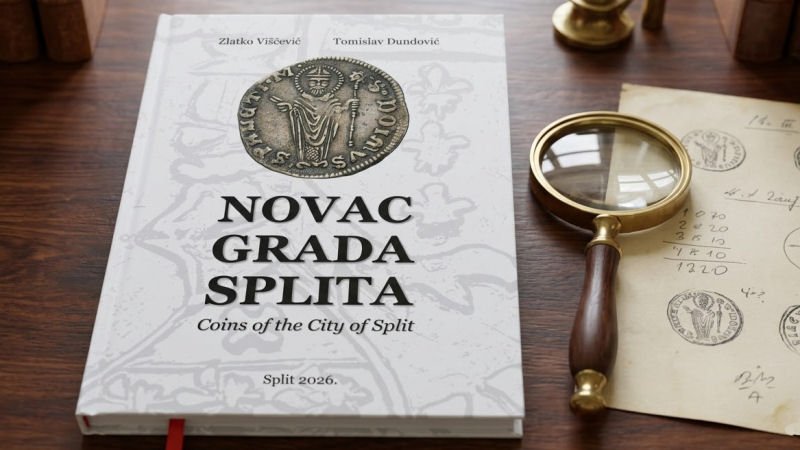
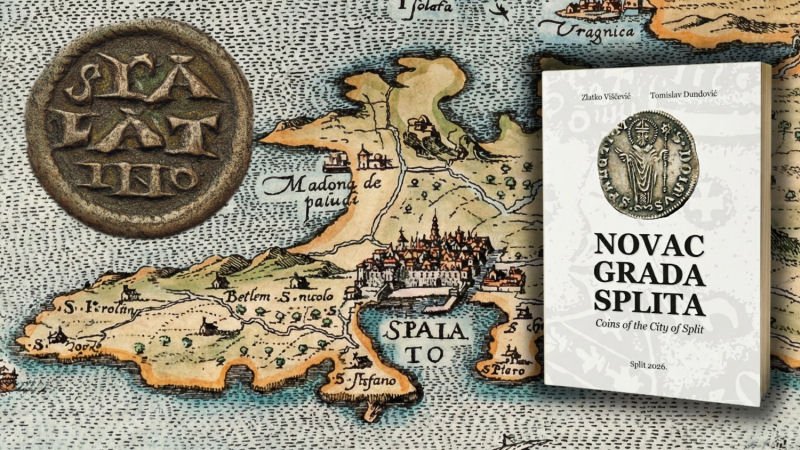
New numismatic catalog „Coins of the City of Split“ published“

Croatian numismatics is richer by another expert title. The long-awaited catalog „Money of the City of Split“, authored by Zlatko Viščević and Tomislav Dundović, has been published and is available for order from now on. This is the first independent numismatic book that systematically and in a modern way covers the Split communal

New numismatic catalog „Coins of the City of Split“ published“ Read more »

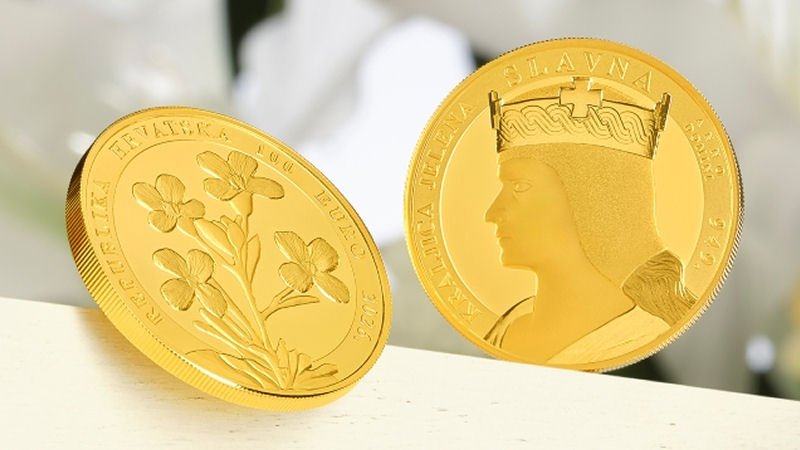
New numismatic issue in honor of Croatian Queen Jelena

The Croatian National Bank, in cooperation with the Croatian Mint, presents a new commemorative numismatic issue entitled „Queen Jelena the Glorious“, continuing the „Rulers“ series. This issue is dedicated to one of the most important women of the early Croatian Middle Ages, whose name has been preserved in rare, but extremely significant historical

New numismatic issue in honor of Croatian Queen Jelena Read more »

Scroll to Top