




Trump Dollar: The controversial release everyone wants
On the occasion of the 250th anniversary of the independence of the United States, the U.S. Mint has issued a one-dollar coin featuring the portrait of President Donald J. Trump. The choice of motif alone was enough to attract attention far beyond normal numismatic circles. Donald Trump is one of those political figures who rarely leave the public indifferent, and this almost inevitably carried over to the coin bearing his likeness.
For his opponents, Trump's portrait on American currency has become a new reason for criticism, especially since it features a sitting president. For his supporters, the same coin can represent a desirable item associated with the president they back, even if they are otherwise not into numismatics at all. Between these two groups are collectors for whom the political issue is less important than the fact that they are looking at a very unusual and historically interesting American issue.
That is precisely why Trump's coin is an excellent example of how the design on the coin itself can influence public interest, demand, and market dynamics.
Dollar for the 250th anniversary of the United States
The coin was issued as part of the commemoration of the American Semiquincentennial, marking 250 years since 1776 and the adoption of the Declaration of Independence. The U.S. Mint officially unveiled the final design in early August 2026, and the sale of rolls and bags containing the new dollars began on September 2. The issuance of the special 2026 dollar was authorized by the Circulating Collectible Coin Redesign Act of 2020.
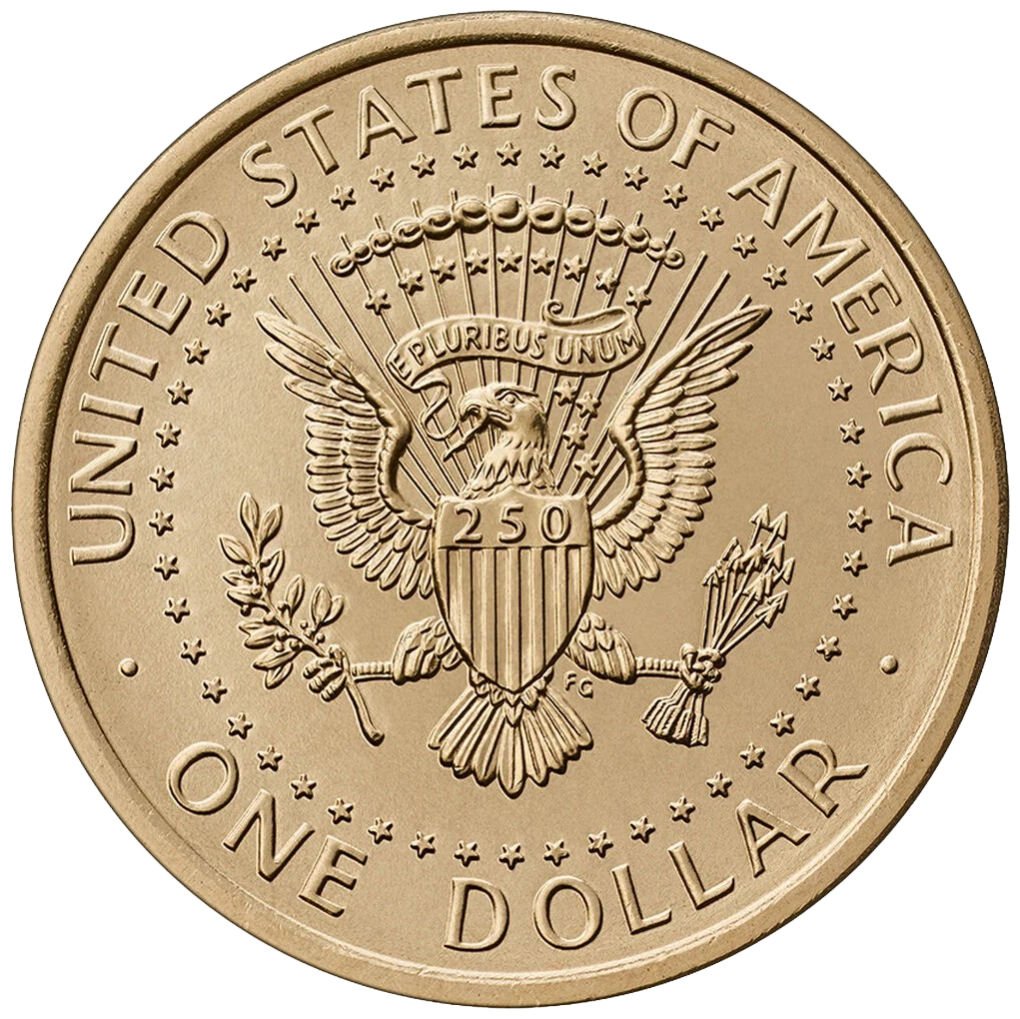
Well smoothie is the Presidential Seal of the United States featuring an eagle holding an olive branch in one talon and a bundle of arrows in the other. On the eagle's chest is a shield within which the number has been added 250, while above is a ribbon with the motto OUT OF MANY, ONE. There are inscriptions along the edge UNITED STATES OF AMERICA i ONE DOLLAR.
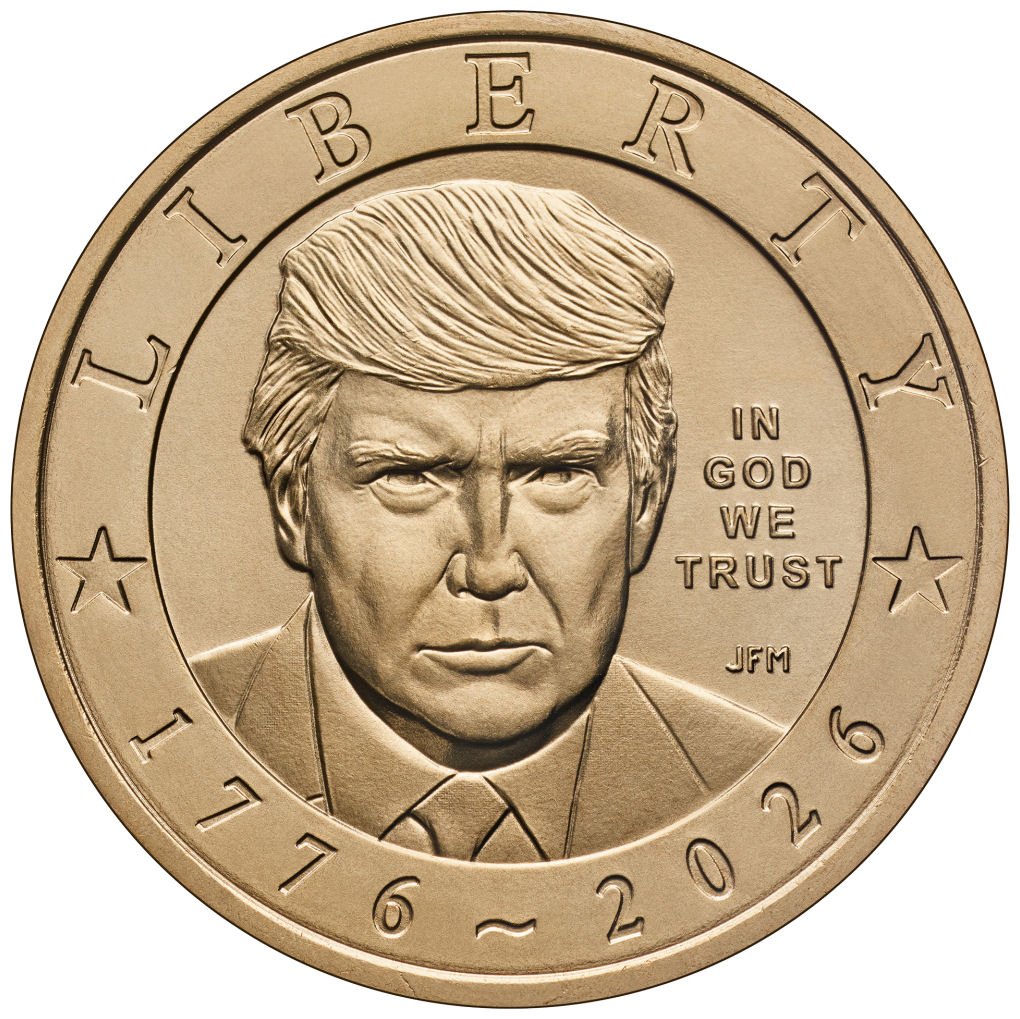
Well back is a frontal portrait of Donald J. Trump, surrounded by the inscription LIBERTY, while on the right side of the portrait is the American motto IN GOD WE TRUST. At the bottom is a double year 1776 ~ 2026, which directly connects the issue to the 250th anniversary of American independence.
The portrait was created by U.S. Mint Chief Engraver Joseph Menna, using as a template the official White House photograph by photographer Daniel Torok.
The controversy that went beyond numismatics
In the American numismatic tradition, depicting living politicians on currency is extremely unusual, which is why the discussion about the Trump dollar very quickly turned into a political issue as well.
Opponents of issuing the coin believed that the image of the current president should not be featured on U.S. currency, and some members of the U.S. Senate attempted to prevent such a practice. On the other hand, the Department of the Treasury took the stance that the law specifically governing the 250th anniversary dollar prohibits a portrait of a living person on the obverse, but does not impose the same prohibition on the reverse. Trump's portrait was therefore placed precisely on the reverse of the coin.
However, Trump is not the first US president to appear on a US coin during his lifetime.
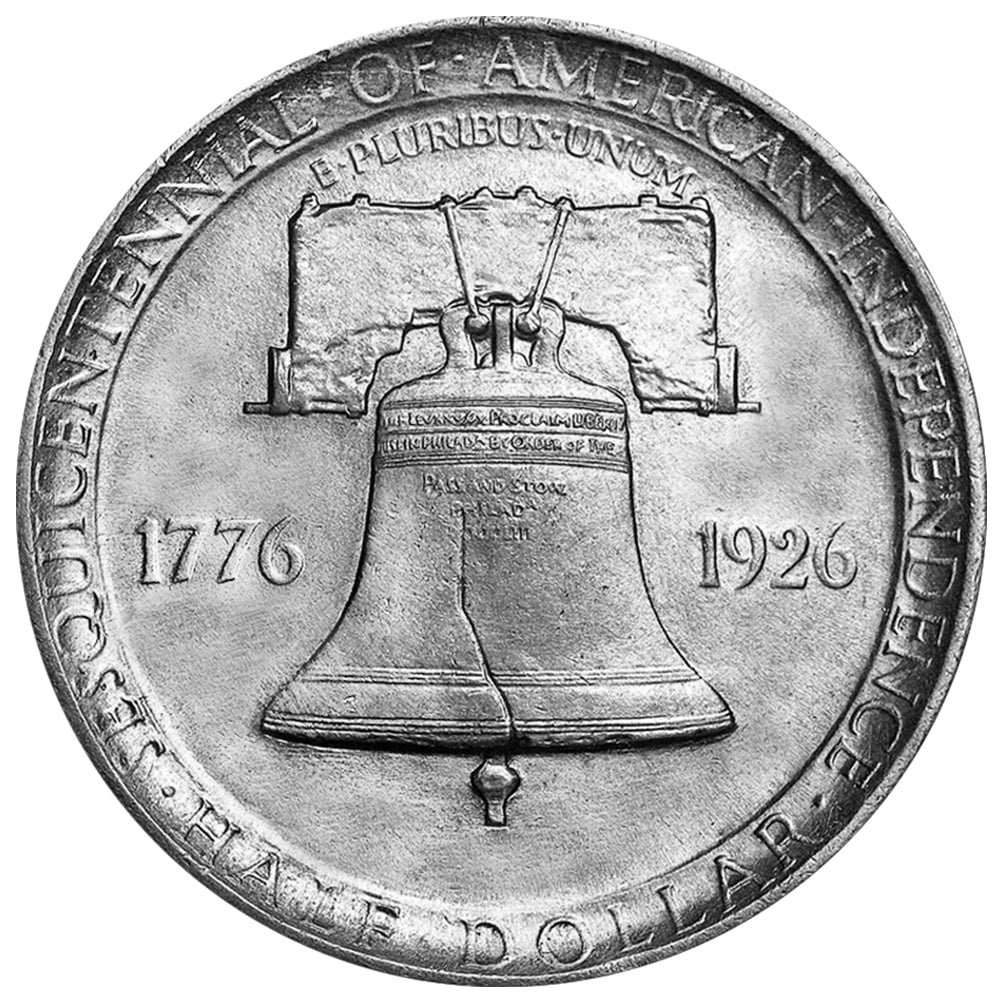
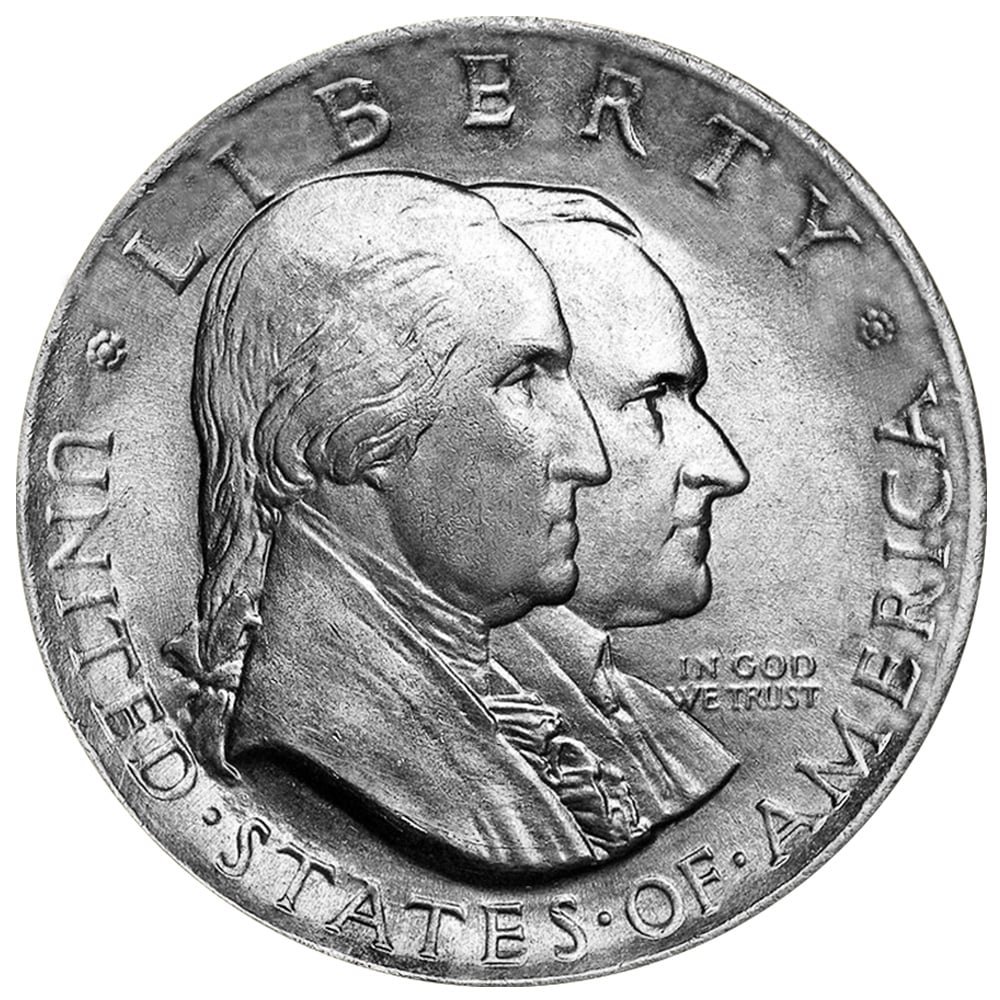
That happened exactly a century ago. The commemorative 1926 silver half dollar, issued for the 150th anniversary of American independence, features George Washington and the then-president Calvin Coolidge. The U.S. Mint states that this was precisely the first instance of an American president's portrait appearing on a coin during his lifetime.
The 2026 Trump dollar nevertheless represents a quite different case because it is a circulating-type one-dollar coin, although the pieces sold by the U.S. Mint to collectors were not released into regular circulation.
A coin that looks like it is in circulation, but actually goes to collectors
One of the more interesting aspects of the whole story is the status of the coin itself.
The Trump dollar is minted in circulation-quality and is completely legal tender with a face value of one US dollar. However, the specimens offered in U.S. Mint products have not been previously released into circulation, but rather distributed directly to collectors in original rolls and bags. In theory, their owner could spend them like a regular dollar, although from a collector's standpoint that would make very little sense.
The U.S. Mint offered two basic purchasing options: a roll of 25 coins priced at $61 USD and a bag of 100 coins priced at $154.50. The maximum product quantity was limited to 150,000 rolls and 50,000 bags.
And the market's reaction showed just how much the U.S. Mint hit the mark.
According to sales data published after the launch, 148,524 out of the planned 150,000 rolls and 49,604 out of 50,000 bags were purchased. The bags became unavailable in less than an hour, while the rolls lasted less than seven and a half hours. In other words, practically the entire available quantity disappeared on the very first day.
It is hard to imagine a better indicator of how the combination of politics, history, and numismatics can increase interest in a modern issue.
Special mint variant of July 4th
Another detail is of particular interest to collectors.
Correct 250,000 copies Trump dollars were minted on July 4, 2026, on American Independence Day. These specimens bear a special additional mark „July 4th” and they are randomly distributed among the coins in rolls and bags.
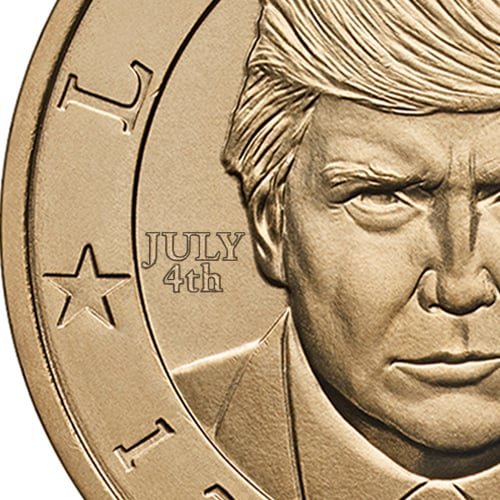
Thus, when purchasing an original roll or bag, the buyer did not know in advance whether a specimen with a special mark was among the coins.
Such a distribution method creates an additional collectible element of the hunt. The standard coin and the „July 4th” variant are nominally the same dollar, but their collectible availability is not equal. The very fact that the number of 250,000 specially marked specimens is known in advance gives that variant a separate place within the future typology of issues.
Technical data
Country: United States of America
Year: 2026.
Nominal: 1 dollar
Reason: 250th anniversary of American independence
Mint Philadelphia
Mint mark: None
Quality: discount rate
Composition: 88.5% copper, 6% zinc, 3.5% manganese, and 2% nickel
Table: 8.10 g
Diameter: 26.49 mm
Thickness: 2.00 mm
Municipality: smooth
Lice: Presidential Seal of the USA
Reverse: Donald J. Trump
Authors: Frank Gasparro (obverse) and Joseph Menna (reverse)
Special variant: „July 4th privy mark, 250,000 copies
Technical data correspond to the official U.S. Mint specifications.
When political motive becomes a numismatic driver
The Trump dollar is interesting precisely because its significance cannot be viewed solely through the metal, face value, mintage, or minting quality.
For some collectors, it is a new type of US dollar that belongs to the systematic collection of modern American numismatics. For others, it is interesting as an issue related to the 250th anniversary of the country. A third group will look only for the much rarer and more attractive variant with the „July 4th” mint mark.
However, there is also a huge group of people whose interest has almost nothing to do with classical numismatics. Some will buy it because they support Trump and want an item with his likeness, while others will view it precisely through the controversy it has caused. Because of this, the coin has become a subject of political debates, media articles, and conversations among people who otherwise almost never think about numismatics.
That is perhaps the most interesting lesson of the whole story.
Numismatic demand is not always driven by rarity, age, or precious metal. Sometimes a motif that triggers a strong emotional reaction is enough. The Trump dollar is one of the best modern examples of such a phenomenon.
Regardless of whether someone considers Donald Trump a good or bad president, a coin featuring his portrait has already achieved what most modern numismatic issues never manage to accomplish: it is being talked about by an audience that otherwise pays no attention to money at all.
Such attention is certainly useful for numismatics. It brings new people into contact with collecting, increases interest in U.S. Mint products, and shows that even in the 21st century, money is not just a medium of exchange. It remains a political symbol, a historical document, a collector's item, and, sometimes, the subject of very lively public debate.
Author: Zlatko Viščević with AI assistance
Photos: US Mint