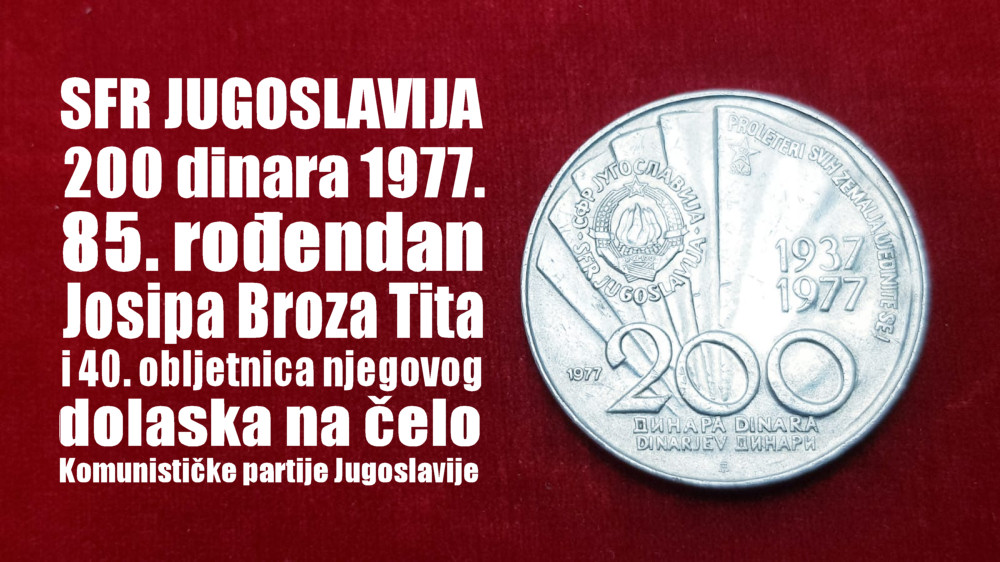




In early 2026, the global silver market could enter a new, significantly more volatile phase. Namely, China announced that from January 1, 2026. introduce mandatory state licenses for all silver exports. Although this decision seems technical at first glance, its consequences could be far-reaching – for the industry, investors, and collectors alike.

Silver is already rising sharply in price
The price of silver is already in a strong upward trend. Since May of this year, it has almost doubled, grew from approximately $38 to over $74 per ounce. The main reason is the growth in demand on the physical market, which is finding it increasingly difficult to keep up with industry needs.
The announcement of Chinese export restrictions comes at a time when the market is already strained, further heightening fears of shortages and new price spikes.
Industrial metal without replacement
Unlike gold, which is primarily used as a monetary and investment metal, silver has an exceptionally strong industrial role. It is crucial for:
- solar panels
- electric vehicles
- electronics and semiconductors
- medical equipment
- 5G infrastructure
Silver is the best electrical conductor among all metals, which makes it practically irreplaceable in many applications. Precisely for this reason, even minor supply disruptions can have a major impact on prices.

Chinese processing control
China does not only dominate mining production, but also global processing (refining) of silver. The introduction of export licenses means:
- stricter control of supply
- potential delivery delays
- additional pressure on prices
The consequences will be felt worldwide, particularly in the green energy and high-tech sectors.
What does that mean for numismatics and investors?
For numismatists and physical silver investors, this is an extremely important signal:
- growth of interest in silver coins and bars
- strengthening the role of silver as a hedge against inflation
- potential growth of premiums on physical silver relative to the exchange price
Historically, periods of limited supply often lead to increased interest in investment and numismatic specimens, especially those with limited mintages or historical value.
Long-term consequences
China's decision to restrict silver exports could mark the beginning of a new cycle in the precious metals market. While the industry warns of a more expensive energy transition, numismatists and investors are monitoring the developments with increasing attention.
One thing is certain: silver is reaffirming its dual role – industrial metal of the future and the monetary value of the past.
Source: Jesse Peltan, The Wall Street Journal
Edited: Zlatko Viščević
Photos: Numex – Coins, Banknotes & Militaria Store [www.numex.hr]