




Inflation

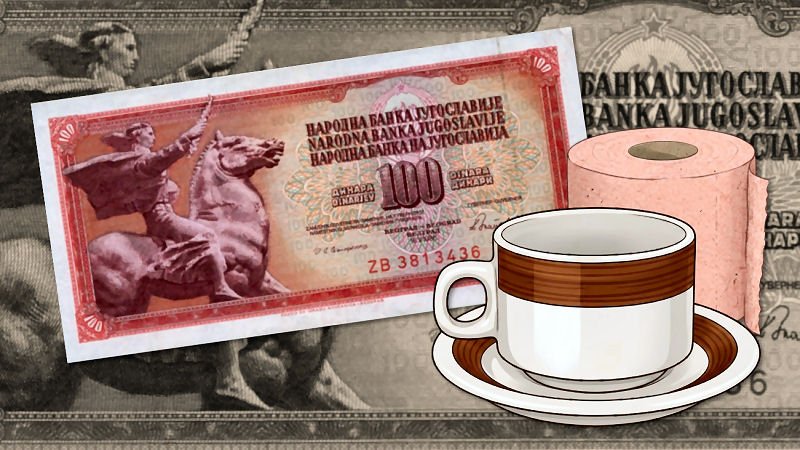
Prices from 40 years ago: A 100-dinar „Horse” – enough for a coffee and a roll of toilet paper, but not for a beer

We are once again witnessing inflation and the gradual loss of the value of money. Until recently, a 100 kuna banknote still represented „something,” while today 13 euros is almost „nothing.” It is not uncommon for a „round” of drinks at a café to cost that much. And a 100 euro banknote, which until recently was „something,” today
Prices from 40 years ago: A 100-dinar „Horse” – enough for a coffee and a roll of toilet paper, but not for a beer Read more »

Zimbabwe redesigned ZiG banknotes after just two years

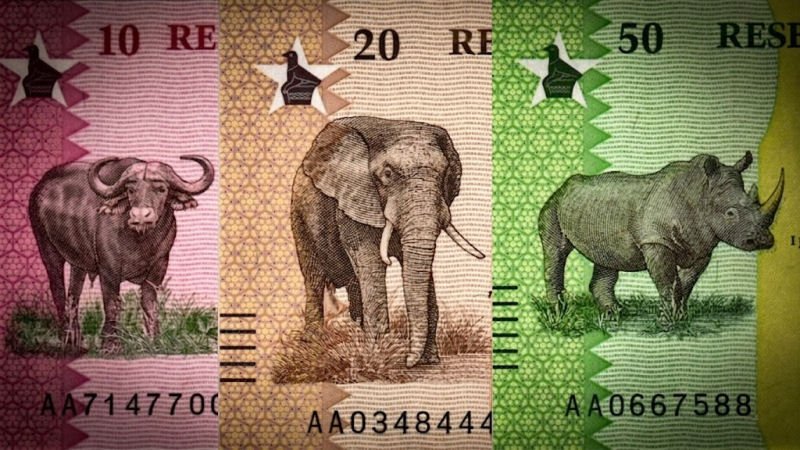
In 2026, Zimbabwe introduced a new series of ZiG banknotes featuring motifs of Africa's “big five” (buffalo, elephant, rhinoceros, leopard, and lion), which practically made the first series from 2024 a short-lived and numismatically interesting issue. The new release brings a different visual identity, improved security features, and another

Zimbabwe redesigned ZiG banknotes after just two years Read more »

Prices in numismatic catalogs – between benchmarks, manipulation, and the actual market state

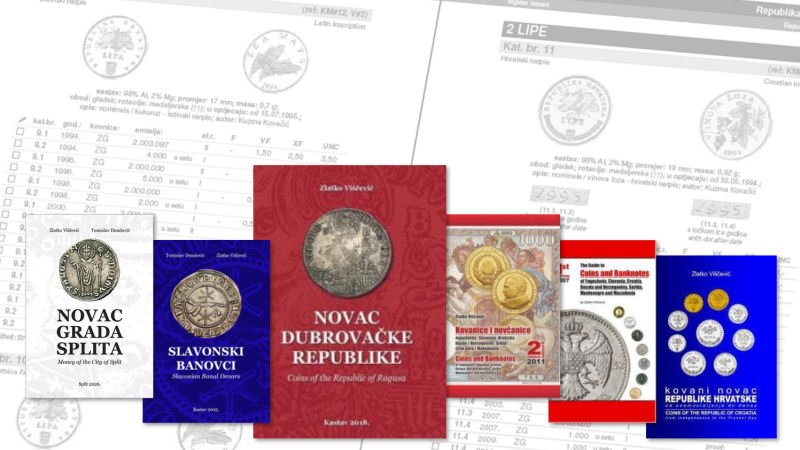
Numismatic catalogs have for decades represented one of the fundamental tools of numismatic collectors, dealers, and auctioneers. In addition to providing a systematic overview of issues, types, varieties, and technical characteristics of coins or banknotes, almost every catalog also contains estimated market values, i.e., „catalog prices.“ It is precisely these prices that often cause the most

Prices in numismatic catalogs – between benchmarks, manipulation, and the actual market state Read more »

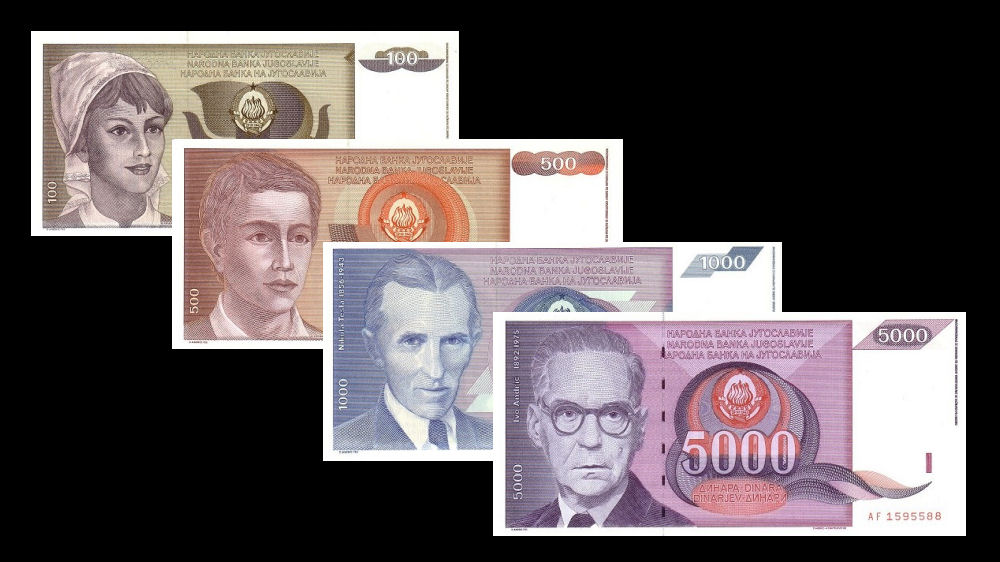
Exchange rate of the Yugoslav dinar 1945-1990.

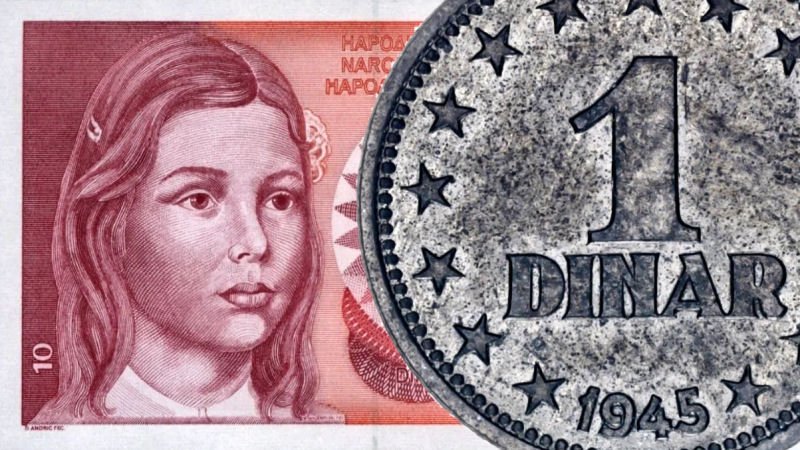
The history of the exchange rate of the Yugoslav dinar from the end of the Second World War to 1990 reflects profound changes in monetary policy, the economic system, and the country's international position. In a numismatic sense, understanding the exchange rate relations is crucial for the proper interpretation of the timing of the issuance of certain nominal values of banknotes and coins, especially

Exchange rate of the Yugoslav dinar 1945-1990. Read more »

China's silver export restrictions: What does it mean for the precious metals market and numismatics?

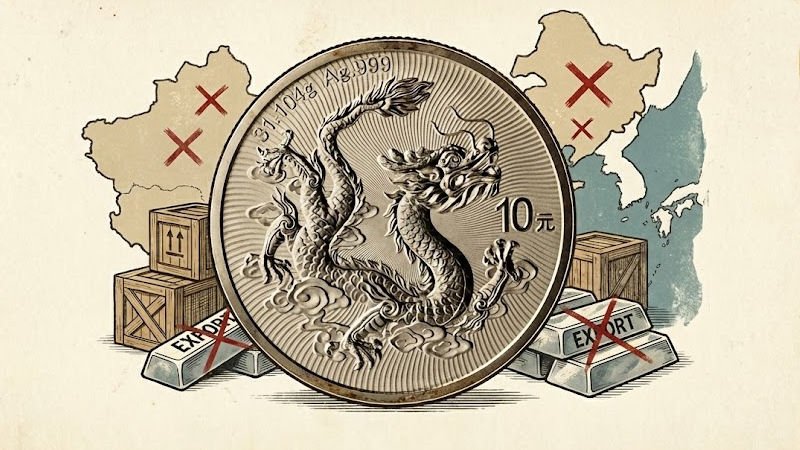
In early 2026, the global silver market could enter a new, significantly more volatile phase. Namely, China has announced that starting January 1, 2026, it will introduce mandatory state licenses for all silver exports. Although this decision seems technical at first glance, its consequences could

China's silver export restrictions: What does it mean for the precious metals market and numismatics? Read more »

Does the rise in precious metal prices harm numismatics?

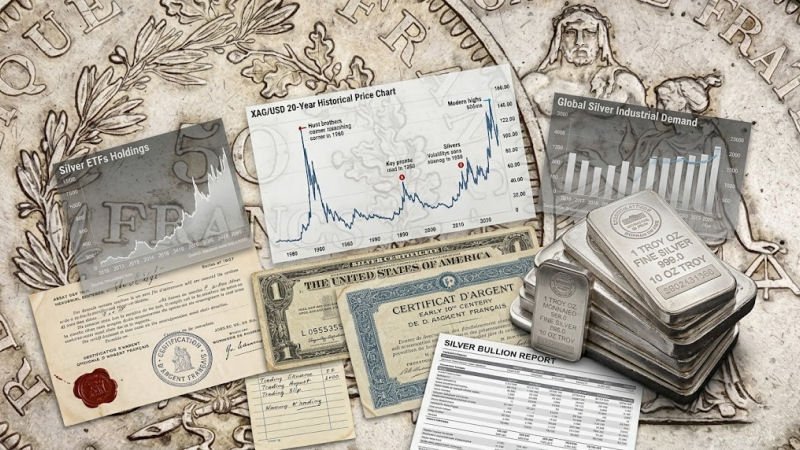
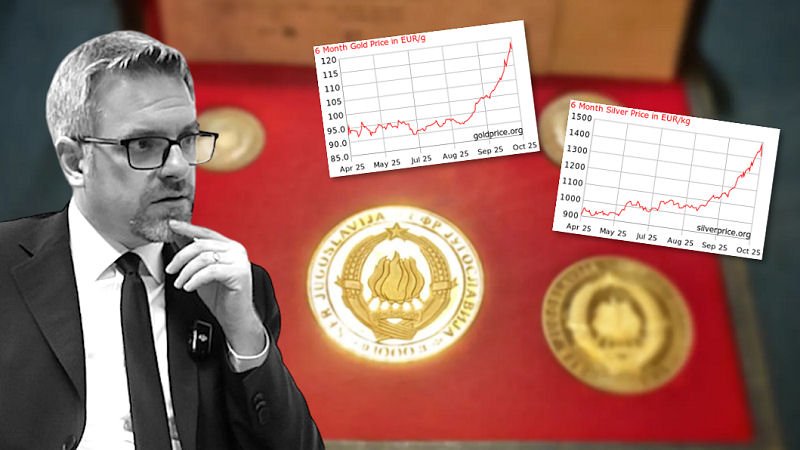
Precious metal prices have been „skyrocketing“ for some time. Gold and silver are breaking historical records, investors are rubbing their hands with satisfaction, but concern is growing among numismatists and collectors. The question arises for almost everyone: Does the rise in precious metal prices also benefit numismatists, or does it actually harm them by making it harder

Does the rise in precious metal prices harm numismatics? Read more »

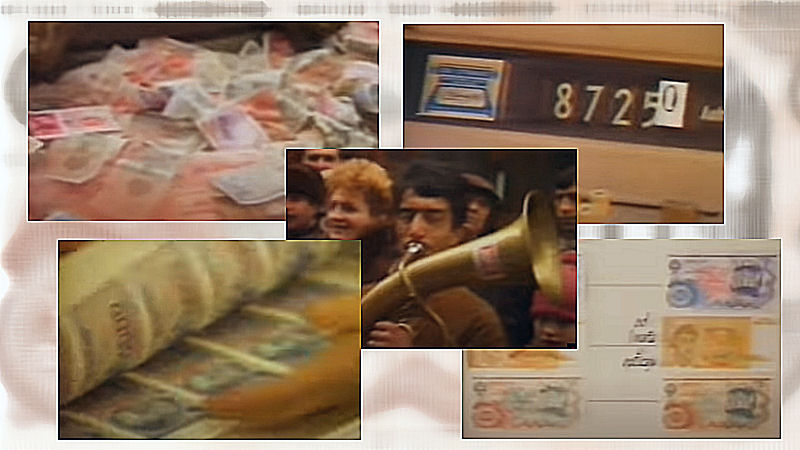
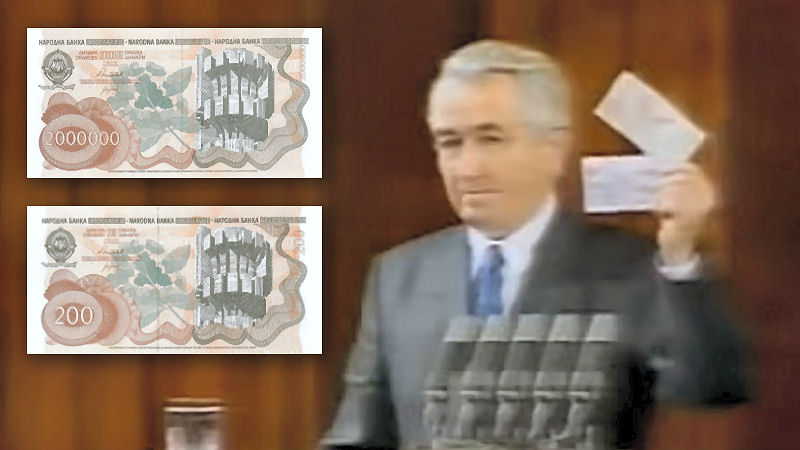
„Removing four zeros from the dinar, the introduction of convertibility, and the economic situation in Yugoslavia in 1990

This video vividly depicts what the economic and monetary situation was in Yugoslavia on the „eve of the war,“ in 1990. As part of its economic stabilization measures, the government of Prime Minister Ante Marković „shaved“ four zeros off the dinar and introduced its convertibility. According to the new exchange rate, it was

„Removing four zeros from the dinar, the introduction of convertibility, and the economic situation in Yugoslavia in 1990 Read more »

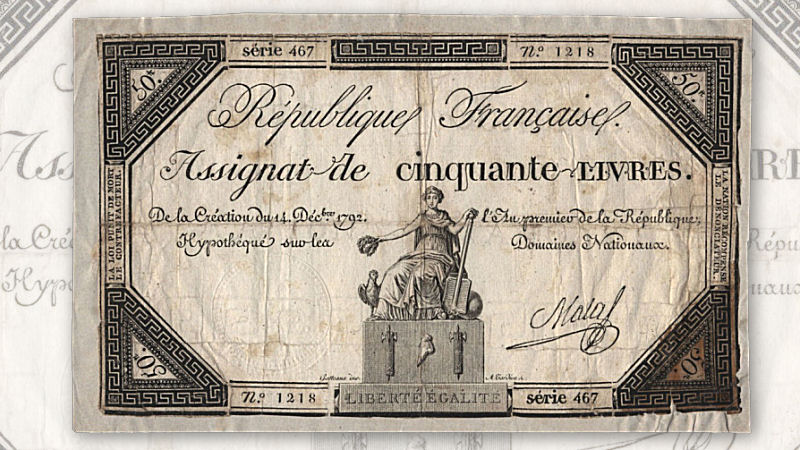
From the HRT Archive: Inflation and the Devaluation of the Dinar in Socialist Yugoslavia

Inflation, devaluation, and the general decline in the value of money have recently become current topics again. We can say that this phenomenon has shocked today's generations and they still cannot recover, wondering how something like this is possible? Especially in the 21st century and in

From the HRT Archive: Inflation and the Devaluation of the Dinar in Socialist Yugoslavia Read more »

Scroll to Top