



„Money is money, and paper is paper.”
— Thomas Paine
This simple sentence, written more than two centuries ago, sounds surprisingly relevant today. Paine wanted to say that gold and silver (as gold and silver coins) are limited by nature, meaning we cannot produce more of them than the gold and silver that exist in the earth. Paper, on the other hand, can be created almost without restriction.
That very difference is clearly visible on the silver market today.
What does the overall silver market look like?
The silver market is neither unified nor simple. It consists of several parallel layers:
- Physical market
- investment bars and coins
- industrial bars (1,000-ounce standard)
- jewelry and silverware
- industrial consumption (electronics, solar panels, medicine, etc.)
- Paper market
- futures contracts
- ETFs (exchange-traded funds)
- various financial derivatives that track the price of silver
Both systems function simultaneously. The price we monitor daily on the stock exchange is mostly formed in the „paper market,” while the actual physical goods move in the background.
What is physical and what is „paper” silver?
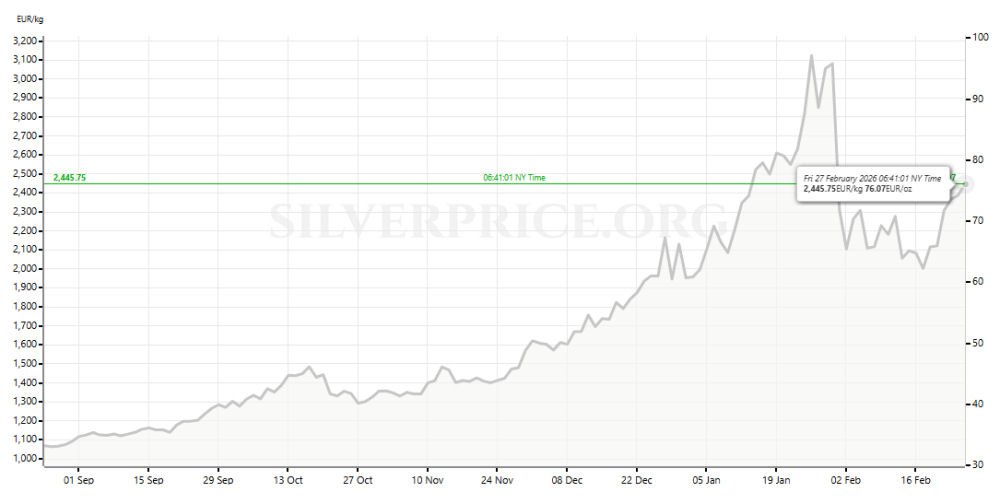
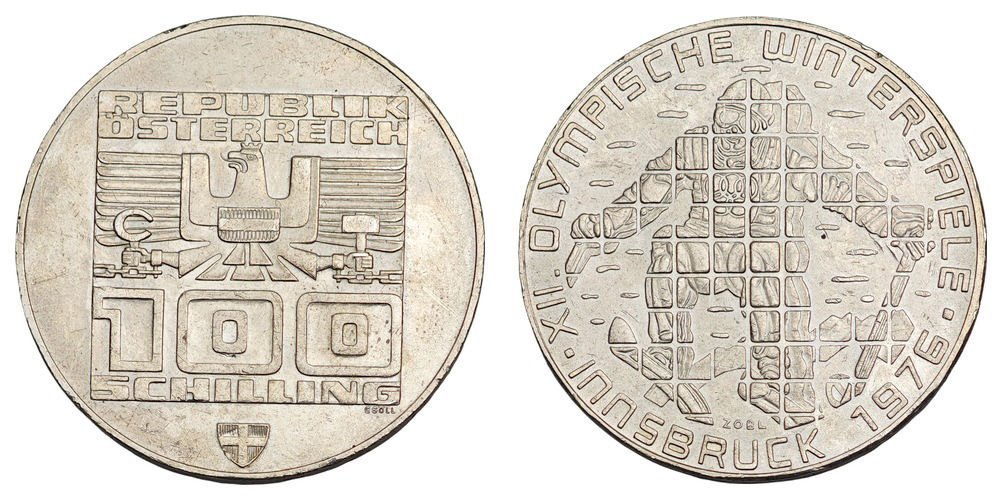
Physical silver is what you can hold in your hand:
- investment leverage
- Srebrnjak
- 1,000-ounce industrial bar
This is metal that has been mined, refined, shaped into a form, and physically exists in a warehouse, a vault, or in a numismatist's album.
Paper silver are financial contracts that represent the right to buy or sell silver in the future. The best-known form are futures contracts traded on exchanges such as COMEX.
With such contracts, the vast majority of traders never take physical delivery. The contracts are closed before maturity or are settled financially. We can freely say that silver is here only fictitiously and serves merely as „paper“ commodity that is traded, without any intention of ever physically possessing it.
Ratio problem: 356 „paper“ ounces to 1 actual „physical“ ounce of silver
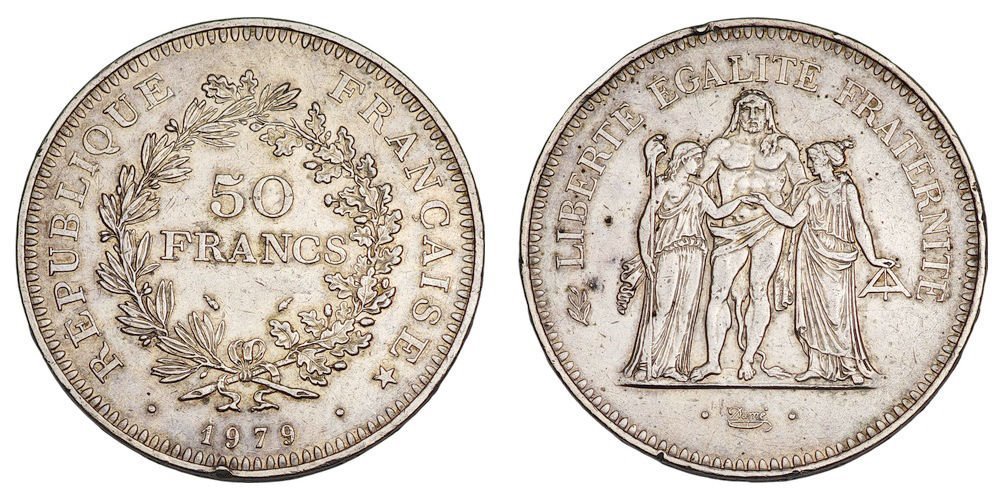
According to recent analyses, there are approximately on the market 356 paper ounces for every one physical ounce of silver (356:1).
This means that a huge number of investors hold contracts representing silver, but there is nowhere near enough physical metal if everyone were to request delivery at the same time. Therefore, the vast majority of silver traded on the markets is actually – virtual.
This kind of system works as long as the majority of participants do not demand physical silver. However, if there were a mass demand for delivery, a serious problem would arise—very similar to a bank run, when all depositors want to withdraw their money at the same time and there is not enough money for everyone.
Drop in inventories on COMEX
Particular attention is drawn to the drop in registered silver inventories on the COMEX exchange.
Inventories intended for delivery have fallen below 100 million ounces, which is both a psychologically and structurally important boundary.
This means that:
- physical silver is being withdrawn from the warehouses
- all available quantities are decreasing
- demand for real metal (in physical form) is growing
In other words, the gap between paper contracts and actual metal is becoming increasingly visible.
Mudra Asia is acting cautiously: Shanghai premium of USD 10
In Shanghai, the price of physical silver is currently around $10 higher per ounce trade in western markets.
Such a premium clearly shows that physical silver in Asia:
- searching
- harder to reach
- willing to pay more
This is where it comes to the fore in particular industrial demand. Industry uses standard 1,000-ounce bars—the very same ones that form the foundation of the futures market. When those bars become scarce, the paper market loses some of its stability.
Structural silver deficit
According to data from the Silver Institute:
- The market is in deficit five consecutive years
- the cumulative deficit over five years exceeds 800 million ounces
- Last year the deficit was about 95 million ounces
Simply put: Every year, more silver is consumed than is produced.
This means that:
- physical inventories are falling
- industrial demand is growing
- long-term deficits are accumulating
Silver cannot be „printed”. It can only be mined.
Monetary policy and the demand for „real” money
In conditions of persistent inflation and the expansion of the money supply, some investors are turning to precious metals as a form of value preservation.
Paine's thought is making sense again: gold and silver come from nature and are limited in quantity, while paper money and financial contracts can be created almost without limit.
When trust in paper weakens, demand for physical metal rises.

Can there be a „breaking point” in the market?
The current market is still functioning. Futures contracts are being settled, prices are being formed, and deliveries are being executed.
But signs of tension are visible:
- 356:1 is the ratio of paper to physical metal
- drop in inventory below 100 million ounces
- premiums on Asian markets
- multi-year structural deficit
If the trend continues, a point could be reached where paper contracts can no longer conceal the lack of physical silver.
In that scenario:
- Premiums would rise
- deliveries would be delayed
- the difference between the physical and exchange price would become permanent
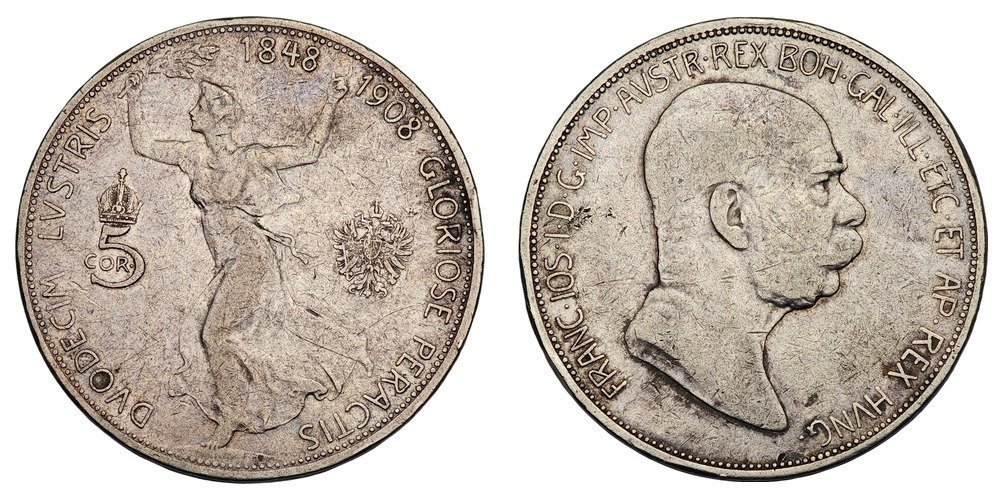
Parallel reality in the silver market
The silver market today is divided between two realities:
- paper promises
- limited physical offers
While paper can be created almost without limit, silver is limited by geology, mining capacity, and the time required for extraction.
If paper promises continue to multiply faster than silver can be mined, the market could approach a breaking point of no return.
And then the truth of the old thought will show itself once again:
Money is money, and paper is just paper.
Edited: Zlatko Viščević
Photos: Numex.hr i Goldprice.org