



Kingdom of SCS

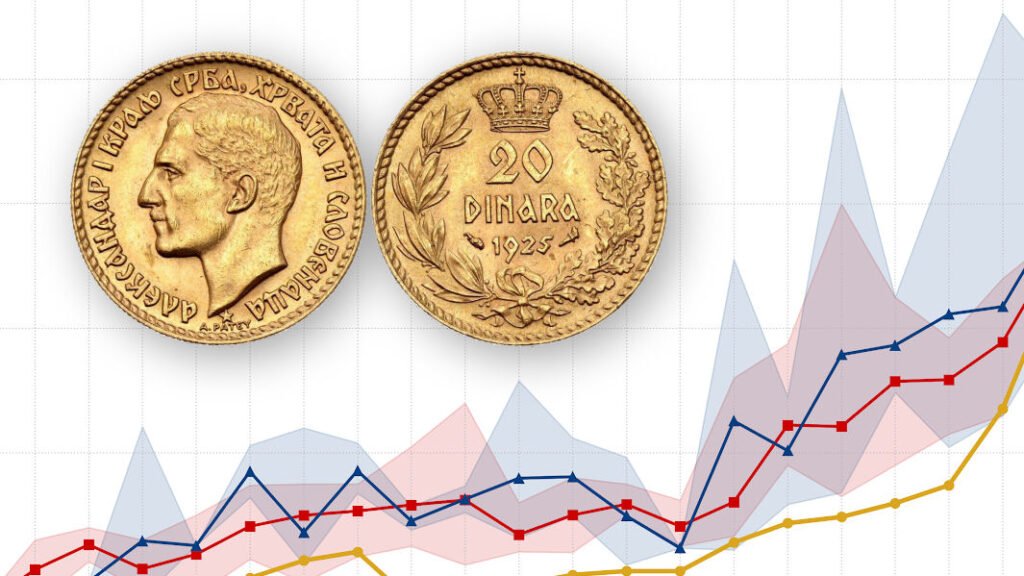
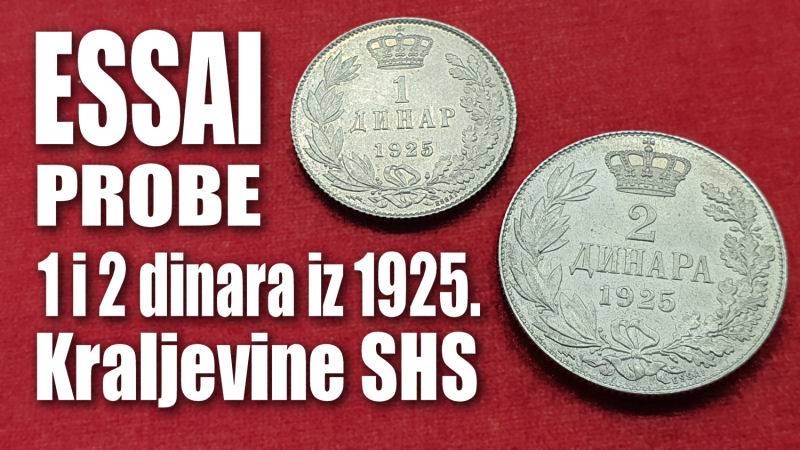
20 Dinar Gold Coin of the Kingdom of SCS from 1925: Analysis of Market Trends over the Last 25 Years

The 1925 20 dinar gold coin of the Kingdom of Serbs, Croats and Slovenes is one of the most famous and sought-after gold coins of the Yugoslav monetary system. It is a piece that for decades has held a special place among coin collectors of the Kingdom of SCS and the Kingdom of Yugoslavia, as well as among those who
20 Dinar Gold Coin of the Kingdom of SCS from 1925: Analysis of Market Trends over the Last 25 Years Read more »

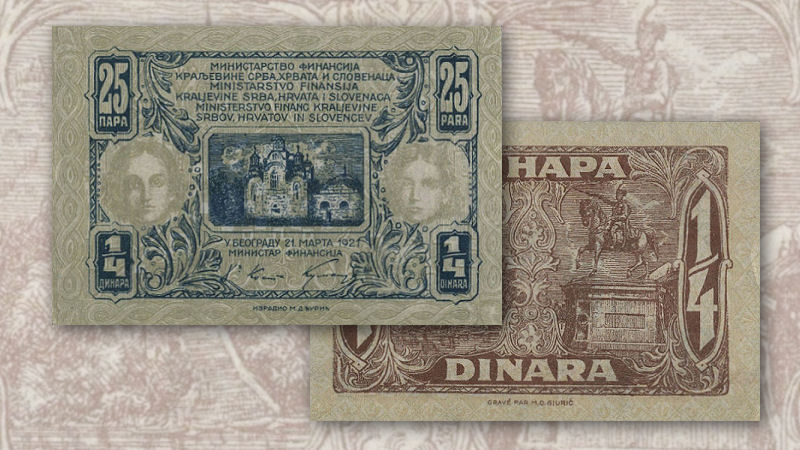
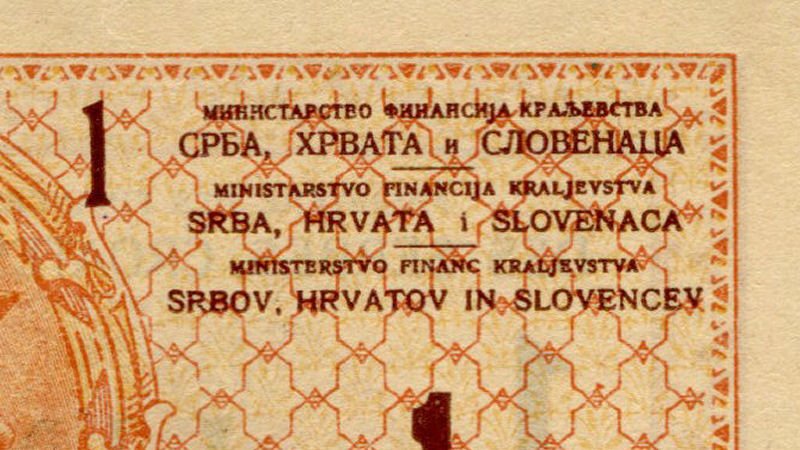
The smallest banknote of the Kingdom of Serbs, Croats and Slovenes: 25 paras from 1921.

Throughout the entire history of Yugoslav money, the 25 para banknote from 1921 represents the smallest paper money denomination ever issued by pre-war Yugoslavia (Kingdom of SCS). The amount of 25 para at that time was equal to a quarter of a dinar. The decision to produce this banknote was made on March 3, 1921.

The smallest banknote of the Kingdom of Serbs, Croats and Slovenes: 25 paras from 1921. Read more »

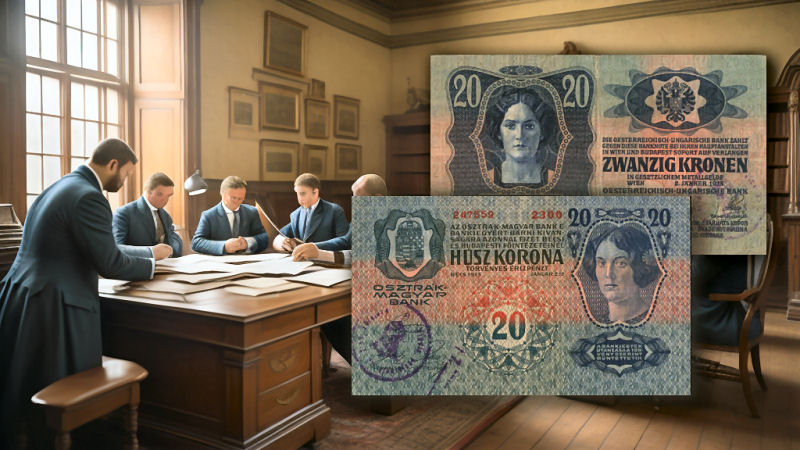
On the Nostrification of Austro-Hungarian Bank Banknotes in the Kingdom of Serbs, Croats and Slovenes

Following the breakup of the Austro-Hungarian Monarchy after October 29, 1918, the banknotes of the Austro-Hungarian Bank remained in circulation in the successor states, in the Kingdom of SCS some even until 1922. In January 1919, the Kingdom of SCS carried out the first nostrification of the found banknotes, prescribing the stamping only of those banknotes issued until

On the Nostrification of Austro-Hungarian Bank Banknotes in the Kingdom of Serbs, Croats and Slovenes Read more »

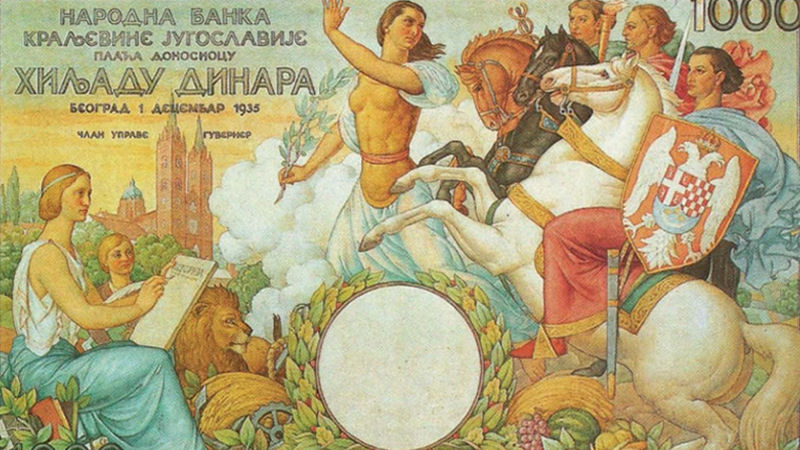
The Political and Ideological Background of the Design and Iconography of Banknotes of the Kingdom of Yugoslavia, 1929–1941

Banknotes of the National Bank of the Kingdom of Yugoslavia – wartime monetary reserves (banknotes “for the needs of national defense” and “for completely extraordinary needs”) The money of the Kingdom of Yugoslavia, 1929 – 1941, just like any other money in the past and today, sends many symbolic messages on multiple levels. By reading them

The Political and Ideological Background of the Design and Iconography of Banknotes of the Kingdom of Yugoslavia, 1929–1941 Read more »

Scroll to Top