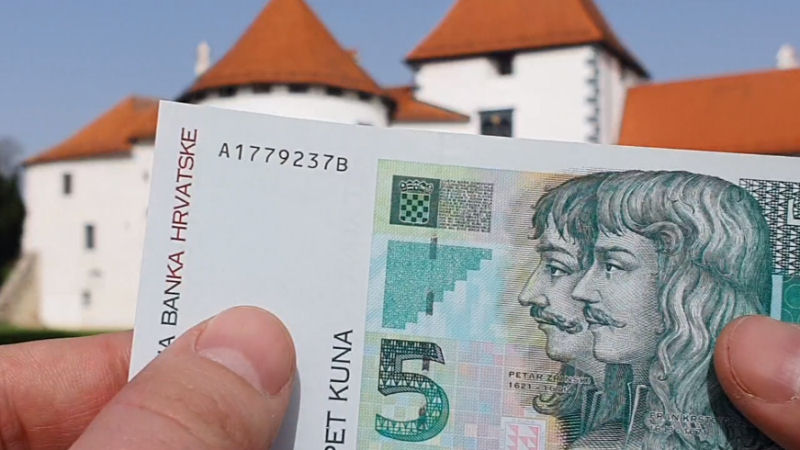




Kunas and lipas are still in circulation, but in a couple of months they will no longer exist. Because of this, numismatists and collectors throughout Croatia have started completing their collections of Croatian currency while they still can. Namely, some of those coins are rarer and as such are the subject of collector interest. In this article, we are talking precisely about those rarer coins of kunas and lipas that are harder to find in circulation, and which would certainly be good to save for the future.
The departure of the kuna and the arrival of the euro

As is already well known to everyone, starting from January 1, 2023, Croatia is introducing the euro as the legal tender in its territory. Kunas and lipas will be used as a means of payment for two more weeks after that, and then they will go down in history and will no longer exist.
Kuna and lipa coins that are not withdrawn from circulation in January 2023 can be exchanged at the Croatian National Bank for euros within 3 years of the introduction of the euro. Therefore, the deadline is January 1, 2026, and after that deadline expires, it will no longer be possible.
Types of kuna and lipa coins
Kuna and lipa have been with us since 1994. To be precise, they were put into circulation on May 30, 1994, and replaced the previous Croatian dinar. Although put into circulation in 1994, those first kuna and lipa coins and banknotes bore the year 1993.
The denomination structure of kuna and lipa consists of coins of: 1, 2, 5, 10, 20, and 50 lipa, and 1, 2, 5, and 25 kuna. For denominations from 1 lipa to 5 kuna, there are two main types of coins:
• with Croatian inscriptions on the reverse, which were issued in odd-numbered years and
• with Latin inscriptions on the reverse, which were issued in even years.
Years in kuna and lipa
On the kuna and lipa coins, the year of issue is shown on the reverse, below the main motif. Coins from 5 lipa to 5 kuna were issued and put into circulation every year, but for the 1 and 2 lipa coins, there are certain gaps. Those from certain years were not put into circulation, but were only produced for coin sets in very small quantities.
In certain years, commemorative coins ranging from 1 lipa to 5 kuna dedicated to various events and anniversaries were also issued. The 25 kuna coins first appeared in 1997 and have been issued intermittently from then until today. In some years they were issued, and in some they were not.
Population of martens and linden trees
As already stated, the first year on kuna and lipa coins was 1993, and the last was 2022. Therefore, this represents a period of as many as 29 years during which kuna and lipa coins were issued, which also means 30 different years of issue shown on the coins.
When we also take into account the wide denomination structure of 9 denominations, and add commemorative issues and 25-kuna coins to that, we arrive at a large number of coins that can be collected to form a complete collection of circulating currency of the Republic of Croatia.
Such a large number of coins makes the kuna and lipa suitable for collecting and interesting to collectors.
Increased interest in kunas and lipas
Kunas and lipas are still in circulation at this moment (we are now in August 2022), but collectors and numismatists are slowly realizing that they will soon be leaving. Because of this, interest in kunas and lipas is growing, along with the desire of collectors to complete their collections while kunas and lipas are still here.
To complete such a collection, it is necessary to gather all kuna and lipa coins, specifically all the years they were issued. That is the wish and goal of every collector.
Common and leap years
Every year, a certain quantity of coins of each denomination is minted and put into circulation, in accordance with circulation needs. These quantities vary from year to year and are not the same every year. One year a large quantity of a certain denomination is minted, and the next year a much smaller one. Because of this, for certain denominations, some mint years are more common while others are rarer.
In this article, we discuss which years for which denominations are rarer and harder to find in circulation. Such years are always interesting for collectors because they usually lack them in their collections. Among the rarer years, some are found more easily, and some quite with difficulty.
Key years
When it comes to a mintage year that is much rarer compared to other years, we are talking about the so-called “key date.” These are coins from specific years that are generally the hardest to find and are the “key” to completing a collection. That is why they are called “key dates.” Such coins are always the most sought-after among collectors, and therefore their market price is higher compared to other coins that are found more easily and frequently.
The ratio of odd and even years in kuna and lipa coins
When we talk about kuna and lipa coins, it can generally be said that odd years are.
That can be taken as a general rule, however, each denomination of kuna and lipa has its own specific characteristics, which we present below.
1 lipa coins

We are starting with 1 lipa coins, specifically with odd years. Therefore, coins with Croatian inscriptions. The highest number of 1 lipa coins of this type is from the year 1993, with as many as 57,834,000 pieces minted. The lowest number was minted in 2021, with only 6,000 pieces. 1 lipa coins from the years 2011 and 2013 were not even put into circulation, but were issued only in sets, meaning complete sets. Thus, it is impossible to find them in circulation.
Although 1 lipa coins are rarely or never seen in circulation, it is still possible to find them somehow. The odd-numbered years can mostly be completed, but you should definitely pay attention to two years: 2019 and 2021. The 1 lipa coins from 2019, although officially minted in a quantity of 15,000,000 pieces, were released into circulation in a very small quantity, making these coins very difficult to find. If you find them, be sure to keep them. Only 6,000 pieces of the 2021 ones were minted, which is an extremely small quantity. Therefore, these coins can be considered rare when compared to other circulating kuna and lipa coins.

1 lipa coins with the Latin inscription, specifically those with even years, are generally somewhat rarer than those with odd years. In most cases, they were issued in editions of 2 million pieces per year, which is a significantly smaller mintage compared to the coins with odd years. The largest number of them was issued in 2002, with 3 million, while in 2010, 2012, 2014, 2016, and 2018 they were not released into circulation at all. The 1 lipa coins from those years exist only in sets, or coin sets. Among these coins, the year 1996 certainly stands out as it is harder to find compared to other years.

When it comes to the 1-lipa coin, there is also a commemorative edition – FAO – and it was minted in one million copies. Compared to other commemorative editions, this coin is found more often, but it is still good to keep if you stumble upon it.
2 lipa coins

2 lipa coins are poorly represented in circulation, just like 1 lipa coins. For those with the Croatian inscription, i.e., coins from odd years, we can see that the highest number was minted in 1993, with as many as 17,958,962 pieces, and the lowest in 2021, with only 4,000 pieces. Coins from the years 2011 and 2013 were not even put into circulation, but were issued only in sets. Just like with the 1 lipa coins, the situation is the same here – two years stand out: 2019 and 2021. Although officially minted in a quantity of 13,000,000 pieces, 2 lipa coins from 2019 were put into circulation in a very small quantity, making these coins hard to find. If you find them, be sure to keep them. In 2021, only 4,000 pieces were minted, which is an extremely small quantity. Therefore, these coins can be considered rare when compared to other circulating kuna and lipa coins. Along with the 1 lipa coins from this year, these 2 lipa coins could pose the biggest problem for collectors in the future when trying to complete their collections.

2 lipa coins with the Latin inscription, specifically those with even years, are somewhat rarer than those with odd years. In most cases, they were issued in editions of 2 million copies per year. The highest number was issued in 1996 with 2,006,000 copies, while in 2010, 2012, 2014, 2016, and 2018, they were not put into circulation at all. The 2 lipa coins with these years exist only in sets, i.e., numismatic sets. Among these coins, two years are definitely harder to find and should be singled out: 1996 (which is a bit unusual) and 2000.

The 2-lipa coins also have a commemorative edition – the Atlanta Olympic Games. It was minted in one million copies, but it is a bit harder to find. So it is a good idea to keep this coin if you find it.
5 lipa coins

The 5 lipa coins are somewhat better represented in circulation compared to the two smaller denominations. Among those with the Croatian inscription, i.e., coins from odd-numbered years, we can see that the highest number was issued in 2015, as many as 70,000,000 pieces, and the lowest in 2021, with 2 million pieces. Generally, these coins are not difficult to find, so collectors very quickly fill their collections with the years they are missing. However, with 5 lipa coins, there is always a problem – quality, i.e., preservation. These coins are plated with brass and as such oxidize very quickly and unattractively, making it a bit more difficult to find them in perfectly preserved condition, especially older years.

As is the case with other coins, the 5 lipa coins with Latin inscriptions, i.e., from even-numbered years, are somewhat rarer. Their mintages generally range around 2 million pieces, while in 2000, 4 and a half million were struck, and in 2002, 3 and a half million pieces. Among these coins, the years that are harder to find should be singled out, which are: 1994, 1996, 2004, and 2022. These older years are particularly difficult to find in mint condition, and even slightly better quality is harder to find. They are mostly found in medium grades of preservation. Due to the nature of the material, these coins very quickly lose their initial luster.

5 lipa coins also have a commemorative edition – the Atlanta Olympic Games. It was minted in 900,000 copies and is harder to find. If you find such a specimen, keep it. Especially if it is well preserved.
10 lipa coins

The 10-lipa coin with the Croatian inscription, i.e., from odd-numbered years, is very abundant in circulation. The highest number of them was issued in 1993 – 63,689,778 pieces, and the lowest in 2021 – 13,845,000 pieces. These coins are easy to find; the only problem is finding older years in good quality. As things stand now, it is hard to find the year 2019, even though 43,485,000 pieces of these coins were officially minted. There is a possibility that out of that quantity, a very small number was put into circulation.

10 lipa coins with Latin inscriptions, i.e., from even years, are somewhat rarer. Their mintages generally hover around 2 million pieces, while 3 million pieces were struck in 2000. Among these coins, the harder-to-find years should be singled out, which are: 1994, 1996, and 1998. These older vintages are difficult to find in pristine condition. If you find them, keep them.

The 10-lipa coins also have a commemorative edition – the United Nations. It was minted in 900,000 copies and is harder to find. If you find such a specimen, keep it. Especially if it is well-preserved.
20 lipa coins

20 lipa coins are common in circulation and there are plenty of them, especially those with Croatian inscriptions and odd years. The highest number of them was issued in 2015 – 60,500,000 pieces, and the lowest in 1997 – 9,999,000 pieces. These coins are easy to find and, due to their alloy, are generally well preserved.

20-lipa coins with Latin inscriptions, meaning from even years, are somewhat rarer. Their mintage mostly hovers around 2 million pieces, with the highest number minted in 1994 at 2,072,862 pieces. Among these coins, the years that are harder to find should be noted: 2002 and 2016. There is a possibility that smaller quantities than the official figures were put into circulation.

As for the 20 lipa coins, there is also a commemorative edition – FAO. It was minted in one million copies. Compared to other commemorative editions, this coin is found more often. However, if you come across it, definitely save it.
50 lipa coins

50 lipa coins with Croatian inscriptions and odd years are generally well represented in circulation. A relatively large number of them were minted, the most in 1993 with 51,465,267 pieces, and the least in 1999 with one million pieces. Common years are easily found, and due to their alloy, the coins are generally well preserved. The years 1997, 1999, and 2021 are harder to find, so it is a good idea to keep them.

50-lipa coins with Latin inscriptions, i.e., from even years, are somewhat rarer. Their mintages generally hover around 2 million pieces, with the highest number minted in 2000 at 3.5 million. Among these coins, the year 1994 stands out as more difficult to find. Additionally, some of these 1994 coins have a reverse rotated relative to the obverse, so it is good to pay attention to that as well.

Among the 50 lipa coins, there is also a commemorative edition – the European Football Championship. It was minted in 900,000 copies and is somewhat easier to find compared to other commemorative editions. Still, if you find such a specimen, it wouldn't hurt to keep it.
1 kuna coins

1 kuna coins, as basic monetary units, are present in circulation in large numbers. Especially those with Croatian inscriptions and odd years. Many of them were minted, most in 2017 – 68,000,000 pieces, and the fewest in 2003 and 2021 – one million pieces each. Common years are easy to find, and the alloy is such that it wears out relatively quickly, making it difficult to find older years in perfect condition. The year 2003 is harder to find, and 2021 is somewhat easier to find. Although some people still have trouble with that year as well.

1 kuna coins with Latin inscriptions, i.e., from even years, are somewhat rarer. Their mintages generally hover around 2 million pieces, with the lowest number minted in 2002 at only one million pieces. Among 1 kuna coins, two years are particularly difficult to find and are worth noting: 2000 and 2002.


Among the 1-kuna coins, there are also several commemorative editions:
• Atlanta Olympic Games – with a mintage of one million pieces, then
• 5th anniversary of the kuna – with an emission of 7 million copies, and then
• 10th anniversary of the kuna – with an emission of 4 million and finally
• 20th anniversary of the kuna – with an issue of 5 million copies.
The Atlanta Olympic Games are somewhat easier to find compared to commemorative editions of other denominations. Still, that specimen is worth keeping. Commemorative editions for the anniversaries of the kuna are generally frequent and easy to find.
2 kuna coins

2 kuna coins are well represented in circulation. Most of them, of course, are those with Croatian inscriptions and odd years. The highest number of them was minted in 2017—55,605,000 pieces, and the lowest in 1997—1,305,000 pieces. The common years are quite easy to find, and the alloy is the same as for the 1 kuna coin—such that it wears out relatively quickly, so it is difficult to find older years in mint condition. The year 1997 is harder to find, and there is also 2021, which seems difficult to come by, at least now in August 2022. In any case, it is worth saving these coins if you come across them.

2 Kuna coins with Latin inscriptions, i.e., from even years, are, as is the case with other denominations, scarcer. Their mintages generally hover around the standard 2 million copies, with the lowest mintage in 2002 at one million copies. Among the 2 Kuna coins from even years, the year 2002 stands out as it is somewhat harder to find.

Among the 2-kuna coins, there is also a commemorative edition – FAO. It was minted in 500,000 copies. Despite the small mintage, this coin is found more often when we compare it to other commemorative editions of other denominations. It is a bit harder to find perfectly preserved specimens.
5 kuna coins

5 kuna coins are relatively well represented in circulation, especially those with Croatian inscriptions and odd years. The highest number of them was minted in 2017—31,983,500 pieces, and the least in 2005—one million pieces. Common years are quite easy to find, and the alloy is the same as for 1 and 2 kuna coins—such that it wears out relatively quickly, so it is difficult to find older years in perfect condition. The year 1997 is harder to find, and there is also 2021, which currently seems difficult to come by, at least according to the state of affairs in August 2022. If you come across 1997 and 2021, be sure to keep them.

5-kuna coins with Latin inscriptions, i.e., from even years, are, as is the case with other denominations, somewhat rarer. Their mintages generally hover around the standard 2 million copies, with three exceptions. In 2000, as many as 7,700,000 copies were minted, while in 2004 one million were minted, and in 2006 only 500,000 copies. Among the 5-kuna coins with even years, the hardest one to find is 2006. Therefore, you should keep it if it comes into your hands.

Among the 5-kuna coins, there is also a commemorative edition dedicated to the Senj Glagolitic Missal. It was minted in one million copies and is relatively easy to find. This is probably due to the coin's design, which significantly differs from other 5-kuna coins, making it easily noticeable. As with the 1- and 2-kuna coins, it is a bit harder to find perfectly preserved specimens.
25 kuna coins
25-kuna coins, although well-conceived, did not really catch on in circulation. However, they thrilled collectors and numismatists who eagerly collect them. They only began to be issued in 1997, and the first 6 editions had a mintage of 300,000 pieces each. These are:
• Croatian Danube region
• Admission of the Republic of Croatia to the UN
• First Congress of Croatian Esperantists
• EXPO Lisbon
• Introduction of the euro
• Milenij.
The 2002 edition, the anniversary of international recognition, was minted in 200,000 copies, followed by editions with significantly smaller mintages:
• Croatia candidate for EU membership – 30,000.
• European Bank for Reconstruction and Development, Treaty of Accession of the Republic of Croatia to the EU, Republic of Croatia as an EU member – 20,000 each.
• 25th anniversary of independence, slightly more – 50,000 copies.
• 25th anniversary of UN membership, as well as the University of Zagreb – even less – 20,000.
• 25th anniversary of the kuna and the Croatian presidency of the EU Council – 30,000.
• Community of Technical Culture and International Children's Day – 50,000 each and concluded
• Pelješac Bridge – 30,000 copies.

These coins were mostly snapped up by collectors, so the numismatic market is well-supplied with them. It is a bit harder to find the 2010 and 2017 issues, but in principle they are available in the regular offer at somewhat higher prices than usual. The only 25-kuna coin that makes completing the collection difficult is the one from 2022, the Pelješac Bridge, for which there is high demand even outside of numismatic circles. But that is a special story in its own right, which requires a separate article.
Saving kuna and lipa coins for the future
Until now, a segment of collectors hasn't paid too much attention to kuna and lipa coins because they were there, generally accessible, so not much effort was required regarding them. However, as the kuna and lipa depart and the euro arrives (according to some, too quickly), a slight increase in demand for kuna and lipa coins from certain years is being felt.
Everyone knows that the end of 2022 will come very quickly and that the withdrawal of kunas and lipas from circulation will begin. After the introduction of the euro and a few years after that, people will feel nostalgia for kunas and lipas and will start looking for them, all in order to put together a collection “for the soul”. But kunas and lipas will no longer exist. At least not in abundance.
Nostalgia could be amplified if the introduction of the euro is accompanied by significant price hikes (as was already the case in other countries), and then Croatians will also join the nations in the eurozone that yearn for their old national currencies: marks, lire, shillings, francs...
Since kunas and lipas are still available, these rarer years are not particularly expensive. However, that is the current state of affairs. Once a few years pass after the introduction of the euro, and especially 5-10 years, the situation will look vastly different. A psychological factor is often present in numismatics: when there is plenty of something – no one wants it, when there is none – everyone wants it. It will be the same in this case. True collector interest in kunas and lipas will emerge only after we have been using the euro for a few years and when nostalgia for the „good old“ kunas and lipas kicks in among people.
Condition and value
It is best to keep the best-preserved specimens, because the better the preservation, the more the coin is worth. The most valuable are perfectly preserved specimens, i.e., those that have never been in circulation. They have no traces of handling on them, not even fingerprints.
The preservation state of coins is judged by their relief, so it makes no sense to clean, shine, or polish coins... This especially applies to the 5 and 10 lipa coins, which oxidize rather badly. Therefore, it is best to leave them just as they are. If a coin is cleaned, it is immediately noticeable, and that diminishes its value.
In this story about leaner years, it should certainly be taken into account that guarantees for value growth and astronomical earnings simply do not exist. Namely, we do not know what the future holds for us, but trends and experiences from other countries that have introduced the euro tell us that this would be a good idea.
Good luck with the search!
If you are also preparing to search for rarer kuna and lipa coins, get started while there is still time! We wish you the best of luck!
Attachment: Tables of kuna and lipa emission by year


Author: Zlatko Viščević
Photos: Coins, Banknotes & Militaria Store [www.cbm-store.com]