
banitsa

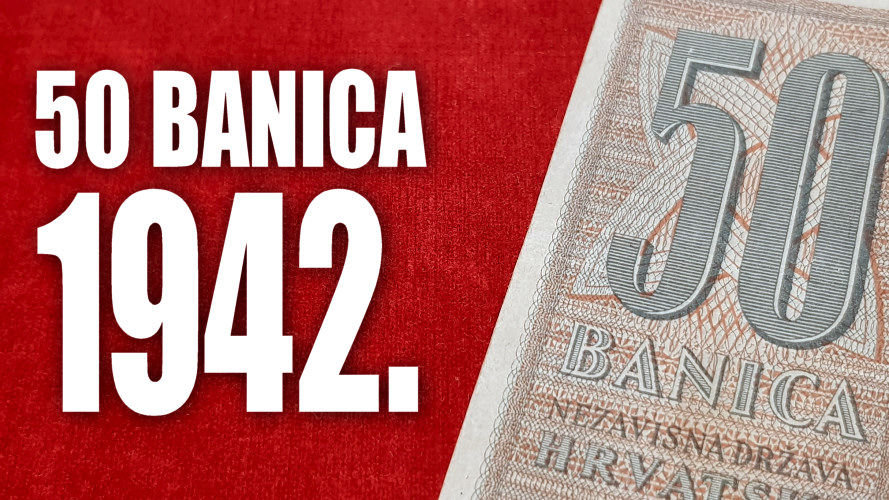
Banknote overview: Croatia 50 banica 1942. Issue of 25.09.1942.

The 50 banica banknote with the issue date of September 25, 1942, is the smallest Croatian state-issued banknote of the World War II period in terms of both size and nominal value. What is interesting about this banknote is its vertical orientation, compared to the horizontal orientation of all other banknotes from that period.

Banknote overview: Croatia 50 banica 1942. Issue of 25.09.1942. Read more »

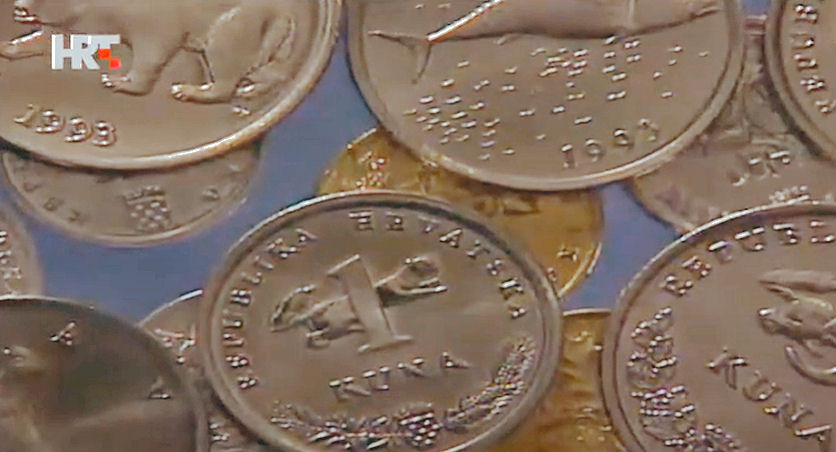
From the HRT archive: Introduction of the kuna, May 30, 1994.

On the national holiday of Statehood Day on May 30, 1994, Croatia introduced a new currency – the kuna, which became the official money in the independent Republic of Croatia. The kuna was divided into 100 lipas and represented the fulfillment of a long-standing desire for financial independence after the breakup of Yugoslavia. Although

From the HRT archive: Introduction of the kuna, May 30, 1994. Read more »

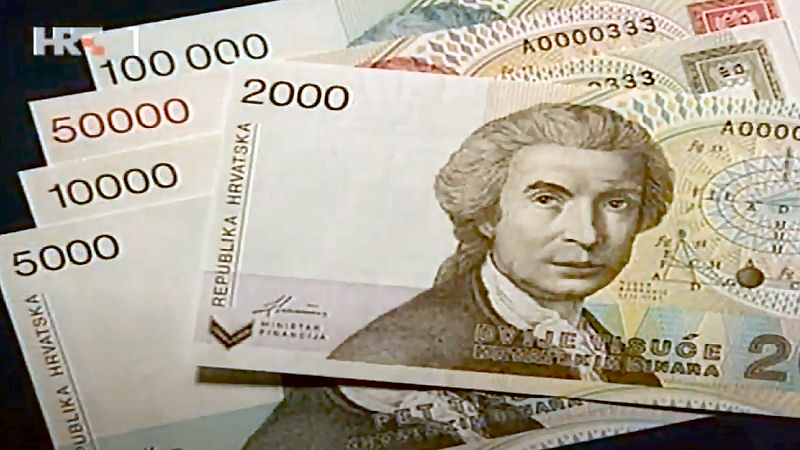
From the HRT archive: Croatia gets its own currency

After achieving state independence, despite the lack of international recognition, the Republic of Croatia managed to achieve monetary independence even in difficult wartime conditions. This happened on December 23, 1991, when it introduced a new currency, the Croatian dinar, as a replacement for the previous Yugoslav dinar. The value of the money replaced by the Croatian dinar was

From the HRT archive: Croatia gets its own currency Read more »

Scroll to Top