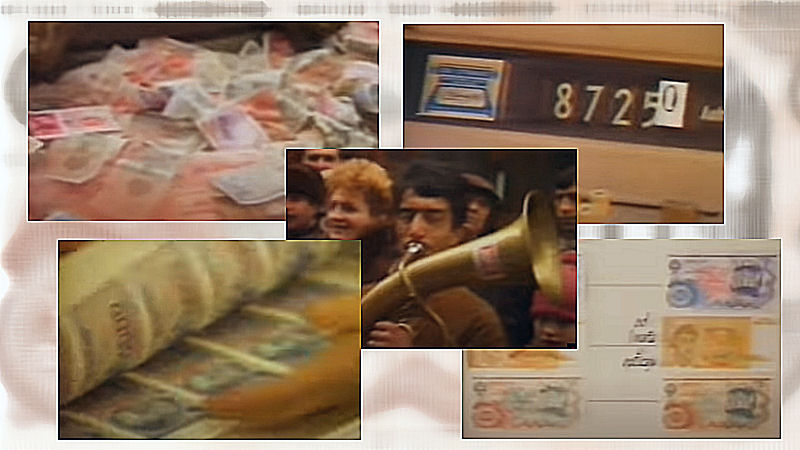
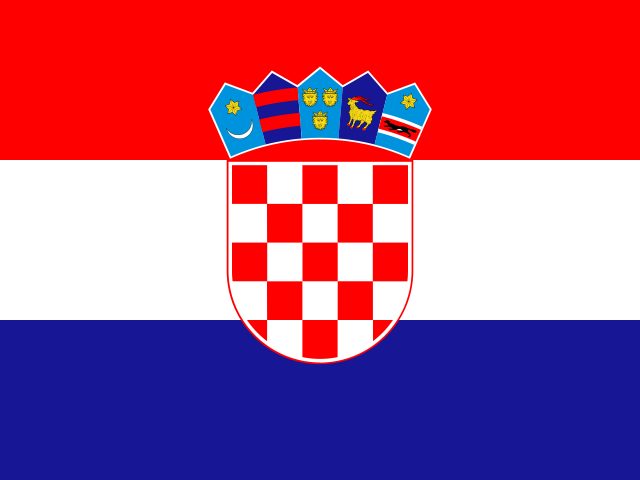



Following the achievement of state independence, despite the lack of international recognition, the Republic of Croatia managed to achieve monetary independence as well under difficult wartime conditions. This occurred on December 23, 1991, when it introduced a new currency, the Croatian dinar, as a replacement for the previous Yugoslav dinar.
The value of the money exchanged for the Croatian dinar was at an equal ratio, 1 to 1, and the National Bank became completely independent, ceasing to be accountable to Belgrade and relinquishing its control to the Croatian Parliament.
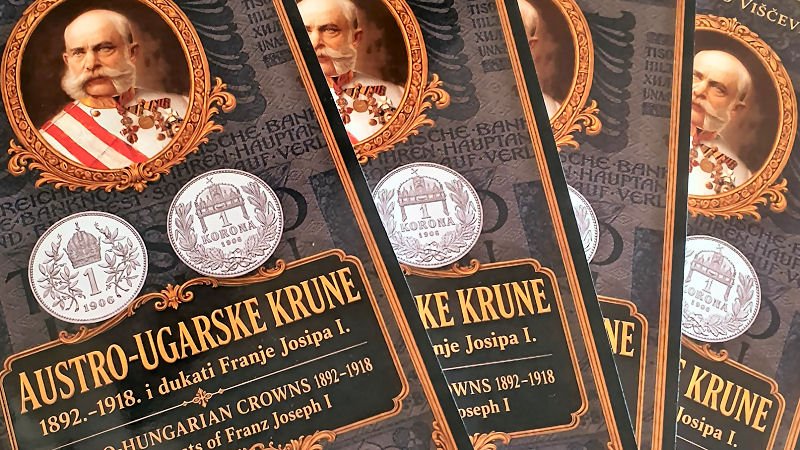
It is interesting that in the 20th century Croatia experienced six currency changes in its territory, many of which caused harm to its citizens. Before 1918, the Austro-Hungarian krone was used, which was later replaced by the dinar after unification with the Kingdom of Serbia. This move was marked by controversy, as the new authorities, through the process of „nostrification“ and stamping krone banknotes, confiscated as much as 20 percent of the banknotes' value. Additionally, the currency exchange at a ratio of 4 krones to 1 dinar further weakened Croatia's financial and economic strength.
During the time of the NDH, the official currency was the kuna, but in 1945 another exchange followed at an extremely unfavorable rate of 1000 kuna for only 7 new Yugoslav dinars. This prompted warnings from Andrija Hebrang about possible harmful consequences for Croatia, but these warnings were ignored with the explanation that a higher exchange rate would benefit only war profiteers, while the people and the economy would be harmed.
In the late nineties, Croatia experienced a new robbery following the „incursion“ of the FR of Serbia into the primary money emission, which was used to finance its needs and the wars that followed. Despite the chaos, the Croatian dinar successfully performed its monetary role during the Homeland War, and on Statehood Day in 1994, it was replaced by a new currency – the kuna.
Source: YouTube channel “pro patria” (The video was originally published as a report on HRT.)