Kraljevina Jugoslavija

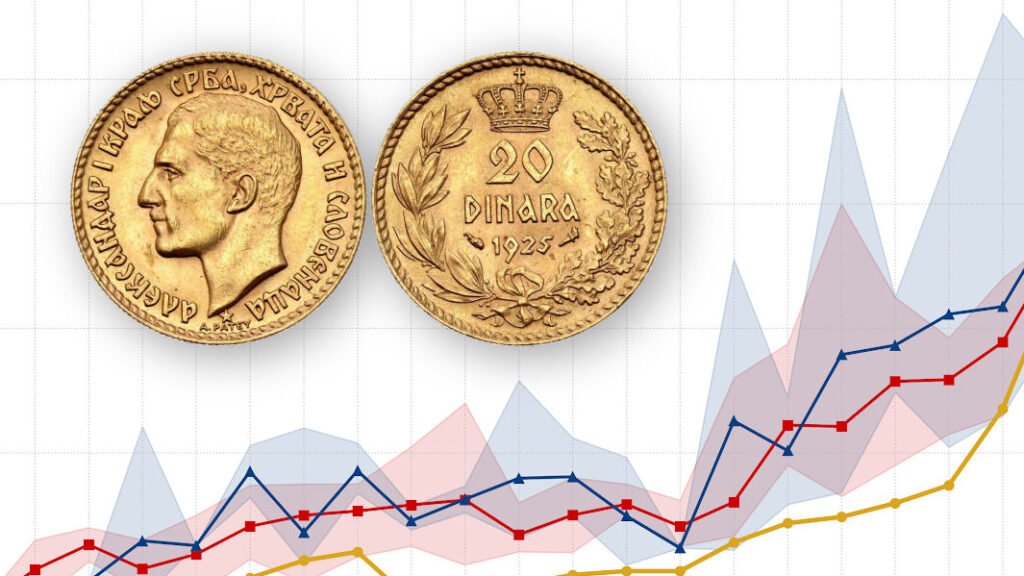
20 Dinar Gold Coin of the Kingdom of SCS from 1925: Analysis of Market Trends over the Last 25 Years

The 1925 20 dinar gold coin of the Kingdom of Serbs, Croats and Slovenes is one of the most famous and sought-after gold coins of the Yugoslav monetary system. It is a piece that for decades has held a special place among coin collectors of the Kingdom of SCS and the Kingdom of Yugoslavia, as well as among those who
20 Dinar Gold Coin of the Kingdom of SCS from 1925: Analysis of Market Trends over the Last 25 Years Read more »

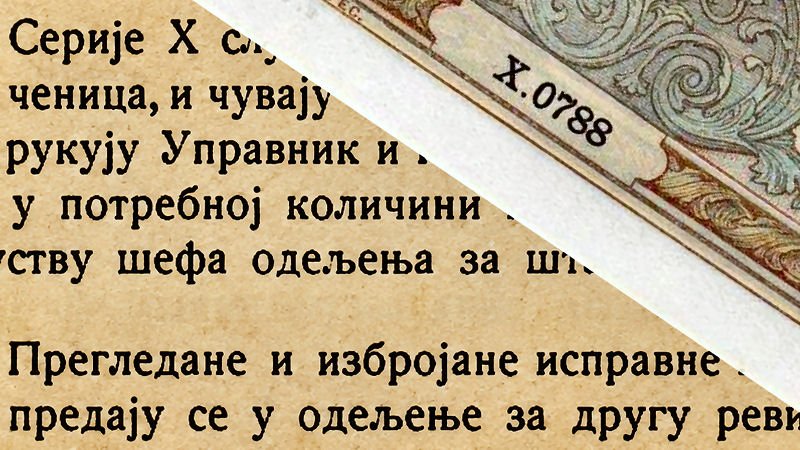
Replacement banknotes in the Kingdom of Yugoslavia: a trace from an official document from 1930

In numismatics, a document sometimes appears that significantly changes the way we view a certain group of money. Such is the case with the Decree of the Banknote Printing Institute of the National Bank of the Kingdom of Yugoslavia, issued in Topčider in 1930. That decree contains articles that directly relate to

Replacement banknotes in the Kingdom of Yugoslavia: a trace from an official document from 1930 Read more »

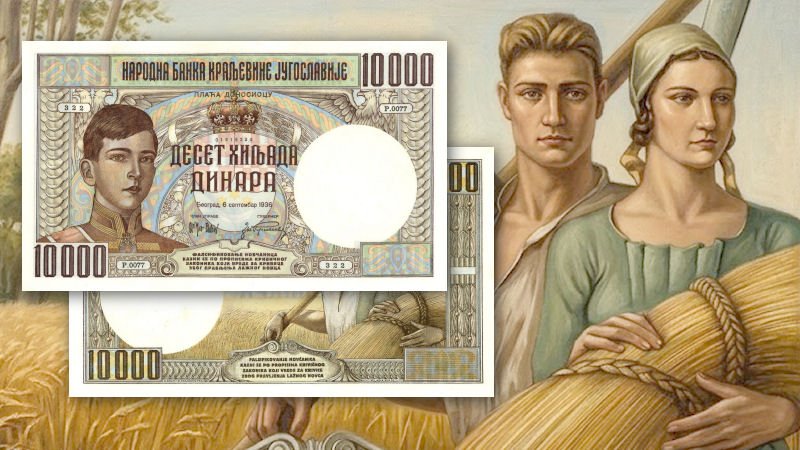
10,000 dinar banknote of the Kingdom of Yugoslavia from 1936.

The 10,000 dinar banknote of the former Kingdom of Yugoslavia dated September 6, 1936, is today the most rarely seen banknote bearing the name of the National Bank of the Kingdom of Yugoslavia. There are not many who have had the luck for their collections to be adorned by that exceptional specimen of national notaphily—national for collectors

10,000 dinar banknote of the Kingdom of Yugoslavia from 1936. Read more »

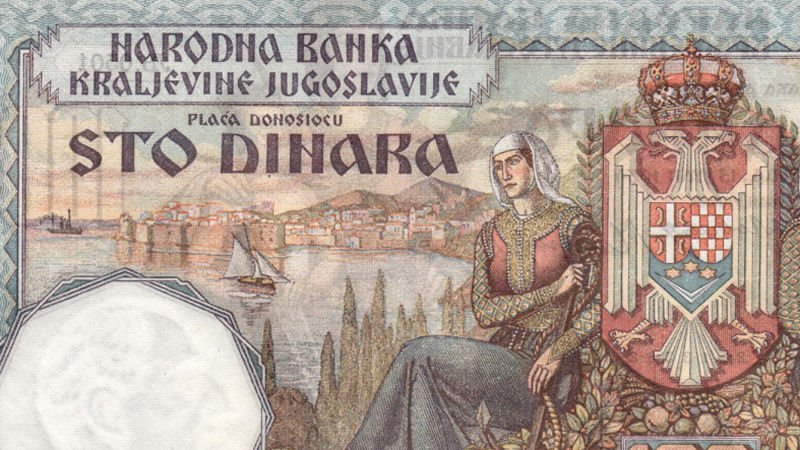
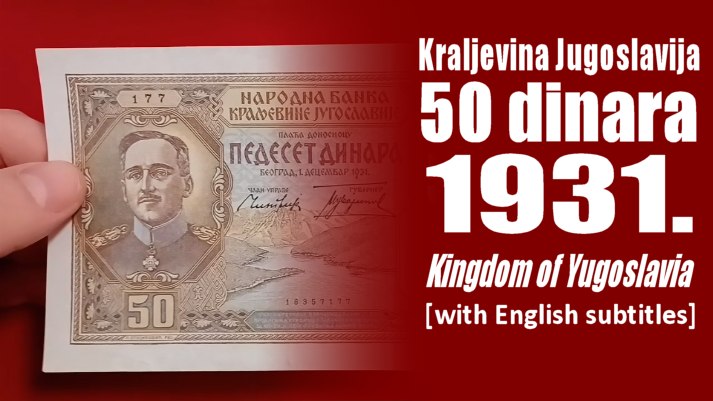
The enigmatic short-term circulation of the 100-dinar banknote of the National Bank of the Kingdom of Yugoslavia dated July 15, 1934.

It is known that the banknotes of the Kingdom of Serbs, Croats and Slovenes and the Kingdom of Yugoslavia are the product of the „French school“ of banknote printing. The first issues of royal Yugoslav banknotes (with the exception of the 10 dinar banknote of November 1, 1920, which was produced by the American Bank Note Co., New York) were designed and manufactured

The enigmatic short-term circulation of the 100-dinar banknote of the National Bank of the Kingdom of Yugoslavia dated July 15, 1934. Read more »

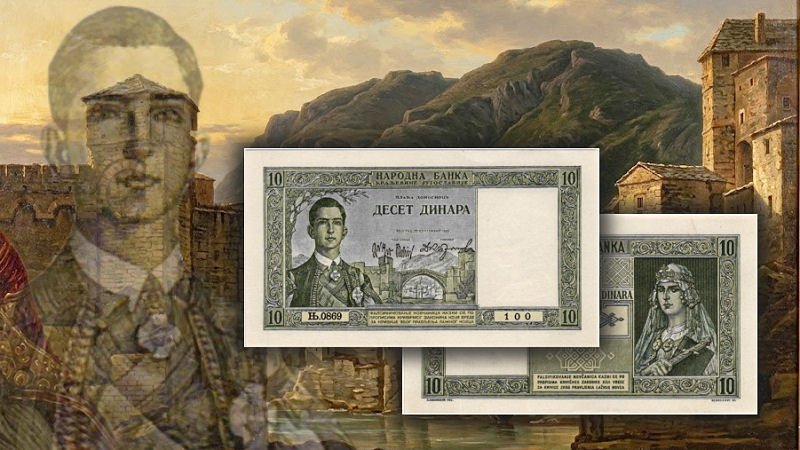
10 dinars banknote of the Kingdom of Yugoslavia dated September 22, 1939.

Novčanica od 10 dinara s datumom 22.09.1939., izdanje Narodne banke Kraljevine Jugoslavije, pripada skupini najzanimljivijih i najintrigantnijih emisija jugoslavenskog (prije)ratnog novca. Iako je formalno pripremljena za redoviti optjecaj, njezina je stvarna sudbina neraskidivo vezana uz dramatične događaje travnja 1941. godine, što joj daje posebno mjesto

10 dinars banknote of the Kingdom of Yugoslavia dated September 22, 1939. Read more »

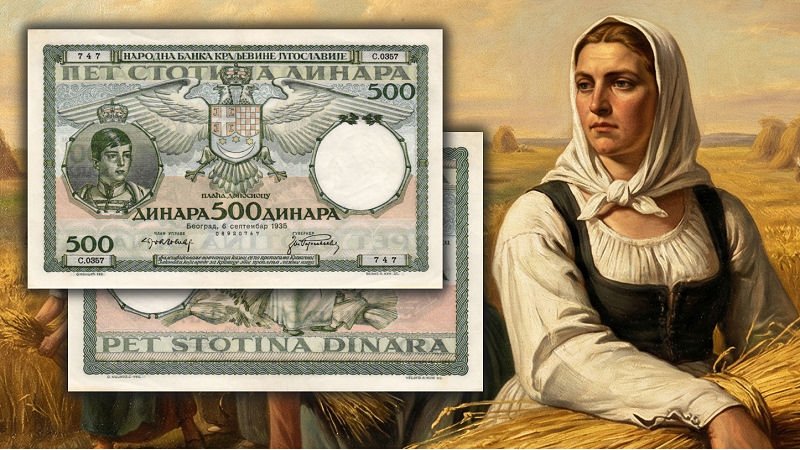
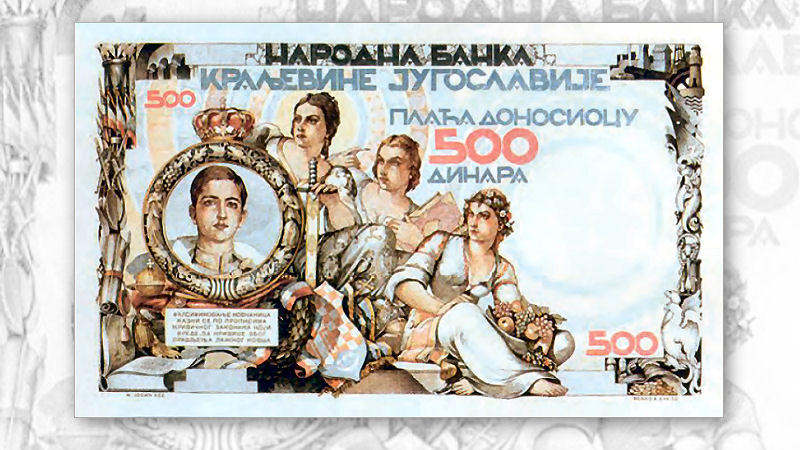
500 dinar banknote of the Kingdom of Yugoslavia from 1935.

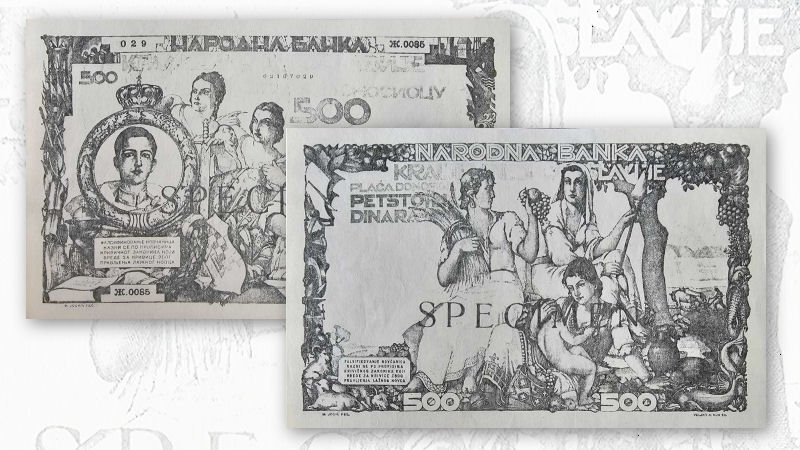
The 500 dinar banknote of the Kingdom of Yugoslavia from 1935 represents one of the most artistically successful and iconographically complete issues of interwar Yugoslav notaphily. The entire composition is executed in a subtle palette of green, olive, and brown tones, with discreet pink transitions in the background, giving it a refined, almost painterly

500 dinar banknote of the Kingdom of Yugoslavia from 1935. Read more »

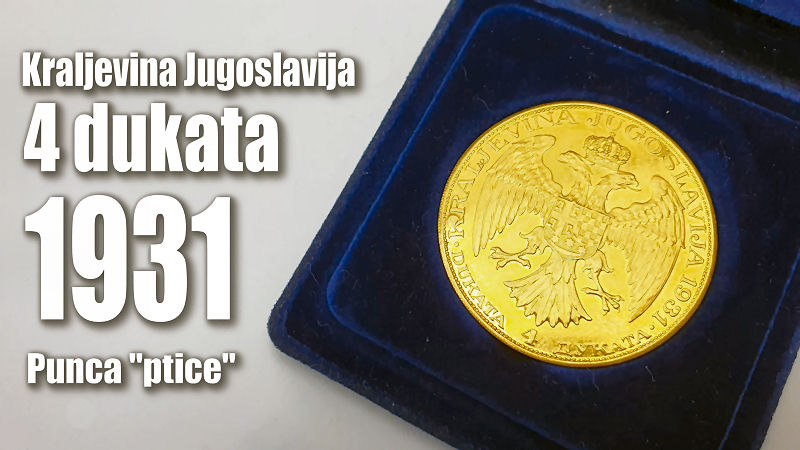
Overview of the gold coin: Yugoslavia 4 ducats 1931. King Alexander I Karađorđević and Queen Maria

In today's video, we are presenting the largest gold coin issued during the time of the Kingdom of Yugoslavia, which is the quadruple ducat from 1931 featuring the image of King Alexander I Karađorđević and Queen Maria. This gold coin bears the „bird“ hallmark (stamp). The ducats themselves are not money in the legal sense, but rather

Overview of the gold coin: Yugoslavia 4 ducats 1931. King Alexander I Karađorđević and Queen Maria Read more »

The Political and Ideological Background of the Design and Iconography of Banknotes of the Kingdom of Yugoslavia, 1929–1941

Novčanice Narodne banke Kraljevine Jugoslavije – ratne novčane rezerve (novčanice “za potrebe zemaljske odbrane” i “za potpuno izvanredne potrebe”) Novac Kraljevine Jugoslavije, 1929. – 1941. godine, kao uostalom i svaki drugi novac u prošlosti i danas, odašilje mnoge simboličke poruke na više razina. Njihovim iščitavanjem

The Political and Ideological Background of the Design and Iconography of Banknotes of the Kingdom of Yugoslavia, 1929–1941 Read more »

Presentation of decoration: Yugoslavia, Order of the Yugoslav Crown, 1st Class

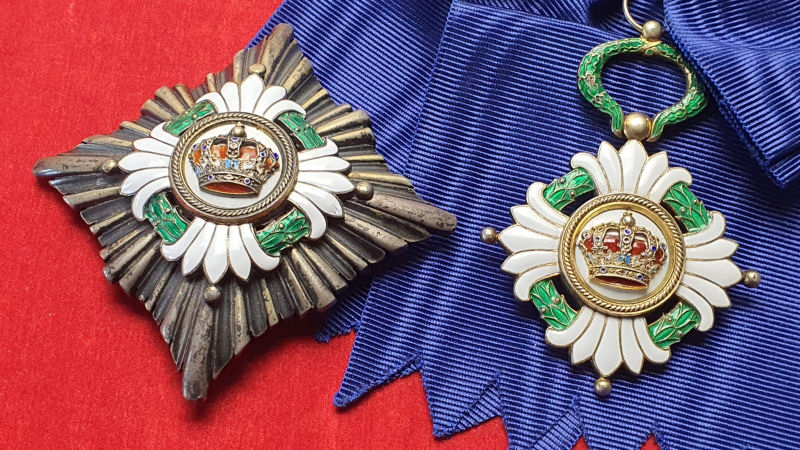
The Order of the Yugoslav Crown was established on April 5, 1930, as a decoration in „memory of the Liberation and Unification of the Kingdom of Yugoslavia, and in recognition of work for the King and the Fatherland, as well as state and national unity.“ It is the only order established in the Kingdom of Yugoslavia, while practically

Presentation of decoration: Yugoslavia, Order of the Yugoslav Crown, 1st Class Read more »

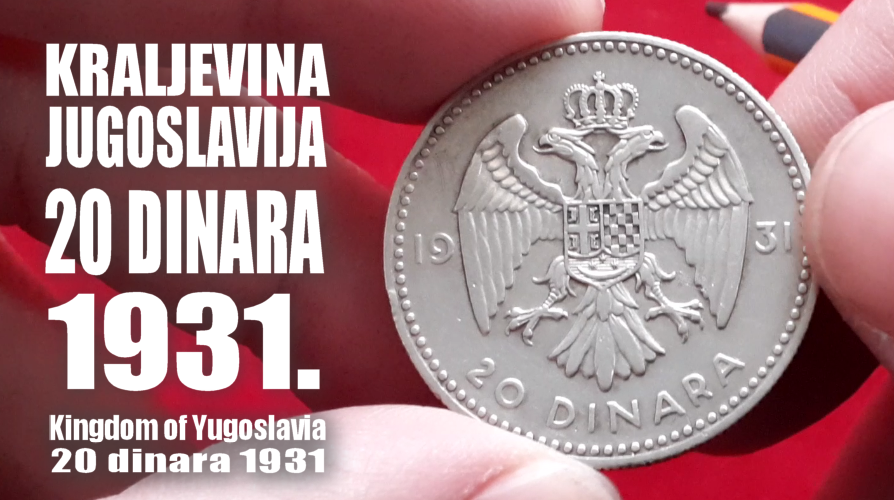
Overview of the silver coin: Yugoslavia 20 Dinars 1931.

In today's video, we bring you a review of the 20 dinar silver coin of the Kingdom of Yugoslavia from 1931. This coin depicts the image of King Alexander I Karađorđević. This coin belongs to the series of coins that mention the new name of the country for the first time: the Kingdom of Yugoslavia (instead of the previous name: the Kingdom of Serbs,

Overview of the silver coin: Yugoslavia 20 Dinars 1931. Read more »

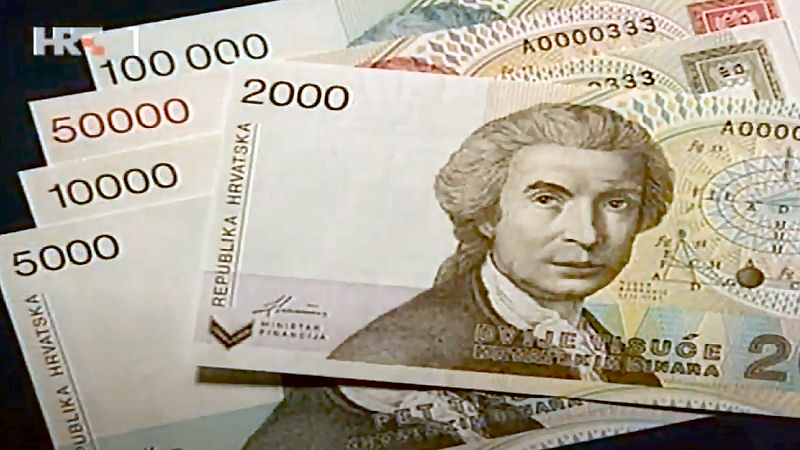
From the HRT archive: Croatia gets its own currency

After achieving state independence, despite the lack of international recognition, the Republic of Croatia managed to achieve monetary independence even in difficult wartime conditions. This happened on December 23, 1991, when it introduced a new currency, the Croatian dinar, as a replacement for the previous Yugoslav dinar. The value of the money replaced by the Croatian dinar was

From the HRT archive: Croatia gets its own currency Read more »

Scroll to Top