Belgrade

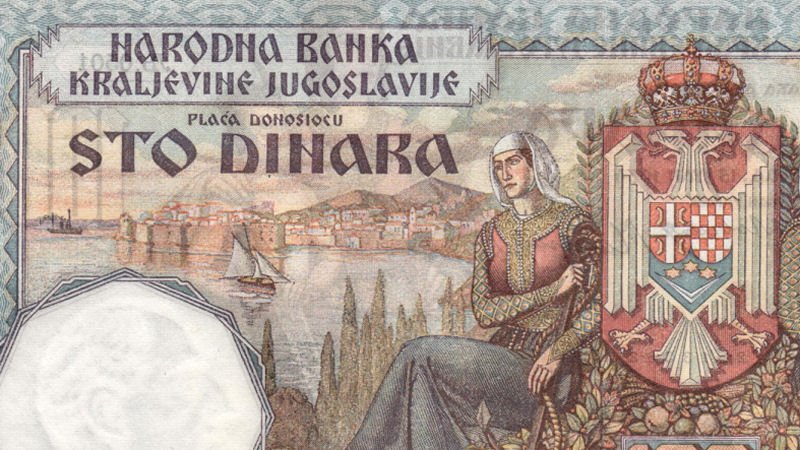
The enigmatic short-term circulation of the 100-dinar banknote of the National Bank of the Kingdom of Yugoslavia dated July 15, 1934.

It is known that the banknotes of the Kingdom of Serbs, Croats and Slovenes and the Kingdom of Yugoslavia are the product of the „French school“ of banknote printing. The first issues of royal Yugoslav banknotes (with the exception of the 10 dinar banknote of November 1, 1920, which was produced by the American Bank Note Co., New York) were designed and manufactured
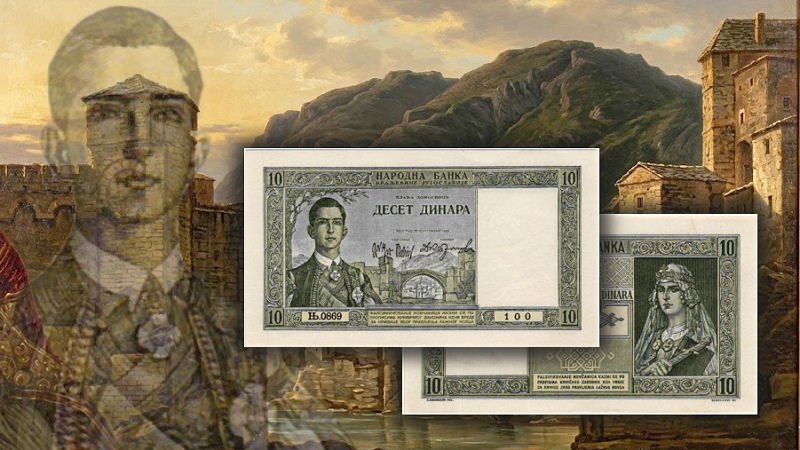
The enigmatic short-term circulation of the 100-dinar banknote of the National Bank of the Kingdom of Yugoslavia dated July 15, 1934. Read more »

10 dinars banknote of the Kingdom of Yugoslavia dated September 22, 1939.

The 10-dinar banknote dated September 22, 1939, issued by the National Bank of the Kingdom of Yugoslavia, belongs to the group of the most interesting and intriguing issues of Yugoslav (pre)war currency. Although it was formally prepared for regular circulation, its actual destiny is inextricably linked to the dramatic events of April 1941, which gives it a special place

10 dinars banknote of the Kingdom of Yugoslavia dated September 22, 1939. Read more »

Schedule of upcoming fairs and collector meetings: Croatia, Slovenia, Bosnia and Herzegovina, Serbia

Fairs and collector gatherings are the main places where people from the collector community meet. These are places for trade, the exchange of items, knowledge, and experiences, and socializing among collectors. Therefore, every enthusiast of numismatics, phaleristics, philately, militaria, and collecting in general should not miss them. In the upcoming

Schedule of upcoming fairs and collector meetings: Croatia, Slovenia, Bosnia and Herzegovina, Serbia Read more »

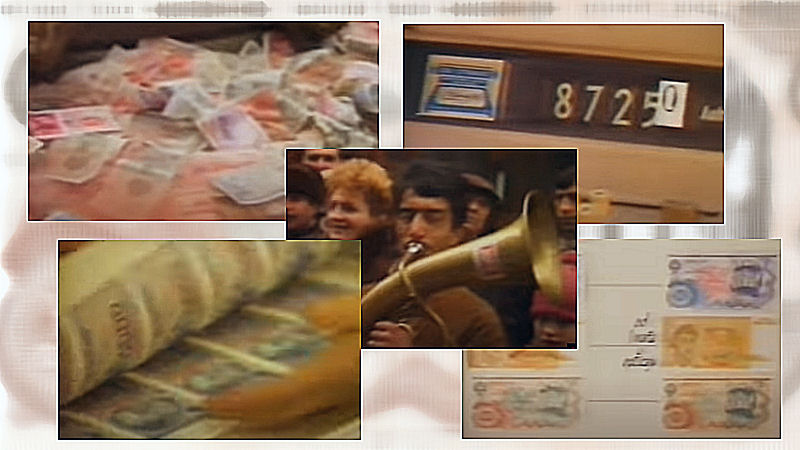
„Removing four zeros from the dinar, the introduction of convertibility, and the economic situation in Yugoslavia in 1990

This video vividly depicts what the economic and monetary situation was in Yugoslavia on the „eve of the war,“ in 1990. As part of its economic stabilization measures, the government of Prime Minister Ante Marković „shaved“ four zeros off the dinar and introduced its convertibility. According to the new exchange rate, it was

„Removing four zeros from the dinar, the introduction of convertibility, and the economic situation in Yugoslavia in 1990 Read more »

1946 Yugoslav medal for the construction of the bridge over the Danube

Following the withdrawal from Belgrade under heavy pressure from Soviet forces, German forces destroyed the Danube bridge in Belgrade in May 1944. The reconstruction of this extremely important bridge leading towards Pančevo required a considerable period of time. However, with the engagement of Soviet engineers and local builders, the bridge

1946 Yugoslav medal for the construction of the bridge over the Danube Read more »

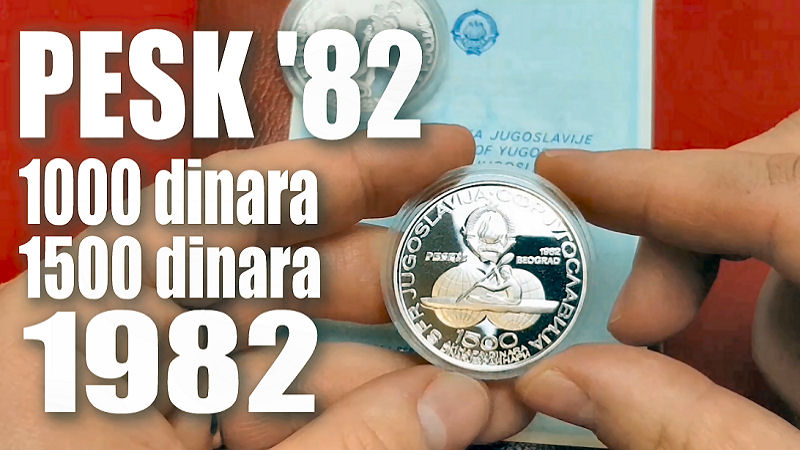
Overview of silver coins: Yugoslavia 1000 and 1500 Dinars 1982 World Canoe and Kayak Championships

In this video, we present to you a complete set of Yugoslav silver coins dedicated to the World Canoe Sprint Championships in Belgrade – PESK ’82. The set consists of two silver coins; one has a face value of 1000 dinars and depicts the famous “Pobjednik” (Victor) monument on the obverse in

Overview of silver coins: Yugoslavia 1000 and 1500 Dinars 1982 World Canoe and Kayak Championships Read more »

Scroll to Top