



Roman Republic

Dioskuri na rimskom novcu: Božanski blizanci koji su Rimu donosili pobjedu

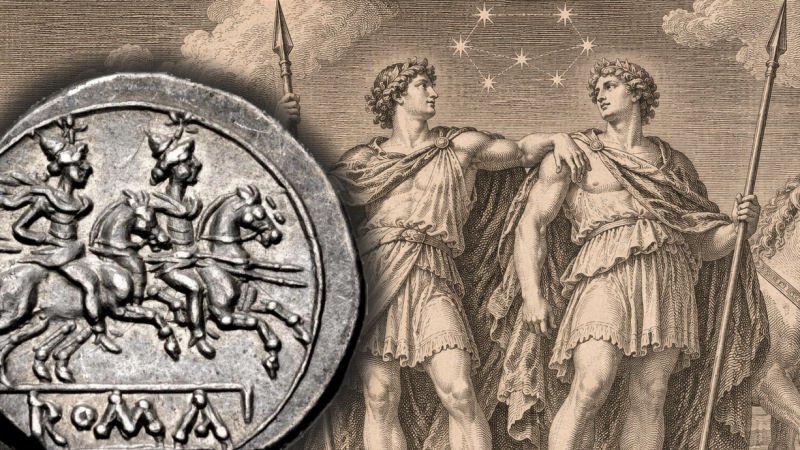
Dvojica mladih konjanika s kopljima, u punom galopu, i zvijezdama iznad glava jedan su od najprepoznatljivijih motiva na rimskom republikanskom novcu. To su Dioskuri, Kastor i Polideuk (rimski Poluks), junaci grčke mitologije koji su za Rimljane postali simboli pobjede, zaštite i odanosti. Braća koja su

Dioskuri na rimskom novcu: Božanski blizanci koji su Rimu donosili pobjedu Read more »
Cezarov elephant

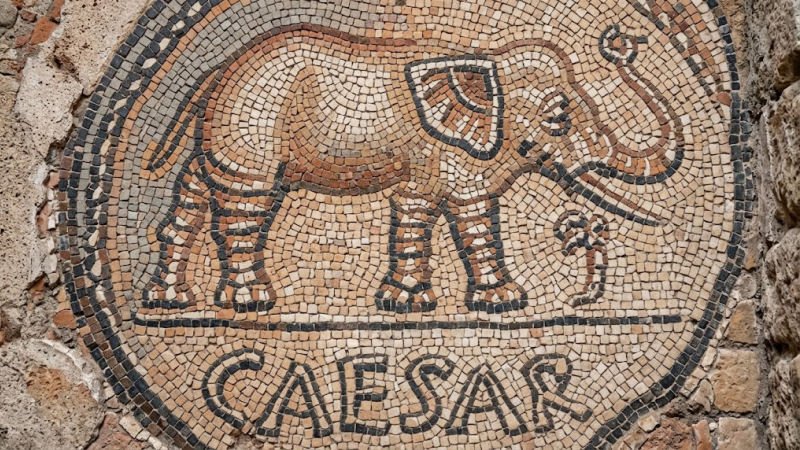
Among the numerous coins from the period of the Roman Republic, a special place is occupied by the silver denarius of Julius Caesar depicting an elephant crushing a snake or a dragon. The coin of 49 BC, at the time of the beginning of the civil war between Caesar and Pompey, is one of the most recognizable examples of political propaganda.

Cezarov elephant Read more »

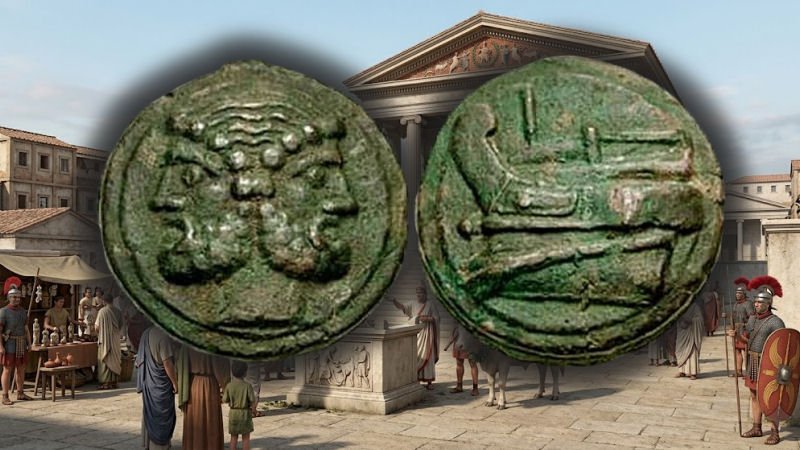
Roman coinage from the earliest times to the fall of the Roman Republic (450–31 BC)

In the area of the Latin cities, in the central part of the Apennine Peninsula, the city of Rome was founded (according to tradition in 753 BC). From the initial settlement on the Palatine, the city gradually developed and, after the abolition of the monarchy (around 510 BC), became a republican aristocratic state in which two high-ranking

Roman coinage from the earliest times to the fall of the Roman Republic (450–31 BC) Read more »

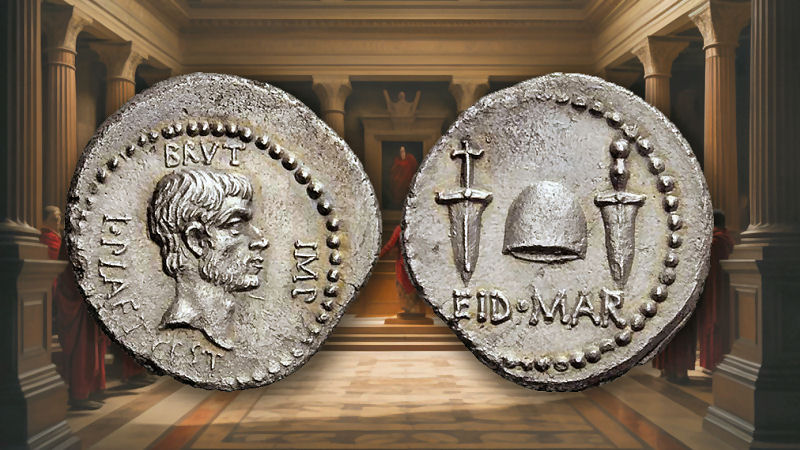
„Even you, Brutus, my son?“ – How the assassination of Gaius Julius Caesar was commemorated on Roman commemorative coins

In numismatics, it is completely normal for money to depict events that the issuer—most often the state—considers important. This is especially pronounced on commemorative coins which, as the name itself suggests, are issued on the occasion of certain special events. On such occasions, the money, besides

„Even you, Brutus, my son?“ – How the assassination of Gaius Julius Caesar was commemorated on Roman commemorative coins Read more »

Scroll to Top