
Yugoslav dinar

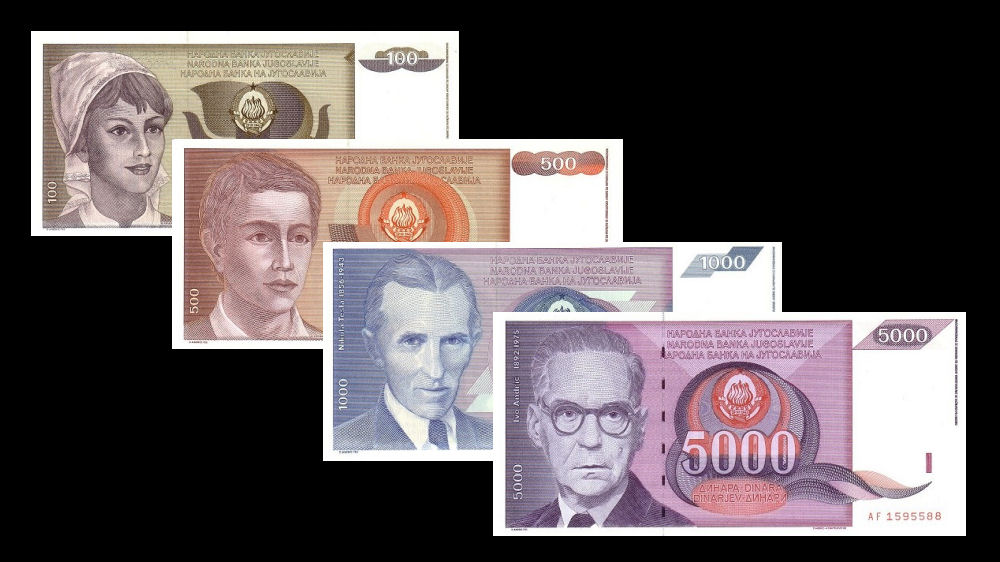
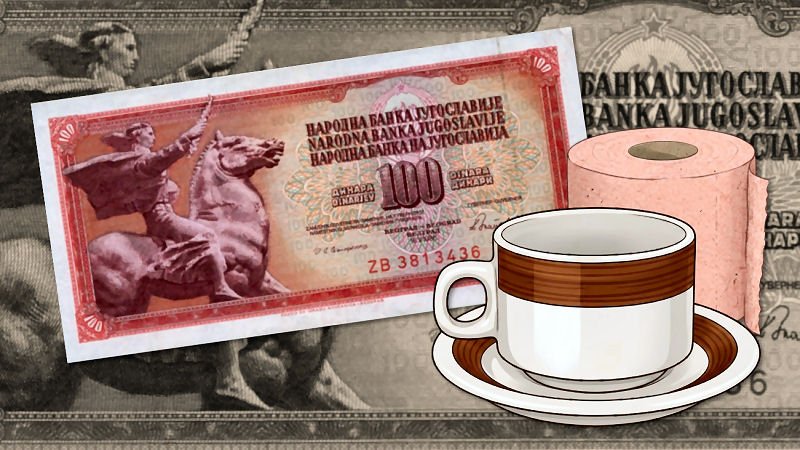
Prices from 40 years ago: A 100-dinar „Horse” – enough for a coffee and a roll of toilet paper, but not for a beer

We are once again witnessing inflation and the gradual loss of the value of money. Until recently, a 100 kuna banknote still represented „something,” while today 13 euros is almost „nothing.” It is not uncommon for a „round” of drinks at a café to cost that much. And a 100 euro banknote, which until recently was „something,” today
Prices from 40 years ago: A 100-dinar „Horse” – enough for a coffee and a roll of toilet paper, but not for a beer Read more »

Exchange rate of the Yugoslav dinar 1945-1990.

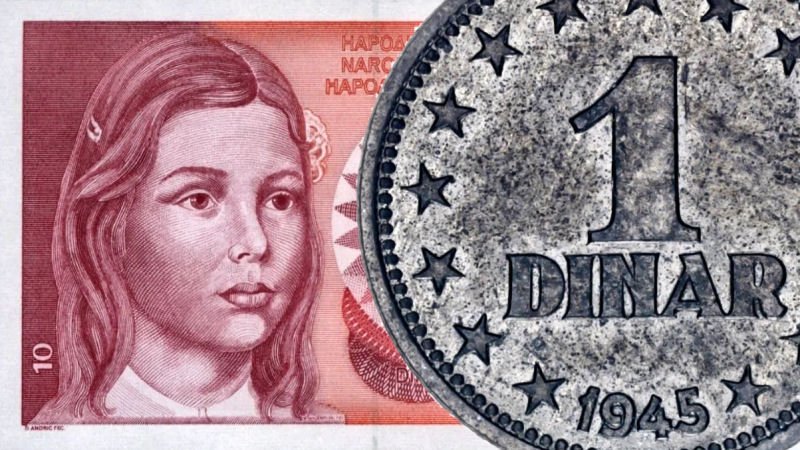
The history of the exchange rate of the Yugoslav dinar from the end of the Second World War to 1990 reflects profound changes in monetary policy, the economic system, and the country's international position. In a numismatic sense, understanding the exchange rate relations is crucial for the proper interpretation of the timing of the issuance of certain nominal values of banknotes and coins, especially

Exchange rate of the Yugoslav dinar 1945-1990. Read more »

„Removing four zeros from the dinar, the introduction of convertibility, and the economic situation in Yugoslavia in 1990

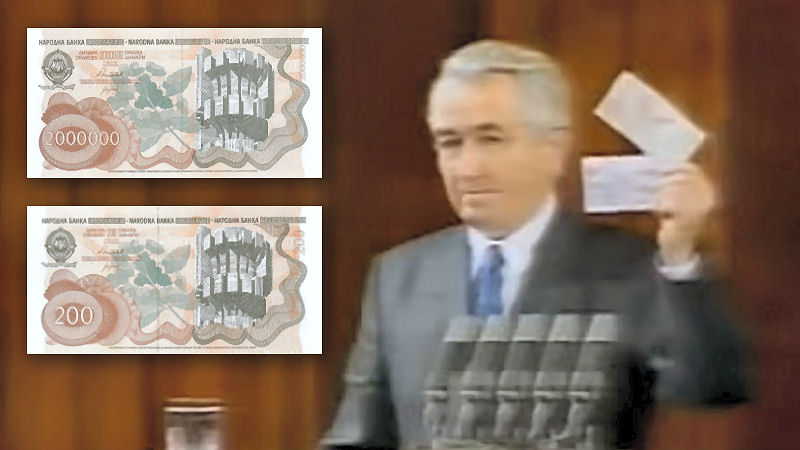
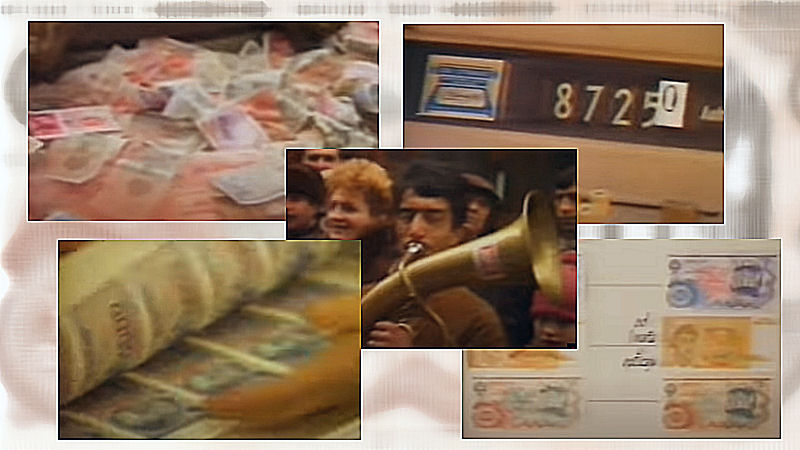
This video vividly depicts what the economic and monetary situation was in Yugoslavia on the „eve of the war,“ in 1990. As part of its economic stabilization measures, the government of Prime Minister Ante Marković „shaved“ four zeros off the dinar and introduced its convertibility. According to the new exchange rate, it was

„Removing four zeros from the dinar, the introduction of convertibility, and the economic situation in Yugoslavia in 1990 Read more »

From the HRT Archive: Inflation and the Devaluation of the Dinar in Socialist Yugoslavia

Inflation, devaluation, and the general decline in the value of money have recently become current topics again. We can say that this phenomenon has shocked today's generations and they still cannot recover, wondering how something like this is possible? Especially in the 21st century and in

From the HRT Archive: Inflation and the Devaluation of the Dinar in Socialist Yugoslavia Read more »

Banknote overview: Yugoslavia 50 Dinars 1990. Boy

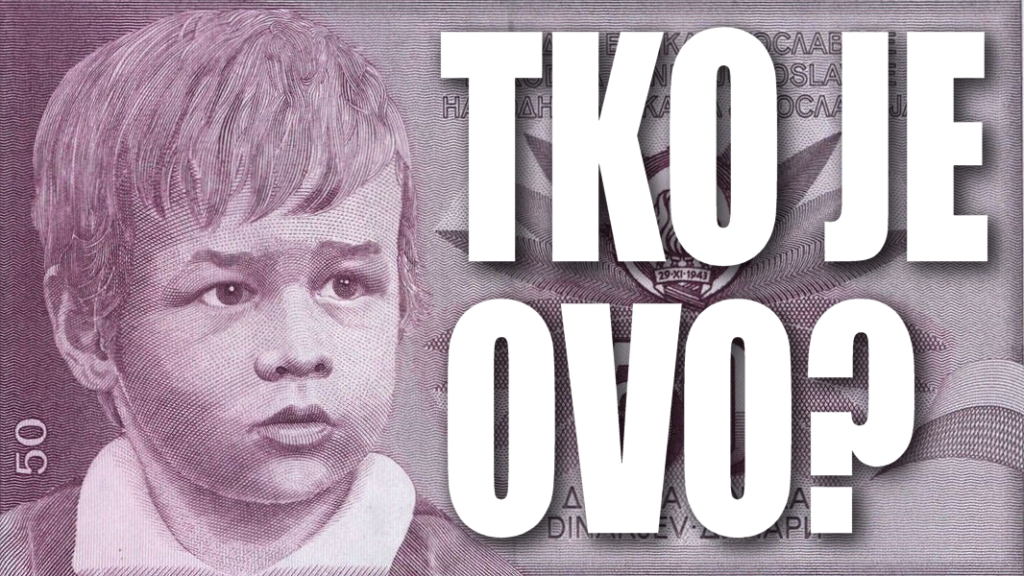
After the monetary reform of 1990 and the introduction of the “Marković” dinar, a new 50-dinar banknote dated June 1, 1990, featuring the portrait of a young boy, also saw the light of day. This banknote stylistically relies on newer, more modernly designed Yugoslav banknotes from the mid-1980s. In the numismatic community already for some

Banknote overview: Yugoslavia 50 Dinars 1990. Boy Read more »

Scroll to Top