Yugoslavia

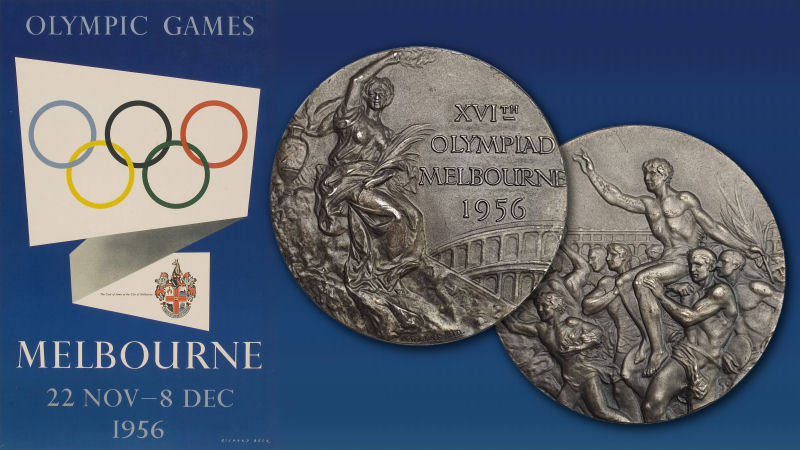
Silver medal from the 16th Olympic Games – Melbourne, 1956.

Olympic medals are a symbol of top sporting achievement and honor. Every Games brings unique medals that reflect the culture and spirit of the host. Since 1896, when the first modern Olympic Games were held, the design of the medals has gone through numerous transformations, reflecting changes in art, politics, and technology. Traditionally, gold,

Silver medal from the 16th Olympic Games – Melbourne, 1956. Read more »
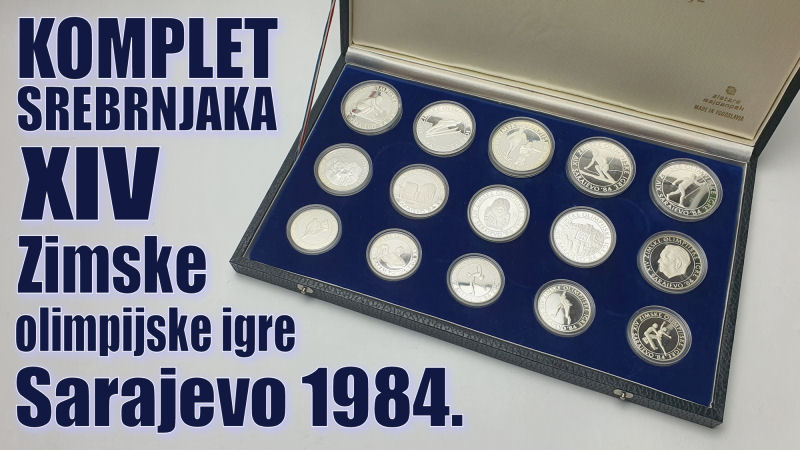
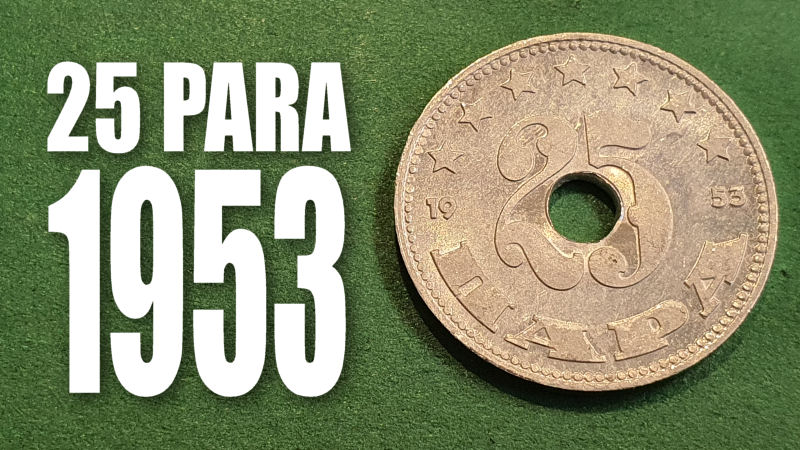
Coin display: Yugoslavia, silver coin set, Sarajevo Olympic Games, 1984.

U današnjem videu predstavljamo komplet prigodnih srebrnjaka SFR Jugoslavije izdanih povodom održavanja 14. olimpijskih igara u Sarajevu, 1984. Radi se o kompletu koji sadrži 15 različitih srebrnjaka nominalnih vrijednosti od 100, 250 i 500 dinara. Od svake nominale izrađeno je po pet različitih primjeraka u

Coin display: Yugoslavia, silver coin set, Sarajevo Olympic Games, 1984. Read more »

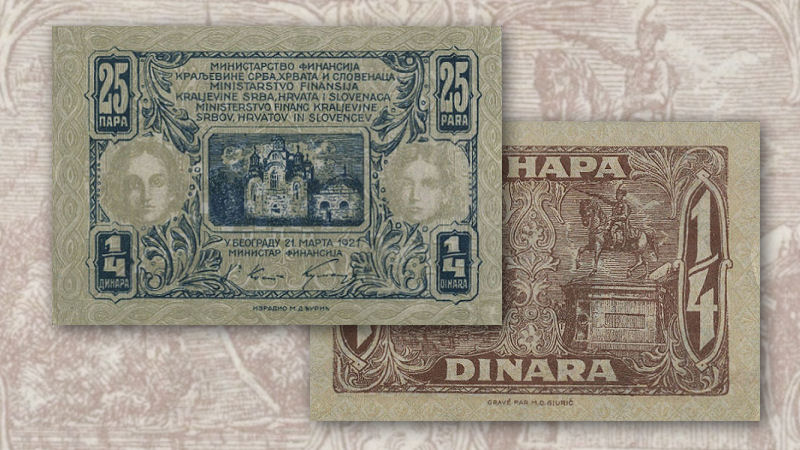
The smallest banknote of the Kingdom of Serbs, Croats and Slovenes: 25 paras from 1921.

U cjelokupnoj povijesti novca Jugoslavije, novčanica od 25 para iz 1921. godine predstavlja najmanju nominalu papirnog novca koju je predratna Jugoslavija (Kraljevina SHS) ikad izdala. Iznos od 25 para tada je bio jednak četvrtini dinara. Odluka o izradi ove novčanice donesena je 3. ožujka 1921.

The smallest banknote of the Kingdom of Serbs, Croats and Slovenes: 25 paras from 1921. Read more »

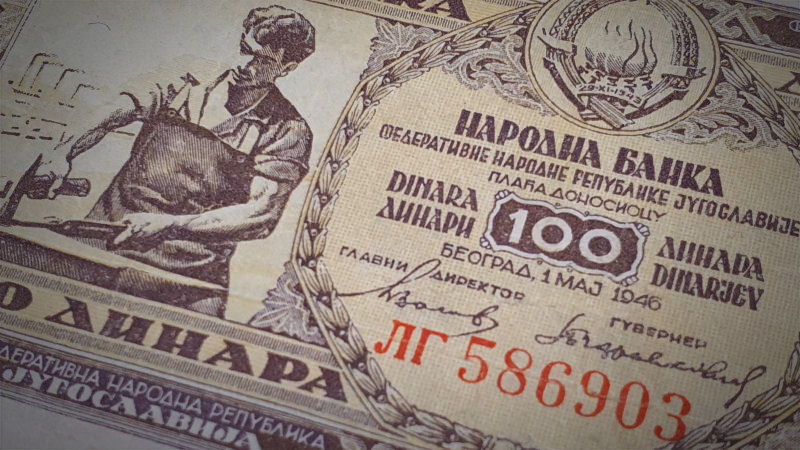
Banknote overview: Yugoslavia 100 Dinars 1946. Blacksmith, mower and fisherman

Following the „wartime“ series of banknotes of the Democratic Federal Yugoslavia dated 1944, the first „peacetime“ emission dated 1946 followed. In the meantime, the country changed its name to the Federal People's Republic of Yugoslavia and turned to new social themes; the establishment of the new political order, socialism, labor, reconstruction. Accordingly, and

Banknote overview: Yugoslavia 100 Dinars 1946. Blacksmith, mower and fisherman Read more »

„Removing four zeros from the dinar, the introduction of convertibility, and the economic situation in Yugoslavia in 1990

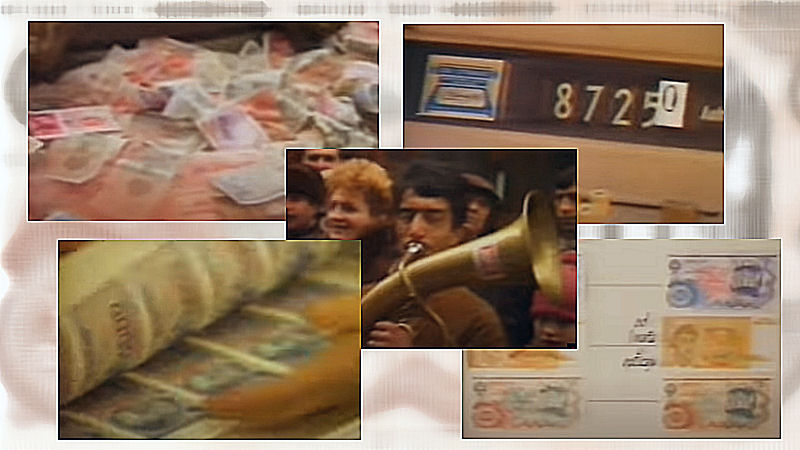
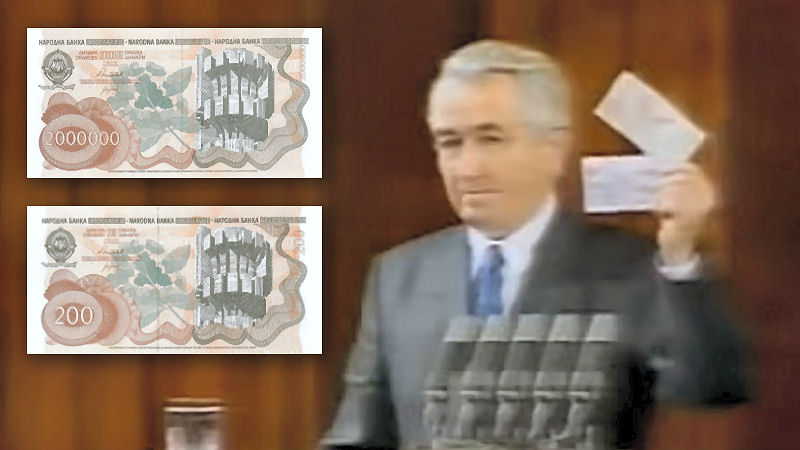
This video vividly depicts what the economic and monetary situation was in Yugoslavia on the „eve of the war,“ in 1990. As part of its economic stabilization measures, the government of Prime Minister Ante Marković „shaved“ four zeros off the dinar and introduced its convertibility. According to the new exchange rate, it was

„Removing four zeros from the dinar, the introduction of convertibility, and the economic situation in Yugoslavia in 1990 Read more »

From the HRT Archive: Inflation and the Devaluation of the Dinar in Socialist Yugoslavia

Inflation, devaluation, and the general decline in the value of money have recently become current topics again. We can say that this phenomenon has shocked today's generations and they still cannot recover, wondering how something like this is possible? Especially in the 21st century and in

From the HRT Archive: Inflation and the Devaluation of the Dinar in Socialist Yugoslavia Read more »

The Political and Ideological Background of the Design and Iconography of Banknotes of the Kingdom of Yugoslavia, 1929–1941

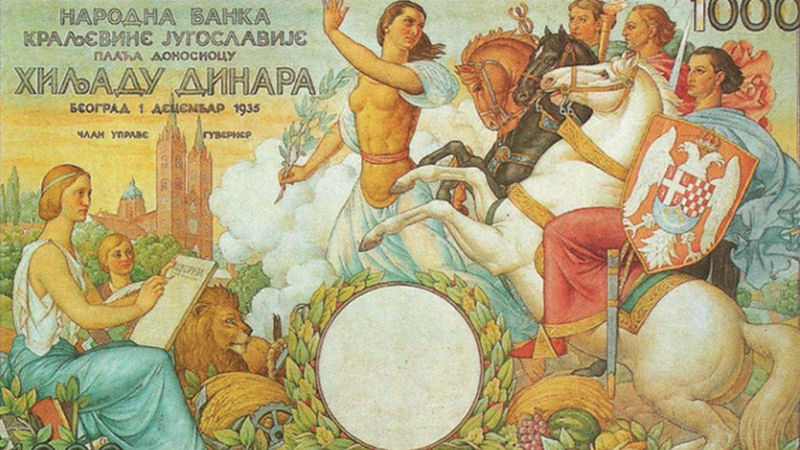
Novčanice Narodne banke Kraljevine Jugoslavije – ratne novčane rezerve (novčanice “za potrebe zemaljske odbrane” i “za potpuno izvanredne potrebe”) Novac Kraljevine Jugoslavije, 1929. – 1941. godine, kao uostalom i svaki drugi novac u prošlosti i danas, odašilje mnoge simboličke poruke na više razina. Njihovim iščitavanjem

The Political and Ideological Background of the Design and Iconography of Banknotes of the Kingdom of Yugoslavia, 1929–1941 Read more »

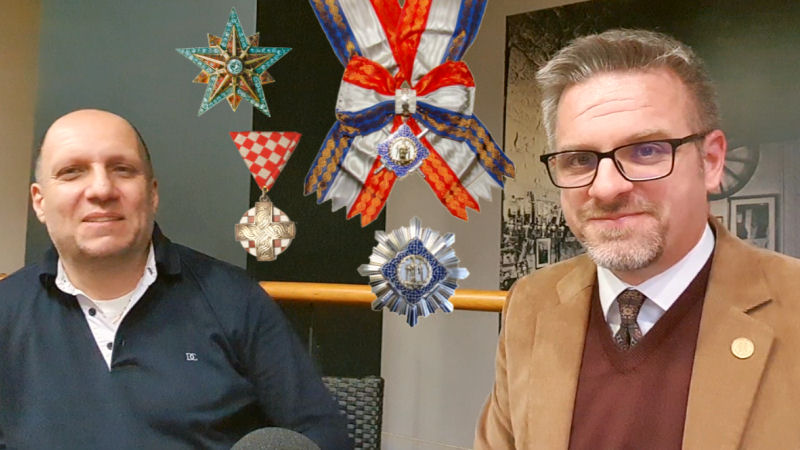
Presentation of decoration: Yugoslavia, Order of the Yugoslav Crown, 1st Class

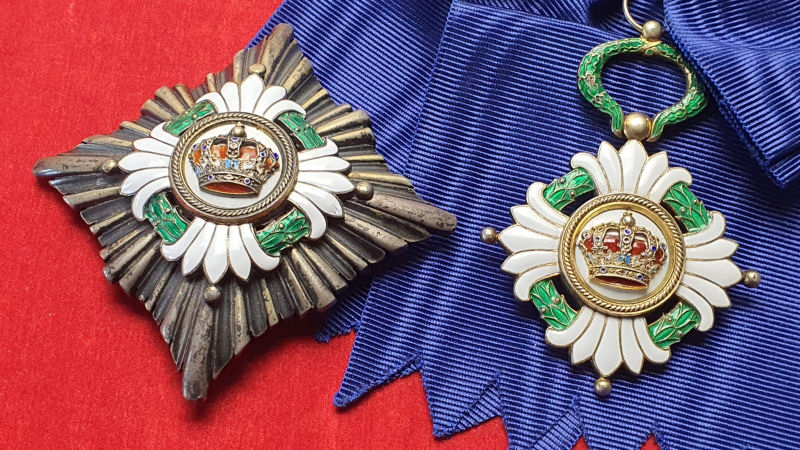
The Order of the Yugoslav Crown was established on April 5, 1930, as a decoration in „memory of the Liberation and Unification of the Kingdom of Yugoslavia, and in recognition of work for the King and the Fatherland, as well as state and national unity.“ It is the only order established in the Kingdom of Yugoslavia, while practically

Presentation of decoration: Yugoslavia, Order of the Yugoslav Crown, 1st Class Read more »

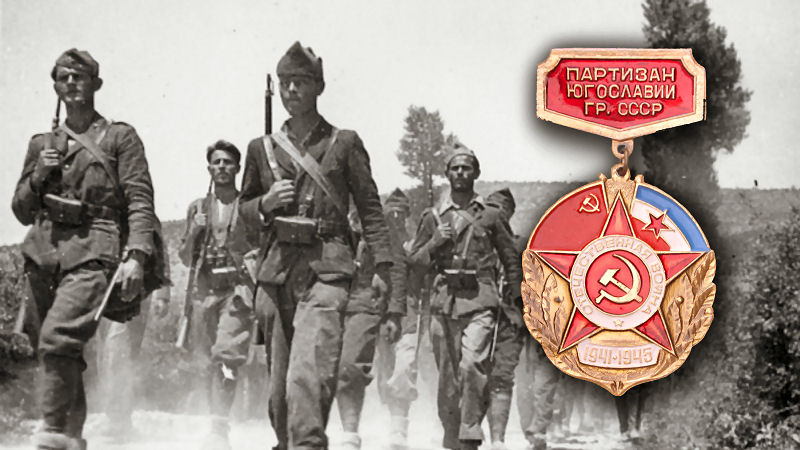
Soviet Memorial Plaque: Partisan of Yugoslavia – Citizen of the USSR

To mark the 45th anniversary of the Soviet victory in World War II, the All-Union Council of War and Labor Veterans of the USSR decided to issue a special commemorative badge entitled “Partizan of Yugoslavia – Citizen of the USSR.” This badge is distinguished by its unusualness and rarity given its very small

Soviet Memorial Plaque: Partisan of Yugoslavia – Citizen of the USSR Read more »

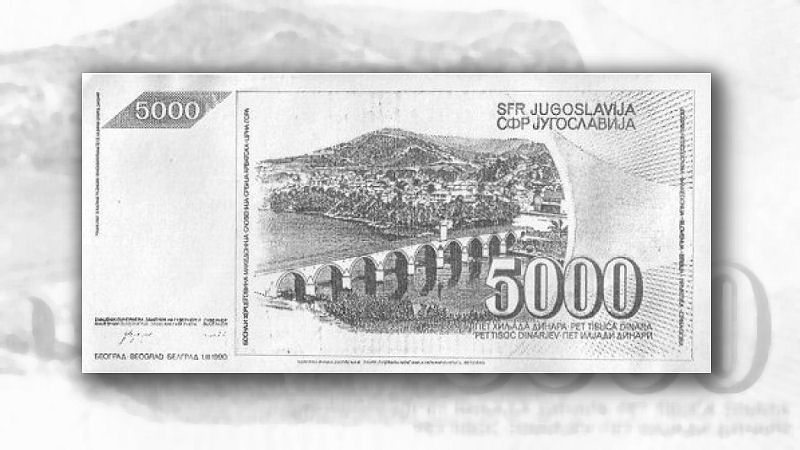
Unissued banknote of SFR Yugoslavia 5000 Dinars 1.IX.1991.

In the 2010 issue of “Numizmatičke vijesti”, the paper “The Last Banknotes of the SFR Yugoslavia“ was published, presenting well-founded indications that the 5000 dinar banknote for extraordinary needs of the National Bank of Yugoslavia from 1991 featuring the portrait of Ivo Andrić (issued on Dec 23, 1991, for the territory of the then SFRY excluding Slovenia and

Unissued banknote of SFR Yugoslavia 5000 Dinars 1.IX.1991. Read more »

Scroll to Top