Croatian National Bank, in cooperation with Croatian Mint, has issued a new series of commemorative coins titled „Vučedol culture“, which continues the „Croatian Heritage“ series. This issue pays tribute to one of the most significant prehistoric cultures in the territory of present-day Croatia, whose traces have left a deep mark on European cultural and civilizational history.
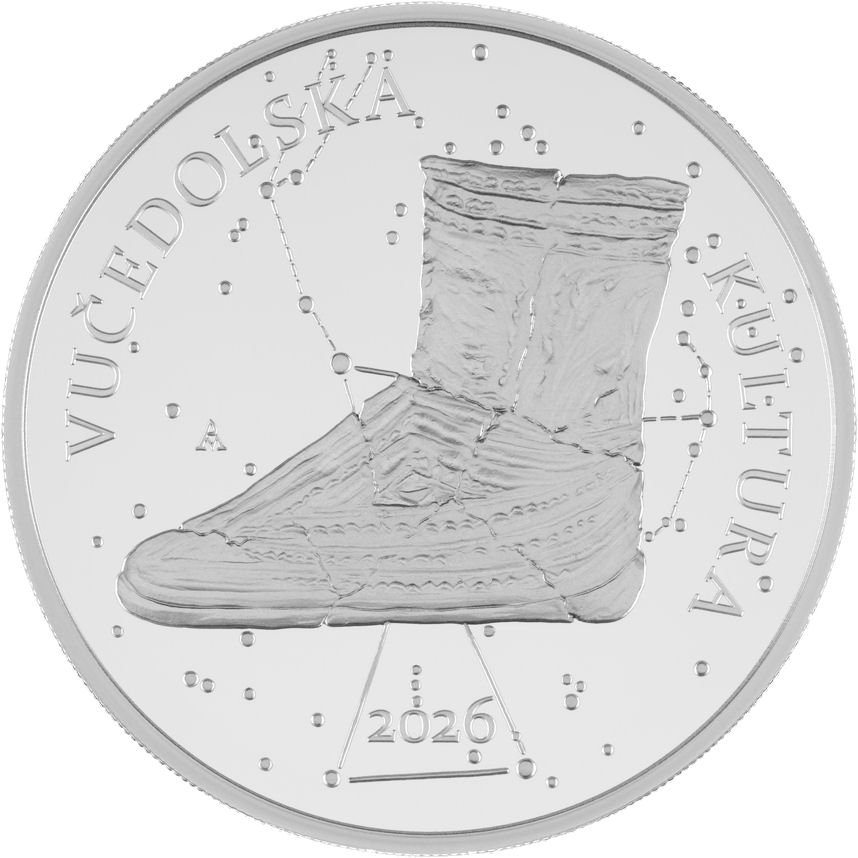
Coins from this issue are available in gold and silver versions, in a total of five denominations and in very limited quantities. They feature two symbols of the Vučedol culture: a vessel known as the „Orion“ I Vučedol little boot, and the display of the „Vučedol dove“ as the most recognizable symbol was intentionally omitted.
Vučedol culture and its significance
The Vučedol culture developed more than 5,000 years ago in the area of present-day eastern Slavonia and Syrmia, particularly along the Danube region. It belongs to the Late Eneolithic period, a time of great changes in which new knowledge, technologies, and ways of life associated with the beginning of the Bronze Age were gradually taking shape.
From the region between the Danube, Drava, and Sava rivers, the influence of the Vučedol culture spread to the territories of today's thirteen European countries. The Vučedol people were particularly significant for their developed metallurgy, organized production of goods, and a high level of craftsmanship and artistic design in everyday objects.
Ceramics occupy a special place in their heritage. Dark, shiny vessels decorated with white incrustations and engraved symbols represent not only the pinnacle of prehistoric ceramics, but also a testament to the way the Vučedol people perceived the world around them. Certain signs and bands on the vessels are associated with depictions of constellations and the changing of the seasons.
The most famous example of such symbolism is a vessel found in Vinkovci, colloquially called „Orion.“ It dates back approximately to the period between 2880 and 2630 BC, and many consider it to be one of the oldest Indo-European calendars.
Among the important findings, the Vučedol little boot stands out, a small ceramic object whose shape testifies to developed craftsmanship skills, a sense of function and aesthetics, and the daily life of the community that lived in these areas thousands of years ago.
Visual solution and symbolism
The author of the conceptual design of the coins is Matej Pašalić, Mag. Art., which transferred two significant motifs of the Vučedol cultural heritage to the new numismatic issue.
The face of the coin depicts the unfolded mantle of the surface of a Vučedol vessel known as „Orion“. Four decorative bands on the vessel connect to constellations in the night sky and the seasons, which is why this archaeological find is interpreted as one of the oldest calendar representations in Europe.
On the reverse of the coin is the motif of the Vučedol little boot, one of the most significant finds of the Vučedol culture. Although it is a small object, the little boot strongly brings to life the human and everyday side of this prehistoric community, as well as its pronounced sense for shaping and decorating utilitarian objects. Likewise, the reverse also depicts a star map of the Orion constellation.
By connecting the „Orion“ vessel and the Vučedol boot, an artistic solution has been achieved that simultaneously speaks of the knowledge, observation of nature, craftsmanship, and artistic expression of one of the most important cultures of Croatian prehistory.
Gold and silver coins
This commemorative edition comes in five different denominations with very low mintages. Incidentally, the one-ounce gold coin is struck in proof quality, while the other gold and silver coins are struck in brilliant uncirculated quality.
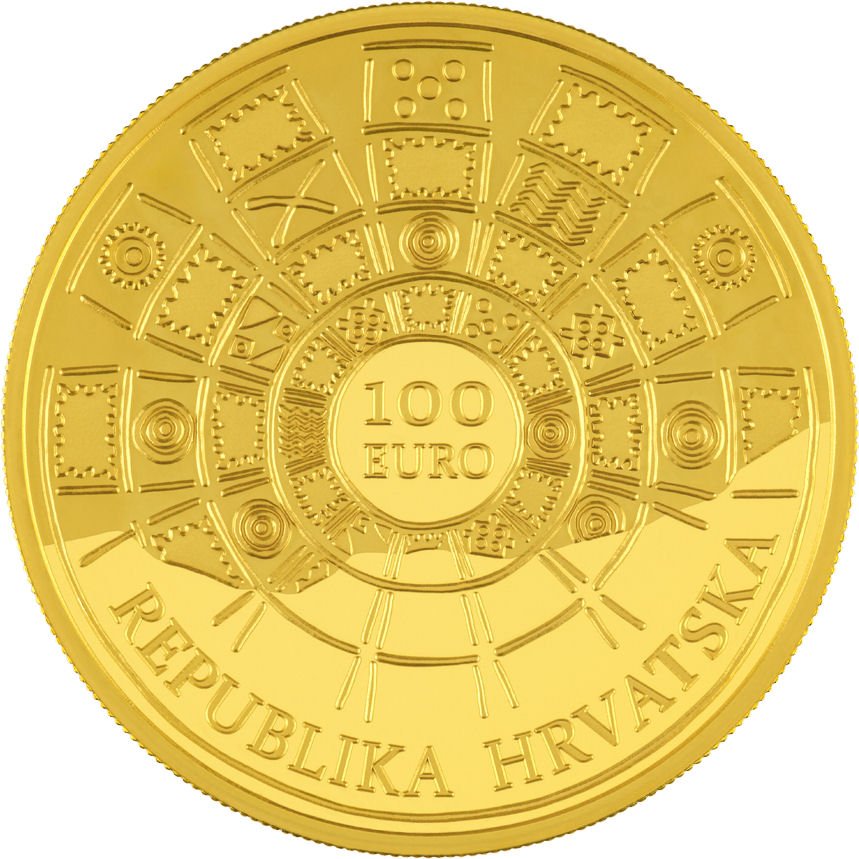
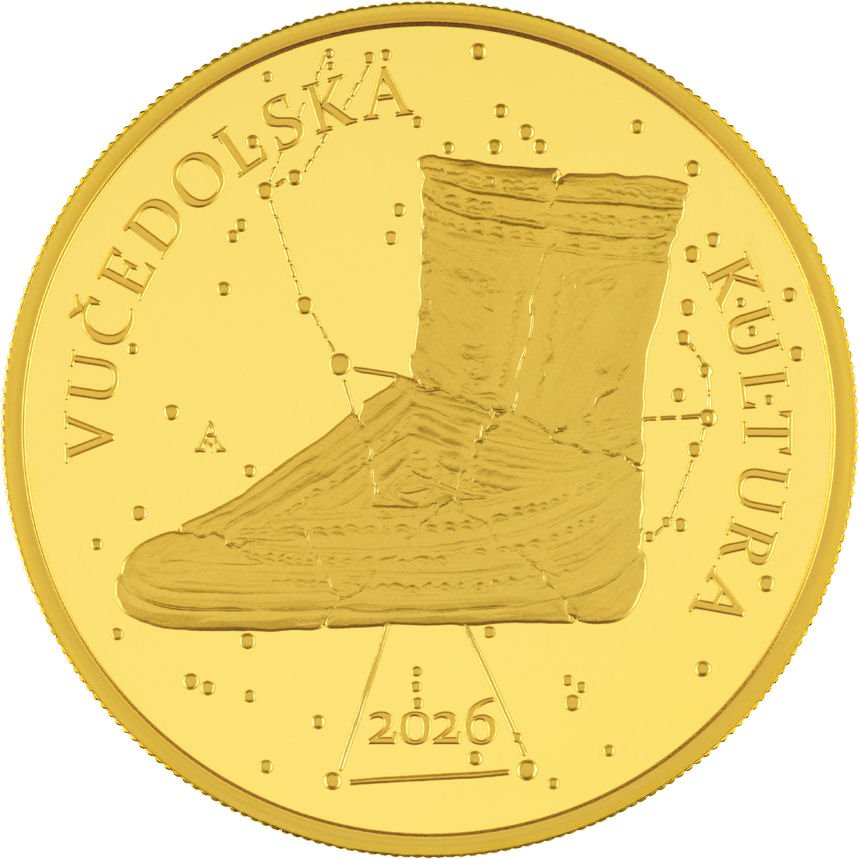
Gold coin, face value: 100 euros, 1 ounce of gold
– metal purity grade: gold 999.9/1000
– mass: 31.103 g
– diameter: 32,00 mm
– forging quality: polished plate
– total quantity: 50 copies
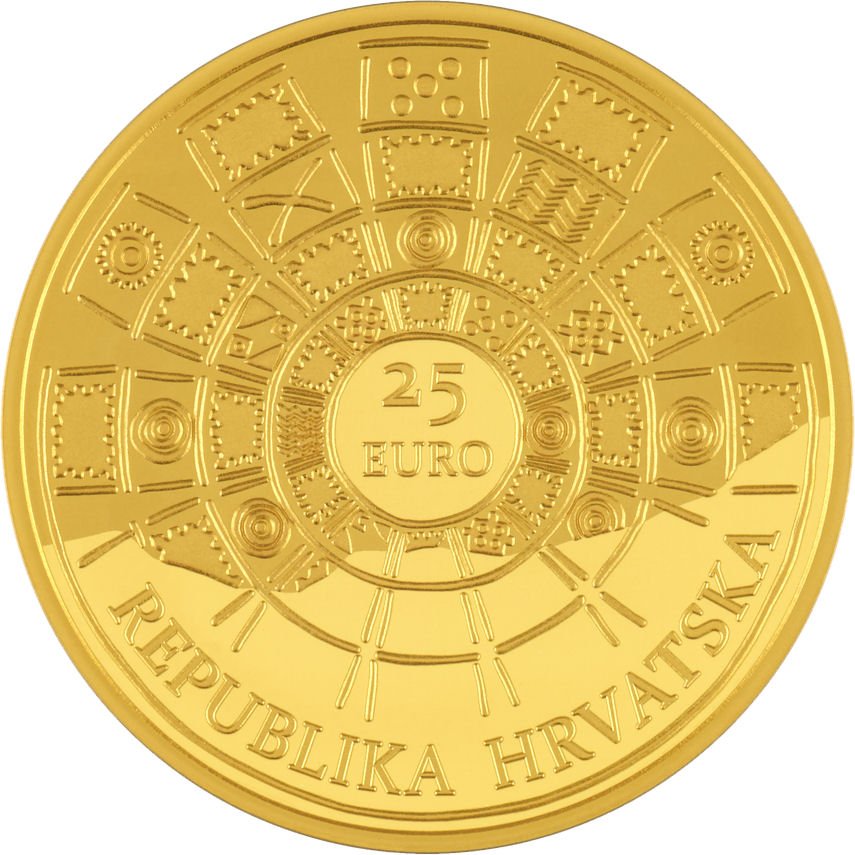
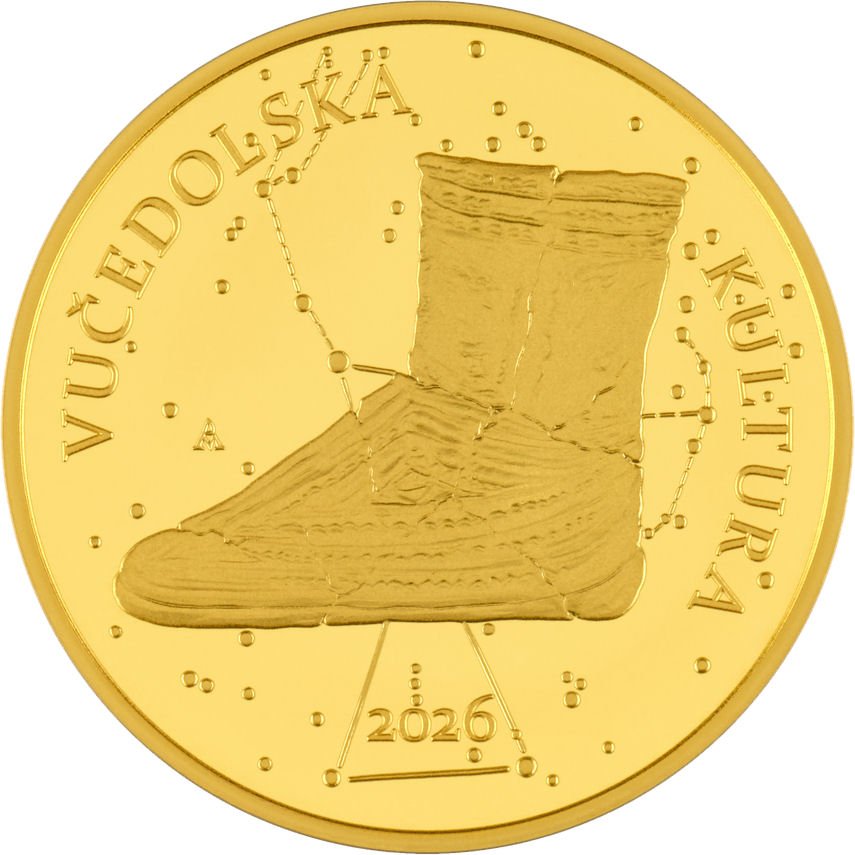
Gold coin, face value: 25 euros, 1/4 ounce of gold
– metal purity grade: gold 999.9/1000
- mass: 7,776 g
– diameter: 22.00 mm
– forging quality: high forging luster
– total quantity: 200 copies
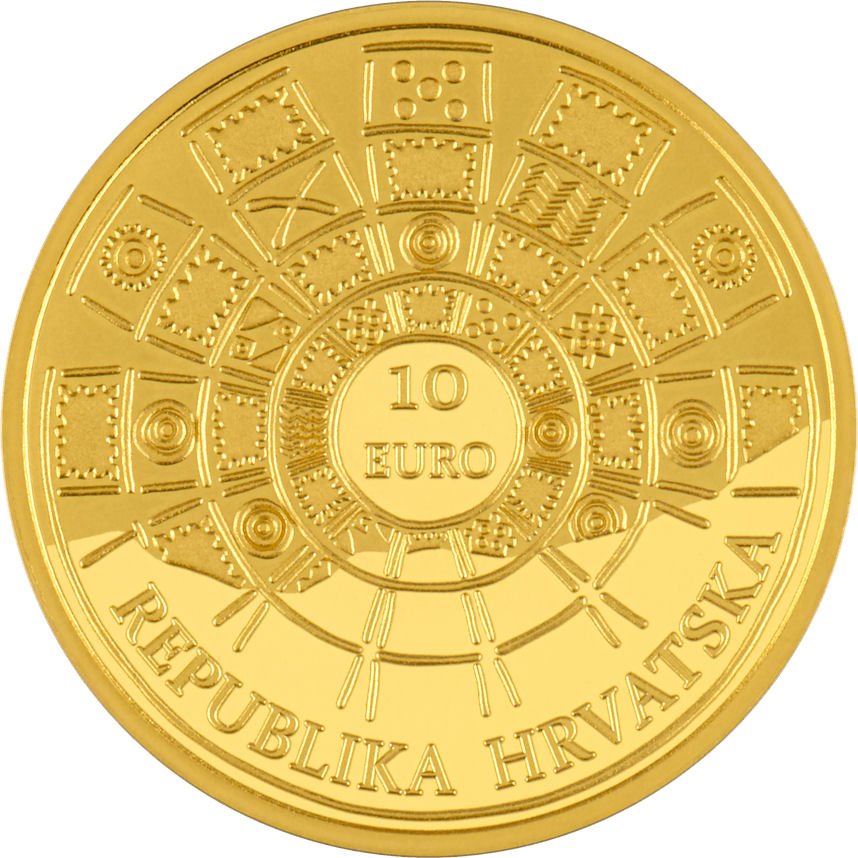
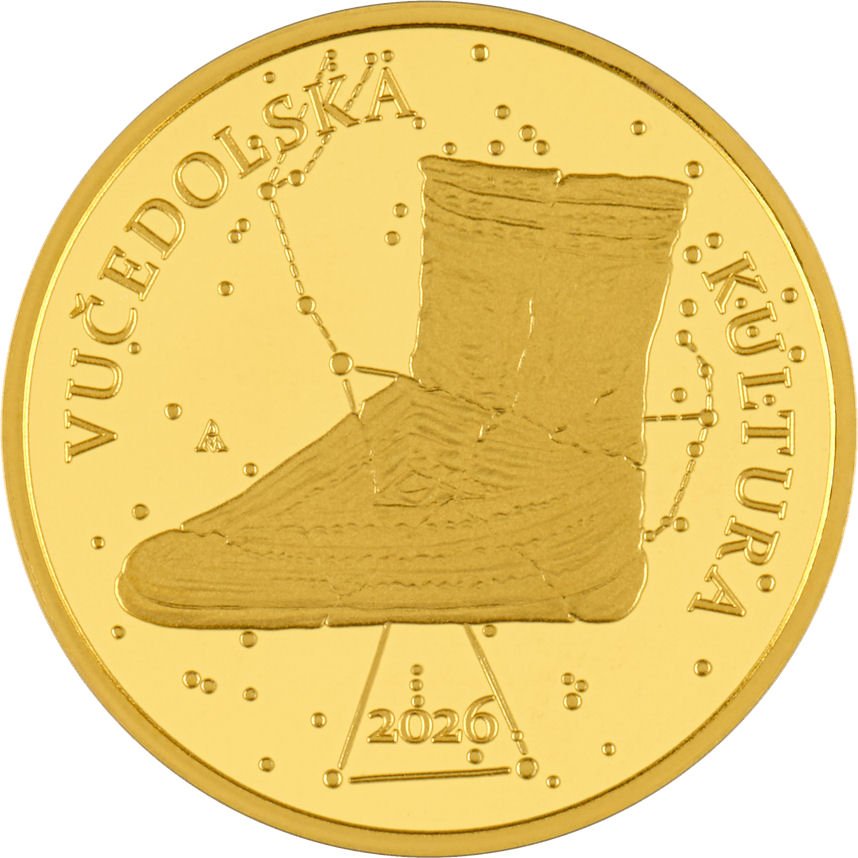
Gold coin, denomination: 10 euros, 1/16 ounce of gold
– metal purity grade: gold 999.9/1000
– mass: 1,944 g
– diameter: 15.00 mm
– forging quality: high forging luster
– total quantity: 1,000 copies
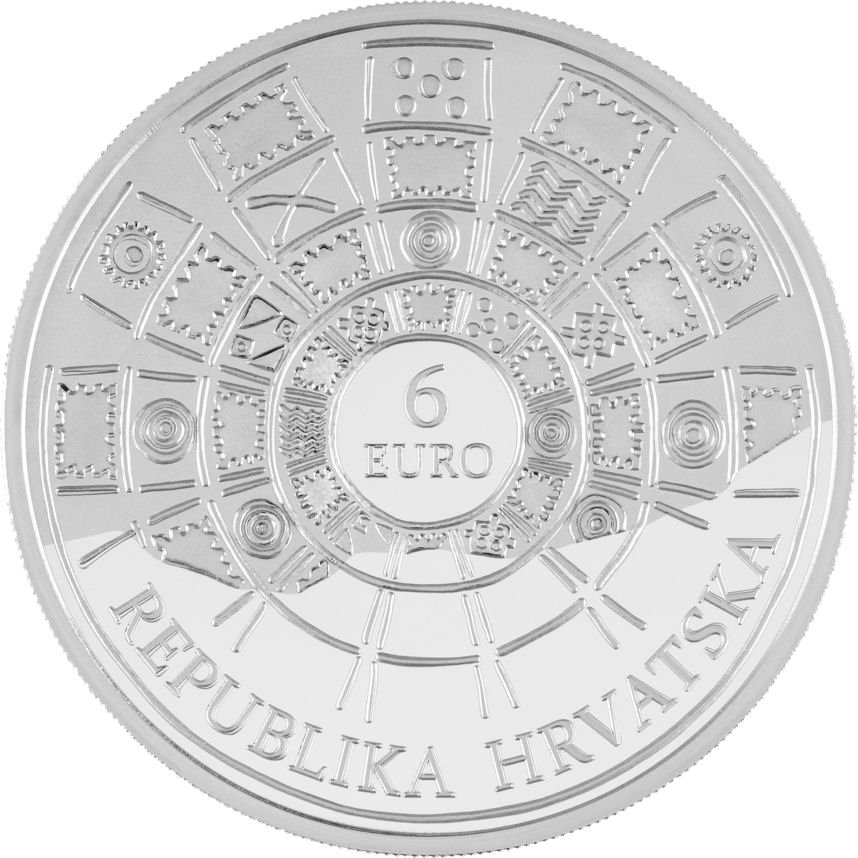
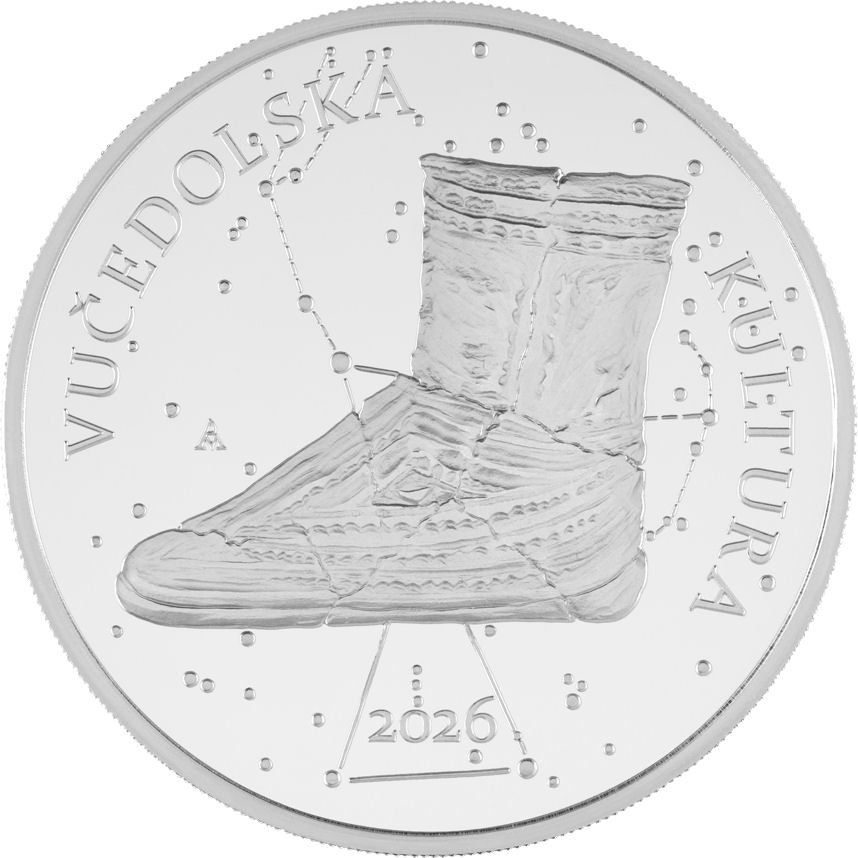
Silver coin, face value: 6 euros, 2 ounces of silver
– metal purity grade: silver 999.9/1000
– mass: 62.207 g
– diameter: 45.00 mm
– forging quality: high forging luster
– total quantity: 200 copies
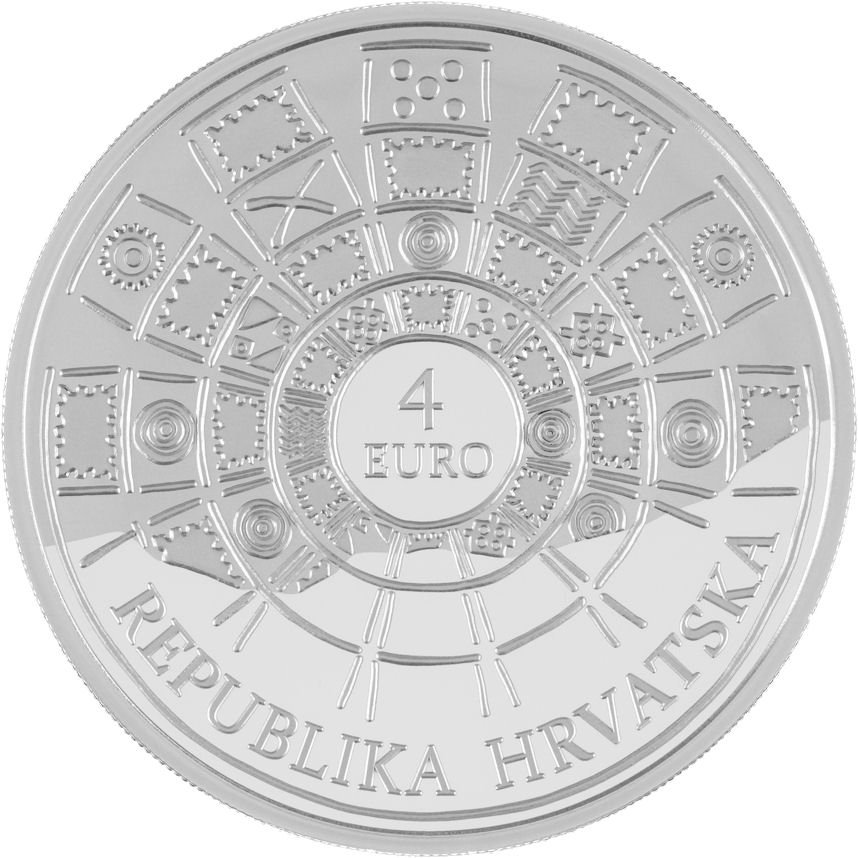
Silver coin, face value: 4 euros, 1 ounce of silver
– metal purity grade: silver 999.9/1000
– mass: 31.103 g
- diameter: 38.61 mm
– forging quality: high forging luster
- Total quantity: 1,500 copies
Coin packaging
The coins come in a standard blue box of the Croatian Mint with a matching white sleeve printed with motifs related to this commemorative coin. Along with the coins comes a certificate signed by the Governor of the Croatian National Bank, and a small brochure about the Vučedol culture.
Numismatic dedication to Croatian prehistoric heritage
The numismatic issue „Vučedol Culture“ represents a blend of archaeology, history, and contemporary Croatian numismatics. Through the motifs of the „Orion“ vessel and the Vučedol boot, objects that testify to the high level of knowledge, skill, and symbolic thinking of the community that lived in these areas more than five thousand years ago have been transferred onto the coins.
With this release, the Vučedol culture also secures a permanent place in modern Croatian currency. The gold and silver coins do not merely represent collector's items, but also serve as a reminder of Croatia's exceptionally rich prehistoric heritage, the significance of which extends far beyond the region where it originated.
During the realization of the edition, motifs and visuals related to objects kept in museum institutions were used. The „Orion“ vessel is located in the permanent archaeological exhibition of the Vinkovci City Museum, while the Vučedol boot is owned by the Vukovar City Museum. Support for the project was also provided by the Museum of Vučedol Culture and the Archaeological Museum in Zagreb.
Note: This article is for the purpose of informing the numismatic community and is not a paid promotion.
Author: Zlatko Viščević with AI assistance
Photos: Croatian Mint