




The numismatic community is based on a shared passion for coins, banknotes, medals, and similar items. For this community to function harmoniously and develop, it is necessary to adhere to some rules of good etiquette.
This etiquette provides guidelines for maintaining mutual respect, fair conduct, and ethical trading. The goal is to create a positive environment where all members can share their knowledge and experiences in a constructive and pleasant manner.
Dealing with
Behavior in the numismatic community
The numismatic community is numerically small and relatively close-knit, so it is extremely important to maintain good interpersonal relationships. Because of this, it is essential to adhere to the rules of etiquette that ensure harmony and respect among collectors and dealers.
Respect and ethical conduct are crucial for the long-term sustainability of good relations and trust within the community. In communication with others, avoid arguments and disputes. In addition to being an indicator of poor upbringing and a weak character, they unnecessarily create tension among community members.
The right to one's own opinion
Within the numismatic community, there is room for different opinions and attitudes. It is important to realize that there is not only one correct way to engage in numismatics. The reasoned presentation of one's own views and respect for the views of others helps to create constructive discussions.
Avoid the “I am right and everyone else is wrong” attitude, because that creates unnecessary tension. Open and tolerant communication contributes to mutual development and better understanding.
Argumentation in discussions
When you state your views or criticisms, always support them with arguments and facts. Discussions should be based on knowledge, relevant sources, and experience, rather than personal preferences.
Using literature, historical sources, or expert opinions gives weight to your claims. This approach to discussions allows for a deeper understanding of numismatics and the avoidance of unnecessary conflicts. In this way, the community grows through quality and constructive discussions.
Avoiding gossip
Gossip is unacceptable behavior that undermines trust and harmony in a community. If you have disagreements with someone, it is best to resolve them directly, in a private conversation. Speaking badly about colleagues behind their backs creates distrust among members.
People who listen to gossip will often assume that you will gossip about them in their absence as well. Respecting colleagues and their private conversations strengthens mutual relationships and trust.
Avoiding lies
Honesty is the foundation of trust in the numismatic community. Lies, whether regarding the condition of coins and other items, their history, or rarity, are quickly discovered and can ruin a person's reputation.
In the long run, transparency and accuracy in communication are far more valued than short-term gains. Once you lose trust, it is extremely difficult to regain it. Maintaining an honest and open approach ensures your long-term reputation in the community.
Hello
Respect for colleagues
Colleagues in the numismatic community deserve the same level of respect as anyone else. Regardless of differences in experience, all members of the community should be treated with dignity.
Belittling or underestimating someone else's knowledge or collection is inappropriate behavior. It is important that we support and develop one another, rather than criticize. Maintaining positive relationships fosters a healthy atmosphere in which everyone can progress.
Reasons for collecting
Everyone has their own reasons for collecting something, whether due to passion, historical value, or financial interest. Respecting the motivations of others is crucial to avoiding unnecessary conflicts. It is not up to us to judge someone's reasons or collection solely based on its financial value. Collecting numismatics often has a personal, emotional dimension that goes beyond money. Therefore, everyone has the right to experience their passion in their own way, without judgment.
Respecting privacy
Respecting collectors' privacy is important for maintaining trust within the community. Do not share information about other people's transactions, prices, or collections without their consent.
Everyone in the community has the right to discretion when it comes to their private affairs. Disclosing confidential information can damage your reputation and trust within the community. Discretion is key to maintaining harmonious and professional relationships among colleagues.
Helping and educating beginners
As a more experienced member of the numismatic community, it is important to help beginners in their development. Sharing knowledge and experience not only contributes to the growth of the community, but also strengthens your reputation among others.
A patient and friendly approach towards beginners encourages their love for numismatics. By introducing new members to the world of collecting, you ensure the future of this hobby. We were all beginners once, so it is important to give back to the community by educating new generations.
Respecting other people's time
Acquiring numismatic knowledge and experience requires time and effort. Reading, researching, and especially researching the numismatic market and prices, are an integral part of collecting.
If you can obtain the information yourself, especially if it is available with minimal effort, invest your own time to do so. It is not appropriate to constantly ask for advice or assessments from more experienced colleagues if you have not at least tried to research something yourself. Respect the time of senior collectors because their knowledge also comes from invested effort. If someone does not want to help you for free and dedicate their time to you, respect that person's stance, because that is a matter of goodwill and free time. People are not obligated to do that for you.
Store
Respecting the agreement
An agreement in numismatic transactions must be sacred. If you have agreed with someone on a sale, exchange, or cooperation, stick to the agreement regardless of whether the situation has changed. Failure to respect the agreed terms leaves an impression of unseriousness and unreliability. If you agree on payment, fulfill your obligation within the agreed deadline. Disregarding agreements and deadlines can significantly damage your reputation in a small community.
Transparency
When selling or exchanging coins (and other items), it is important to be completely transparent about the condition of the item. If the item has any flaws or damage, be sure to mention it. Transparency builds trust between the seller and the buyer and reduces the possibility of misunderstandings. That way you avoid negative reactions and maintain a positive relationship with colleagues. In the long run, such an approach brings much more benefit than hiding information.
If someone is not satisfied with what they received from you, allow them to return the item within a reasonable timeframe. Dissatisfancy with what is received often leads to the termination of cooperation and the disruption of good relations.
Looking at an object
When examining someone else's coins or banknotes, always ask the owner's permission first. Handle the items with care, holding them close above a surface to prevent accidental drops or damage. Never force open boxes, capsules, and the like. Showing consideration for other people's belongings demonstrates respect for the owner. By doing so, you build trust and a good reputation in the community as a careful and responsible collector.
Compliance with the list price
The price someone sets for a coin is a matter of their own assessment and that should be respected. If you think the price is too high, feel free to forgo the purchase, but avoid criticism or attacks. Every seller has the right to determine the price, and the market will decide whether it is justified.
Attacking or insulting someone over the price is considered rude and harms your reputation in the community. Respecting the seller's price shows professionalism and maturity in trade. It is especially inappropriate to make comments about how something is much cheaper elsewhere, comments about the seller's „normality,“ and the like.
Mindfulness of others' business
If you see that some collectors are in negotiations regarding a sale or exchange, do not interfere in their conversation. Interrupting other people's deals is considered undesirable and rude behavior. Let them finish, and only after that can you ask your questions or express interest in something.
Disrespecting someone else's space in agreements can damage your reputation in the community. Patience and understanding show your integrity and respect for your colleagues.
Polite bidding
If someone bought something right in front of you, it is not appropriate to immediately offer a higher price to the seller. Such behavior is considered the height of rudeness and creates tension among community members. Wait for the deal to be concluded, and only then approach the new owner with your potential offer.
Respecting other people's transactions shows your maturity and respect for your colleagues and the community. Be fair and allow others to conclude their business in peace.
These rules create the foundation for building a fair, open, and supportive numismatic community.
Always keep in mind that we are all human beings.
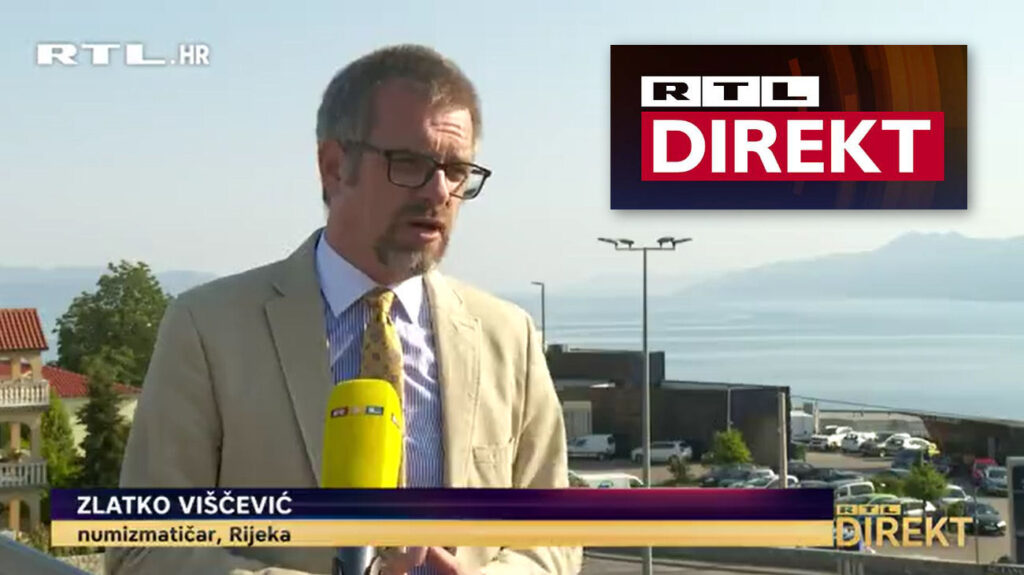
Author: Zlatko Viščević