ARTICLE

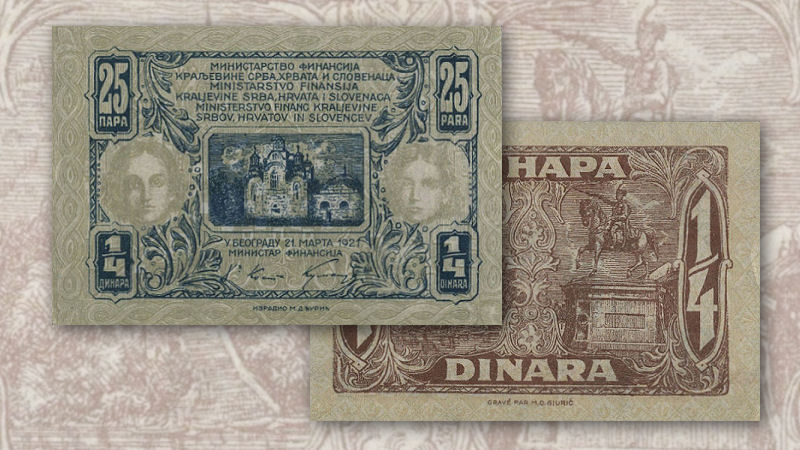
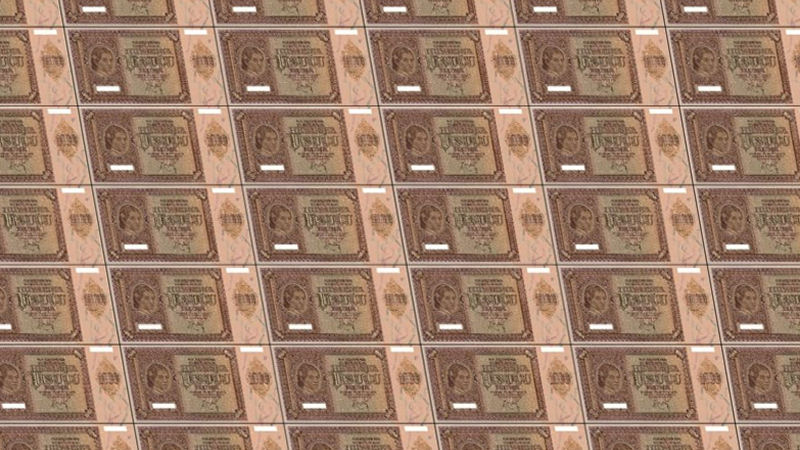
The smallest banknote of the Kingdom of Serbs, Croats and Slovenes: 25 paras from 1921.

Throughout the entire history of Yugoslav money, the 25 para banknote from 1921 represents the smallest paper money denomination ever issued by pre-war Yugoslavia (Kingdom of SCS). The amount of 25 para at that time was equal to a quarter of a dinar. The decision to produce this banknote was made on March 3, 1921.

The smallest banknote of the Kingdom of Serbs, Croats and Slovenes: 25 paras from 1921. Read more »

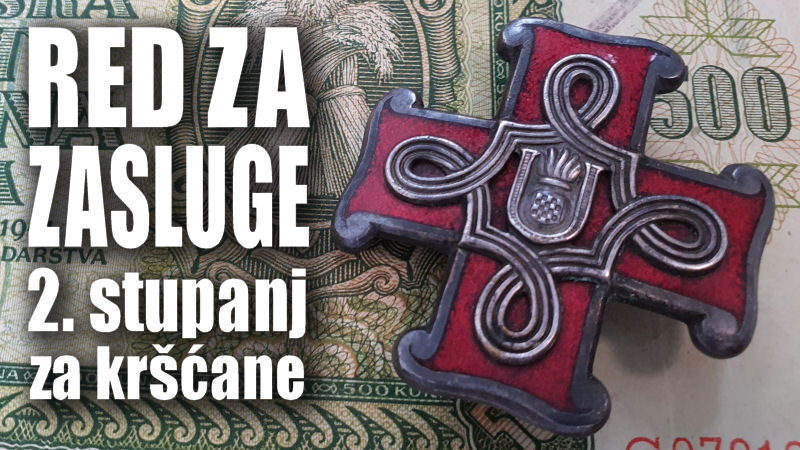
Award presentation: Croatia, Order of Merit 2nd Class for Christians

During its brief existence (1941–1945), the Independent State of Croatia created and awarded numerous decorations. One of these decorations is the Order of Merit, specifically the Order of Merit 2nd Class. This decoration was established on December 19, 1942, by the Legal Decree on the Establishment of the Order of Merit and occupied

Award presentation: Croatia, Order of Merit 2nd Class for Christians Read more »

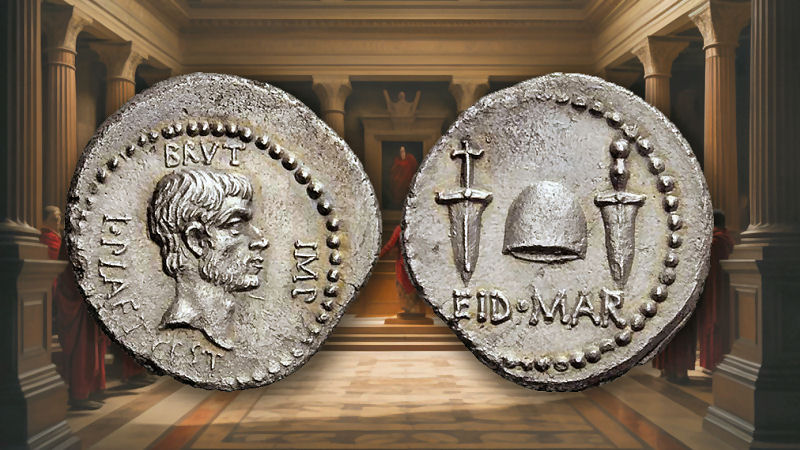
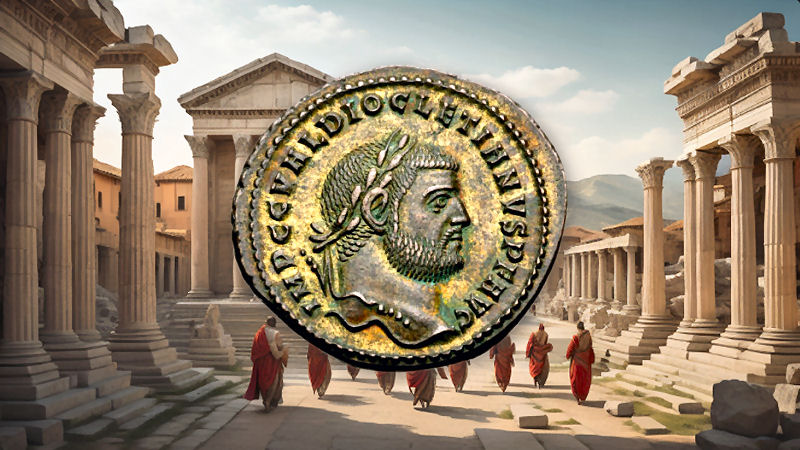
„Even you, Brutus, my son?“ – How the assassination of Gaius Julius Caesar was commemorated on Roman commemorative coins

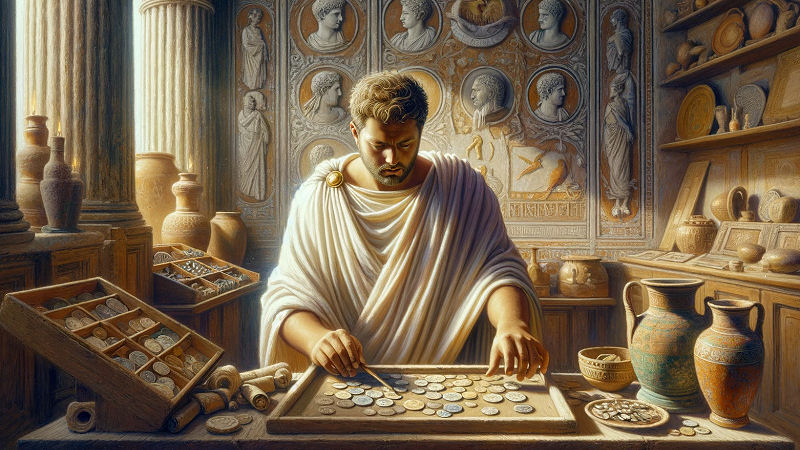
In numismatics, it is completely normal for money to depict events that the issuer—most often the state—considers important. This is especially pronounced on commemorative coins which, as the name itself suggests, are issued on the occasion of certain special events. On such occasions, the money, besides

„Even you, Brutus, my son?“ – How the assassination of Gaius Julius Caesar was commemorated on Roman commemorative coins Read more »

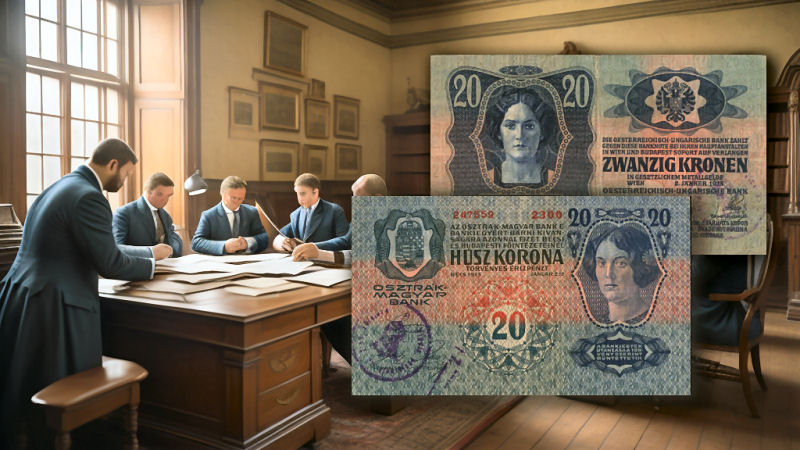
On the Nostrification of Austro-Hungarian Bank Banknotes in the Kingdom of Serbs, Croats and Slovenes

Following the breakup of the Austro-Hungarian Monarchy after October 29, 1918, the banknotes of the Austro-Hungarian Bank remained in circulation in the successor states, in the Kingdom of SCS some even until 1922. In January 1919, the Kingdom of SCS carried out the first nostrification of the found banknotes, prescribing the stamping only of those banknotes issued until

On the Nostrification of Austro-Hungarian Bank Banknotes in the Kingdom of Serbs, Croats and Slovenes Read more »

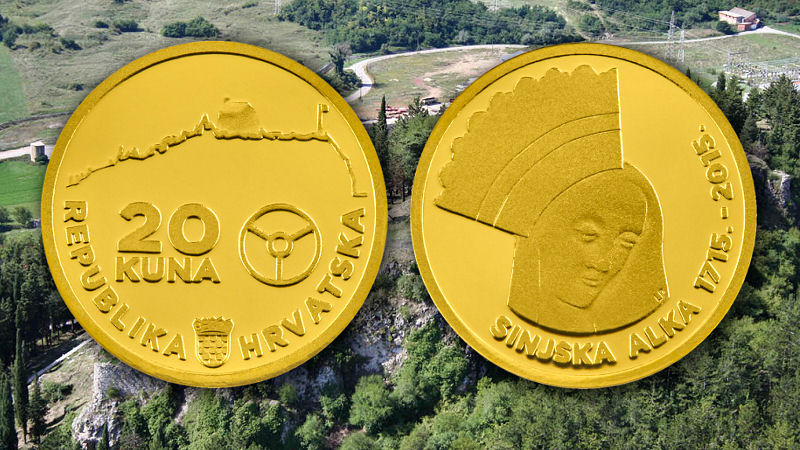
The image of Our Lady of Sinj on the Croatian 2015 commemorative 20 kuna gold coin

Velika Gospa (Vela Gospa) is the feast day of the Assumption of the Blessed Virgin Mary into heaven. It is regularly celebrated on August 15 every year. That day is also a national holiday in the Republic of Croatia. According to Catholic theology, Mary was taken up to heaven body and soul, and the doctrine of

The image of Our Lady of Sinj on the Croatian 2015 commemorative 20 kuna gold coin Read more »

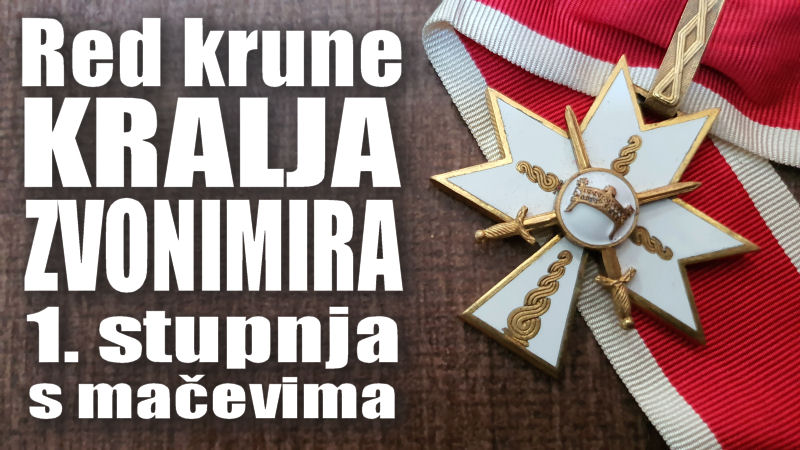
Award Presentation: Croatia, Grand Order of the Crown of King Zvonimir 1st Class with Swords

The Order of the Crown of King Zvonimir 1st Class with Swords is a decoration of the Independent State of Croatia that was established on May 17, 1941, by the Legal Decree on the Establishment of the Order of the Crown of King Zvonimir, and it occupied the 17th place in the order of precedence of decorations of the Independent State of Croatia. It was awarded to domestic and foreign military personnel for

Award Presentation: Croatia, Grand Order of the Crown of King Zvonimir 1st Class with Swords Read more »

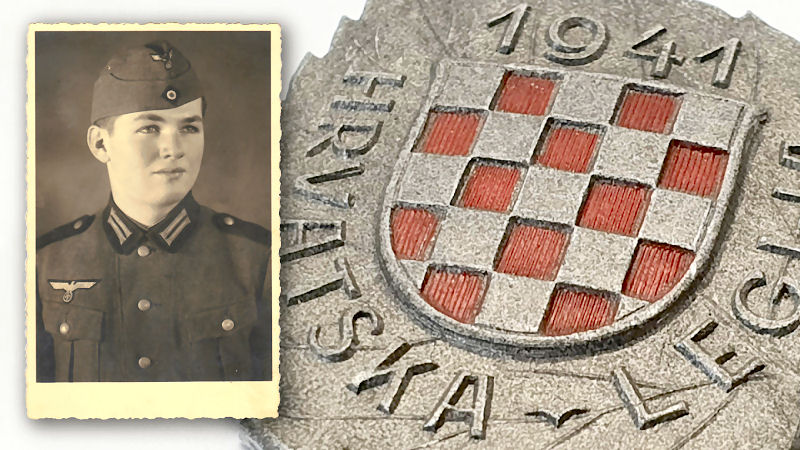
Lipov list – znak Hrvatske legije jednog domobranskog poručnika iz Požege

One of the most interesting insignia from the NDH period is certainly the so-called „linden leaf“ or the Croatian Legion (HL) badge, and the great popularity of this unit raises it above all insignia of the NDH military. The badge was officially prescribed in mid-1942 and all members were entitled to it

Lipov list – znak Hrvatske legije jednog domobranskog poručnika iz Požege Read more »

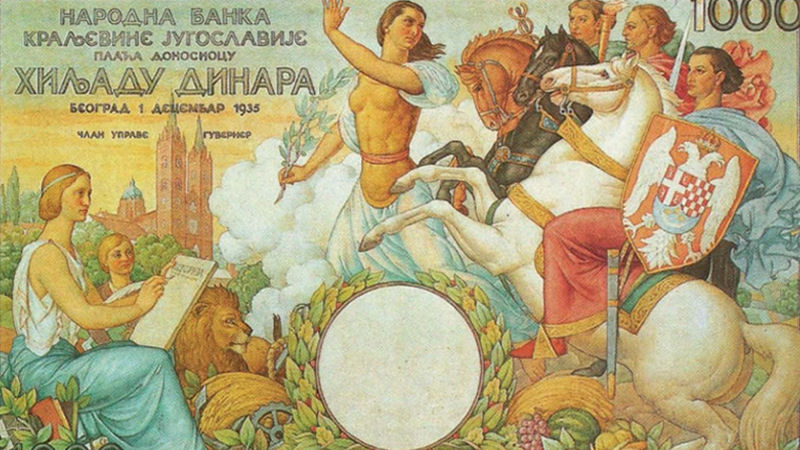
The Political and Ideological Background of the Design and Iconography of Banknotes of the Kingdom of Yugoslavia, 1929–1941

Banknotes of the National Bank of the Kingdom of Yugoslavia – wartime monetary reserves (banknotes “for the needs of national defense” and “for completely extraordinary needs”) The money of the Kingdom of Yugoslavia, 1929 – 1941, just like any other money in the past and today, sends many symbolic messages on multiple levels. By reading them

The Political and Ideological Background of the Design and Iconography of Banknotes of the Kingdom of Yugoslavia, 1929–1941 Read more »

Scroll to Top