




Follis was a type of coin in the Roman and Byzantine monetary systems, which underwent a series of changes throughout its history.
The term “follis” was originally used to describe a large Roman bronze coin introduced around 294 AD, although its actual name remains unknown. This coin weighed about 10 grams and contained approximately 4% of silver, mostly as a thin layer on the surface. However, later research showed that this information was incorrect and that this coin might instead be called “nummus”. In Latin, the term “follis” means a bag (usually made of leather), and there is evidence that in antiquity this term was used for a sealed bag containing a specific amount of coins. It is also believed that the coin was named follis because of the Ancient Greek word “φολίς”, which means a thin metal layer covering the surface of various objects, since this coin originally had a thin silver layer on top.

The follis of Diocletian, despite attempts to impose prices with the Edict on Maximum Prices (301), was revalued and reduced as time went on. During the time of Constantine the Great, this coin was significantly smaller and contained almost no silver. In the middle of the 4th century, a series of Constantinian bronze coins of unclear nominal values was introduced, so they are designated in numismatics as AE1, AE2, AE3, and AE4. These coins differ in size and have diameters of:
AE1 – larger than 25 mm
AE2 – from 21 to 25 mm
AE3 – from 17 to 21 mm
AE4 – smaller than 17 mm

The follis was reintroduced in 498 as a large Byzantine bronze coin worth 40 nummi. This was done as part of the monetary reform of Emperor Anastasius, which included the introduction of a series of bronze denominations with marked values using Greek numerals.
Fals (a term derived from the word „follis“) was a bronze coin issued by the Umayyad and Abbasid caliphate dynasties beginning in the late 8th century, originally created as imitations of Byzantine folles.
Edited: Zlatko Viščević
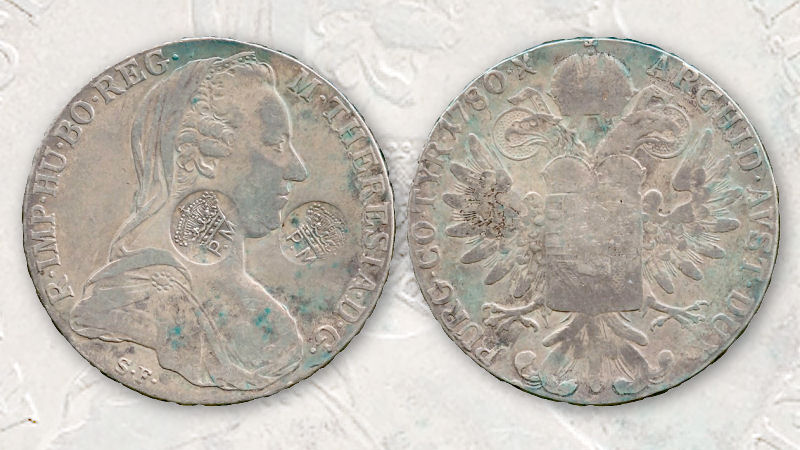
Photos: Classical Numismatic Group [www.cngcoins.com].