Dinar

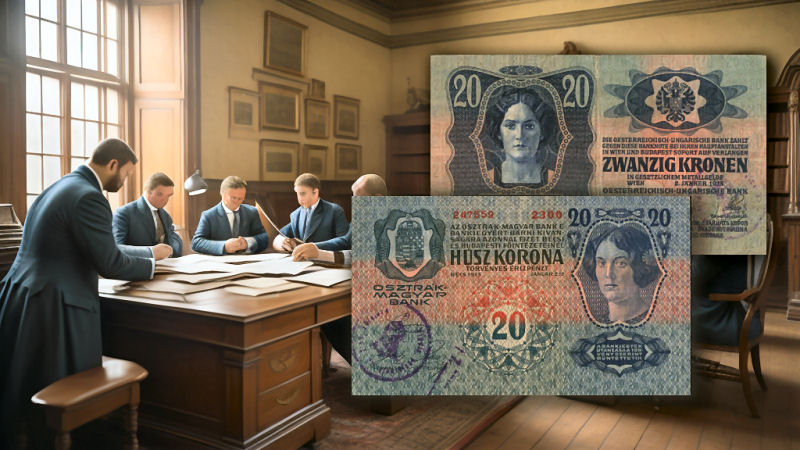
On the Nostrification of Austro-Hungarian Bank Banknotes in the Kingdom of Serbs, Croats and Slovenes

Following the breakup of the Austro-Hungarian Monarchy after October 29, 1918, the banknotes of the Austro-Hungarian Bank remained in circulation in the successor states, in the Kingdom of SCS some even until 1922. In January 1919, the Kingdom of SCS carried out the first nostrification of the found banknotes, prescribing the stamping only of those banknotes issued until
On the Nostrification of Austro-Hungarian Bank Banknotes in the Kingdom of Serbs, Croats and Slovenes Read more »

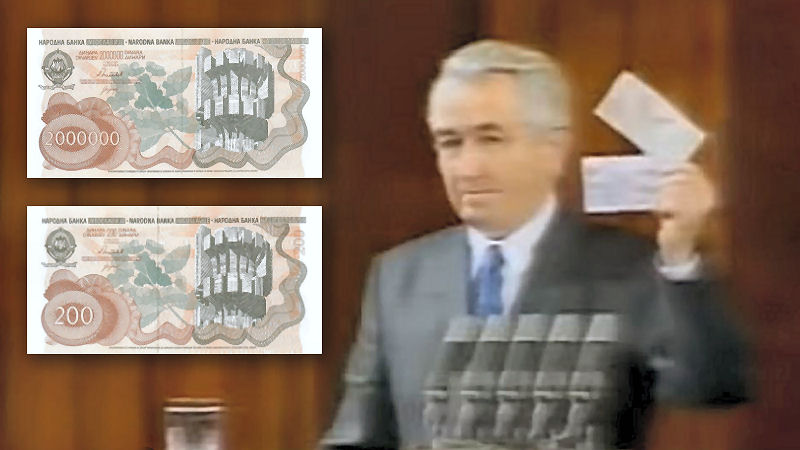
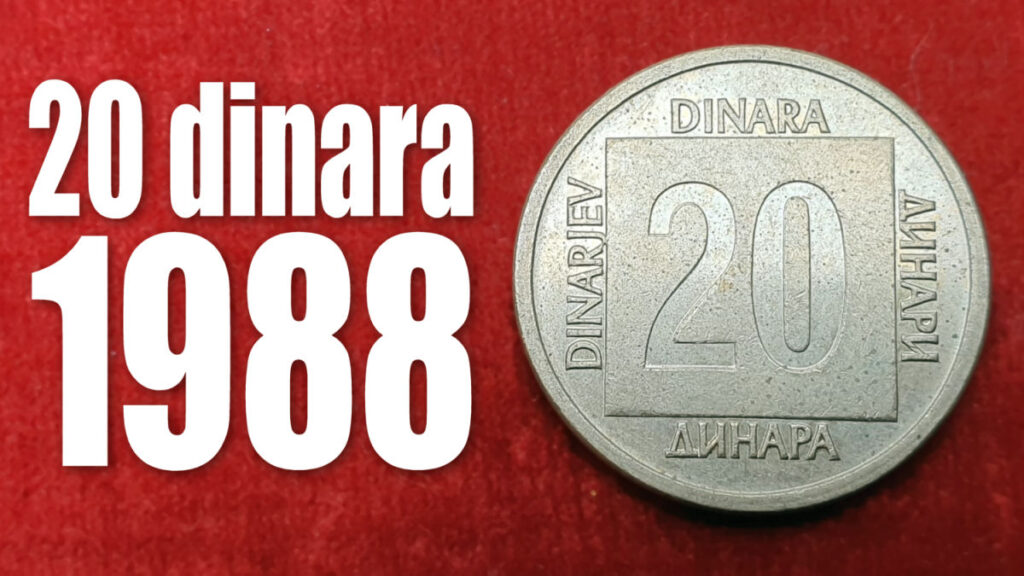
„Removing four zeros from the dinar, the introduction of convertibility, and the economic situation in Yugoslavia in 1990

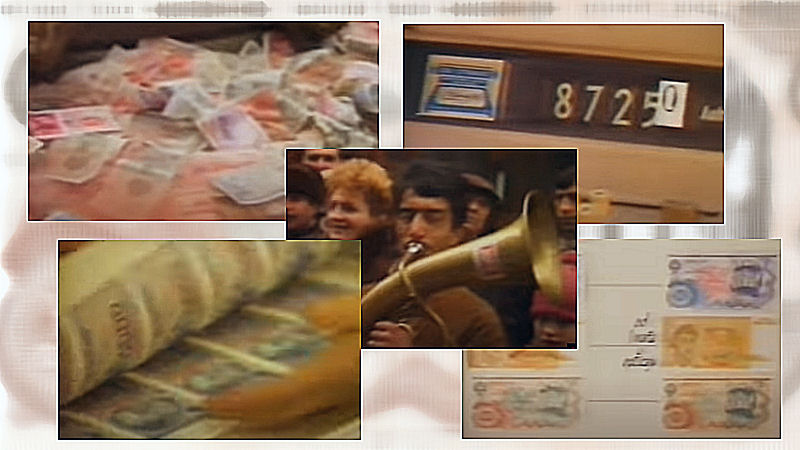
This video vividly depicts what the economic and monetary situation was in Yugoslavia on the „eve of the war,“ in 1990. As part of its economic stabilization measures, the government of Prime Minister Ante Marković „shaved“ four zeros off the dinar and introduced its convertibility. According to the new exchange rate, it was

„Removing four zeros from the dinar, the introduction of convertibility, and the economic situation in Yugoslavia in 1990 Read more »

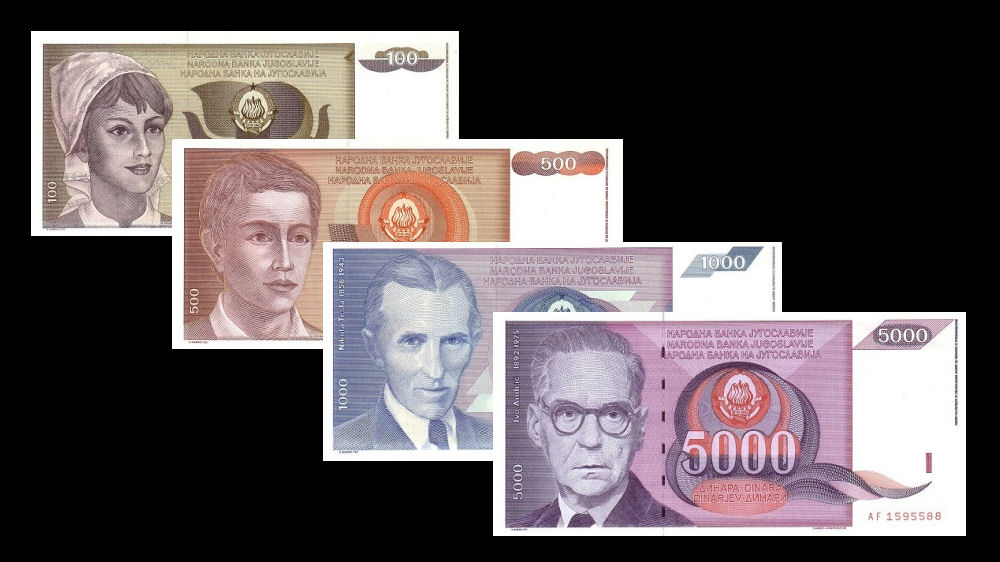
From the HRT Archive: Inflation and the Devaluation of the Dinar in Socialist Yugoslavia

Inflation, devaluation, and the general decline in the value of money have recently become current topics again. We can say that this phenomenon has shocked today's generations and they still cannot recover, wondering how something like this is possible? Especially in the 21st century and in

From the HRT Archive: Inflation and the Devaluation of the Dinar in Socialist Yugoslavia Read more »

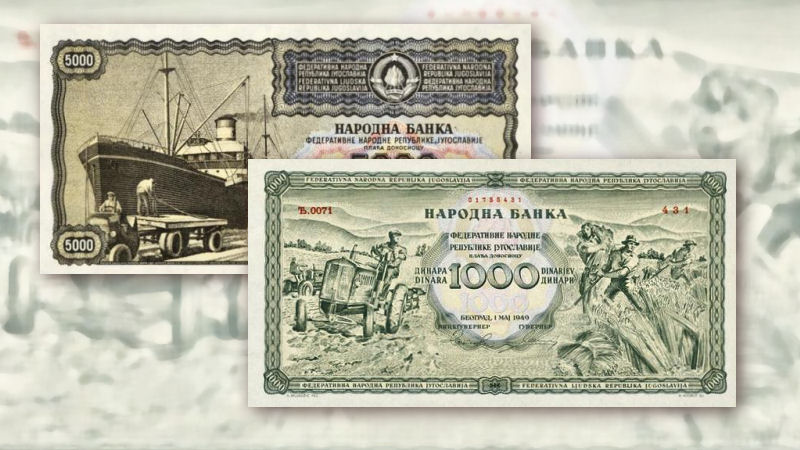
New insights into the appearance of unissued paper banknotes of the FPR Yugoslavia

The National Bank of the Federal People's Republic of Yugoslavia had produced, but never put into circulation, as many as 16 types of paper banknotes, which today are a great rarity and a true treat in the collector's world. The banknotes, about which there is not a single piece of data in official literature except for images, can

New insights into the appearance of unissued paper banknotes of the FPR Yugoslavia Read more »

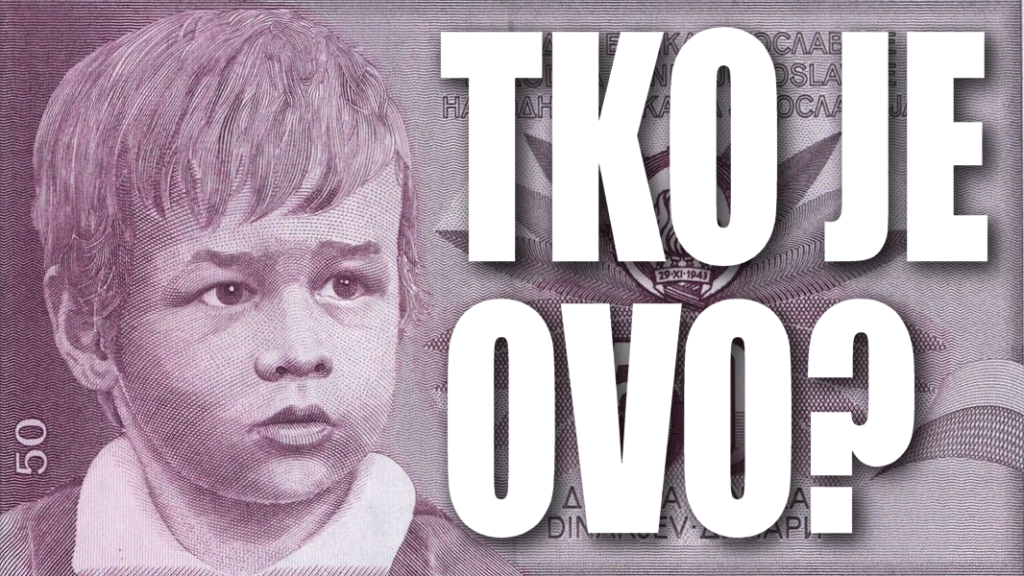
Banknote overview: Yugoslavia 50 Dinars 1990. Boy

After the monetary reform of 1990 and the introduction of the “Marković” dinar, a new 50-dinar banknote dated June 1, 1990, featuring the portrait of a young boy, also saw the light of day. This banknote stylistically relies on newer, more modernly designed Yugoslav banknotes from the mid-1980s. In the numismatic community already for some

Banknote overview: Yugoslavia 50 Dinars 1990. Boy Read more »

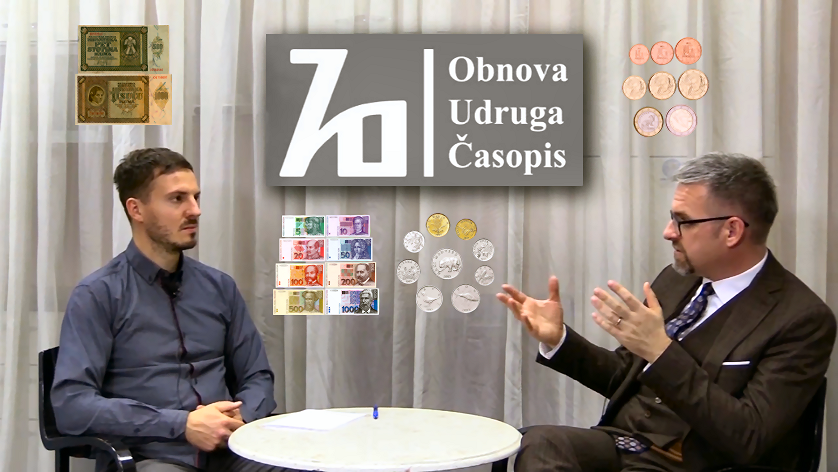
Zlatko Viščević – On numismatics and political iconography on money. An interview for the YouTube channel Obnova.

Political iconography has always been present on currency, from ancient times to the present day. We can say that it is inseparable from money as one of the symbols of a country's statehood. What did political iconography look like on our currency; regarding the banknotes of the Independent State of Croatia; the currency of socialist Yugoslavia,

Zlatko Viščević – On numismatics and political iconography on money. An interview for the YouTube channel Obnova. Read more »

Zlatko Viščević – Statement for RTL Danas on the topic of kuna and lipa – January 9, 2023.

Statement by Zlatko Viščević for RTL Danas on the topic of kuna and lipa coins and their numismatic potential in the future. This topic is already getting a bit boring for the numismatic community, but it is still in the focus of Croatian media due to public interest. Especially since the appearance of the “Pelješac Bridge” phenomenon and the introduction of

Zlatko Viščević – Statement for RTL Danas on the topic of kuna and lipa – January 9, 2023. Read more »

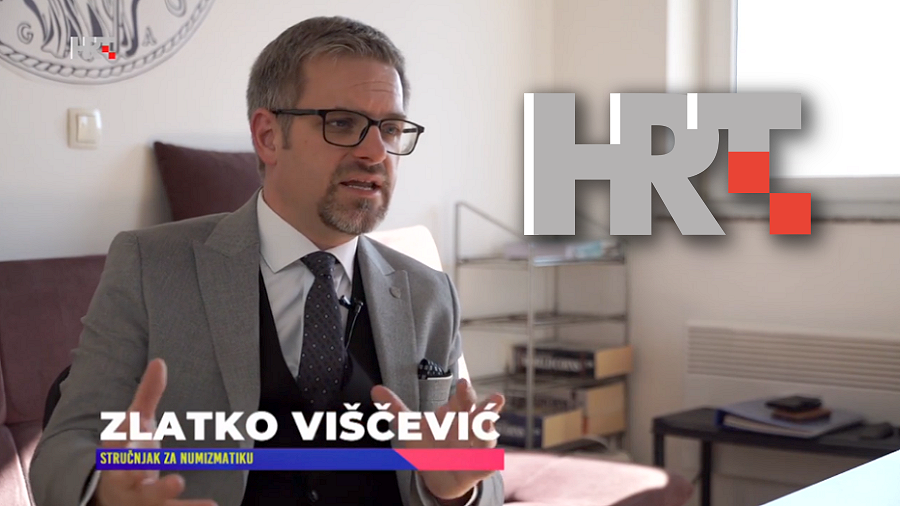
Zlatko Viščević – Statement for the show “Kod nas doma” on HRT on the topic of numismatics – December 9, 2022.

Zlatko Viščević's statement for the show “Kod nas doma” on Croatian Radiotelevision on the topic of kuna and lipa and their numismatic potential in the future. Kunas and lipas, as well as the Croatian euro, have recently been in the focus of the Croatian media, especially after the appearance of the “Pelješac Bridge” and after the sudden increase

Zlatko Viščević – Statement for the show “Kod nas doma” on HRT on the topic of numismatics – December 9, 2022. Read more »

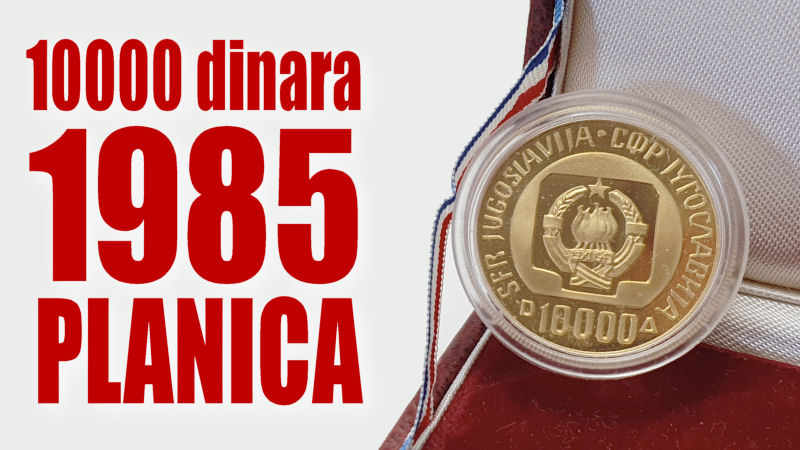
Overview of the gold coin: Yugoslavia 10000 Dinars 1985 World Ski Flying Championship Planica 50

Planica is an alpine valley below the Ponca mountain in Slovenia, and is also home to ski flying. The FIS Ski Flying World Championships were held in Planica in 1985, and Yugoslavia issued commemorative gold and silver coins on that occasion. The commemorative gold coin from this series has a face value of

Overview of the gold coin: Yugoslavia 10000 Dinars 1985 World Ski Flying Championship Planica 50 Read more »

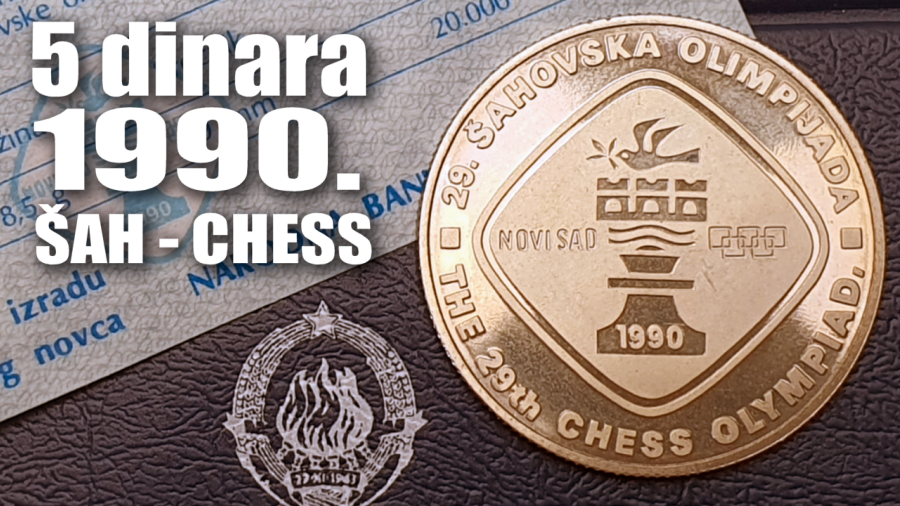
Coin overview: Yugoslavia 5 dinars 1990. 29th Chess Olympiad in Novi Sad

The coin we are presenting in today's video is the last commemorative coin of SFR Yugoslavia before its breakup. This coin was issued on the occasion of the 29th Chess Olympiad, which took place in Novi Sad from November 16 to December 4, 1990. In this video, we bring you an overview of this coin; basic information; technical data, and a description.

Coin overview: Yugoslavia 5 dinars 1990. 29th Chess Olympiad in Novi Sad Read more »

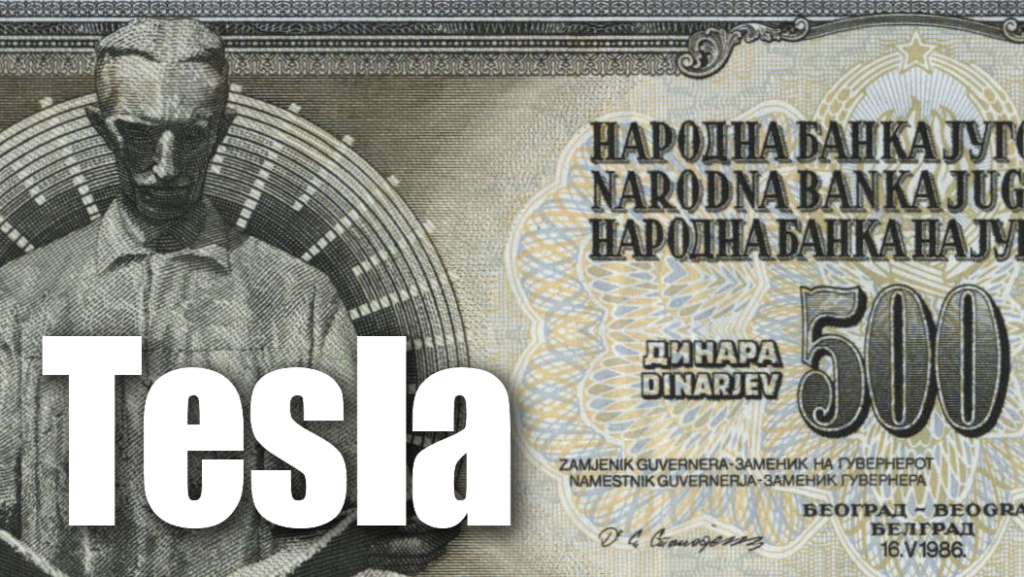
Banknote view: Yugoslavia 500 Dinars 1986 Nikola Tesla

In today's video, we are presenting the 500 dinars banknote of the Socialist Federal Republic of Yugoslavia with the issue date of May 16, 1986. The banknote features the image of Nikola Tesla, specifically the sculpture of Nikola Tesla created by the Croatian sculptor Frano Kršinić. For this type of banknote, there are two more issue dates: August 12, 1978, and

Banknote view: Yugoslavia 500 Dinars 1986 Nikola Tesla Read more »

Scroll to Top