Dinar

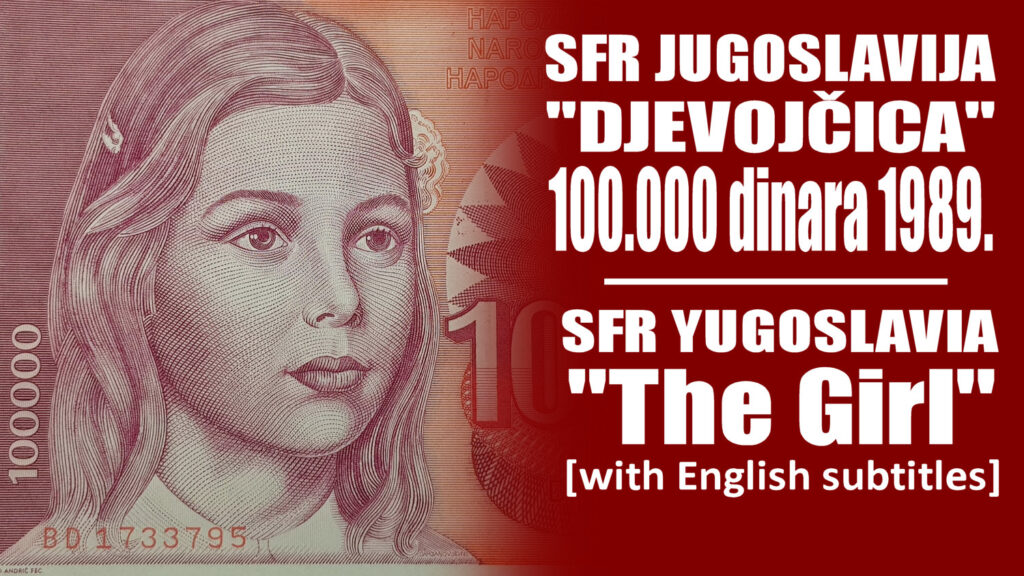
Banknote overview: Yugoslavia 100,000 Dinars 1989 Girl

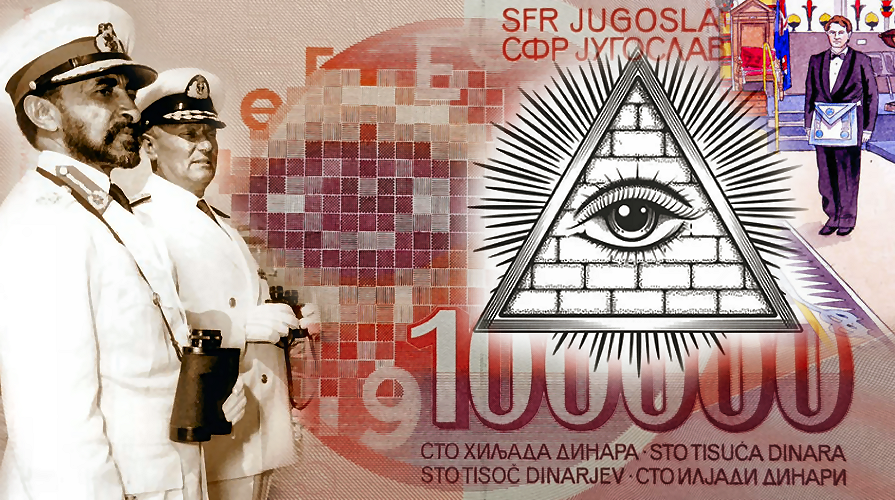
The 100,000 dinar banknote with the issue date of May 1, 1989, is one of the most recognizable Yugoslav banknotes from the late 80s. Many know it by the name “girl,” although it was also called “červena” (črvena, červenka). At the time of its release into circulation, it was the banknote with the highest nominal value ever.

Banknote overview: Yugoslavia 100,000 Dinars 1989 Girl Read more »

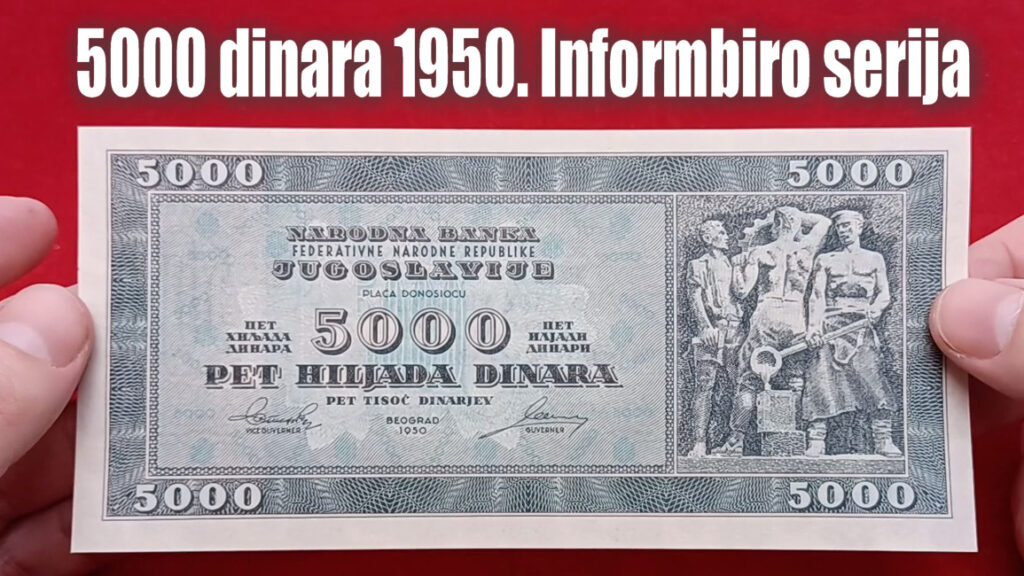
Banknote overview: Yugoslavia 5000 Dinars 1950 Informbiro series

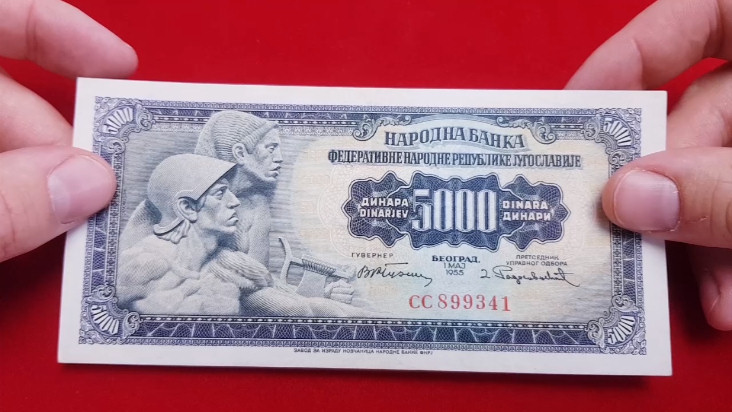
In today's video, we are presenting a banknote from the “Informbiro series” – 5,000 dinars 1950. This is an unissued banknote that belongs to a reserve series of banknotes normally used in extraordinary circumstances such as war. The name “Informbiro series” arose from the political circumstances in which Yugoslavia

Banknote overview: Yugoslavia 5000 Dinars 1950 Informbiro series Read more »

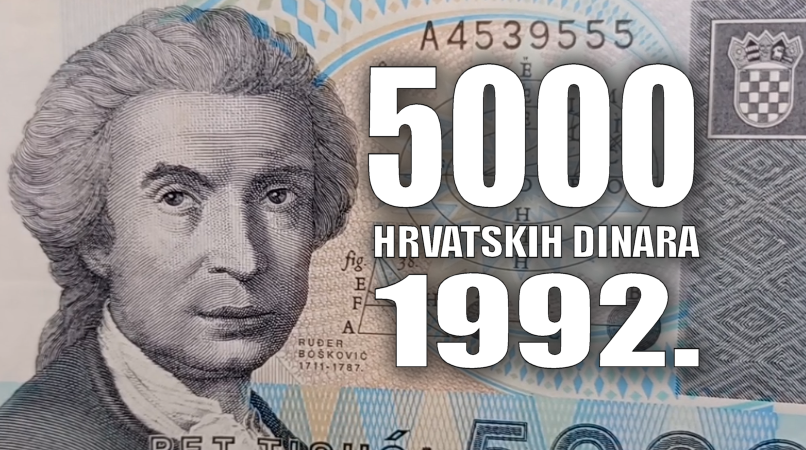
Banknote description: Croatia 5000 Croatian dinars 1992. Ruđer Bošković

Croatian dinars were the temporary Croatian currency until the introduction of the kuna and lipa in 1994. Croatian dinar banknotes are characterized by the portrait of Ruđer Bošković on the obverse. Due to inflationary pressures on the Croatian dinar, banknotes of higher denominations of 1000 Croatian dinars were put into circulation. In this video we bring

Banknote description: Croatia 5000 Croatian dinars 1992. Ruđer Bošković Read more »

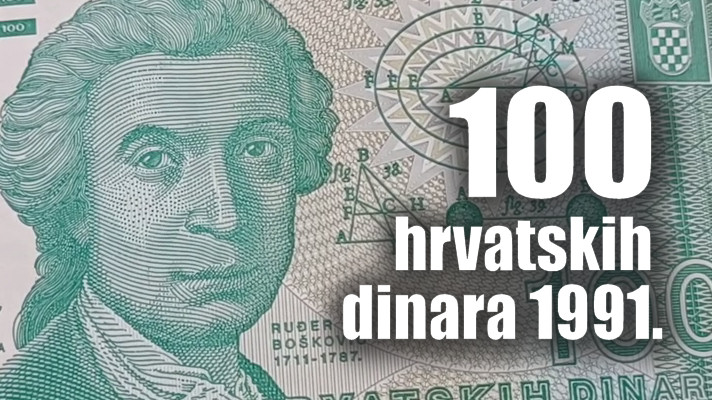
Banknote presentation: Croatia 100 Croatian dinars 1991. Ruđer Bošković

Croatian dinars were the provisional Croatian currency until the introduction of the kuna and lipa in 1994. The Croatian dinar banknotes are characterized by the portrait of Ruđer Bošković on the obverse, and they were designed by Zlatko Jakuš. In this video, we present a 100 Croatian dinar banknote from 1991, its description, and

Banknote presentation: Croatia 100 Croatian dinars 1991. Ruđer Bošković Read more »

Money in the Republic of Ragusa

This video, produced by the Museums of Dubrovnik, discusses the currency of the Republic of Dubrovnik. Dino Lokas, curator of the Cultural and Historical Museum, talks about the development of Dubrovnik numismatics, the currency issued by the Republic of Dubrovnik, the relationship between different Dubrovnik coins, and the historical circumstances that influenced them

Money in the Republic of Ragusa Read more »

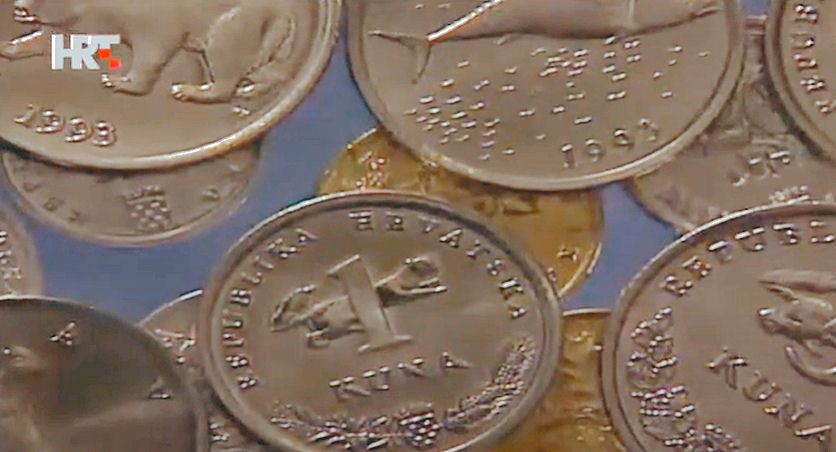
From the HRT archive: Introduction of the kuna, May 30, 1994.

On the national holiday of Statehood Day on May 30, 1994, Croatia introduced a new currency – the kuna, which became the official money in the independent Republic of Croatia. The kuna was divided into 100 lipas and represented the fulfillment of a long-standing desire for financial independence after the breakup of Yugoslavia. Although

From the HRT archive: Introduction of the kuna, May 30, 1994. Read more »

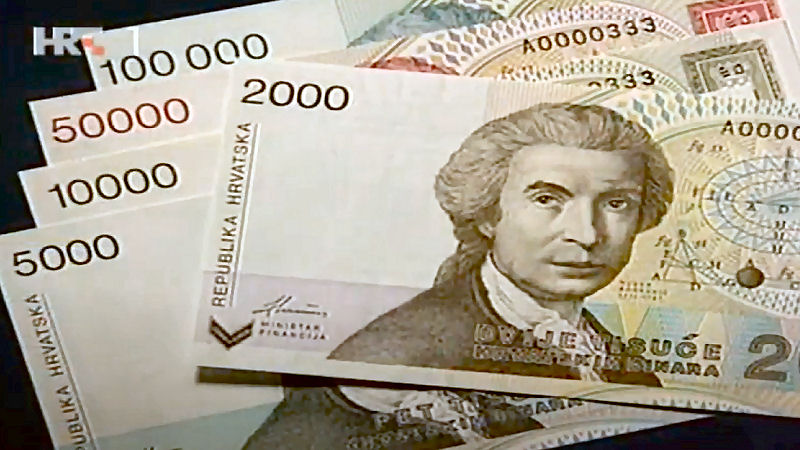
From the HRT archive: Croatia gets its own currency

After achieving state independence, despite the lack of international recognition, the Republic of Croatia managed to achieve monetary independence even in difficult wartime conditions. This happened on December 23, 1991, when it introduced a new currency, the Croatian dinar, as a replacement for the previous Yugoslav dinar. The value of the money replaced by the Croatian dinar was

From the HRT archive: Croatia gets its own currency Read more »

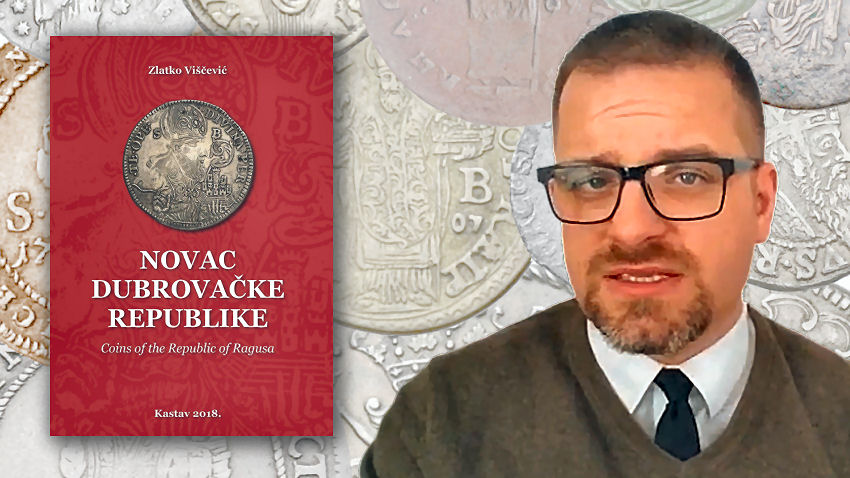
Book promotion “Money of the Republic of Ragusa” in Dubrovnik, Libertas TV

The local Dubrovnik television, Libertas TV, produced a report on the promotion of Zlatko Viščević's book „The Currency of the Republic of Dubrovnik,“ which was held at the Sponza Palace in Dubrovnik. The speakers at the promotion were: Darko Milošević, Marin Ivanović, Nikolina Pozniak, and Zlatko Viščević. The segment was broadcast on Libertas TV on March 14, 2019.

Book promotion “Money of the Republic of Ragusa” in Dubrovnik, Libertas TV Read more »

Scroll to Top