



In this article, we discuss denomination markings on currency and their development throughout history. We show how these markings gradually evolved and became key elements in facilitating the exchange of goods through money.

Roman dupondius. Source: Wikipedia [www.wikipedia.org].
Denomination markings on currency have a long history stretching across various civilizations and time periods. In classical antiquity, for example, Greek coinage did not have clearly marked values in the form of numbers or words. Markings appeared only occasionally or were absent altogether. Similarly, in Rome during the republic, letters or symbols were used on money as a type of marking, but this practice was subsequently abandoned. Instead, coins had common conventional names based on the three metals and the size of the denomination, such as the as, dupondius, sestertius, and the like.

Slavonian banovac. Source: Coins, Banknotes & Militaria Store [www.cbm-store.com].
In the Middle Ages, denomination marks on currency were rare for several reasons. First, there were only two denominations, the denarius and the obol, and also most people at the time were illiterate. In addition, when copper coins began to be minted, it was relatively easy to distinguish them from silver coins based on the material.

Prague groschen. Source: Wikipedia [www.wikipedia.org].
Around 1300, the designation “grossus” appears on the larger silver coins of the Czech King Wenceslaus II. This designation meant “denarius grossus,” which means large denarius, as opposed to the ordinary or small denarius used until then. From this name “groschen,” the well-known name for silver currency in some regions also originated. Later, when thalers began to be minted, value designations in kreutzers appeared on some thalers, such as thalers with designations of 60 or 72 kreutzers. Similar value markings also appeared on the currency of the Byzantines, Merovingians, and Vandals in different time periods.

Austro-Hungarian krone (for the Hungarian part of the monarchy). Source: Coins, Banknotes & Militaria Store [www.cbm-store.com].

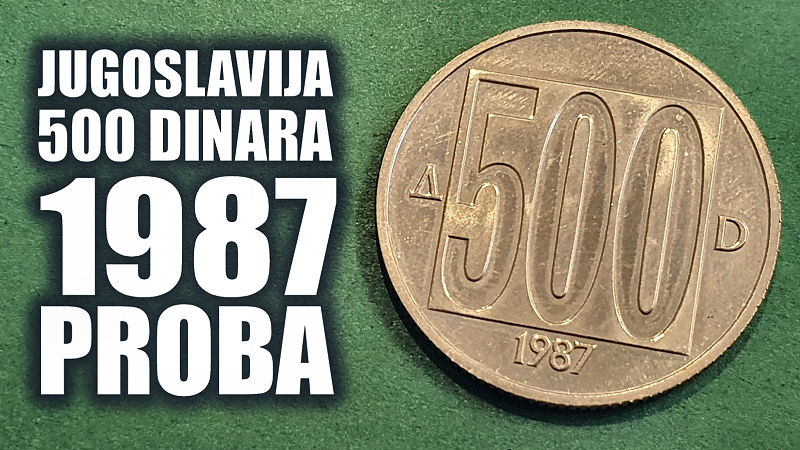
The development of denomination markings on currency reflected the needs of commerce and facilitated the exchange of goods. As trade and monetary systems became more complex, the need for clear denomination markings became increasingly important. In the modern era, denomination markings on currency have become standardized and include numerical values and inscriptions in the language of the issuing country.
Today, denomination marks on currency are key elements that enable the recognition of monetary units and facilitate trade. Without these marks, the exchange of goods through money would be difficult and uncertain. Therefore, although denomination marks on currency only developed in recent times, their importance in the monetary system is unquestionable.
Edited by: Zlatko Viščević
Photos: Adobe Stock Images [stock.adobe.com], Coins, Banknotes & Militaria Store [www.cbm-store.com]; Wikipedia [www.wikipedia.org]