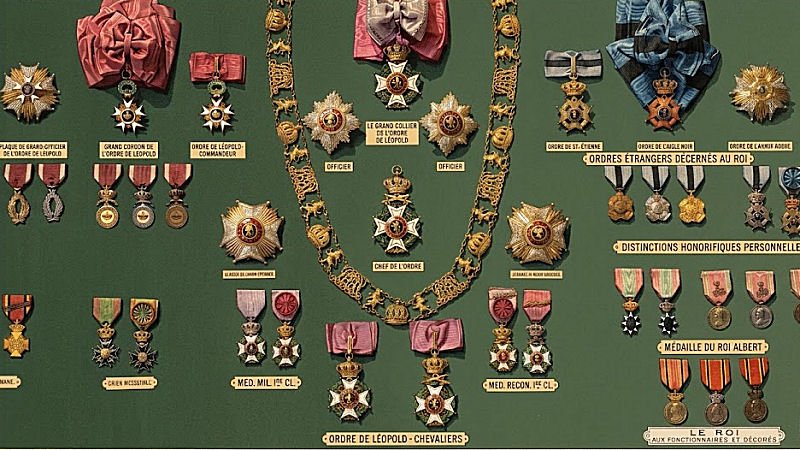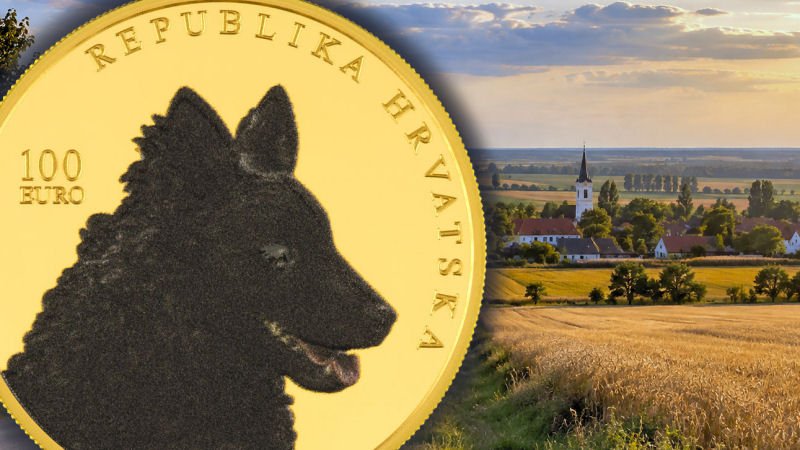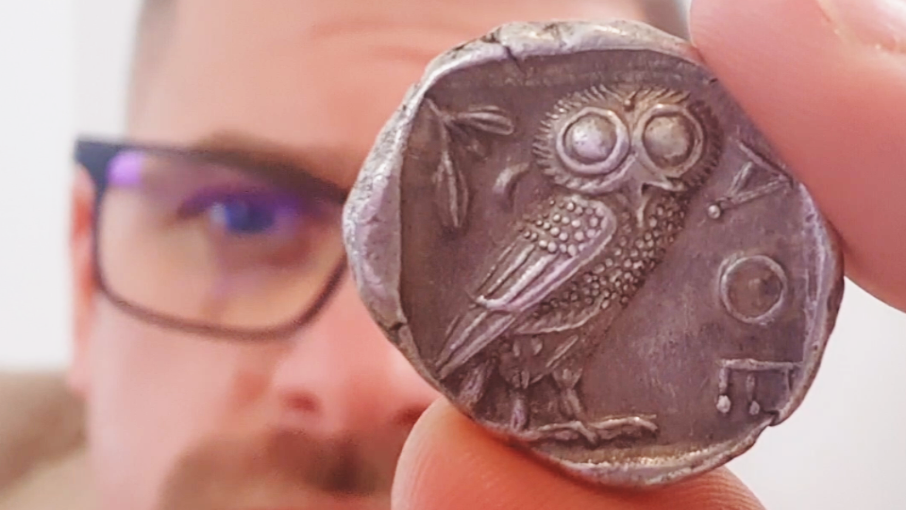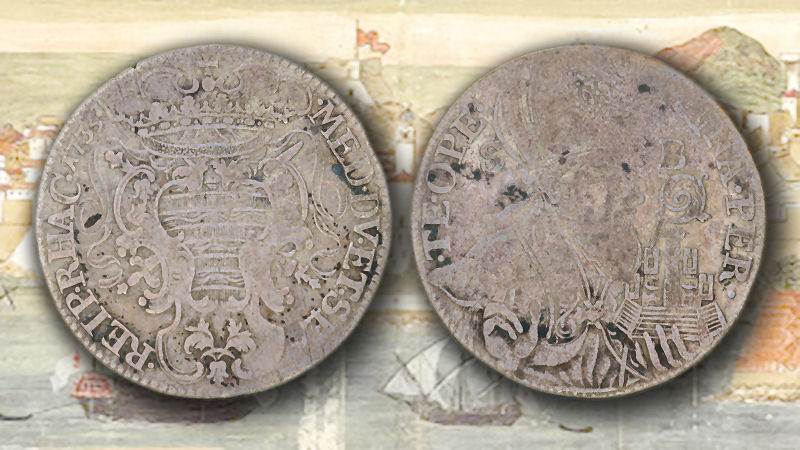




During the period when it was just a hobby, and especially later when it became a scientific discipline, numismatics continuously developed. The development was accompanied by frequent innovations that enabled collectors, archaeologists, and historians to more easily access information (in the form of catalogs), properly sort and preserve the same (first numismatic cabinets and later various types of albums). Nowadays, with the introduction of computers, it has become easier to catalog the collections themselves (software), and the greatest advancement in the future is seen in the introduction of artificial intelligence into the processes of determining originality and quality.
The problems collectors faced during the development of numismatics were diverse, and the most common and significant ones were determining the originality and quality of coins and banknotes. These problems became most pronounced during sales, purchases, and exchanges, especially when dealing with direct trade without intermediaries (auction houses or serious dealers). To solve all these and many other problems in increasingly demanding collecting circles, the well-known American numismatist William Sheldon proposed in 1948 a numerical scale from 1 to 70 that would be used to determine the quality of coins. This scale is still called the Sheldon Scale today. Before the introduction of standardized grading, valuations often relied on subjective opinions of individuals, which led to disagreements and distrust in the market. Today, thanks to Sheldon’s scale from 1 to 70, the condition of a coin or banknote can be precisely defined.
As the numismatic market became increasingly serious in the early seventies, the American Numismatic Association introduced a certification service that initially dealt exclusively with determining the authenticity of coins while by the mid-seventies they began to also deal with assessing the quality. In the eighties of the twentieth century there was an innovation in the form of the encapsulation of coins (the coins are placed in capsules like the ones we still use today) that came from the minting process. In the mid-eighties two leading global companies emerged that still deal with independent quality assessment, the authenticity of coins and banknotes, or what we today call minting, namely PCGS and NGC. Later other companies appeared but none have yet achieved the expertise and quality of these two. The production of coins and banknotes is generally a process of determining five components: the quality of the minting, the preservation of the surfaces, the shine, the color, and the beauty of the coins and banknotes; however, today we will not deal in detail with this process.
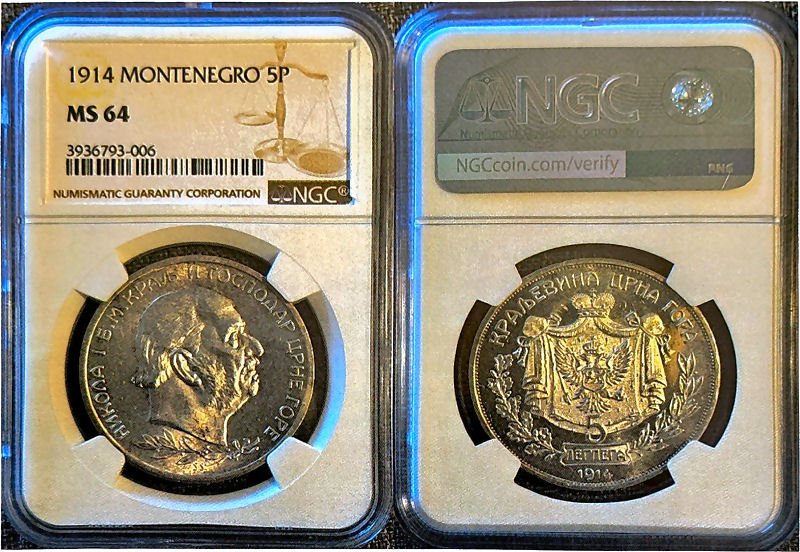
Numismatic objects primarily represent an important part of history, because they testify to the political, economic, and cultural circumstances of a particular time. Their proper evaluation and preservation contribute to the protection of cultural heritage. From today’s perspective, more than 50 years after the introduction of numismatics, we can see the significance it has achieved in the numismatic market. Numismatics introduces order, rules, and standards that allow for a more serious approach to this hobby and the science. Thanks to this, numismatics enjoys a much higher reputation than before and attracts an increasing number of interested people. In the judgment of a large number of numismatists, this process reduces the number of frauds and increases trust, especially among young, beginner collectors who do not have sufficient experience in determining quality and originality. In addition, numismatics contributes to the protection of numismatic material. When minted coins and banknotes are professionally evaluated, they are placed in special protective packaging that protects them from damage, moisture, and external influences. This is especially important for rare and valuable specimens that have historical and cultural significance. It is known that all numismatic material from the Smitsonian Museum is minted and protected by NGC, one of the two most famous minting companies.
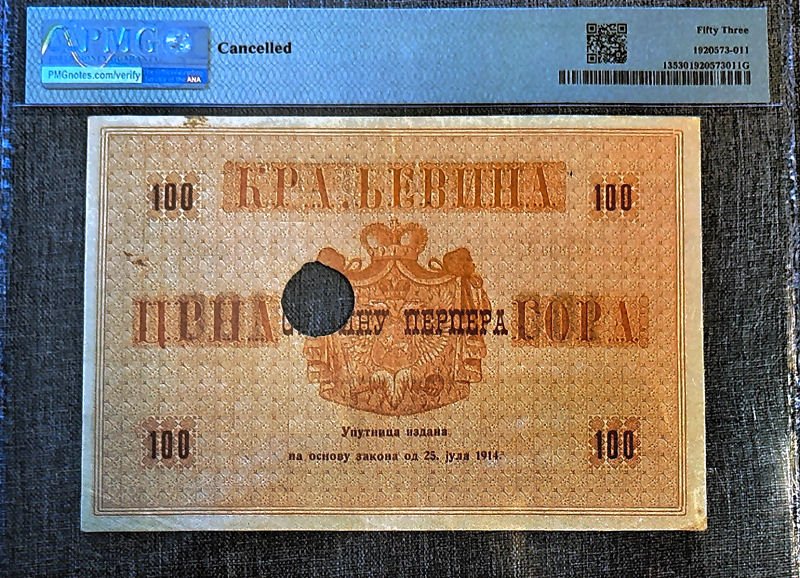
Grading plays an important role in preventing counterfeiting. Experts who perform evaluation simultaneously verify authenticity, thereby reducing the risk of buying fake coins or banknotes. In this way, security and trust among participants in the numismatic market are increased. Nowadays, numismatics is not just a hobby but also a form of investment. The importance of grading is reflected in determining the market value. Even a small difference in evaluation can mean a significant difference in price. There are examples where coins that only had one step of preservation on the Sheldon scale were valued several times higher on the Sheldon scale. This means that a coin of the same type can be valued several times higher if it is better preserved. In this way, grading protects both buyers and sellers, as it provides an objective basis for pricing. Many collectors invest large sums in rare specimens, expecting their value to grow over time. In this context, construction represents a key factor, because they want the certainty that the item they are buying is accurately appraised and authentic.
In our market, which has not yet fully managed to adapt to these trends, there are frequent discussions regarding the justification of building construction; however, we are seeing an increasing number of collectors who rely on this. This is also supported by the increasing number of dealers and auction houses that use this type of evaluation. It will take some time for this type of service to take root in European markets as well as in our collecting circles, but this process is inevitable, just as the inevitable introduction of artificial intelligence in these processes will be.
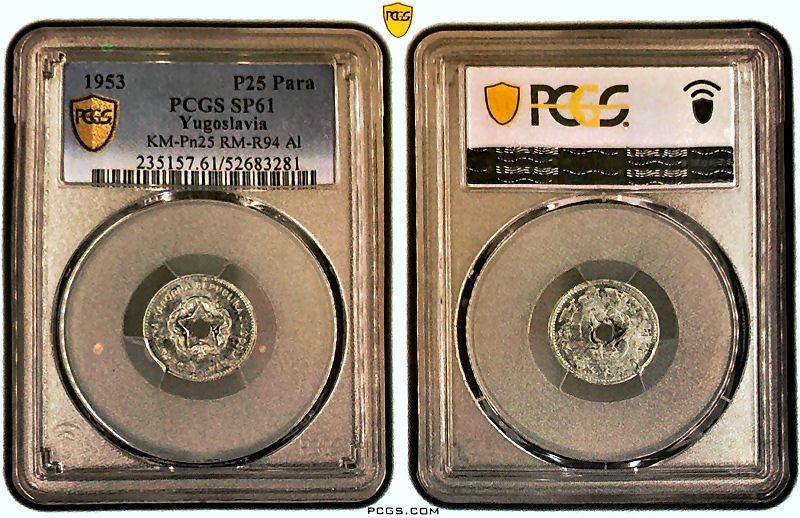
The development, despite shortcomings such as the inability to directly contact a coin or banknote, has significantly improved the assessment and trade of numismatic material.
Author: Nikola Ratković
Images: Personal collection of the author and PCGS.com
Did you notice an error in the text or a linguistic inconsistency? Please report it to us via the page for Contact how we could fix it. Thanks in advance!