

100 dinars

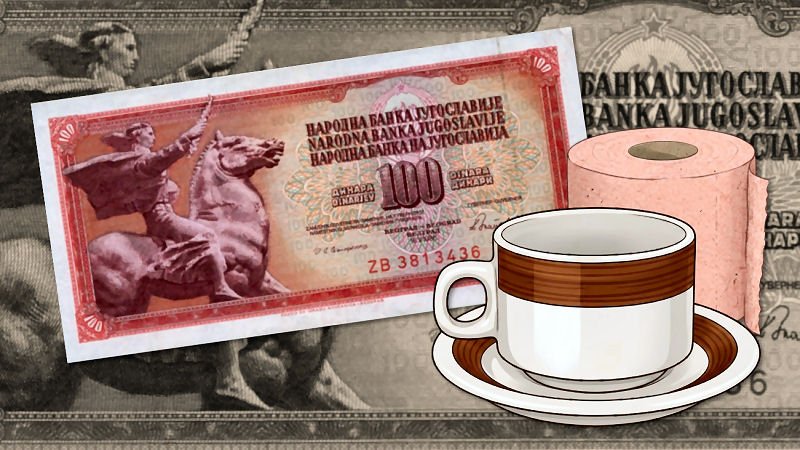
Prices from 40 years ago: A 100-dinar „Horse” – enough for a coffee and a roll of toilet paper, but not for a beer

We are once again witnessing inflation and the gradual loss of the value of money. Until recently, a 100 kuna banknote still represented „something,” while today 13 euros is almost „nothing.” It is not uncommon for a „round” of drinks at a café to cost that much. And a 100 euro banknote, which until recently was „something,” today
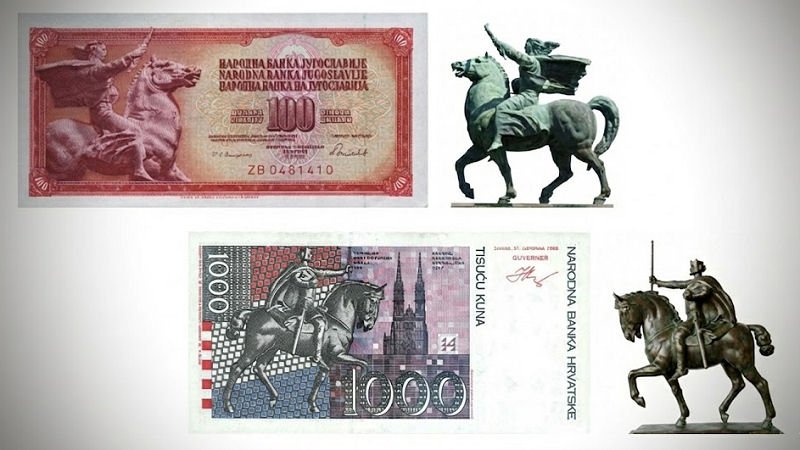
Prices from 40 years ago: A 100-dinar „Horse” – enough for a coffee and a roll of toilet paper, but not for a beer Read more »

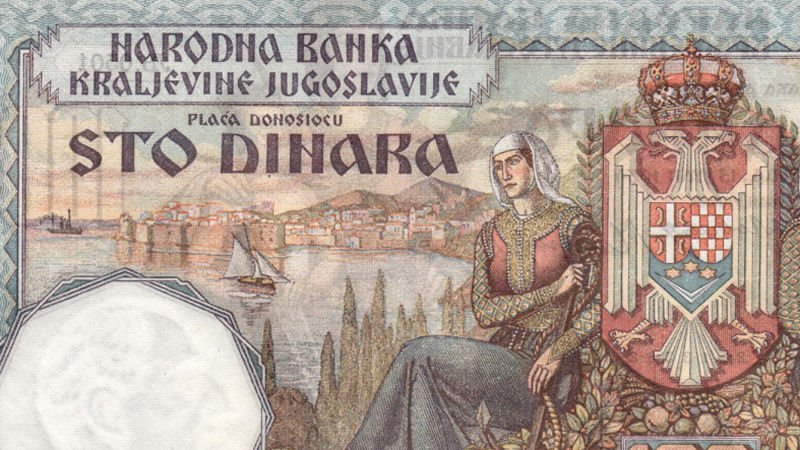
The enigmatic short-term circulation of the 100-dinar banknote of the National Bank of the Kingdom of Yugoslavia dated July 15, 1934.

It is known that the banknotes of the Kingdom of Serbs, Croats and Slovenes and the Kingdom of Yugoslavia are the product of the „French school“ of banknote printing. The first issues of royal Yugoslav banknotes (with the exception of the 10 dinar banknote of November 1, 1920, which was produced by the American Bank Note Co., New York) were designed and manufactured

The enigmatic short-term circulation of the 100-dinar banknote of the National Bank of the Kingdom of Yugoslavia dated July 15, 1934. Read more »

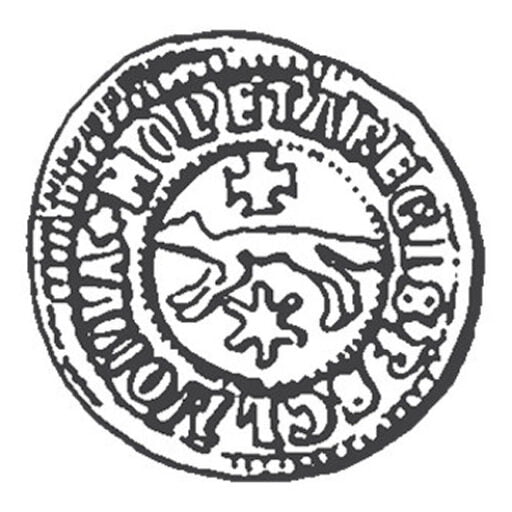
Horses inside out

Banknotes often depict motifs of special importance to the issuing country. Prominent historical figures, recognizable locations, objects of cultural and artistic importance, flora and fauna, architectural and artistic works, as well as monuments, appear on them. When we talk about monuments, we also mean public sculptures.

Horses inside out Read more »

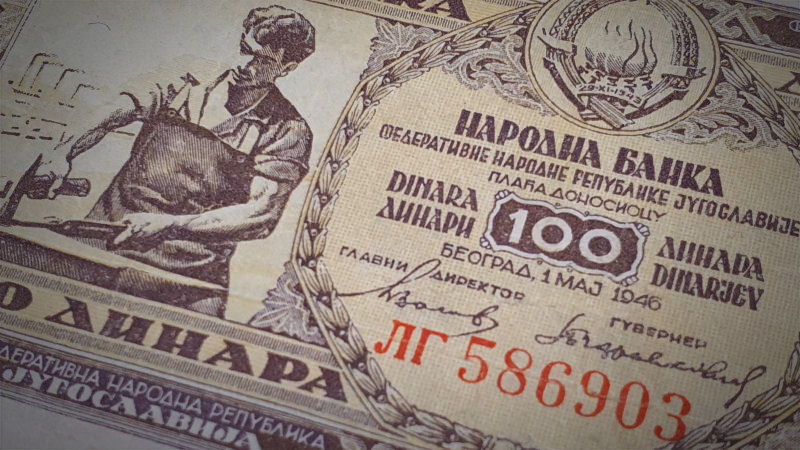
Banknote overview: Yugoslavia 100 Dinars 1946. Blacksmith, mower and fisherman

Following the „wartime“ series of banknotes of the Democratic Federal Yugoslavia dated 1944, the first „peacetime“ emission dated 1946 followed. In the meantime, the country changed its name to the Federal People's Republic of Yugoslavia and turned to new social themes; the establishment of the new political order, socialism, labor, reconstruction. Accordingly, and

Banknote overview: Yugoslavia 100 Dinars 1946. Blacksmith, mower and fisherman Read more »

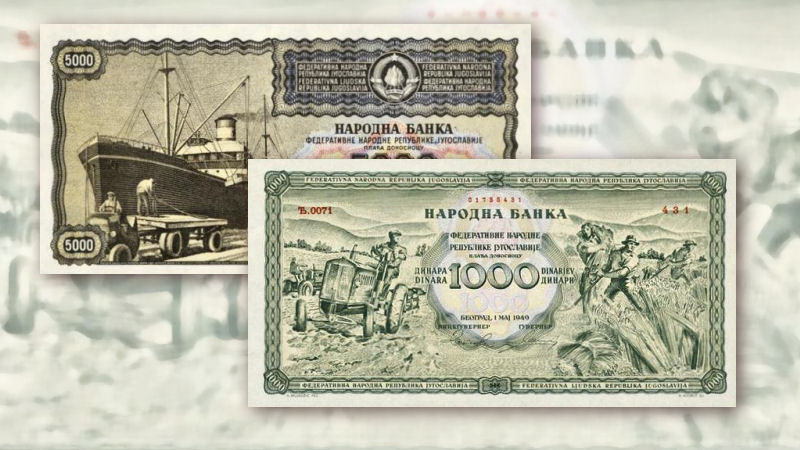
New insights into the appearance of unissued paper banknotes of the FPR Yugoslavia

The National Bank of the Federal People's Republic of Yugoslavia had produced, but never put into circulation, as many as 16 types of paper banknotes, which today are a great rarity and a true treat in the collector's world. The banknotes, about which there is not a single piece of data in official literature except for images, can

New insights into the appearance of unissued paper banknotes of the FPR Yugoslavia Read more »

Scroll to Top