paper money

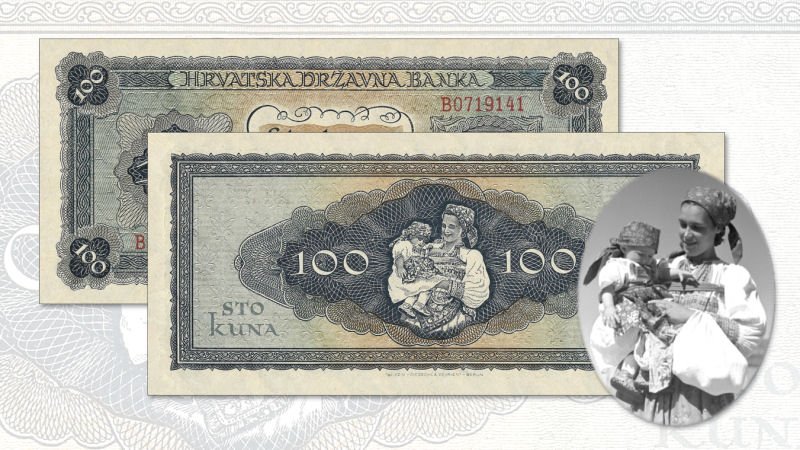
Ethnographic motif on the 100 Kuna banknote from 1943.

The ethnographic motif on the 100 Kuna banknote from 1943 represents the main visual element of the reverse side, located in its central part. It consists of the depiction of a woman with a little girl in her arms, dressed in folk costumes characteristic of certain settlements in the Zagreb sub-mountain region (Prigorje). At the time the banknote was created, those settlements

Ethnographic motif on the 100 Kuna banknote from 1943. Read more »

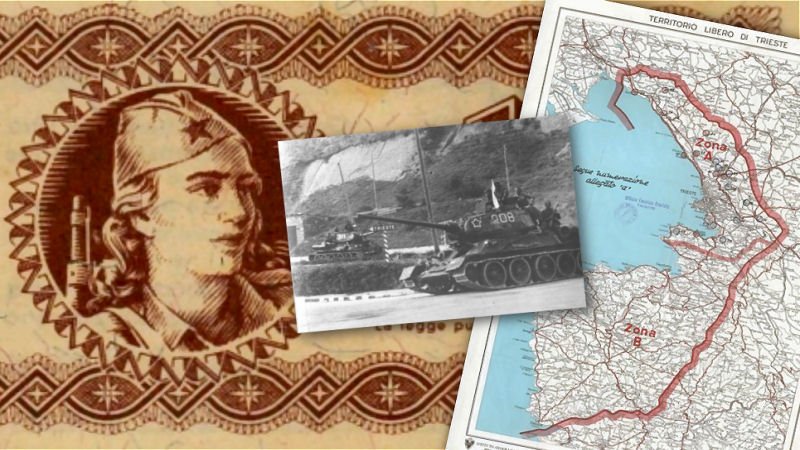
“Jugolire” – paper money of the Economic Bank for Rijeka, Istria and the Slovenian Littoral

Following the end of World War II and before the signing of the peace treaty with Italy, Zone “B” – which included Rijeka, part of Istria, and the Slovenian Littoral – was placed under the administrative control of the Military Administration of the Yugoslav Army (VUJA). In accordance with the international rights belonging to occupying authorities,

“Jugolire” – paper money of the Economic Bank for Rijeka, Istria and the Slovenian Littoral Read more »

Milivoj Rodić – Partisan on the first post-war Yugoslav banknote

In the height of World War II, while the fighting was still ongoing, the visual identity of the future new state was being crafted in Italy. In April 1944, the prominent artist and partisan Đorđe Andrejević-Kun, upon the proposal of Ivan Milutinović, the then commissioner for the national economy in the National Committee for the Liberation of Yugoslavia (NKOJ),

Milivoj Rodić – Partisan on the first post-war Yugoslav banknote Read more »

Numismatic Etiquette – Rules of Good Behavior in the Numismatic Community

The numismatic community is based on a shared passion for coins, banknotes, medals, and similar items. For this community to function harmoniously and develop, it is necessary to adhere to certain rules of good etiquette. This code of conduct provides guidelines for maintaining mutual respect, fair dealings, and ethical trading. The goal is

Numismatic Etiquette – Rules of Good Behavior in the Numismatic Community Read more »

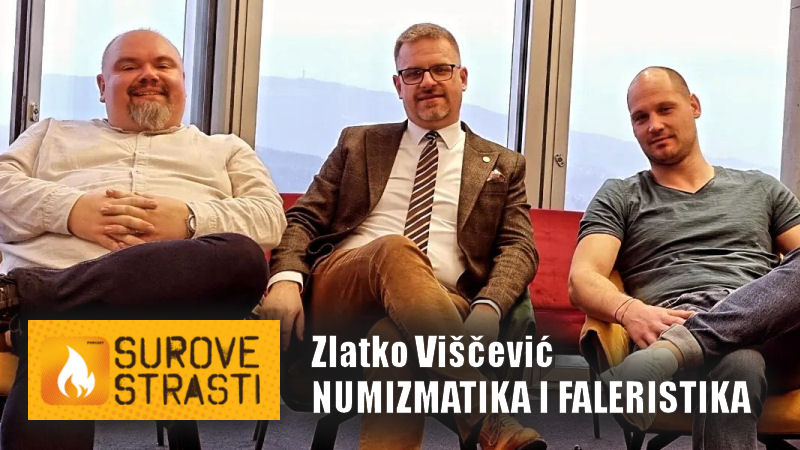
Zlatko Viščević's guest appearance on the podcast “Surove strasti” on the topic of numismatics and phaleristics

“Surove strasti” is the leading business and lifestyle audio podcast in our country, hosted by Saša Tenodi and Ivan Voras. In it, we meet people who are passionate about what they do. The podcast recently hosted Zlatko Viščević, who talked about numismatics and faleristics, and

Zlatko Viščević's guest appearance on the podcast “Surove strasti” on the topic of numismatics and phaleristics Read more »

Zlatko Viščević speaks for the Ding podcast about professional involvement in numismatics and phaleristics

In an interview for the Ding podcast, Zlatko Viščević talks about the challenges of professional numismatics and faleristics. In the video, you can see how the professional path of a numismatist unfolded and what that job looks like more closely on a daily basis. Also, the interview discusses many of the problems as well

Zlatko Viščević speaks for the Ding podcast about professional involvement in numismatics and phaleristics Read more »

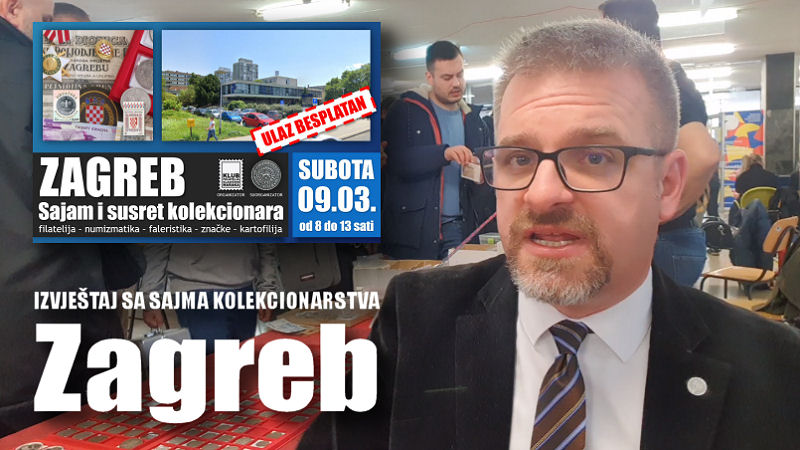
Report from the Zagreb collectibles fair (Vukovarska), March 9, 2024.

Another traditional collectors' fair was held in Zagreb, gathering enthusiasts, collectors, and dealers of numismatics, philately, phaleristics, badges, postcards, and other similar items. This fair has been held for many years now and has been marked by ups and downs. But lately

Report from the Zagreb collectibles fair (Vukovarska), March 9, 2024. Read more »

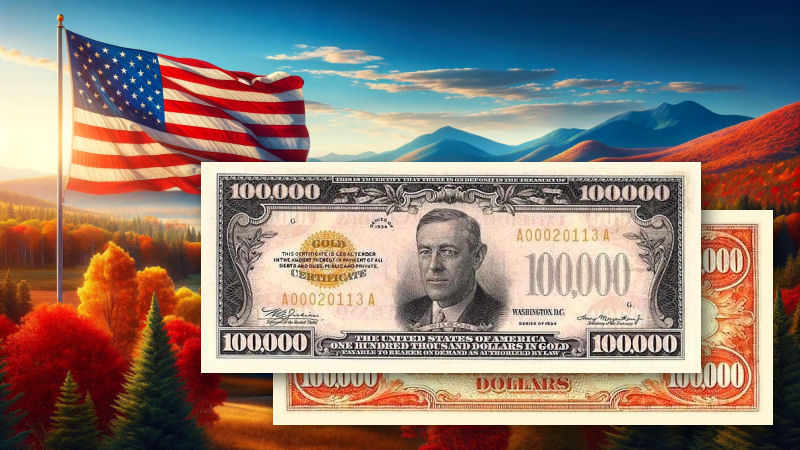
The largest US banknote of all time – the 100,000 dollar bill from 1934.

The 1934 US 100,000 dollar bill represents one of the most intriguing specimens in American numismatics. This rare banknote is a monetary monument and a reflection of a time when great economic uncertainty prevailed in the US, and it also represents the banknote with the highest nominal value ever issued in

The largest US banknote of all time – the 100,000 dollar bill from 1934. Read more »

Scroll to Top