Italy

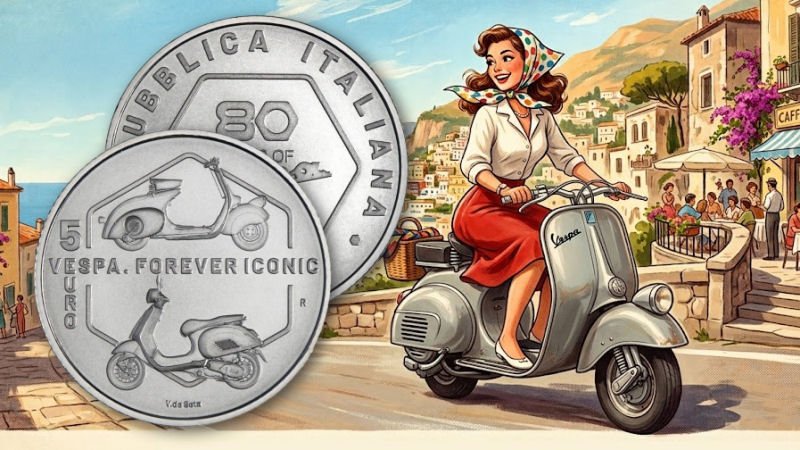
Vespa on the new Italian 5-euro commemorative coin

The Italian Mint marked the 80th anniversary of the Vespa with a commemorative silver coin with a face value of 5 euros. The new 2026 edition is dedicated to one of the most famous products of Italian industry, as well as a symbol that has long outgrown its original role as an ordinary city means of transportation. On the coin are connected

Vespa on the new Italian 5-euro commemorative coin Read more »
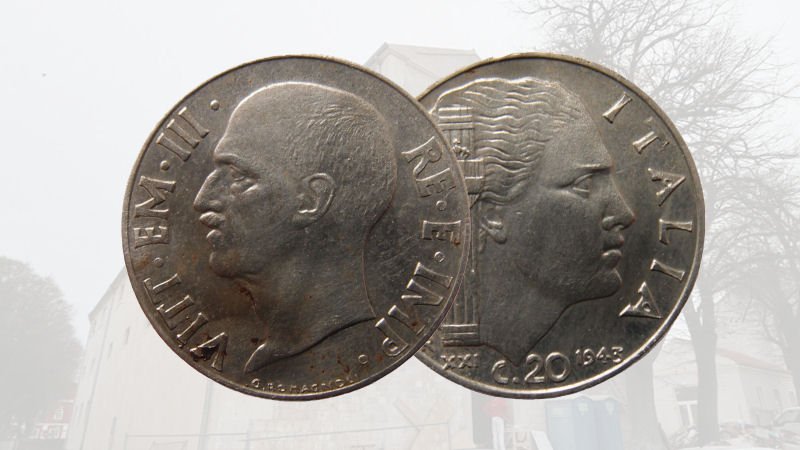
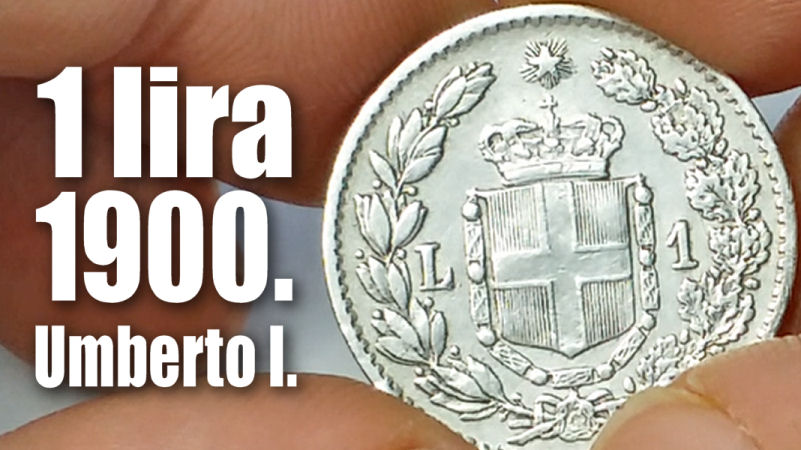
Coin of the Kingdom of Italy of 20 centesimi 1943 R – XXI found in the Church of St. Nicholas in Zadar

During archaeological research at the site of the former St. Nicholas monastery complex in Zadar from 2014 to 2016 (during Italian rule, it housed a military hospital and the „Tommaseo Gulli“ Royal Navy barracks), a specimen of the Kingdom of Italy coin from the 1943 R - XXI emission was found. I

Coin of the Kingdom of Italy of 20 centesimi 1943 R – XXI found in the Church of St. Nicholas in Zadar Read more »

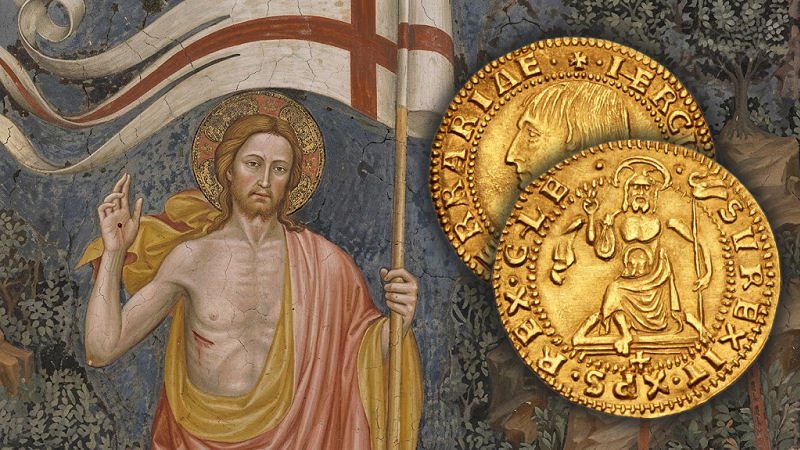
The Resurrection of Christ on a gold ducat

The depiction of the Resurrection of Christ is one of the most powerful and recognizable motifs of Christian iconography. Yet, despite its theological importance, this scene very rarely appears on coinage. Precisely for this reason, the gold ducat from Ferrara, minted during the time of Ercole I d’Este in the late 15th century, represents an exceptional combination of religious message

The Resurrection of Christ on a gold ducat Read more »

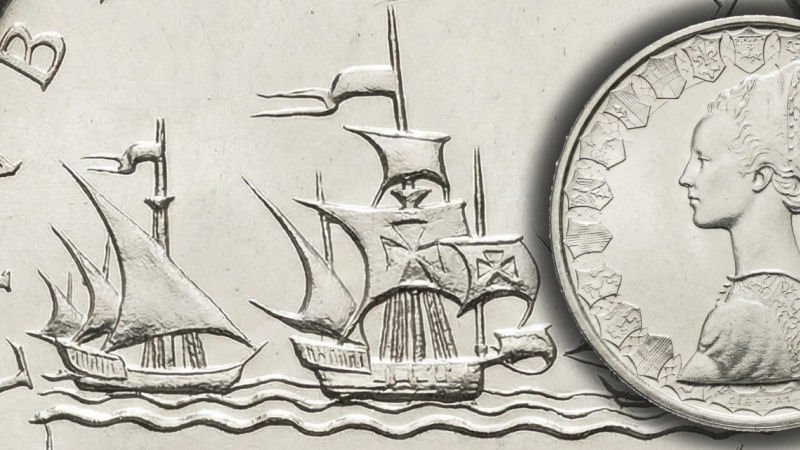
500 lira „Caravela“ and its controversial little flags

The 500 lira silver coin, issued in the late 1950s, represents one of the most famous and intriguing issues of modern Italian numismatics. It was created during a period of favorable economic conditions when Italy, following wartime destruction and post-war reconstruction, was gradually returning to stability and prosperity. At the same time, there was a need to harmonize

500 lira „Caravela“ and its controversial little flags Read more »

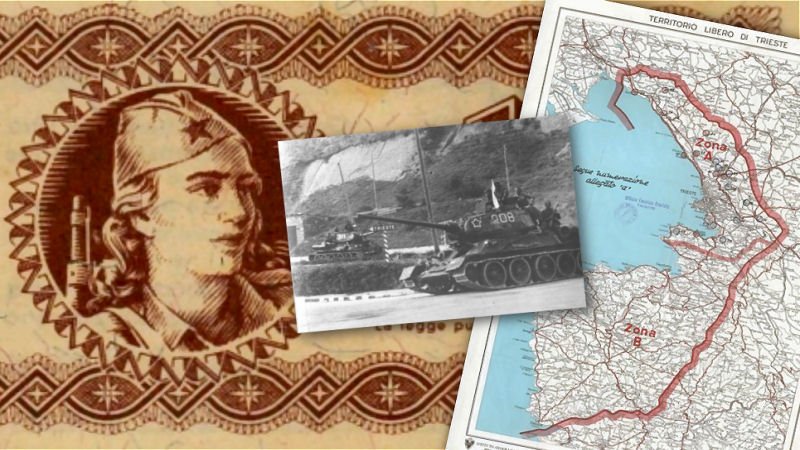
“Jugolire” – paper money of the Economic Bank for Rijeka, Istria and the Slovenian Littoral

Following the end of World War II and before the signing of the peace treaty with Italy, Zone “B” – which included Rijeka, part of Istria, and the Slovenian Littoral – was placed under the administrative control of the Military Administration of the Yugoslav Army (VUJA). In accordance with the international rights belonging to occupying authorities,

“Jugolire” – paper money of the Economic Bank for Rijeka, Istria and the Slovenian Littoral Read more »

Scroll to Top