
Zlatko Viščević

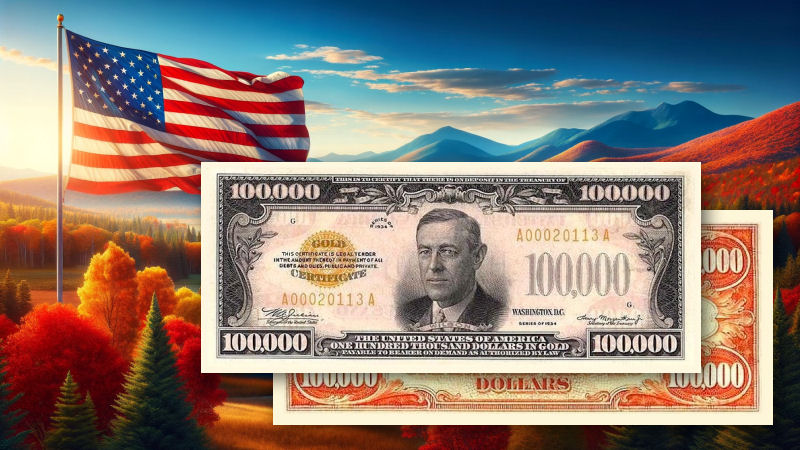
The largest US banknote of all time – the 100,000 dollar bill from 1934.

The 1934 US 100,000 dollar bill represents one of the most intriguing specimens in American numismatics. This rare banknote is a monetary monument and a reflection of a time when great economic uncertainty prevailed in the US, and it also represents the banknote with the highest nominal value ever issued in

The largest US banknote of all time – the 100,000 dollar bill from 1934. Read more »

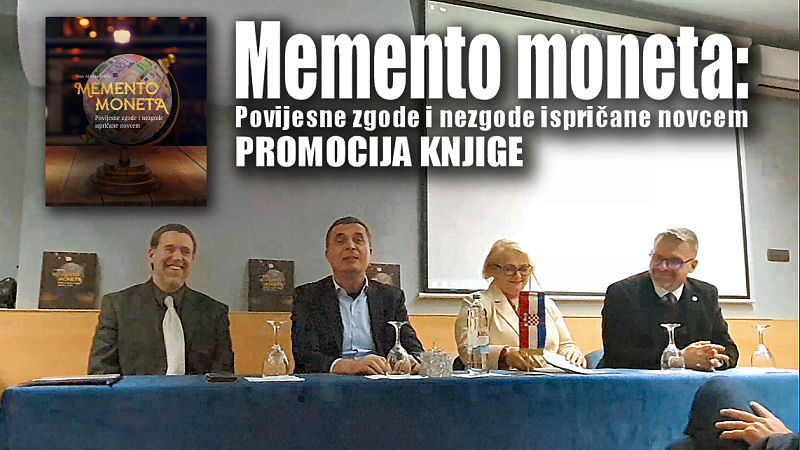
Book Promotion: Memento moneta: Historical tales and mishaps told through money by author Ivor Altaras Pende

On December 8, 2023, the promotion of the book „Memento moneta: Historical Adventures and Misadventures Told Through Money“ by author Ivor Altaras Penda was held at the premises of Libertas University in Zagreb. This is a very interesting book in which various numismatic topics are addressed through stories, combining numismatics with other

Book Promotion: Memento moneta: Historical tales and mishaps told through money by author Ivor Altaras Pende Read more »

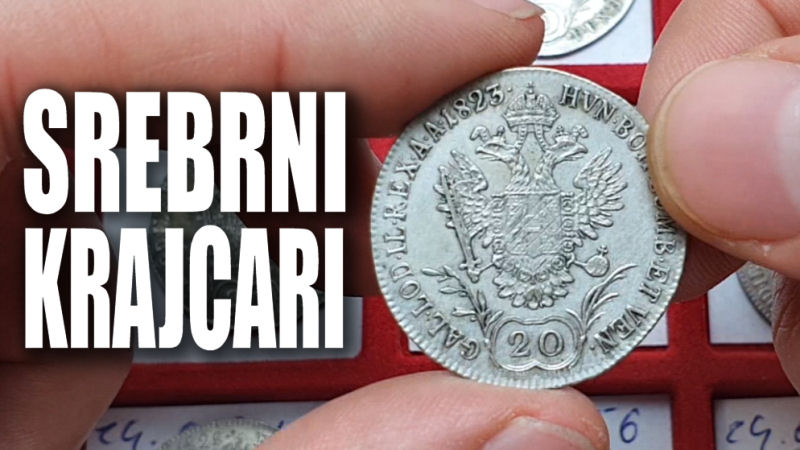
Exhibition of 18th and 19th-century Austrian and Hungarian silver krajcar coins

In this video, we present a small selection of silver kreuzers (kreuzer, kreutzer, krajczar). These 18th and 19th-century coins are among the most popular silver coins among numismatists and collectors in our region. They are characterized by a specific, very beautiful design; depictions of various rulers; a long period of issuance; and different

Exhibition of 18th and 19th-century Austrian and Hungarian silver krajcar coins Read more »

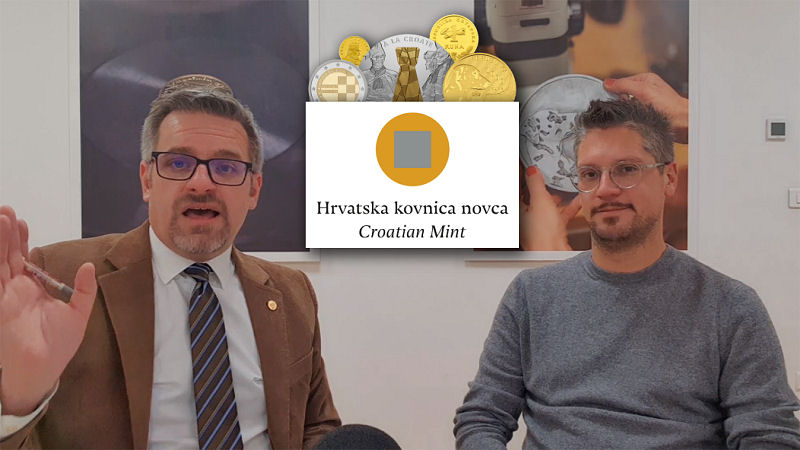
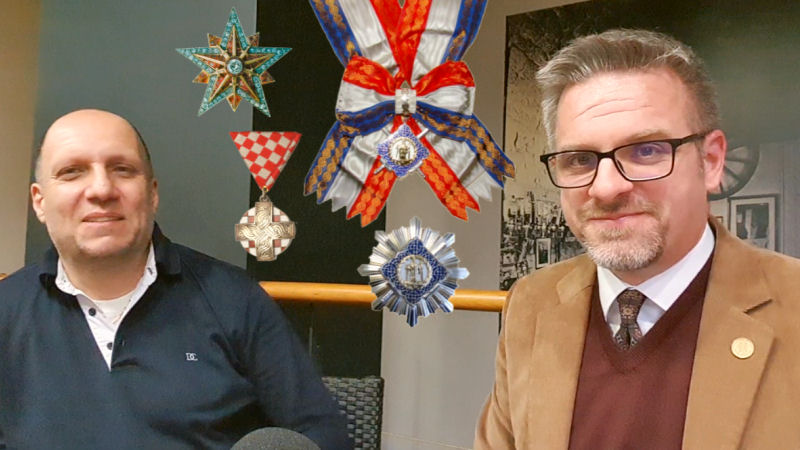
With Ivan Odrljin of the Croatian Mint on Croatian numismatics today and future plans

The Croatian Mint, our national mint, has undergone major changes in the past few years. These changes are also reflected in the new numismatic issues, which have finally begun to match the pace of modern global numismatics. One of the people responsible for this is Ivan Odrljin, with whom we

With Ivan Odrljin of the Croatian Mint on Croatian numismatics today and future plans Read more »

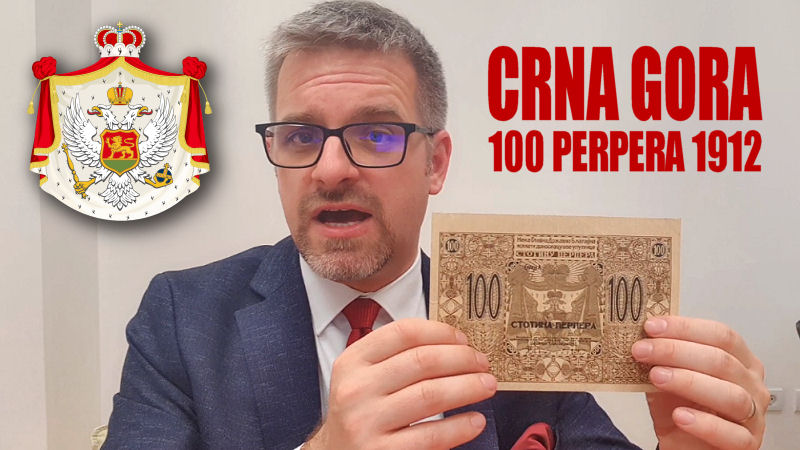
Montenegro 100 perpers 1912 – The rarest banknote in the territory of the former Yugoslavia

In the opinion of many numismatists and collectors, the 100-perper banknote from 1912 represents the „Holy Grail“ of numismatics in the territory of the former Yugoslavia and as such is the subject of many unfulfilled (or fulfilled) desires. These banknotes are extremely difficult to come by, given that they are extremely rare. They can still somehow

Montenegro 100 perpers 1912 – The rarest banknote in the territory of the former Yugoslavia Read more »

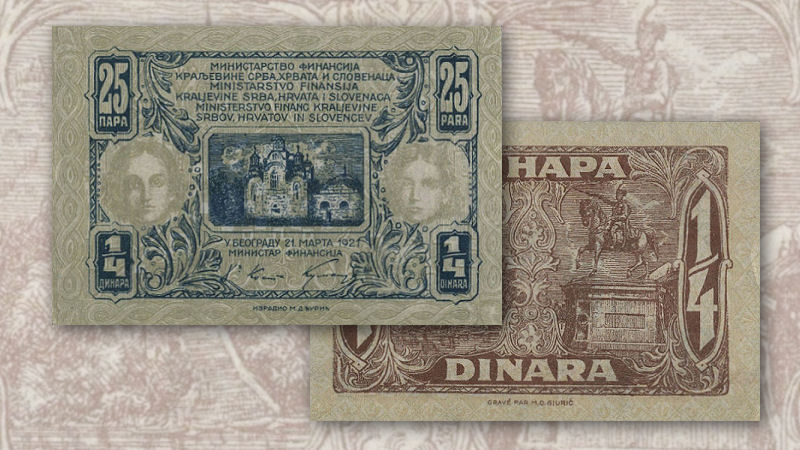
The smallest banknote of the Kingdom of Serbs, Croats and Slovenes: 25 paras from 1921.

Throughout the entire history of Yugoslav money, the 25 para banknote from 1921 represents the smallest paper money denomination ever issued by pre-war Yugoslavia (Kingdom of SCS). The amount of 25 para at that time was equal to a quarter of a dinar. The decision to produce this banknote was made on March 3, 1921.

The smallest banknote of the Kingdom of Serbs, Croats and Slovenes: 25 paras from 1921. Read more »

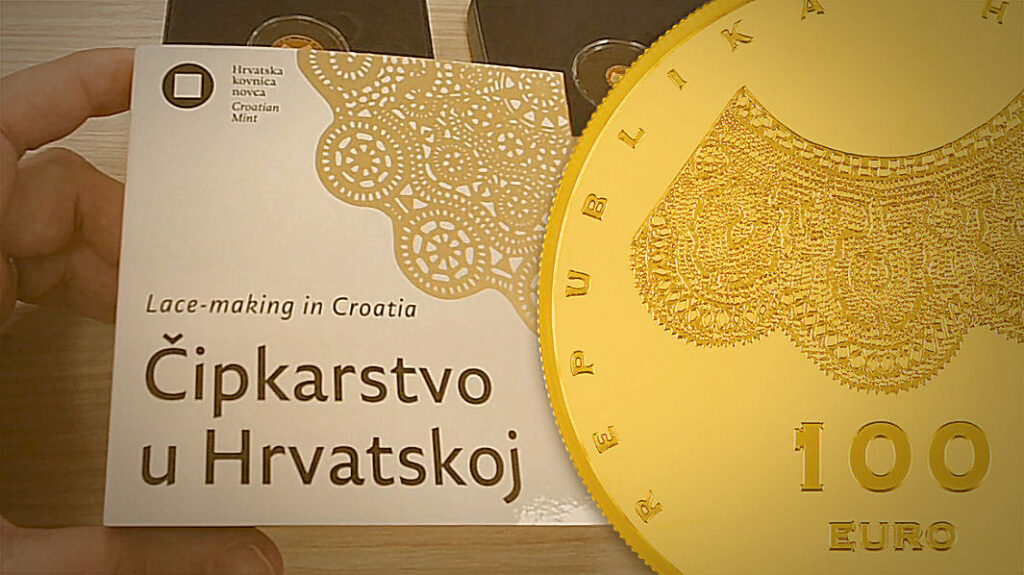
Overview of gold coins: Croatia 10, 25 and 100 Euros 2023. Lacemaking in Croatia

In this video we present commemorative Croatian euro gold coins dedicated to lacemaking in Croatia. These issues represent a continuation of the theme that began with the 10-kuna gold coin from 2012, thereby highlighting the importance of lacemaking as part of the Croatian cultural heritage. The presented gold coins were minted

Overview of gold coins: Croatia 10, 25 and 100 Euros 2023. Lacemaking in Croatia Read more »

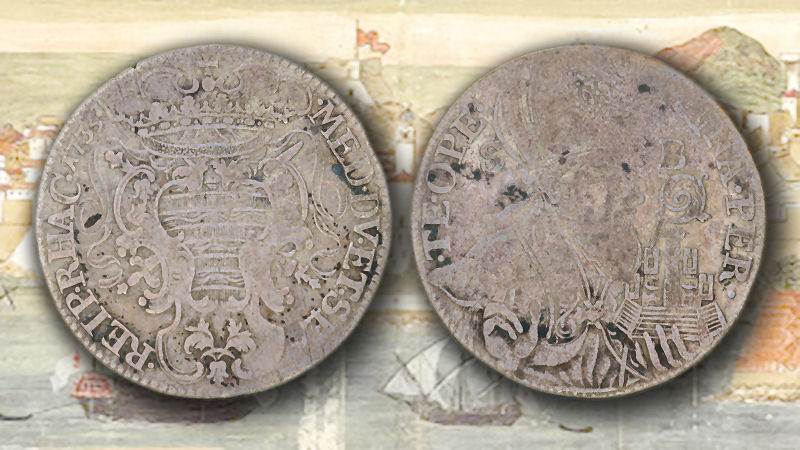
Coin review: Republic of Dubrovnik, Half Thaler (Half Bradan) from 1735.

This video is part of a series on the coinage of Dubrovnik, where in each video we present one coin of the Republic of Dubrovnik. Today, it is a true numismatic rarity – the Dubrovnik silver half-thaler, specifically the Polubradan (Half-Bearded). These silver coins were issued only in 1731 and 1735. They had a face value of

Coin review: Republic of Dubrovnik, Half Thaler (Half Bradan) from 1735. Read more »

Scroll to Top