

Banknotes

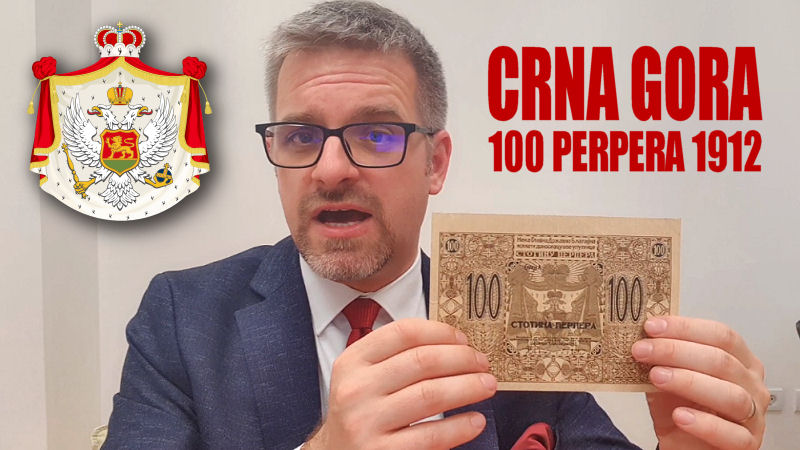
Montenegro 100 perpers 1912 – The rarest banknote in the territory of the former Yugoslavia

In the opinion of many numismatists and collectors, the 100-perper banknote from 1912 represents the „Holy Grail“ of numismatics in the territory of the former Yugoslavia and as such is the subject of many unfulfilled (or fulfilled) desires. These banknotes are extremely difficult to come by, given that they are extremely rare. They can still somehow

Montenegro 100 perpers 1912 – The rarest banknote in the territory of the former Yugoslavia Read more »

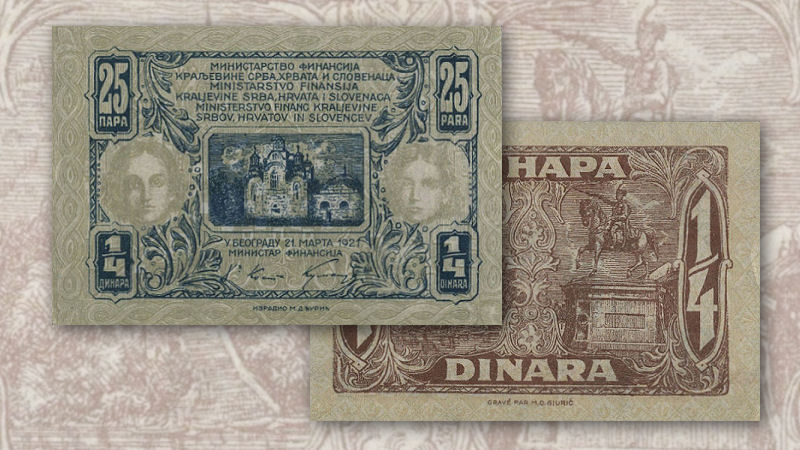
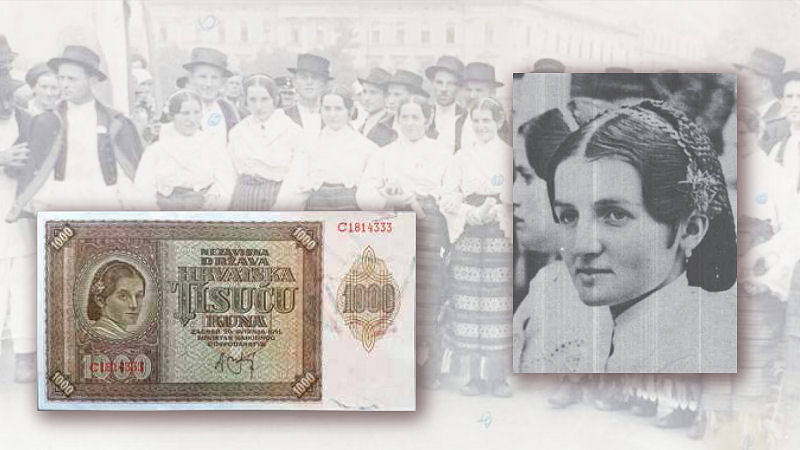
The smallest banknote of the Kingdom of Serbs, Croats and Slovenes: 25 paras from 1921.

Throughout the entire history of Yugoslav money, the 25 para banknote from 1921 represents the smallest paper money denomination ever issued by pre-war Yugoslavia (Kingdom of SCS). The amount of 25 para at that time was equal to a quarter of a dinar. The decision to produce this banknote was made on March 3, 1921.

The smallest banknote of the Kingdom of Serbs, Croats and Slovenes: 25 paras from 1921. Read more »

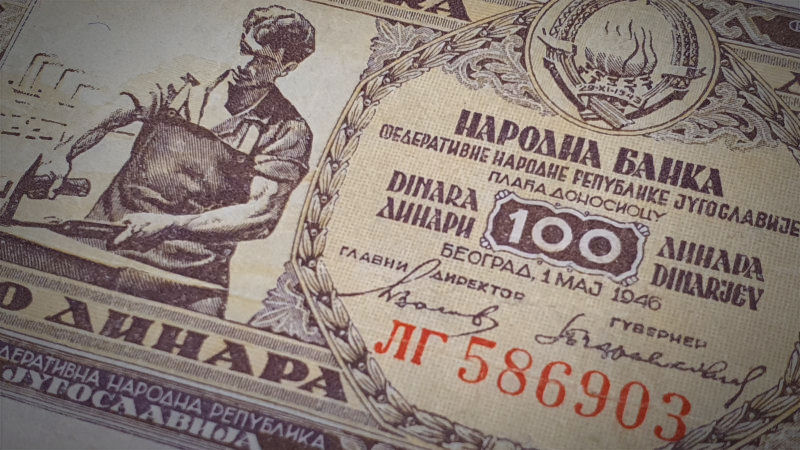
Banknote overview: Yugoslavia 100 Dinars 1946. Blacksmith, mower and fisherman

Following the „wartime“ series of banknotes of the Democratic Federal Yugoslavia dated 1944, the first „peacetime“ emission dated 1946 followed. In the meantime, the country changed its name to the Federal People's Republic of Yugoslavia and turned to new social themes; the establishment of the new political order, socialism, labor, reconstruction. Accordingly, and

Banknote overview: Yugoslavia 100 Dinars 1946. Blacksmith, mower and fisherman Read more »

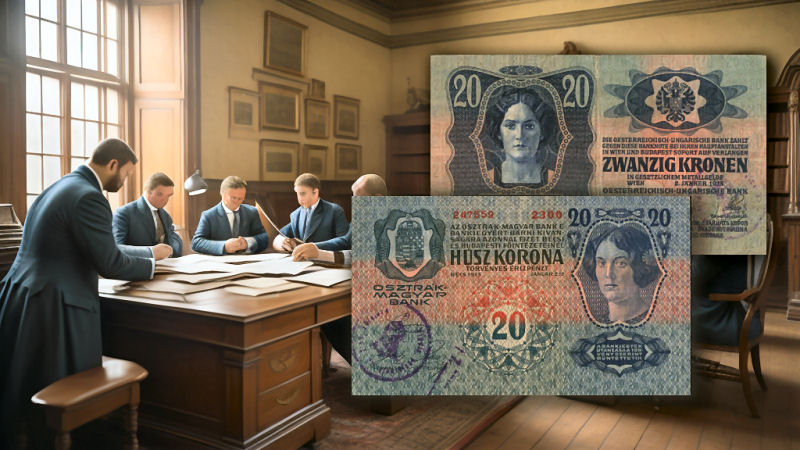
On the Nostrification of Austro-Hungarian Bank Banknotes in the Kingdom of Serbs, Croats and Slovenes

Following the breakup of the Austro-Hungarian Monarchy after October 29, 1918, the banknotes of the Austro-Hungarian Bank remained in circulation in the successor states, in the Kingdom of SCS some even until 1922. In January 1919, the Kingdom of SCS carried out the first nostrification of the found banknotes, prescribing the stamping only of those banknotes issued until

On the Nostrification of Austro-Hungarian Bank Banknotes in the Kingdom of Serbs, Croats and Slovenes Read more »

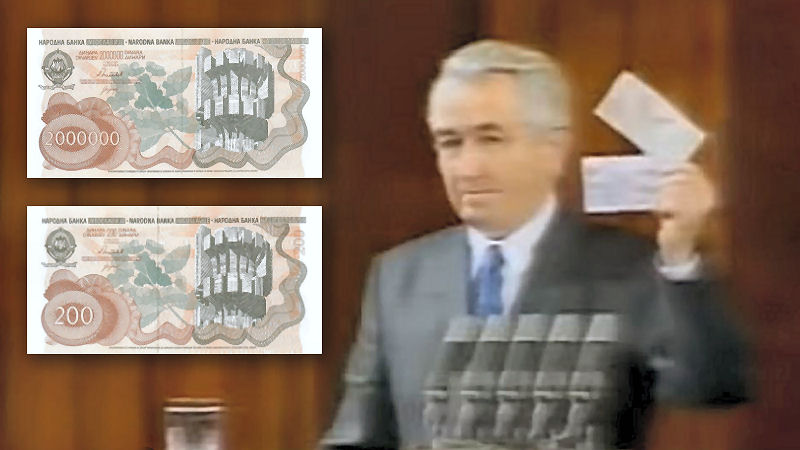
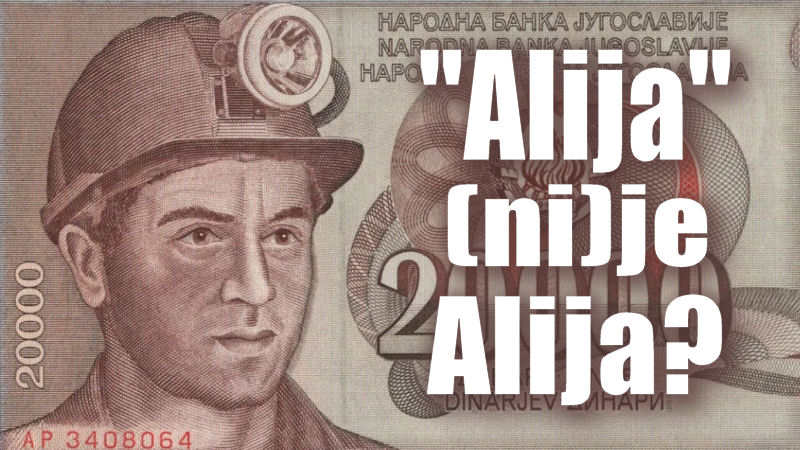
From the HRT Archive: Inflation and the Devaluation of the Dinar in Socialist Yugoslavia

Inflation, devaluation, and the general decline in the value of money have recently become current topics again. We can say that this phenomenon has shocked today's generations and they still cannot recover, wondering how something like this is possible? Especially in the 21st century and in

From the HRT Archive: Inflation and the Devaluation of the Dinar in Socialist Yugoslavia Read more »

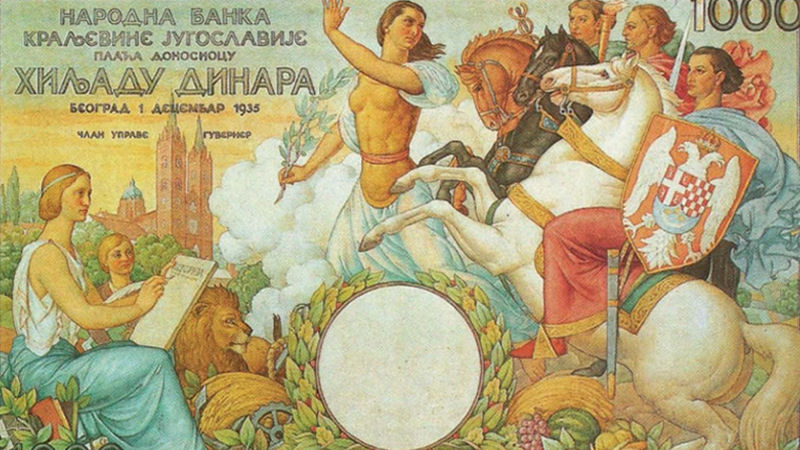
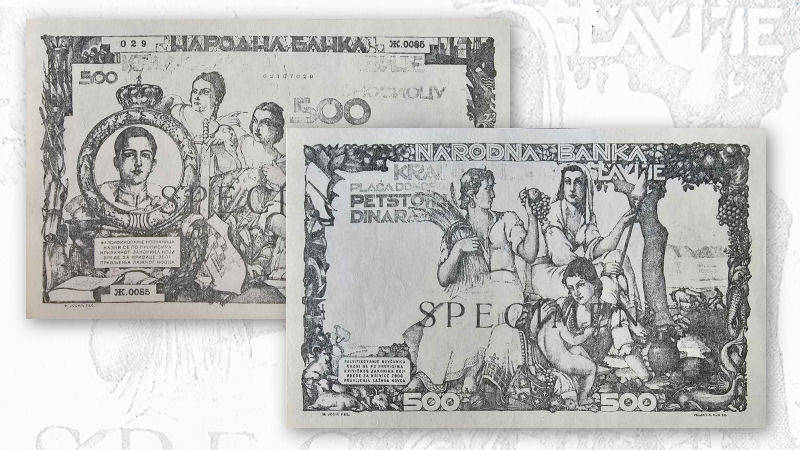
The Political and Ideological Background of the Design and Iconography of Banknotes of the Kingdom of Yugoslavia, 1929–1941

Banknotes of the National Bank of the Kingdom of Yugoslavia – wartime monetary reserves (banknotes “for the needs of national defense” and “for completely extraordinary needs”) The money of the Kingdom of Yugoslavia, 1929 – 1941, just like any other money in the past and today, sends many symbolic messages on multiple levels. By reading them

The Political and Ideological Background of the Design and Iconography of Banknotes of the Kingdom of Yugoslavia, 1929–1941 Read more »

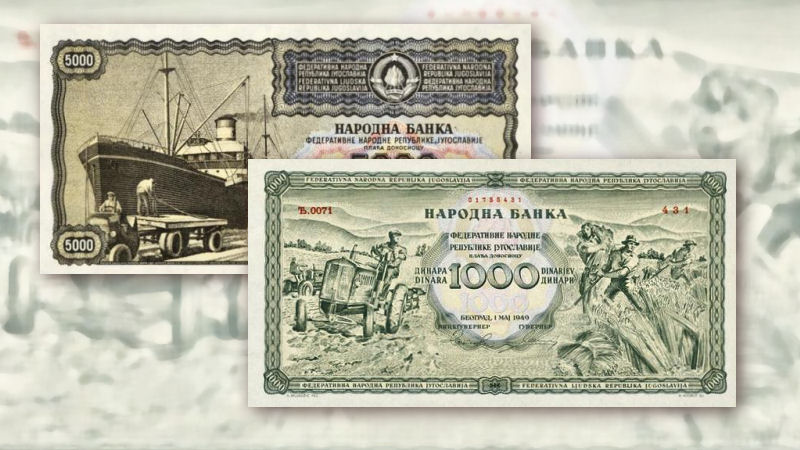
New insights into the appearance of unissued paper banknotes of the FPR Yugoslavia

The National Bank of the Federal People's Republic of Yugoslavia had produced, but never put into circulation, as many as 16 types of paper banknotes, which today are a great rarity and a true treat in the collector's world. The banknotes, about which there is not a single piece of data in official literature except for images, can

New insights into the appearance of unissued paper banknotes of the FPR Yugoslavia Read more »

Scroll to Top