



ancient coin

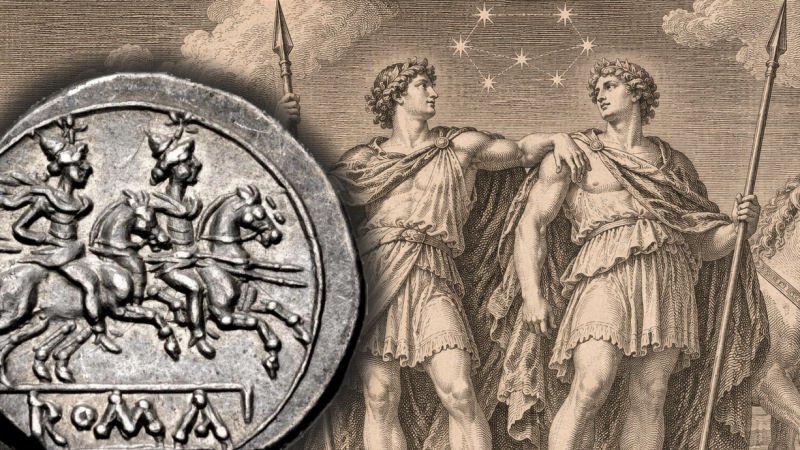
Dioscuri on Roman money: Divine twins who brought victory to Rome

Two young horsemen with spears, galloping at full speed, and stars above their heads are one of the most recognizable motifs on Roman Republican coinage. These are Dioscuri, Castor and Polydectes (Roman Poleus), heroes of Greek mythology who became symbols of victory, protection and loyalty for the Romans. The brothers who

Dioscuri on Roman money: Divine twins who brought victory to Rome Read more »
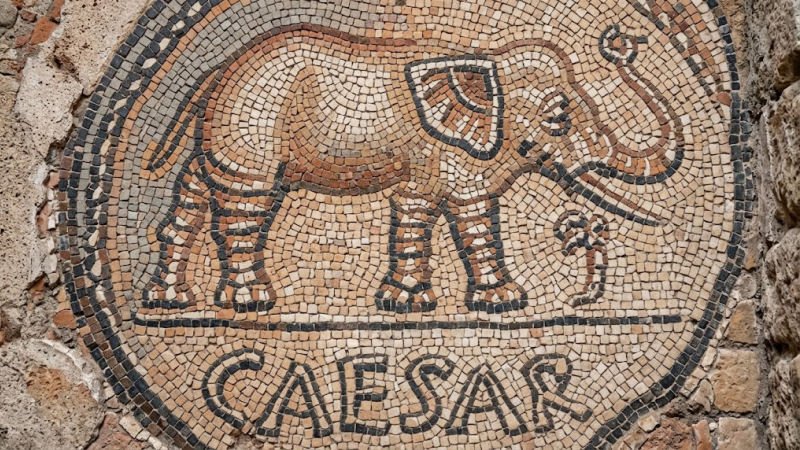
Cezarov elephant

Among the numerous coins from the period of the Roman Republic, a special place is occupied by the silver denarius of Julius Caesar depicting an elephant crushing a snake or a dragon. The coin of 49 BC, at the time of the beginning of the civil war between Caesar and Pompey, is one of the most recognizable examples of political propaganda.

Cezarov elephant Read more »

Roman coinage from the earliest times to the fall of the Roman Republic (450–31 BC)

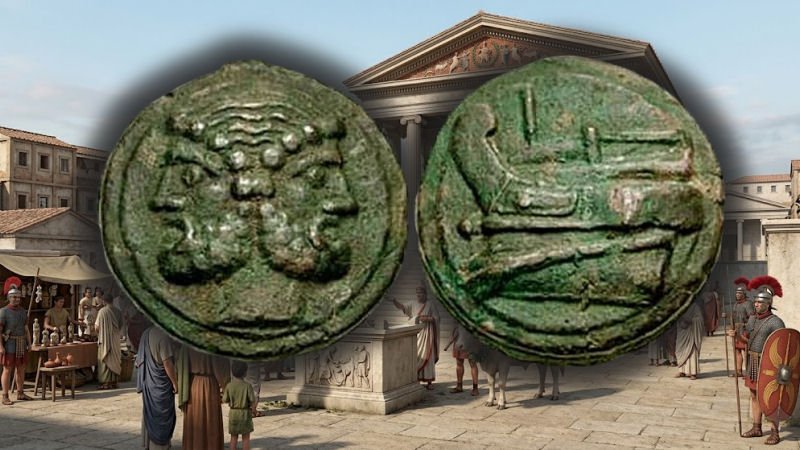
In the area of the Latin cities, in the central part of the Apennine Peninsula, the city of Rome was founded (according to tradition in 753 BC). From the initial settlement on the Palatine, the city gradually developed and, after the abolition of the monarchy (around 510 BC), became a republican aristocratic state in which two high-ranking

Roman coinage from the earliest times to the fall of the Roman Republic (450–31 BC) Read more »

Numismatic Collection of the Museum of Croatian Archaeological Monuments

The Museum of Croatian Archaeological Monuments today holds a significant numismatic collection numbering a total of 3243 items. The majority of the collection consists of coins, while it also includes two tokens, one Roman medallion, and one Byzantine lead seal. This rich material provides a detailed insight into the influx and circulation of money in

Numismatic Collection of the Museum of Croatian Archaeological Monuments Read more »

Scroll to Top