



ARTICLE

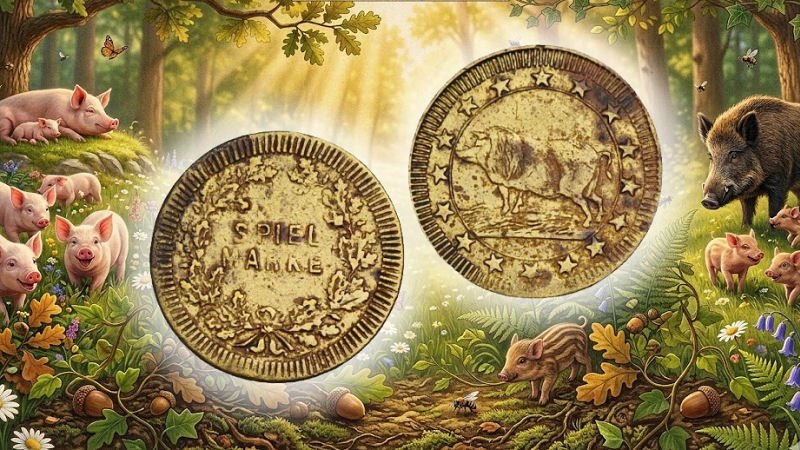
Pork token

Quite often in numismatic collections from our region, especially older ones, unusual tokens with various motifs and the inscription “SPIEL MARKE” can be found. One such piece is this token with the aforementioned inscription and the depiction of a pig. At first glance, this motif might seem ordinary and simple,
Pork token Read more »

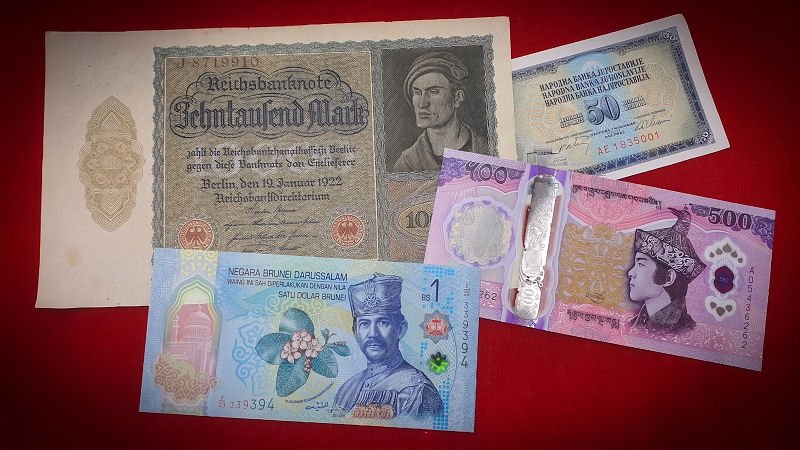
Banknotes in the last 100 years: from “paper sheets” to “transparent plastic”

Banknotes have come a long way over the past hundred years or so. From large paper formats, often with simpler artistic design and more modest security features, to modern polymer banknotes that today represent the pinnacle of security, technical, and artistic craftsmanship. In this video, we show the evolution of banknotes through several selected examples. The goal

Banknotes in the last 100 years: from “paper sheets” to “transparent plastic” Read more »

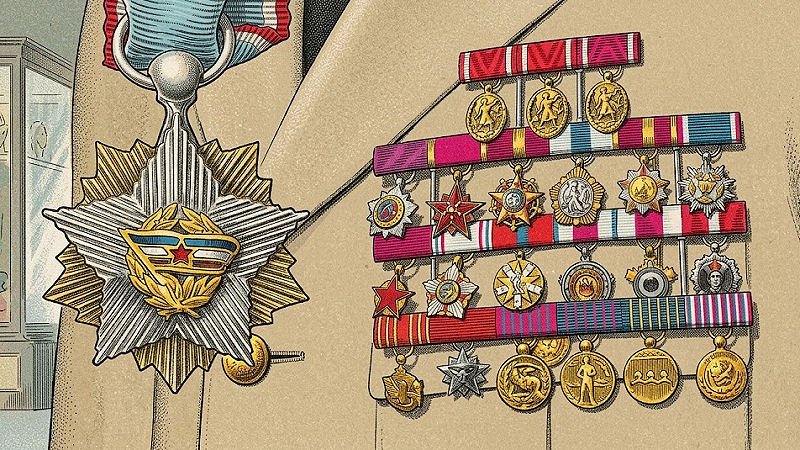
Miniatures of decorations

In phaleristics, an auxiliary historical science that deals with the study of decorations, medals, orders, commemorative plaques, military insignia, and related items, the term miniature has a very clear meaning. Miniatures are scaled-down versions of decorations, made to look like the original, full-sized decoration, but in a smaller format. They are not a replacement in the sense of a regular

Miniatures of decorations Read more »

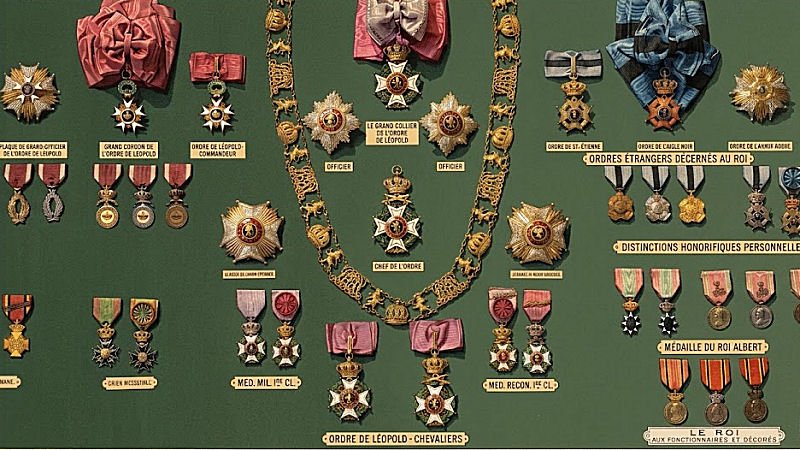
Selection from the display of decorations in the Museum of the Armed Forces and Military History in Brussels

The Royal Museum of the Armed Forces and Military History in Brussels (Musée royal de l’Armée et d’Histoire militaire / Koninklijk Museum van het Leger en de Krijgsgeschiedenis) is one of the most important military-historical museums in Belgium. It is located in the Parc du Cinquantenaire / Jubelpark complex, at Cinquantenaire

Selection from the display of decorations in the Museum of the Armed Forces and Military History in Brussels Read more »

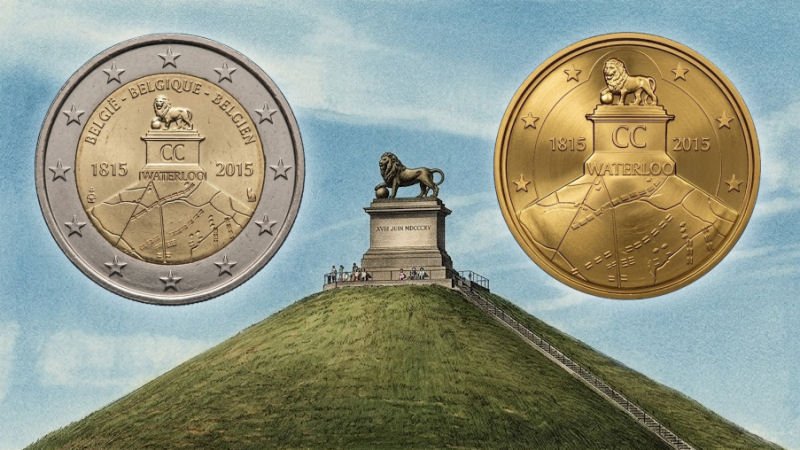
Belgian-French “diplomatic war” over the 2-euro coin

Numismatics often reflects history, identity, and collective memory, yet it rarely sparks an open political conflict between states. That is precisely what happened in 2015, when Belgium planned to issue a commemorative 2-euro coin marking the 200th anniversary of the Battle of Waterloo. Instead of a routine numismatic release, the entire project

Belgian-French “diplomatic war” over the 2-euro coin Read more »

Mexican 50 peso polymer banknote with an augmented reality view

The 50-peso banknote issued by Banco de México (Bank of Mexico) is one of the most beautiful contemporary banknotes in Latin America. It belongs to the banknote series with the theme „Historical Identity and Natural Heritage,” which connects key epochs of Mexican history with the country's natural wealth. It was first put into circulation

Mexican 50 peso polymer banknote with an augmented reality view Read more »

Bhutanese polymer banknotes of 100, 500, and 1000 ngultrum, commemorative issue for the 70th birth anniversary of King Jigme Singye Wangchuck

In 2025, the Royal Monetary Authority of Bhutan issued a series of commemorative circulation banknotes made of polymer. The series is dedicated to the 70th birth anniversary of the Fourth Druk Gyalpo (Dragon King), King Jigme Singye Wangchuck, one of the most important figures in Bhutan's modern history. The banknotes were issued in denominations of 100,

Bhutanese polymer banknotes of 100, 500, and 1000 ngultrum, commemorative issue for the 70th birth anniversary of King Jigme Singye Wangchuck Read more »

Commemorative circulating coins for the 250th anniversary of the independence of the United States of America

The year 2026 brings one of the most important anniversaries in the history of the United States of America – 250 years since the declaration of independence, an event that began the American Revolution and permanently shaped the political and social landscape of the modern world. In honor of this great anniversary, a special program of commemorative circulating coins has been prepared.

Commemorative circulating coins for the 250th anniversary of the independence of the United States of America Read more »

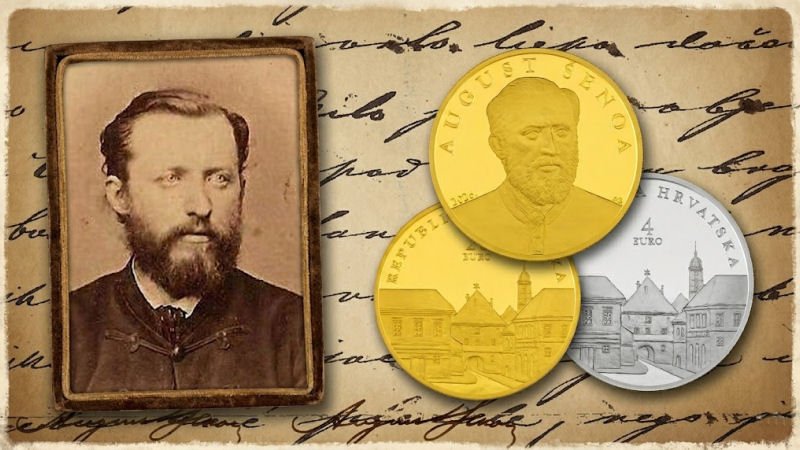
New Croatian gold and silver coins dedicated to August Šenoa

The Croatian National Bank, in cooperation with the Croatian Mint, presents a new numismatic issue entitled „August Šenoa“, the third in the „Croatian Literature“ series. This issue pays tribute to one of the most significant Croatian writers, whose work strongly marked the cultural and social life of the 19th century. Coins from

New Croatian gold and silver coins dedicated to August Šenoa Read more »

Historical and geographical exoticism in numismatics: Three coins of the Federation of Rhodesia and Nyasaland

One of the beauties of engaging in numismatics is that it broadens our horizons, and not only in terms of knowing the coins (and banknotes) themselves, but also through learning about the history, geography, and culture of various parts of the world. A numismatist very quickly realizes that money is not just a medium of exchange, but

Historical and geographical exoticism in numismatics: Three coins of the Federation of Rhodesia and Nyasaland Read more »

Security features or grammatical errors on Croatian kuna banknotes?

Detailed observation of the 5, 20, and 50 kuna banknotes leads to interesting discoveries. Namely, the microtext printed on the obverse of the banknotes repeatedly repeats one and the same text, but upon careful reading of that text, we find grammatical errors. The question arises here whether these are accidental grammatical

Security features or grammatical errors on Croatian kuna banknotes? Read more »

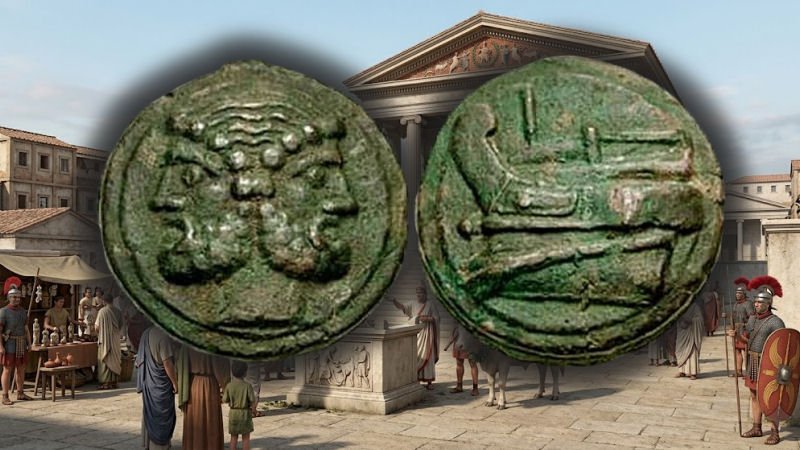
Roman coinage from the earliest times to the fall of the Roman Republic (450–31 BC)

In the area of the Latin cities, in the central part of the Apennine Peninsula, the city of Rome was founded (according to tradition in 753 BC). From the initial settlement on the Palatine, the city gradually developed and, after the abolition of the monarchy (around 510 BC), became a republican aristocratic state in which two high-ranking

Roman coinage from the earliest times to the fall of the Roman Republic (450–31 BC) Read more »

Scroll to Top