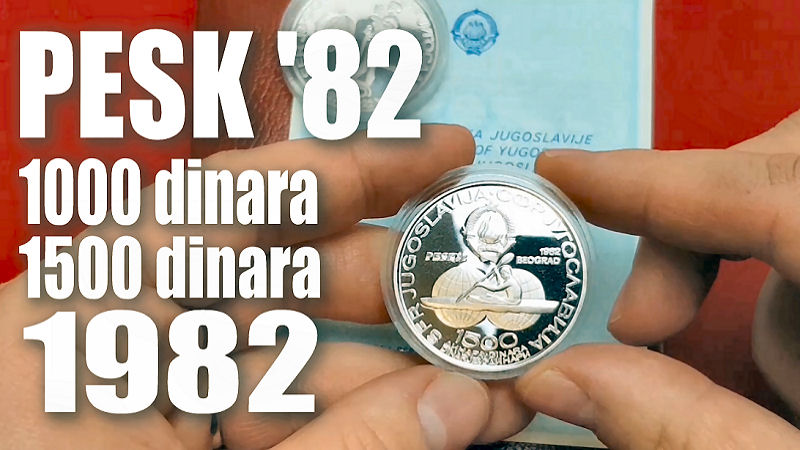





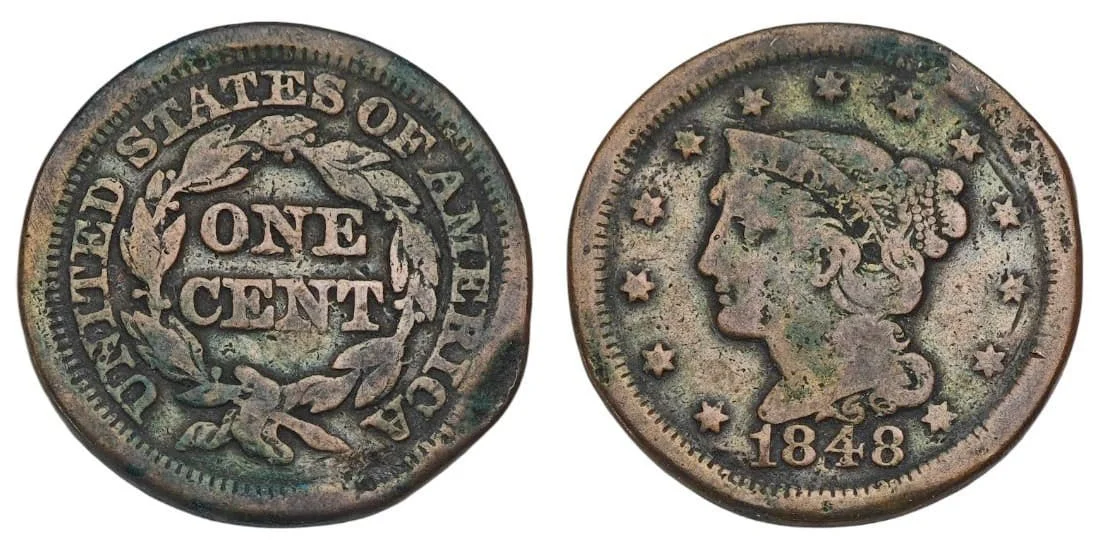
The smallest denomination of US circulating currency, the well-known 1-cent coin featuring the image of President Abraham Lincoln, has officially become a thing of the past. President Donald Trump's decision to halt the minting of this coin denomination came into effect early last week, ending a history spanning more than two centuries. The 1-cent coins were among the most recognizable American coins, with a tradition dating back to 1793, when they were first officially put into circulation.
This historic moment was marked at the Philadelphia Mint, where the last official U.S. cent was struck on Wednesday. The final coin was ceremoniously marked by United States Treasurer Brandon Beach. It bears a special mark in the shape of the Greek letter omega to distinguish it from standard issues. These final coins will not enter circulation. Instead, they will be offered at numismatic auctions, where high interest from collectors is expected due to the symbolic significance they carry.
Why are 1-cent coins stopping to be minted?
The answer to the question of why the American cent is being abolished is simple. Production is too expensive. For decades, a public debate has been underway regarding the economic justification of the smallest American denomination. Despite numerous optimization attempts, the cost of minting a single cent has continuously increased. According to the latest report from the U.S. Mint, producing a single coin cost as much as 3.67 cents. In other words, creating money worth one cent cost the state nearly four times more than the face value itself.
The United States spent more than 179 million dollars just on producing pennies in 2023, and the situation worsened further in 2024 and 2025. The five-cent coin is also produced at a loss, as making one costs about 13.78 cents. Despite attempts to reduce costs, the U.S. Mint has failed to lower raw material and production prices to a level that would justify the continued minting of the lowest denominations.
Trump's decision was made at the beginning of the year and was explained by a direct call to reduce government spending. The president stated that budget savings must be implemented in all segments of the economy and that there is no reason to waste money on the production of a coin whose value no longer has a real function in the modern economy.
The shortage of coins is already causing problems for merchants
The abolition of the cent has already brought visible consequences to the American market. Many stores across the country have been warning of a coin shortage for months. Banks can no longer order new supplies and are carefully distributing existing quantities to clients. Merchants, especially those in small communities, complain that they are no longer able to return exact change to customers. Many have therefore switched to rounding cash transactions to the nearest five cents, which has caused certain debates and complaints, but also eased the daily work of cash registers.
Some retail chains claim that rounding down will cost them millions of dollars annually because rounding up is avoided to prevent lawsuits. The lack of clear guidelines from the federal government further complicates the situation. Retailers and banks are left to make their own rules for dealing with the elimination of the coin.
Representatives of trade associations remind that the abolition of the cent has been discussed for decades. However, many argue that the current situation is too hasty and disorganized and that more time should have been given to businesses and citizens to adapt.
The end of an era and the beginning of a new numismatic story
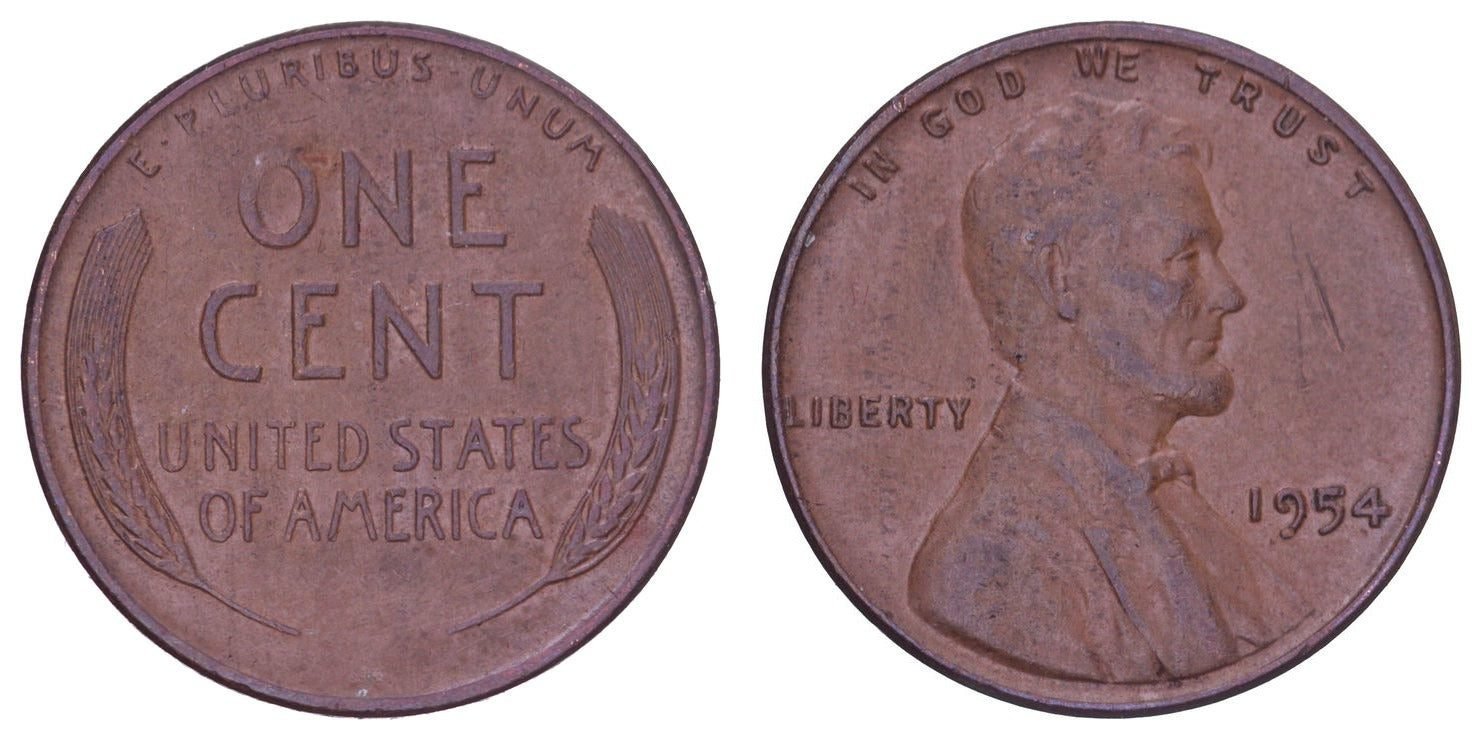
The American penny has always held symbolic weight in American culture. The image of Abraham Lincoln on the obverse and the Lincoln Memorial on the reverse were a daily sight in wallets, cash registers, and tip jars for decades. The disappearance of this coin from circulation marks the end of a sentimental tradition and the beginning of a new phase in the modernization of American currency.
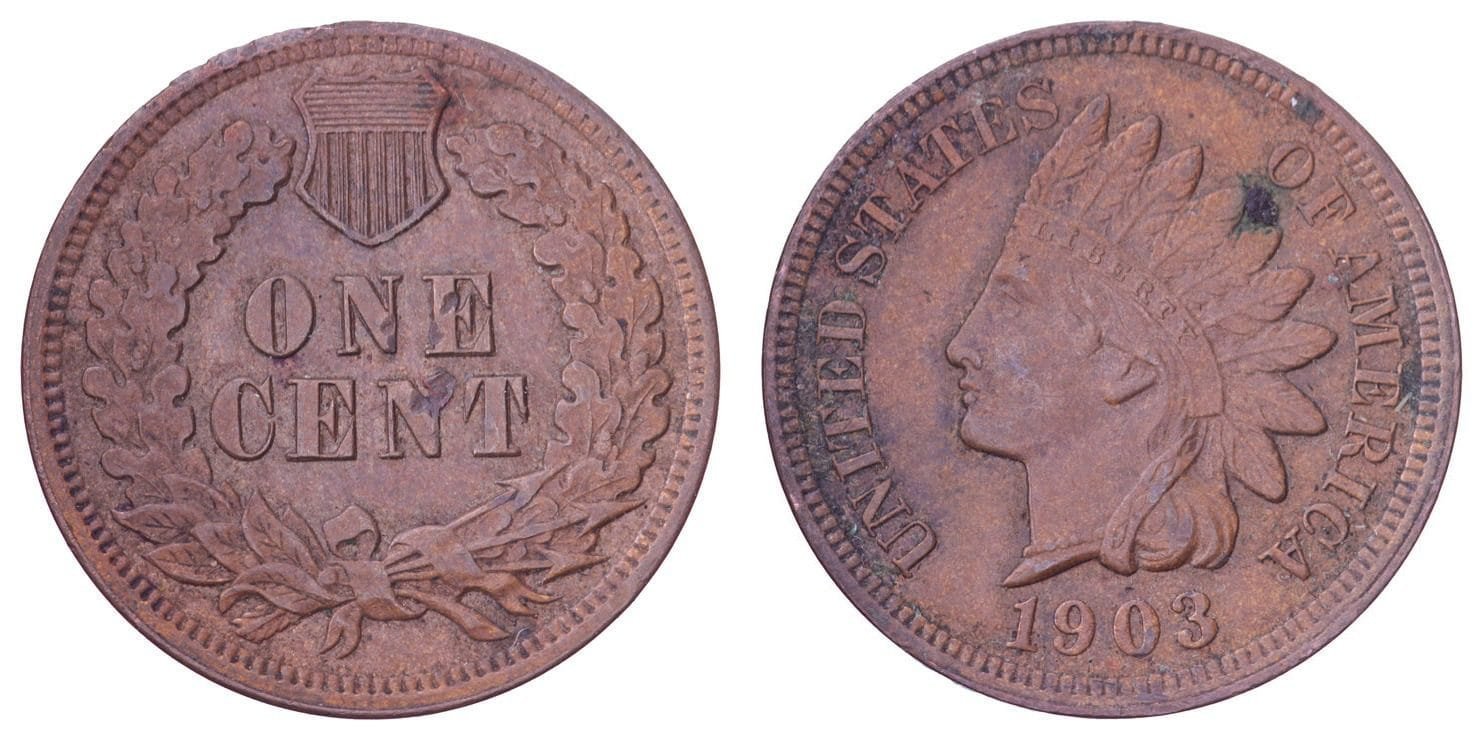
Numismatists expect that the cessation of minting the cent will trigger a new wave of interest in older issues, especially for rare variants and mint errors. The history of this coin is extremely rich and includes numerous special editions, transitional designs, and diverse metals from different eras, ranging from pure copper to modern zinc and copper alloys. In addition, the final series of coins marked with an omega will surely attract collectors from all over the world.
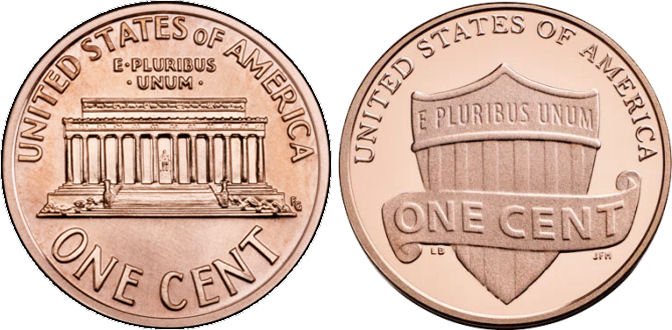
Source: Wikipedia [www.wikipedia.org]
The United States is now officially entering a period in which it will no longer use the smallest denomination of its monetary system. What this will mean in the long run remains to be seen. It is clear that some citizens will quickly adapt to life without the cent, while others will mourn a symbol that has been part of their daily lives for more than two hundred years.
One thing is certain. The American cent is becoming history, moving from the hands of buyers into the display cases and albums of numismatists. It is a moment that will be recorded as one of the greatest monetary shifts in modern American history.
Author: Zlatko Viščević
Photos: Numex – Coins, Banknotes & Militaria Store [www.numex.hr], Wikipedia [www.wikipedia.org]