



numizmatikanet

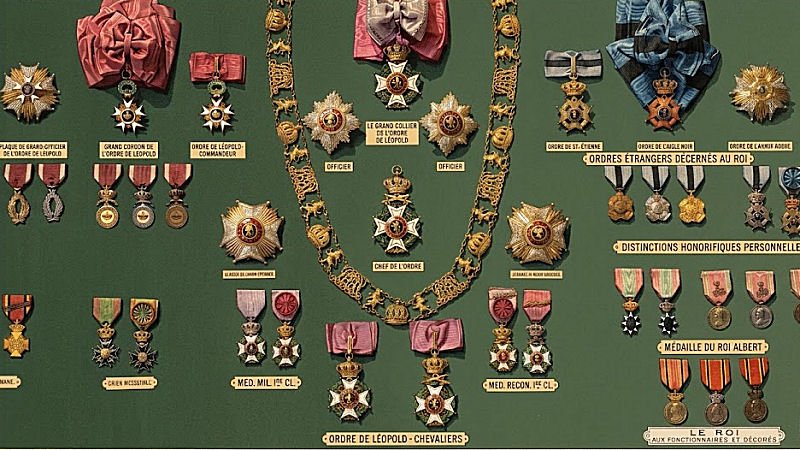
Selection from the display of decorations in the Museum of the Armed Forces and Military History in Brussels

The Royal Museum of the Armed Forces and Military History in Brussels (Musée royal de l’Armée et d’Histoire militaire / Koninklijk Museum van het Leger en de Krijgsgeschiedenis) is one of the most important military-historical museums in Belgium. It is located in the Parc du Cinquantenaire / Jubelpark complex, at Cinquantenaire
Selection from the display of decorations in the Museum of the Armed Forces and Military History in Brussels Read more »

Mexican 50 peso polymer banknote with an augmented reality view

The 50-peso banknote issued by Banco de México (Bank of Mexico) is one of the most beautiful contemporary banknotes in Latin America. It belongs to the banknote series with the theme „Historical Identity and Natural Heritage,” which connects key epochs of Mexican history with the country's natural wealth. It was first put into circulation

Mexican 50 peso polymer banknote with an augmented reality view Read more »

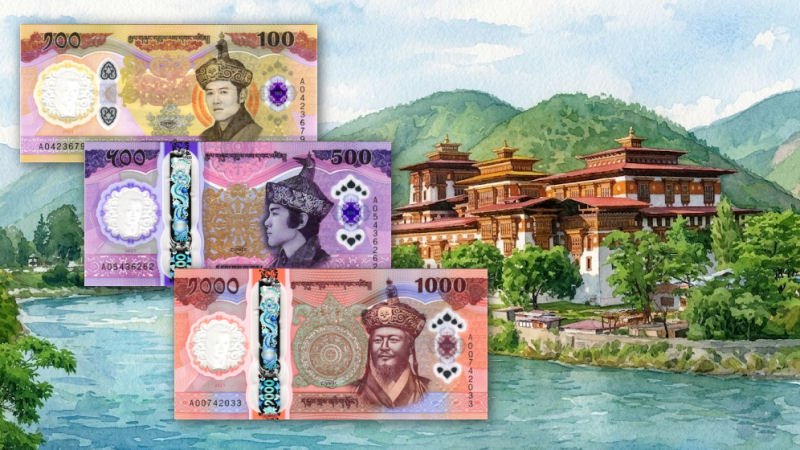
Bhutanese polymer banknotes of 100, 500, and 1000 ngultrum, commemorative issue for the 70th birth anniversary of King Jigme Singye Wangchuck

In 2025, the Royal Monetary Authority of Bhutan issued a series of commemorative circulation banknotes made of polymer. The series is dedicated to the 70th birth anniversary of the Fourth Druk Gyalpo (Dragon King), King Jigme Singye Wangchuck, one of the most important figures in Bhutan's modern history. The banknotes were issued in denominations of 100,

Bhutanese polymer banknotes of 100, 500, and 1000 ngultrum, commemorative issue for the 70th birth anniversary of King Jigme Singye Wangchuck Read more »

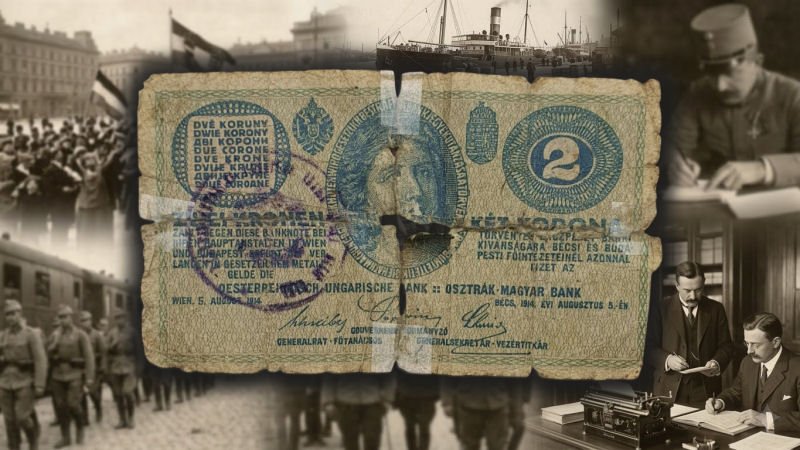
When a person thinks they've seen everything in numismatics – behold, a horse's head!

Numismatics has long ceased to be a world exclusively of regular circles, dignified profiles of rulers, elegant artistic design, and refined symbolism. Today's numismatist, whether they like it or not, must come to terms with the fact that the boundaries of a „coin“ have been stretched to the point where we can sometimes justifiably wonder if we are looking at

When a person thinks they've seen everything in numismatics – behold, a horse's head! Read more »

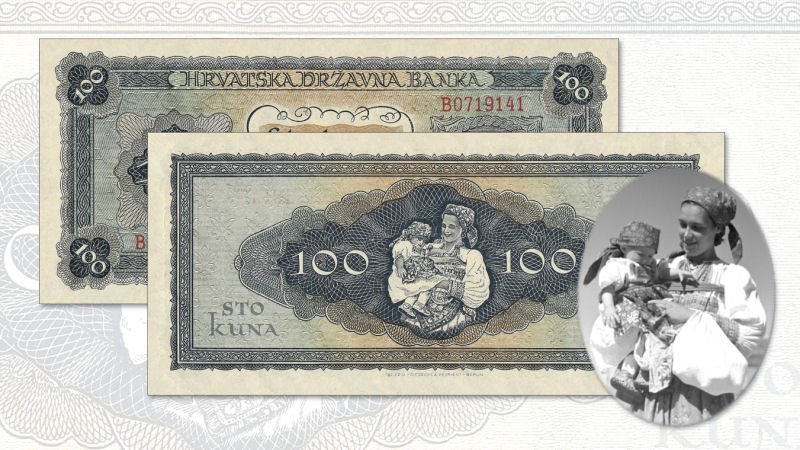
Ethnographic motif on the 100 Kuna banknote from 1943.

The ethnographic motif on the 100 Kuna banknote from 1943 represents the main visual element of the reverse side, located in its central part. It consists of the depiction of a woman with a little girl in her arms, dressed in folk costumes characteristic of certain settlements in the Zagreb sub-mountain region (Prigorje). At the time the banknote was created, those settlements

Ethnographic motif on the 100 Kuna banknote from 1943. Read more »

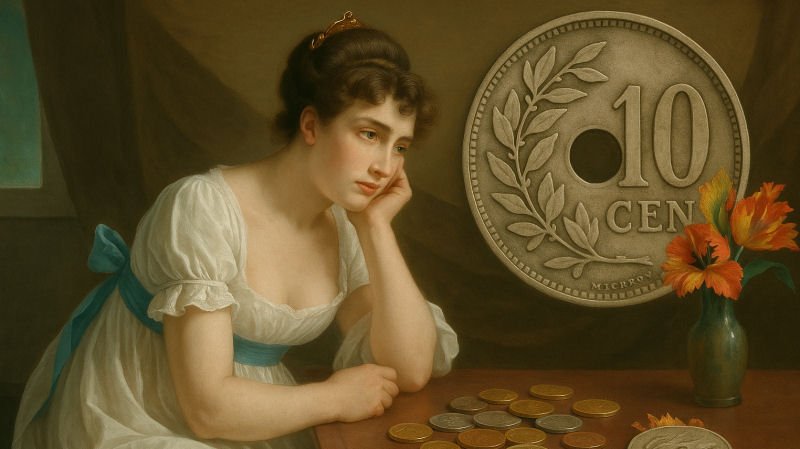
Numismatics that gladdens the heart and doesn't hurt the pocket: The beauty of carefree collecting of affordable coins and banknotes

In the world of numismatic collecting, a pattern is increasingly observed where collectors fall into frustration after an initial enthusiasm. After filling their collections with basic, easily accessible specimens, a feeling arises that this is nothing special and that a “real collection” exists only when it

Numismatics that gladdens the heart and doesn't hurt the pocket: The beauty of carefree collecting of affordable coins and banknotes Read more »

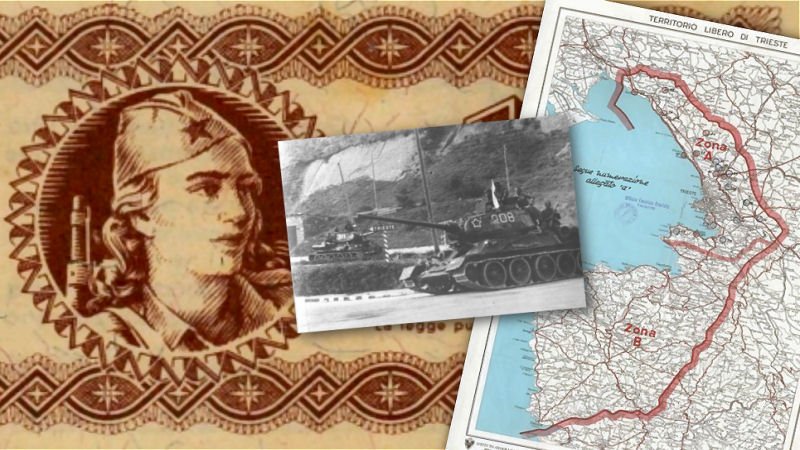
“Jugolire” – paper money of the Economic Bank for Rijeka, Istria and the Slovenian Littoral

Following the end of World War II and before the signing of the peace treaty with Italy, Zone “B” – which included Rijeka, part of Istria, and the Slovenian Littoral – was placed under the administrative control of the Military Administration of the Yugoslav Army (VUJA). In accordance with the international rights belonging to occupying authorities,

“Jugolire” – paper money of the Economic Bank for Rijeka, Istria and the Slovenian Littoral Read more »

Hobby and/or business: What when the Tax Administration knocks on the door?

A topic that will cause discomfort and „turn stomachs“ for many, but is nonetheless very important, especially in the collector's world where the boundaries between a hobby and business activity are often blurred. Although a large part of the transactions in this sector take place informally „under the table,“ meaning in the gray or even black

Hobby and/or business: What when the Tax Administration knocks on the door? Read more »

Milivoj Rodić – Partisan on the first post-war Yugoslav banknote

In the height of World War II, while the fighting was still ongoing, the visual identity of the future new state was being crafted in Italy. In April 1944, the prominent artist and partisan Đorđe Andrejević-Kun, upon the proposal of Ivan Milutinović, the then commissioner for the national economy in the National Committee for the Liberation of Yugoslavia (NKOJ),

Milivoj Rodić – Partisan on the first post-war Yugoslav banknote Read more »

Scroll to Top