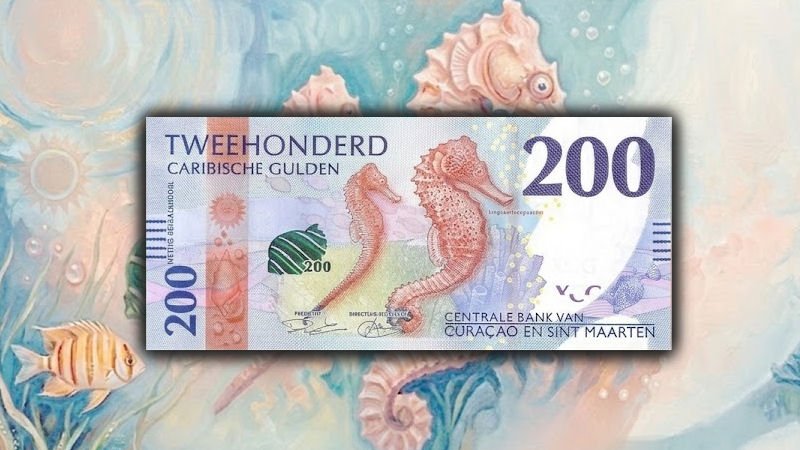


The 200 guilder banknote of Curaçao and Sint Maarten won the IBNS Banknote of the Year 2025 award.

In the prestigious competition for the world's best banknote, traditionally organized by the International Bank Note Society (IBNS), the 2025 victory went to the 200-guilder banknote issued by the Central Bank of Curaçao and Sint Maarten. This marks the first such recognition for this central bank, thereby

The 200 guilder banknote of Curaçao and Sint Maarten won the IBNS Banknote of the Year 2025 award. Read more »

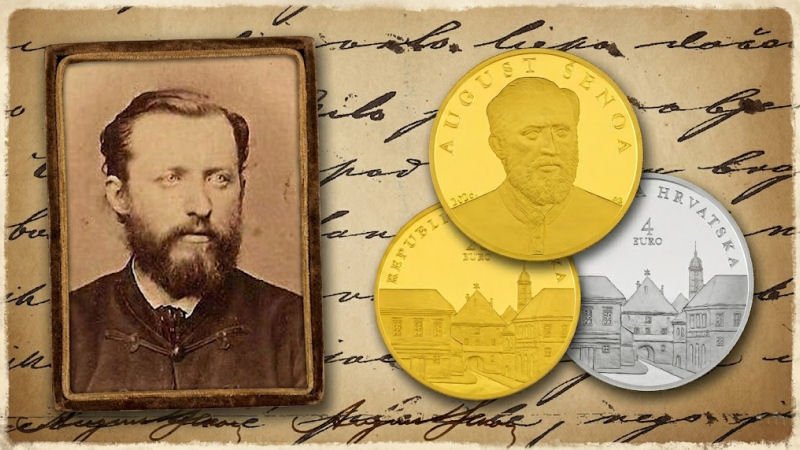
New Croatian gold and silver coins dedicated to August Šenoa

The Croatian National Bank, in cooperation with the Croatian Mint, presents a new numismatic issue entitled „August Šenoa“, the third in the „Croatian Literature“ series. This issue pays tribute to one of the most significant Croatian writers, whose work strongly marked the cultural and social life of the 19th century. Coins from

New Croatian gold and silver coins dedicated to August Šenoa Read more »

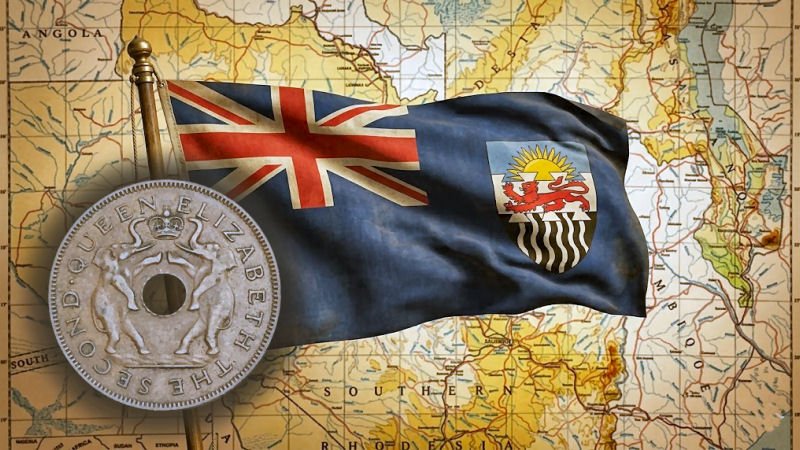
Historical and geographical exoticism in numismatics: Three coins of the Federation of Rhodesia and Nyasaland

One of the beauties of engaging in numismatics is that it broadens our horizons, and not only in terms of knowing the coins (and banknotes) themselves, but also through learning about the history, geography, and culture of various parts of the world. A numismatist very quickly realizes that money is not just a medium of exchange, but

Historical and geographical exoticism in numismatics: Three coins of the Federation of Rhodesia and Nyasaland Read more »

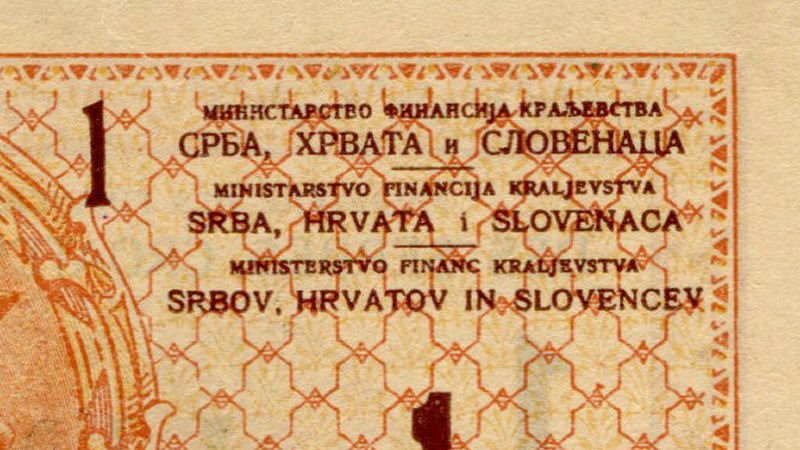
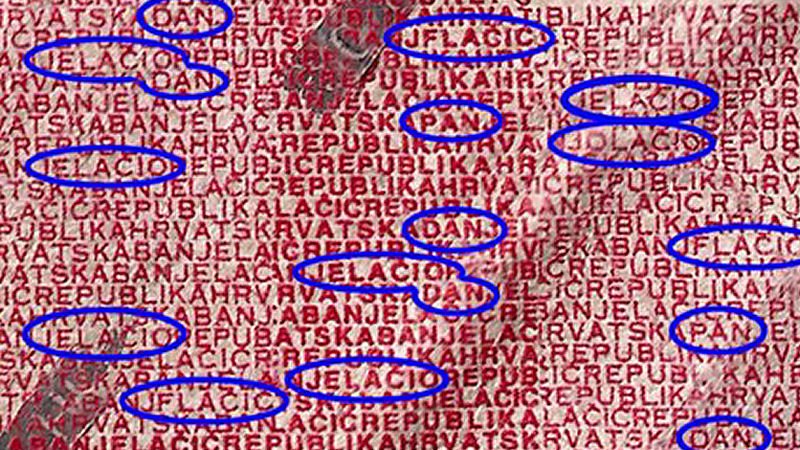
Security features or grammatical errors on Croatian kuna banknotes?

Detailed observation of the 5, 20, and 50 kuna banknotes leads to interesting discoveries. Namely, the microtext printed on the obverse of the banknotes repeatedly repeats one and the same text, but upon careful reading of that text, we find grammatical errors. The question arises here whether these are accidental grammatical

Security features or grammatical errors on Croatian kuna banknotes? Read more »

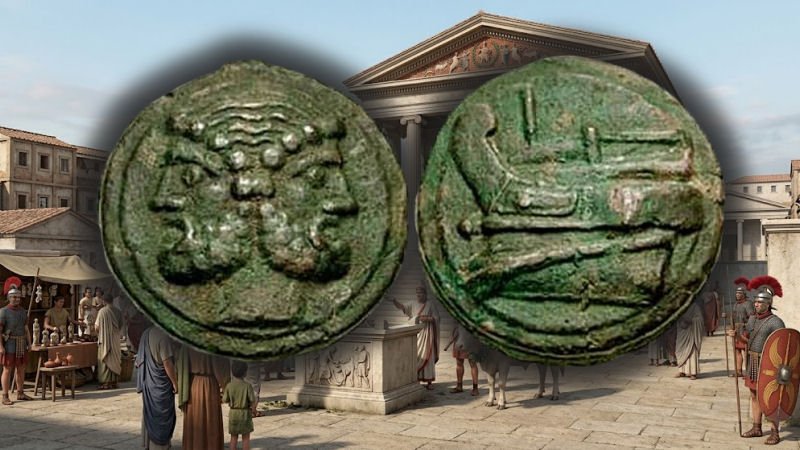
Roman coinage from the earliest times to the fall of the Roman Republic (450–31 BC)

In the area of the Latin cities, in the central part of the Apennine Peninsula, the city of Rome was founded (according to tradition in 753 BC). From the initial settlement on the Palatine, the city gradually developed and, after the abolition of the monarchy (around 510 BC), became a republican aristocratic state in which two high-ranking

Roman coinage from the earliest times to the fall of the Roman Republic (450–31 BC) Read more »

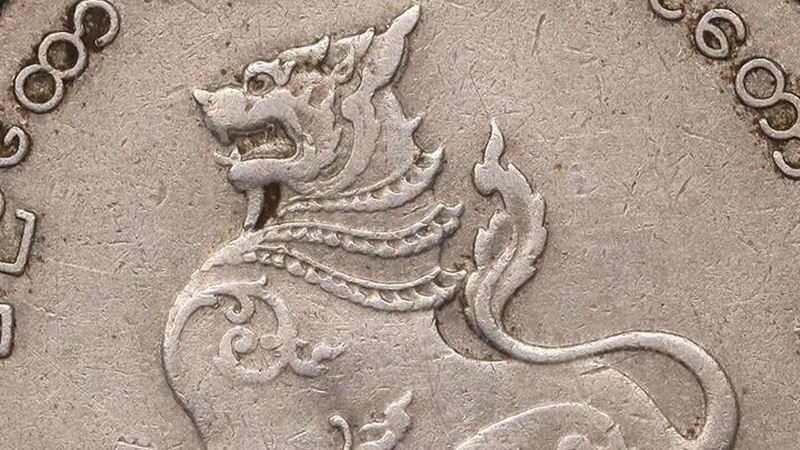
I am waiting

Myanmar, Myanmar, Burma, Bama... is a country of rich history and a unique heritage such as linguistic diversity, Buddhist temples, indigenous food and customs (read, for example, about their personal names...). Unfortunately, since its (re)independence, it has been in a state of constant internal conflicts and political instability with no end in sight. In

I am waiting Read more »

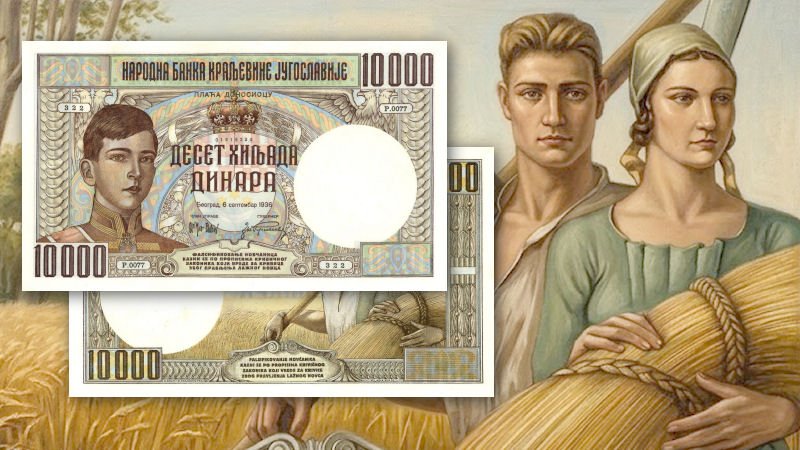
10,000 dinar banknote of the Kingdom of Yugoslavia from 1936.

The 10,000 dinar banknote of the former Kingdom of Yugoslavia dated September 6, 1936, is today the most rarely seen banknote bearing the name of the National Bank of the Kingdom of Yugoslavia. There are not many who have had the luck for their collections to be adorned by that exceptional specimen of national notaphily—national for collectors

10,000 dinar banknote of the Kingdom of Yugoslavia from 1936. Read more »

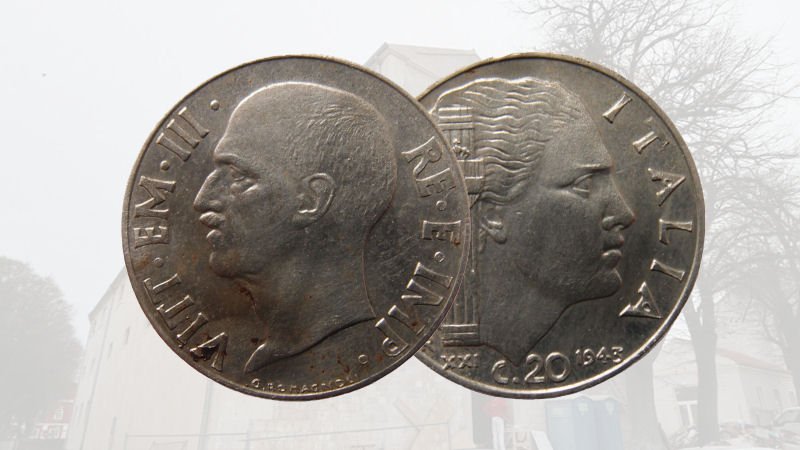
Coin of the Kingdom of Italy of 20 centesimi 1943 R – XXI found in the Church of St. Nicholas in Zadar

During archaeological research at the site of the former St. Nicholas monastery complex in Zadar from 2014 to 2016 (during Italian rule, it housed a military hospital and the „Tommaseo Gulli“ Royal Navy barracks), a specimen of the Kingdom of Italy coin from the 1943 R - XXI emission was found. I

Coin of the Kingdom of Italy of 20 centesimi 1943 R – XXI found in the Church of St. Nicholas in Zadar Read more »

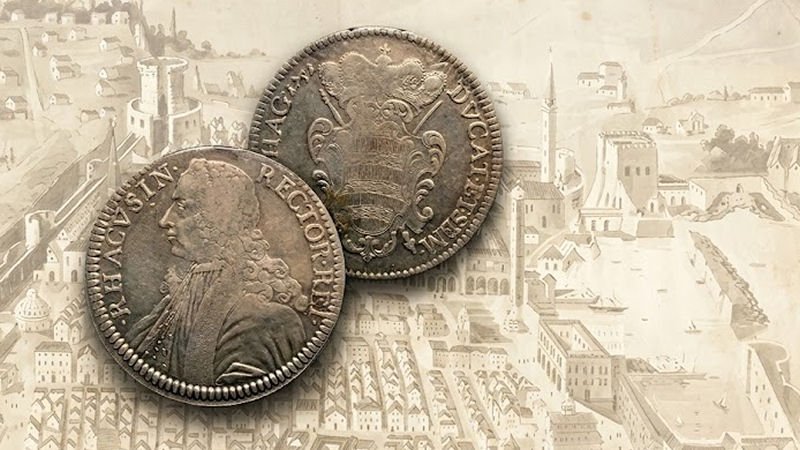
New Vizilin from 1751

The paper discusses the variants of the new vižlin from 1751, which is the first year of minting that type of coin. A total of nine coins are analyzed, six of them for the first time. It is not exactly known by which decision the Senate of the Republic of Dubrovnik decided to mint talers. The decision of May 14, 1725, states

New Vizilin from 1751 Read more »

Scroll to Top