
banknotes

Price? Price? Price?

Over the past few years, a phenomenon has become extremely noticeable in the numismatic community which, although not essentially new, has taken on its most stripped-down and primitive form in the digital space. It is about the obsessive reduction of numismatic items solely to their market value, with every post, every
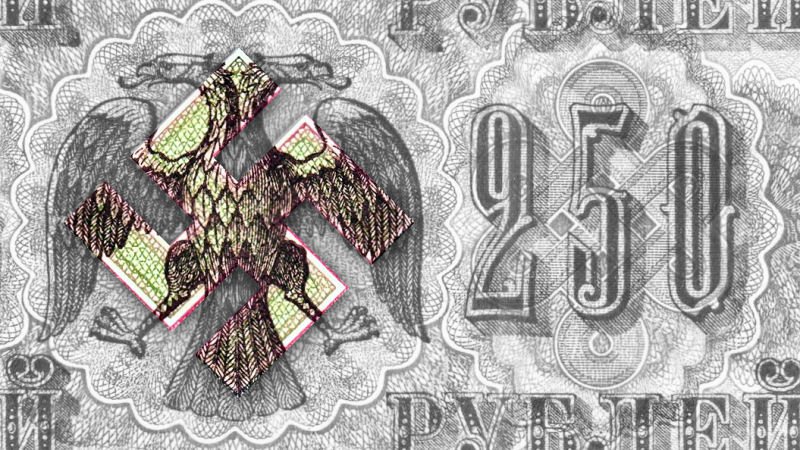
Price? Price? Price? Read more »

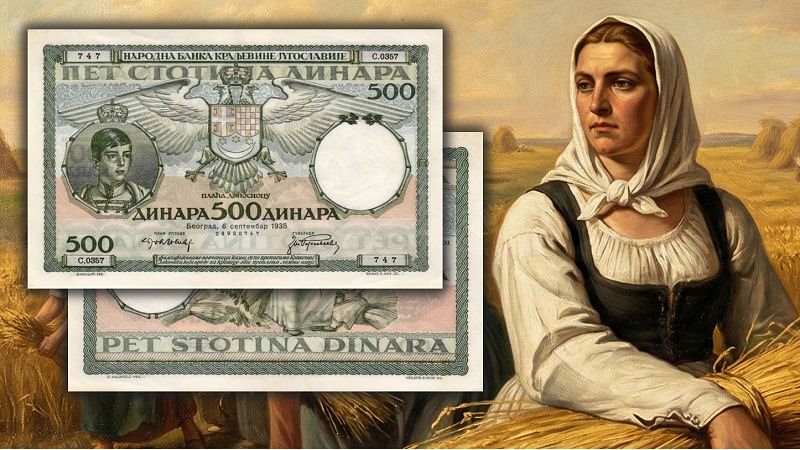
500 dinar banknote of the Kingdom of Yugoslavia from 1935.

The 500 dinar banknote of the Kingdom of Yugoslavia from 1935 represents one of the most artistically successful and iconographically complete issues of interwar Yugoslav notaphily. The entire composition is executed in a subtle palette of green, olive, and brown tones, with discreet pink transitions in the background, giving it a refined, almost painterly

500 dinar banknote of the Kingdom of Yugoslavia from 1935. Read more »

The Chemistry of Money

Here we broadcast a recorded lecture in which Assoc. Prof. Tomislav Portada, PhD, talks about the chemistry of money. Although the appearance of coins and banknotes, their issues, circulations, and preservation are often discussed, here we look at money from a different angle – a chemical perspective. In the lecture you will find out: The lecture combines

The Chemistry of Money Read more »

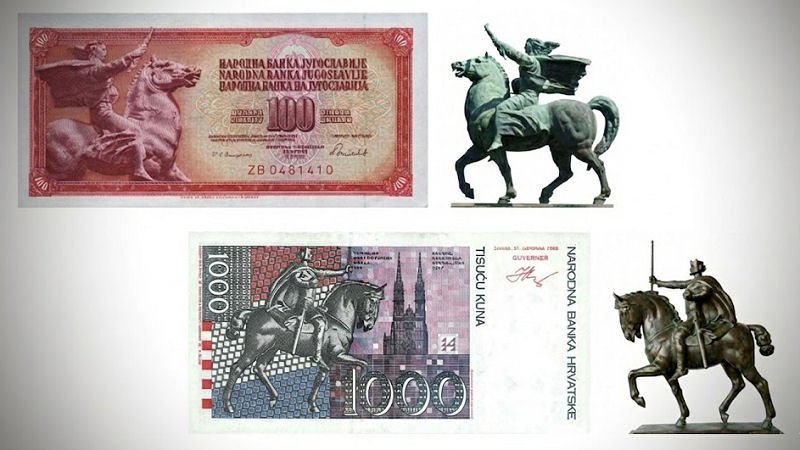
Horses inside out

Banknotes often depict motifs of special importance to the issuing country. Prominent historical figures, recognizable locations, objects of cultural and artistic importance, flora and fauna, architectural and artistic works, as well as monuments, appear on them. When we talk about monuments, we also mean public sculptures.

Horses inside out Read more »

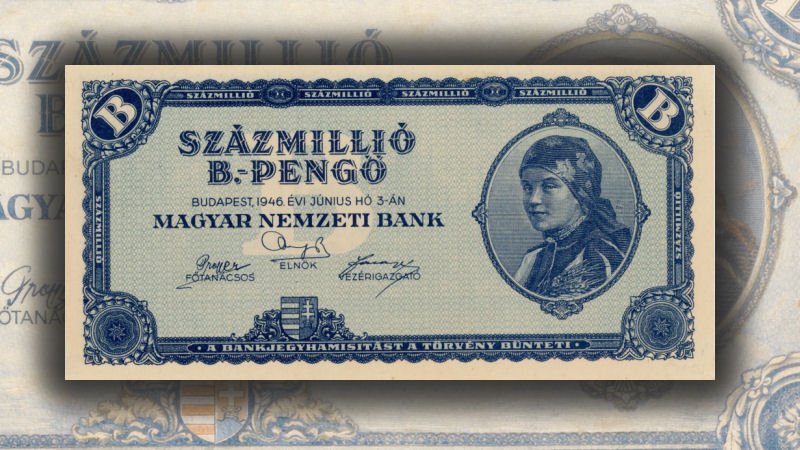
The banknote with the highest denomination in history: Hungary's 100 quintillion pengő from 1946.

In numismatics, there are numerous records, and one of them is a banknote recorded in the „Guinness Book of Records“, which is the banknote with the highest denomination ever issued – 100 quintillion pengő (10²⁰). This exceptional, almost surreal denomination of the banknote was issued in 1946 in Hungary.

The banknote with the highest denomination in history: Hungary's 100 quintillion pengő from 1946. Read more »

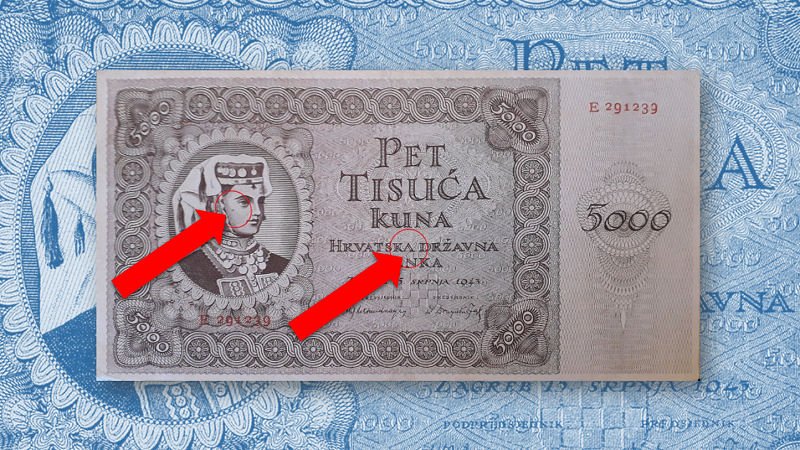
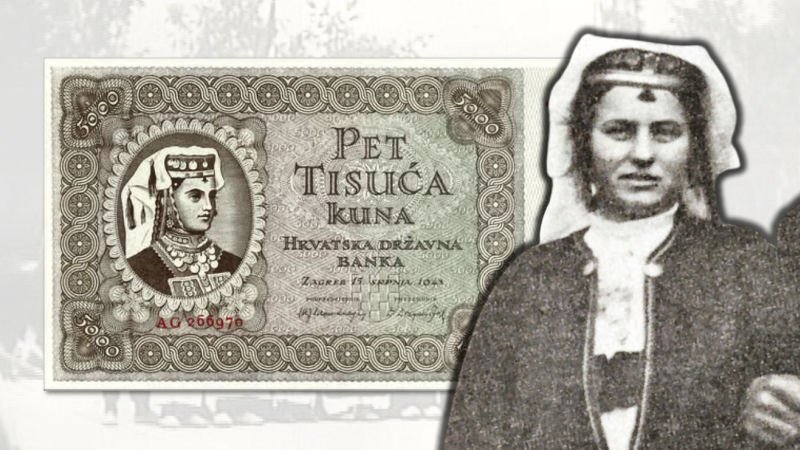
Long-standing dilemma regarding the identification of the girl on the 5000 Kuna banknote of the Independent State of Croatia

On September 5, 1923, in Zlosela near Kupres, Zorka (Zora) Livančić was born, as the fifth and final child of Ilija and Kata (née Milorad). Because her father was a blacksmith, Zora had the lifelong nickname Kovačuša. Zlosela was the largest Croatian village in the Kupres region, which in

Long-standing dilemma regarding the identification of the girl on the 5000 Kuna banknote of the Independent State of Croatia Read more »

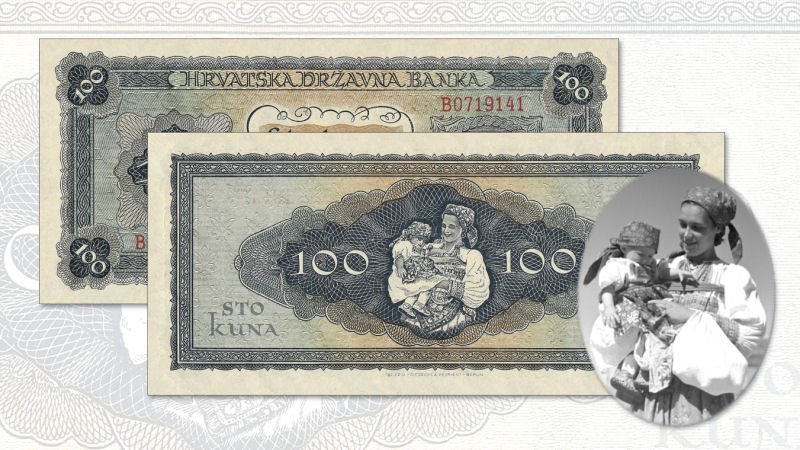
Ethnographic motif on the 100 Kuna banknote from 1943.

The ethnographic motif on the 100 Kuna banknote from 1943 represents the main visual element of the reverse side, located in its central part. It consists of the depiction of a woman with a little girl in her arms, dressed in folk costumes characteristic of certain settlements in the Zagreb sub-mountain region (Prigorje). At the time the banknote was created, those settlements

Ethnographic motif on the 100 Kuna banknote from 1943. Read more »

Numismatics that gladdens the heart and doesn't hurt the pocket: The beauty of carefree collecting of affordable coins and banknotes

In the world of numismatic collecting, a pattern is increasingly observed where collectors fall into frustration after an initial enthusiasm. After filling their collections with basic, easily accessible specimens, a feeling arises that this is nothing special and that a “real collection” exists only when it

Numismatics that gladdens the heart and doesn't hurt the pocket: The beauty of carefree collecting of affordable coins and banknotes Read more »

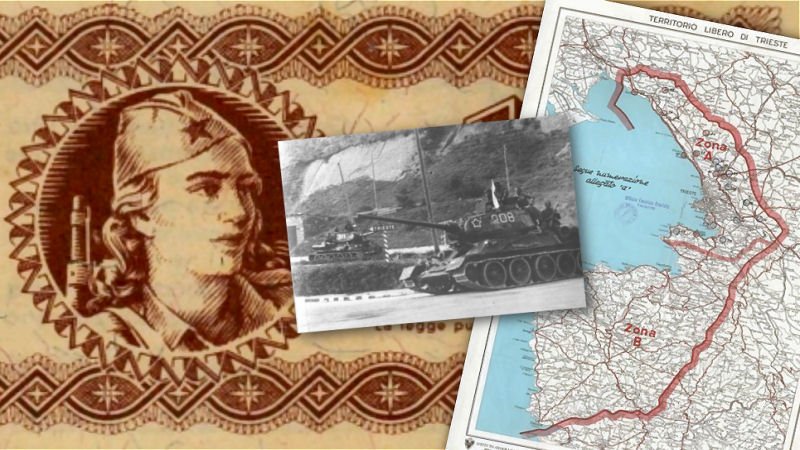
“Jugolire” – paper money of the Economic Bank for Rijeka, Istria and the Slovenian Littoral

Following the end of World War II and before the signing of the peace treaty with Italy, Zone “B” – which included Rijeka, part of Istria, and the Slovenian Littoral – was placed under the administrative control of the Military Administration of the Yugoslav Army (VUJA). In accordance with the international rights belonging to occupying authorities,

“Jugolire” – paper money of the Economic Bank for Rijeka, Istria and the Slovenian Littoral Read more »

Scroll to Top