



ARTICLE

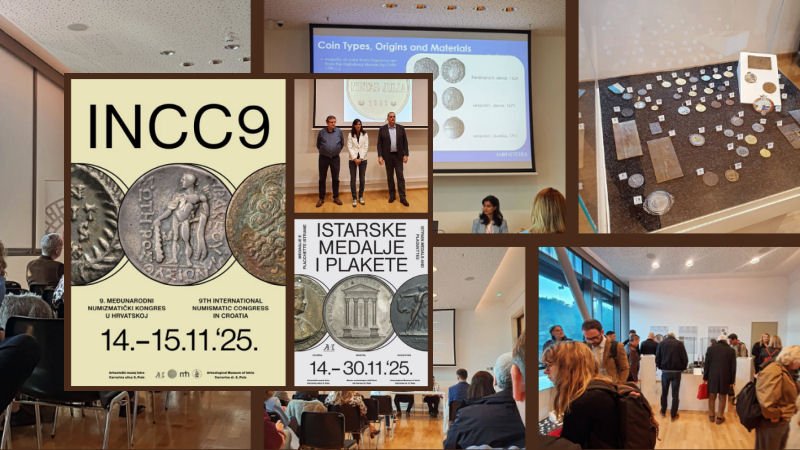
INCC9 – The 9th International Numismatic Congress in Croatia held in Pula

At the Archaeological Museum of Istria in Pula, the 9th International Numismatic Congress in Croatia was held on November 14 and 15, bringing together experts from various fields related to numismatics this year; archaeologists; museum professionals; historians; and numismatic enthusiasts. During this two-day congress

INCC9 – The 9th International Numismatic Congress in Croatia held in Pula Read more »

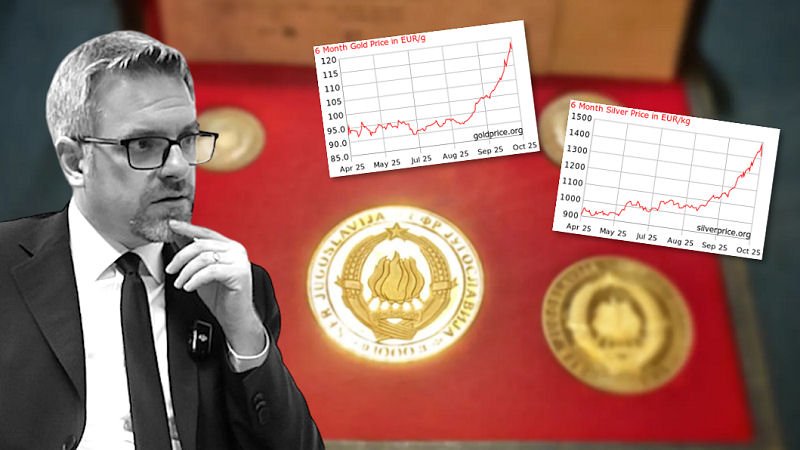
Does the rise in precious metal prices harm numismatics?

Precious metal prices have been „skyrocketing“ for some time. Gold and silver are breaking historical records, investors are rubbing their hands with satisfaction, but concern is growing among numismatists and collectors. The question arises for almost everyone: Does the rise in precious metal prices also benefit numismatists, or does it actually harm them by making it harder

Does the rise in precious metal prices harm numismatics? Read more »

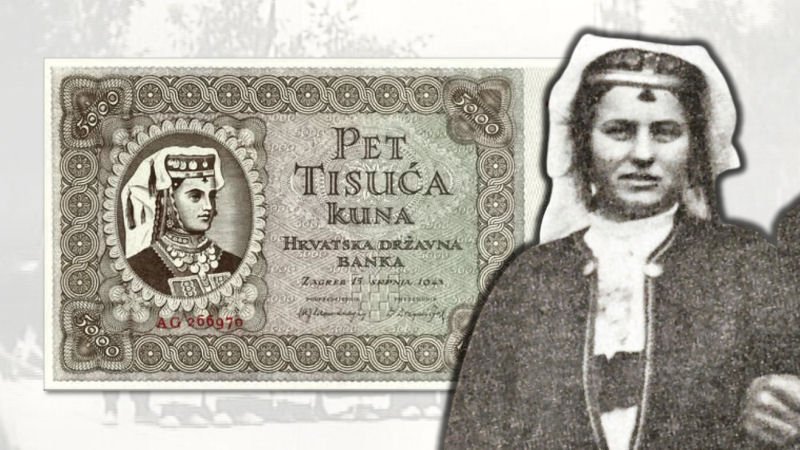
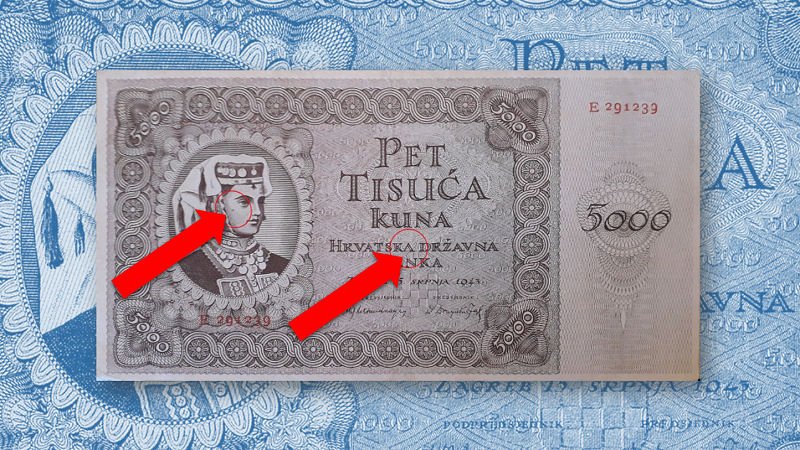
Long-standing dilemma regarding the identification of the girl on the 5000 Kuna banknote of the Independent State of Croatia

5. rujna 1923. godine u Zloselima kraj Kupresa rođena je Zorka (Zora) Livančić, kao peto i ujedno posljednje dijete Ilije i Kate (djev. Milorad). Zbog oca kovača, Zora je imala trajni nadimak Kovačuša. Zlosela su bila najveće hrvatsko selo u kupreškom kraju, koje je u

Long-standing dilemma regarding the identification of the girl on the 5000 Kuna banknote of the Independent State of Croatia Read more »

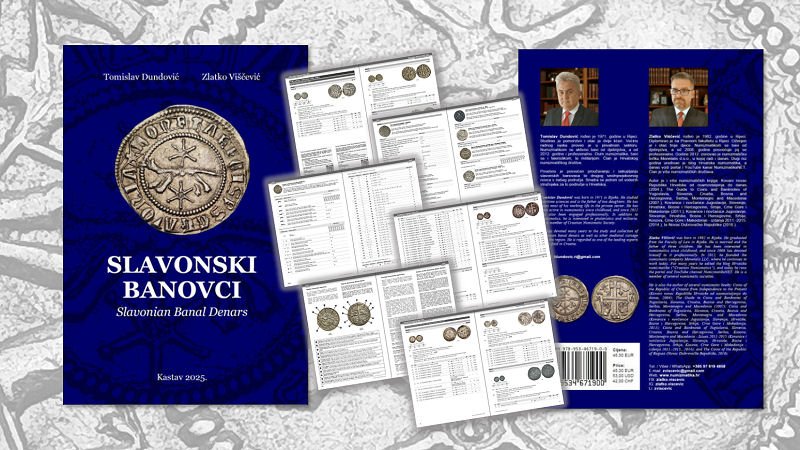
New catalog “Slavonian Banovci” – the first independent work on Slavonian banovci in Croatian numismatics

Croatian numismatics will soon receive a new valuable publication. Authored by Tomislav Dundović and Zlatko Viščević, a new book is being released, the numismatic catalog “Slavonian Banovci”. This is also the first independent catalog dedicated exclusively to Slavonian banovci in the history of Croatian numismatic publishing. Until now, Slavonian banovci were covered

New catalog “Slavonian Banovci” – the first independent work on Slavonian banovci in Croatian numismatics Read more »

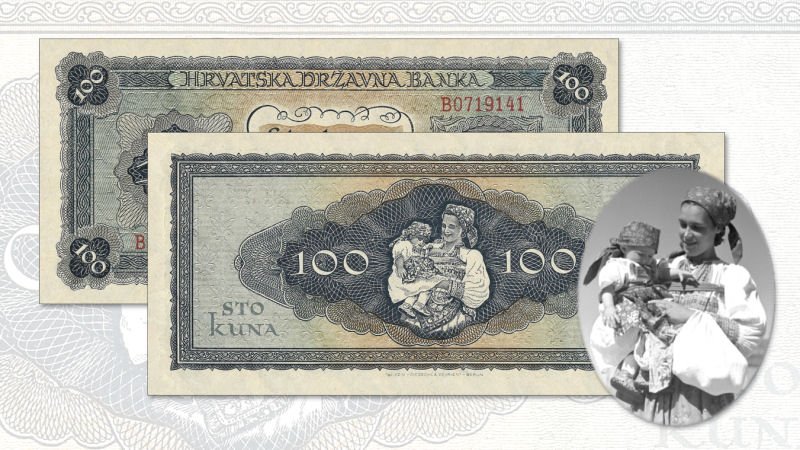
Ethnographic motif on the 100 Kuna banknote from 1943.

The ethnographic motif on the 100 Kuna banknote from 1943 represents the main visual element of the reverse side, located in its central part. It consists of the depiction of a woman with a little girl in her arms, dressed in folk costumes characteristic of certain settlements in the Zagreb sub-mountain region (Prigorje). At the time the banknote was created, those settlements

Ethnographic motif on the 100 Kuna banknote from 1943. Read more »

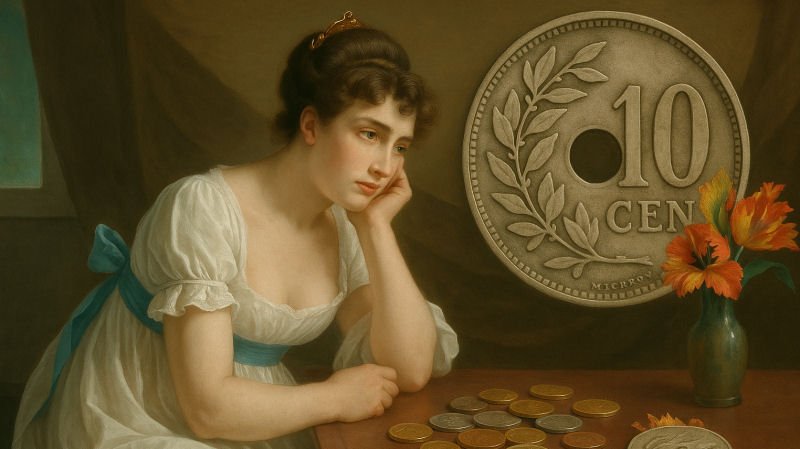
Numismatics that gladdens the heart and doesn't hurt the pocket: The beauty of carefree collecting of affordable coins and banknotes

In the world of numismatic collecting, a pattern is increasingly observed where collectors fall into frustration after an initial enthusiasm. After filling their collections with basic, easily accessible specimens, a feeling arises that this is nothing special and that a “real collection” exists only when it

Numismatics that gladdens the heart and doesn't hurt the pocket: The beauty of carefree collecting of affordable coins and banknotes Read more »

“Jugolire” – paper money of the Economic Bank for Rijeka, Istria and the Slovenian Littoral

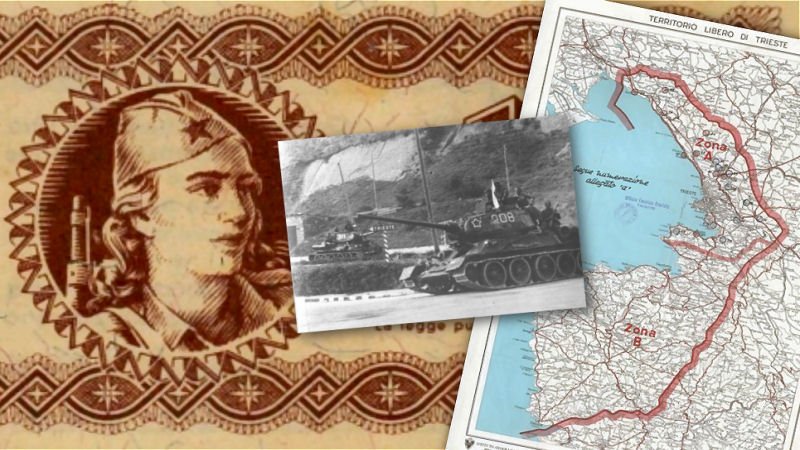
Following the end of World War II and before the signing of the peace treaty with Italy, Zone “B” – which included Rijeka, part of Istria, and the Slovenian Littoral – was placed under the administrative control of the Military Administration of the Yugoslav Army (VUJA). In accordance with the international rights belonging to occupying authorities,

“Jugolire” – paper money of the Economic Bank for Rijeka, Istria and the Slovenian Littoral Read more »

Hobby and/or business: What when the Tax Administration knocks on the door?

Tema koja će mnogima izazvati nelagodu i „okrenuti želudac“, ali je itekako važna, osobito u kolekcionarskom svijetu gdje se često brišu granice između hobija i poslovne aktivnosti. Iako se velik dio transakcija u ovom sektoru odvija neformalno „ispod stola“, odnosno u sivoj ili čak crnoj

Hobby and/or business: What when the Tax Administration knocks on the door? Read more »

Scroll to Top