
Novac

Glagolitic script on currency

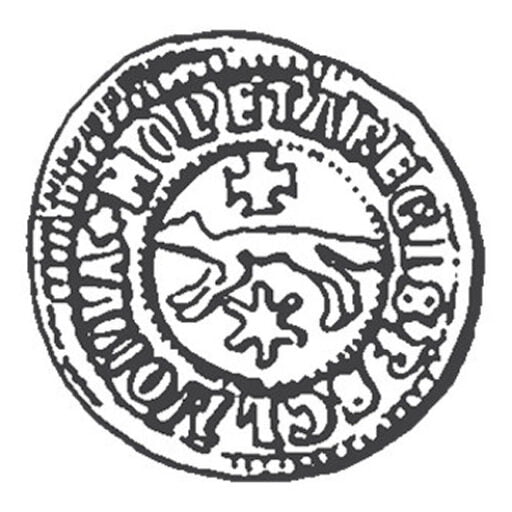
Literacy is one of the fundamental elements of every nation's identity, and in the Croatian case, it historically developed through three scripts: Glagolitic, Cyrillic, and Latin. A particularity of Croatian cultural history is the fact that all three scripts also developed their own national variants: the Croatian (angular) Glagolitic script and the Croatian Cyrillic script (arvatica).
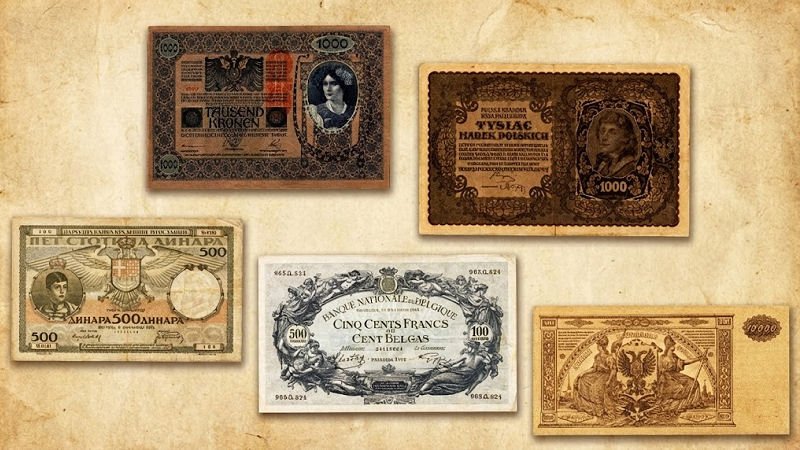
Glagolitic script on currency Read more »

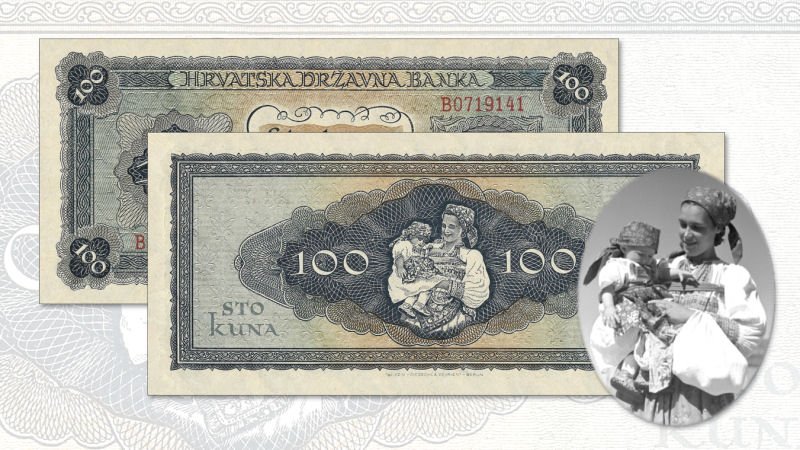
Ethnographic motif on the 100 Kuna banknote from 1943.

The ethnographic motif on the 100 Kuna banknote from 1943 represents the main visual element of the reverse side, located in its central part. It consists of the depiction of a woman with a little girl in her arms, dressed in folk costumes characteristic of certain settlements in the Zagreb sub-mountain region (Prigorje). At the time the banknote was created, those settlements

Ethnographic motif on the 100 Kuna banknote from 1943. Read more »

“Jugolire” – paper money of the Economic Bank for Rijeka, Istria and the Slovenian Littoral

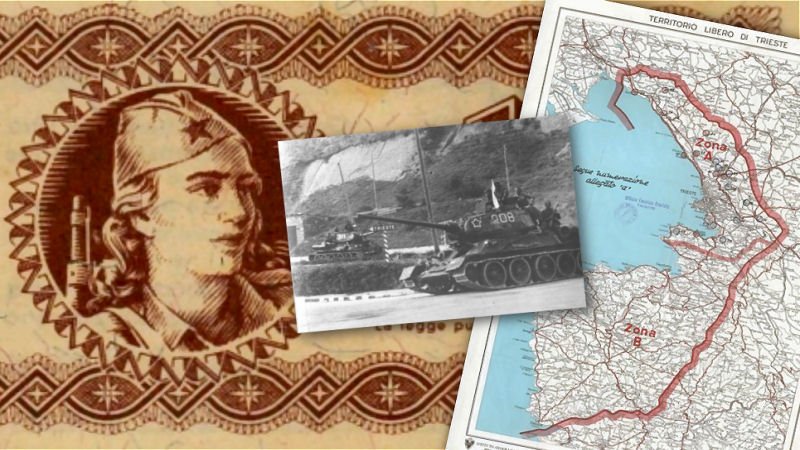
Following the end of World War II and before the signing of the peace treaty with Italy, Zone “B” – which included Rijeka, part of Istria, and the Slovenian Littoral – was placed under the administrative control of the Military Administration of the Yugoslav Army (VUJA). In accordance with the international rights belonging to occupying authorities,

“Jugolire” – paper money of the Economic Bank for Rijeka, Istria and the Slovenian Littoral Read more »

Overview of Commemorative Coins: Croatia, Gold and Silver Coin Set, Baranja, 1997.

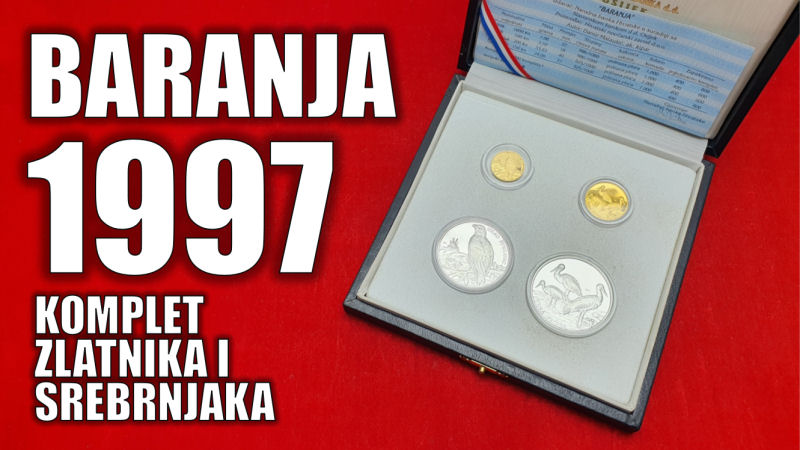
In this video, we present a complete set of Croatian commemorative gold coins dedicated to Baranja. This set was minted in only 300 copies and contains 500 and 1000 kuna gold coins, as well as 150 and 200 kuna silver coins. The motifs on this commemorative currency are Kopačevo (or Kopački)

Overview of Commemorative Coins: Croatia, Gold and Silver Coin Set, Baranja, 1997. Read more »

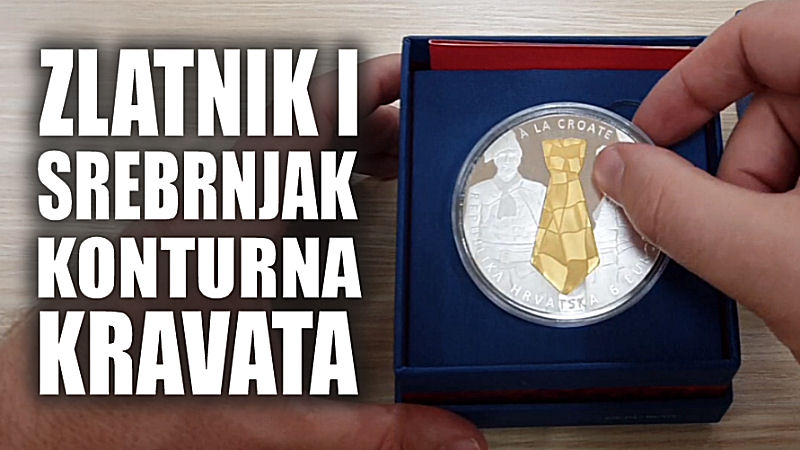
Issue of commemorative coins: Croatia 6 and 100 euros 2023. Contour tie

In this video, we present the commemorative gold and silver coins dedicated to the most famous Croatian garment – the necktie. The 100-euro gold coin and the 6-euro silver coin stand out for their uniqueness. This is the first Croatian gold coin of irregular shape, while the silver coin is the first coin with a “hole” which also has

Issue of commemorative coins: Croatia 6 and 100 euros 2023. Contour tie Read more »

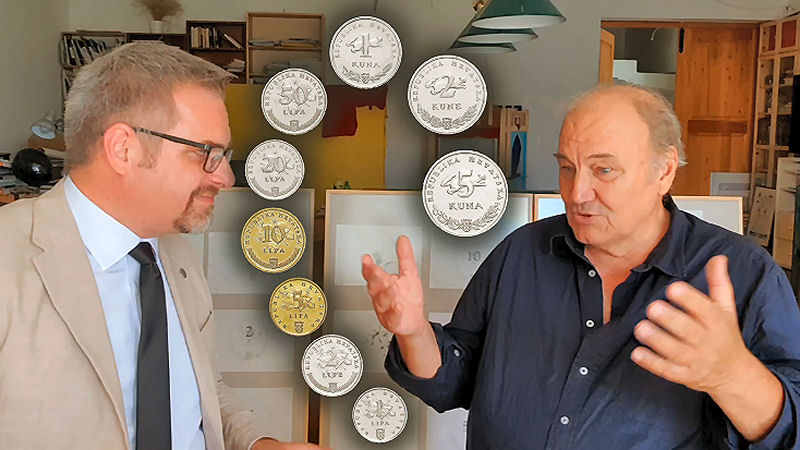
Interview with academic sculptor Kuzmo Kovačić, “father of the minted kuna and lipa”

It is a great honor and pleasure to speak with people who have made history, especially history that is a subject of one's personal interest. One of those people is the academic sculptor, university professor, and academician Kuzma Kovačić, the man who visually designed the kuna and lipa coins. In this

Interview with academic sculptor Kuzmo Kovačić, “father of the minted kuna and lipa” Read more »

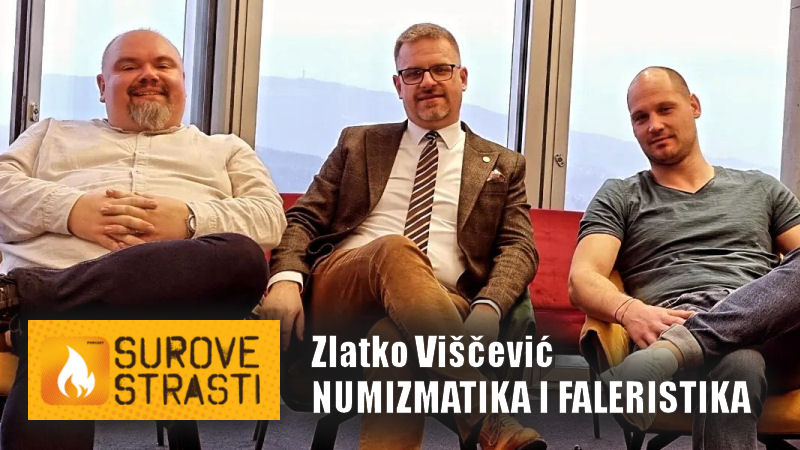
Zlatko Viščević's guest appearance on the podcast “Surove strasti” on the topic of numismatics and phaleristics

“Surove strasti” su vodeći audio podcast za biznis i lifestyle u našoj zemlji, koji vode Saša Tenodi i Ivan Voras. U njemu upoznajemo ljude koji su strastveni u onome što rade. Podcast je nedavno ugostio Zlatka Viščevića, koji je govorio o numizmatici i faleristici, te

Zlatko Viščević's guest appearance on the podcast “Surove strasti” on the topic of numismatics and phaleristics Read more »

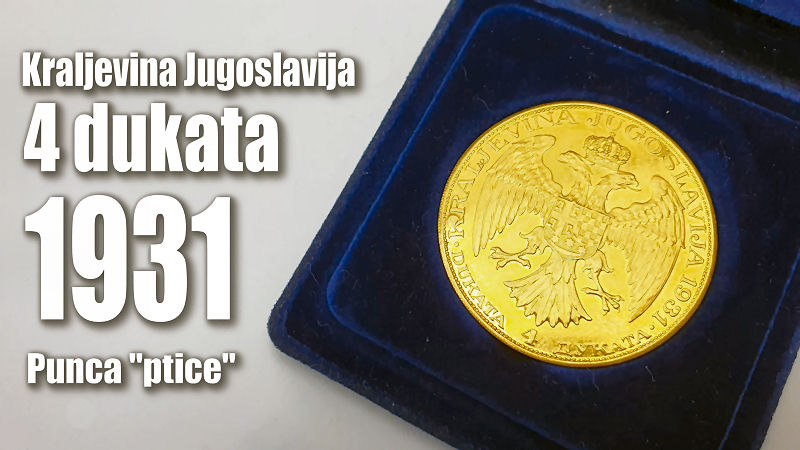
Overview of the gold coin: Yugoslavia 4 ducats 1931. King Alexander I Karađorđević and Queen Maria

U današnjem videu predstavljamo najveći zlatnik izdan u vrijeme Kraljevine Jugoslavije, a radi se o četverostrukom dukatu iz 1931. s likom kralja Aleksandra I. Karađorđevića i kraljice Marije. Ovaj zlatnik na sebi sadrži puncu (žig) „ptice“. Sami dukati u zakonskom smislu nisu novac, već se

Overview of the gold coin: Yugoslavia 4 ducats 1931. King Alexander I Karađorđević and Queen Maria Read more »

Scroll to Top