
Banknotes

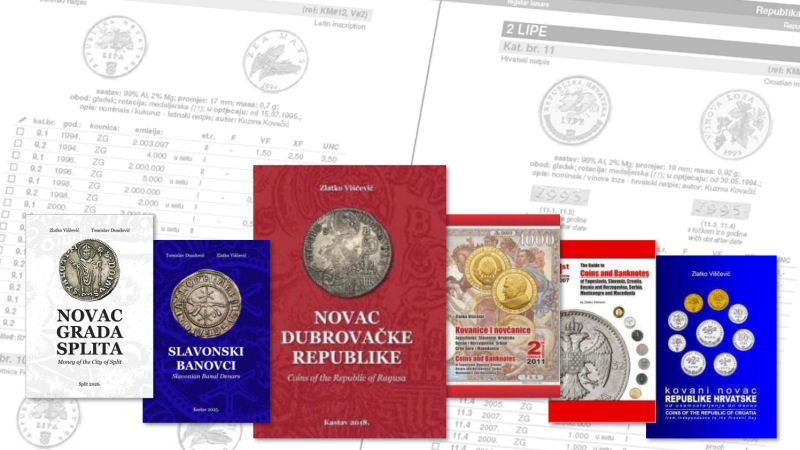
Prices in numismatic catalogs – between benchmarks, manipulation, and the actual market state

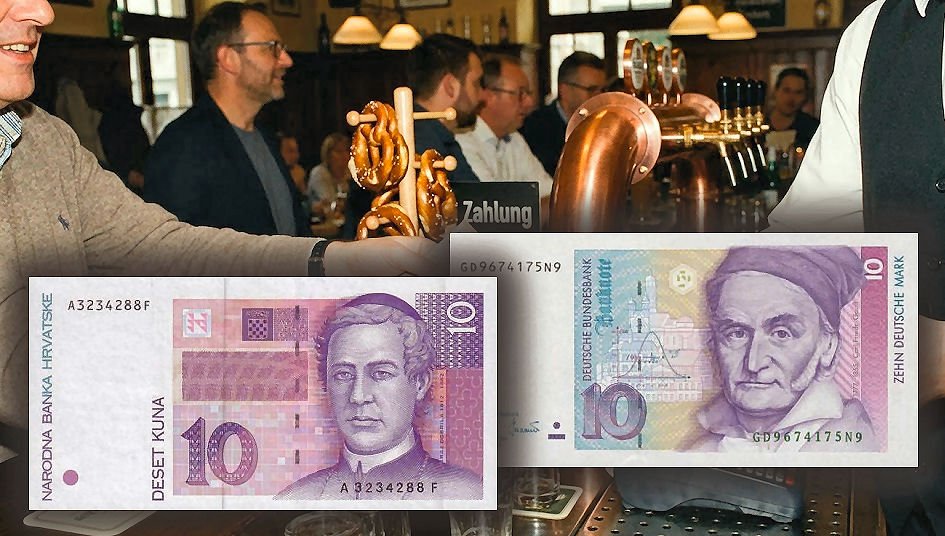
Numismatic catalogs have for decades represented one of the fundamental tools of numismatic collectors, dealers, and auctioneers. In addition to providing a systematic overview of issues, types, varieties, and technical characteristics of coins or banknotes, almost every catalog also contains estimated market values, i.e., „catalog prices.“ It is precisely these prices that often cause the most
Prices in numismatic catalogs – between benchmarks, manipulation, and the actual market state Read more »

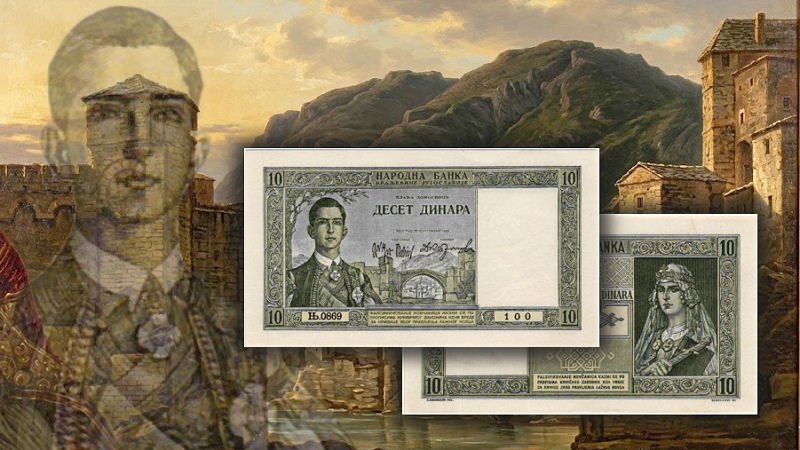
10 dinars banknote of the Kingdom of Yugoslavia dated September 22, 1939.

The 10-dinar banknote dated September 22, 1939, issued by the National Bank of the Kingdom of Yugoslavia, belongs to the group of the most interesting and intriguing issues of Yugoslav (pre)war currency. Although it was formally prepared for regular circulation, its actual destiny is inextricably linked to the dramatic events of April 1941, which gives it a special place

10 dinars banknote of the Kingdom of Yugoslavia dated September 22, 1939. Read more »

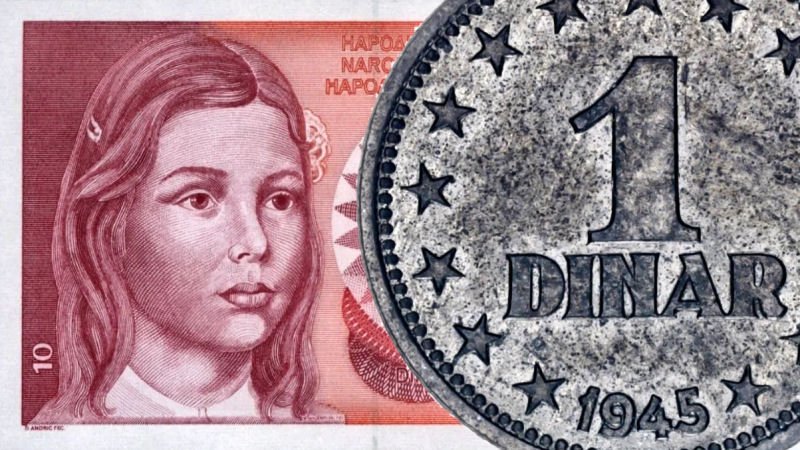
Exchange rate of the Yugoslav dinar 1945-1990.

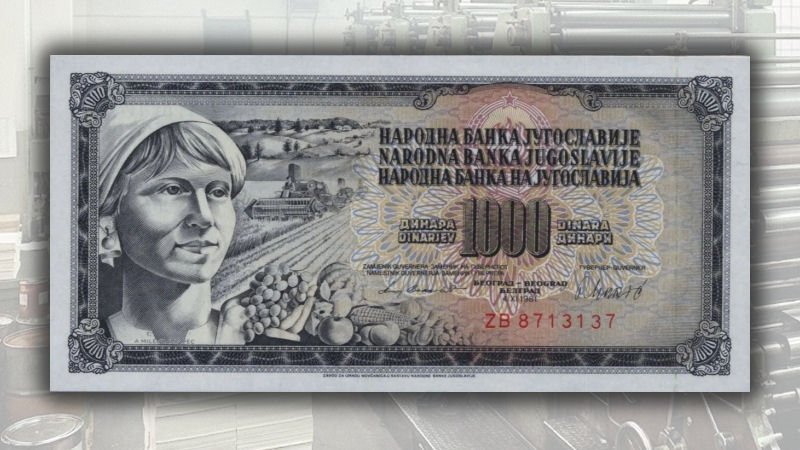
The history of the exchange rate of the Yugoslav dinar from the end of the Second World War to 1990 reflects profound changes in monetary policy, the economic system, and the country's international position. In a numismatic sense, understanding the exchange rate relations is crucial for the proper interpretation of the timing of the issuance of certain nominal values of banknotes and coins, especially

Exchange rate of the Yugoslav dinar 1945-1990. Read more »

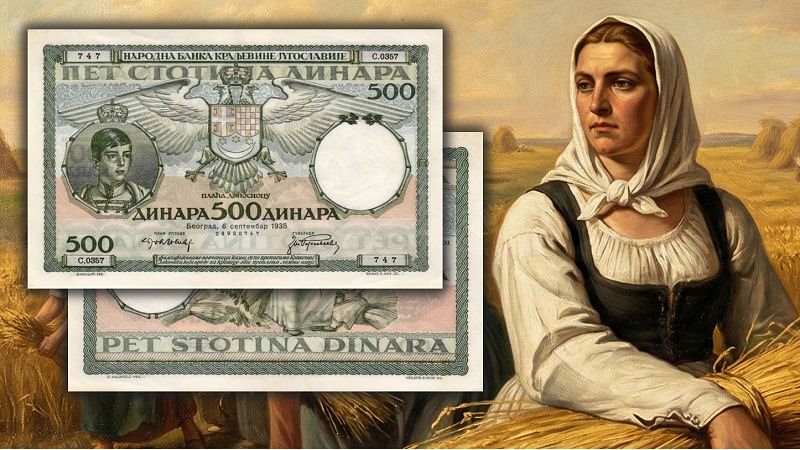
500 dinar banknote of the Kingdom of Yugoslavia from 1935.

The 500 dinar banknote of the Kingdom of Yugoslavia from 1935 represents one of the most artistically successful and iconographically complete issues of interwar Yugoslav notaphily. The entire composition is executed in a subtle palette of green, olive, and brown tones, with discreet pink transitions in the background, giving it a refined, almost painterly

500 dinar banknote of the Kingdom of Yugoslavia from 1935. Read more »

The Chemistry of Money

Here we broadcast a recorded lecture in which Assoc. Prof. Tomislav Portada, PhD, talks about the chemistry of money. Although the appearance of coins and banknotes, their issues, circulations, and preservation are often discussed, here we look at money from a different angle – a chemical perspective. In the lecture you will find out: The lecture combines

The Chemistry of Money Read more »

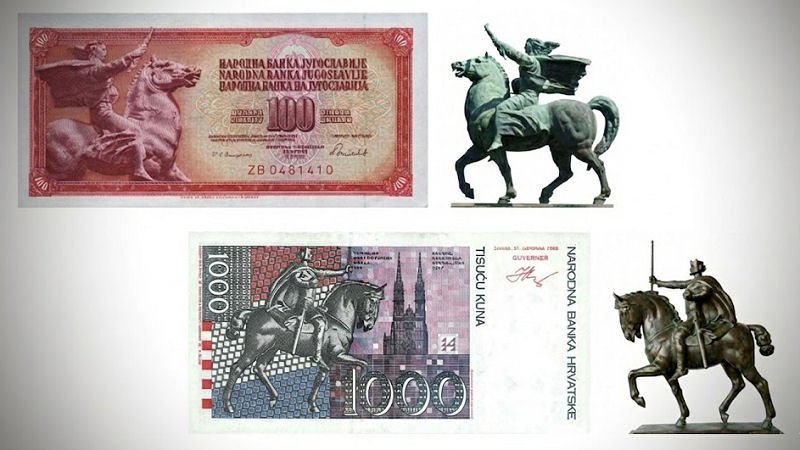
Horses inside out

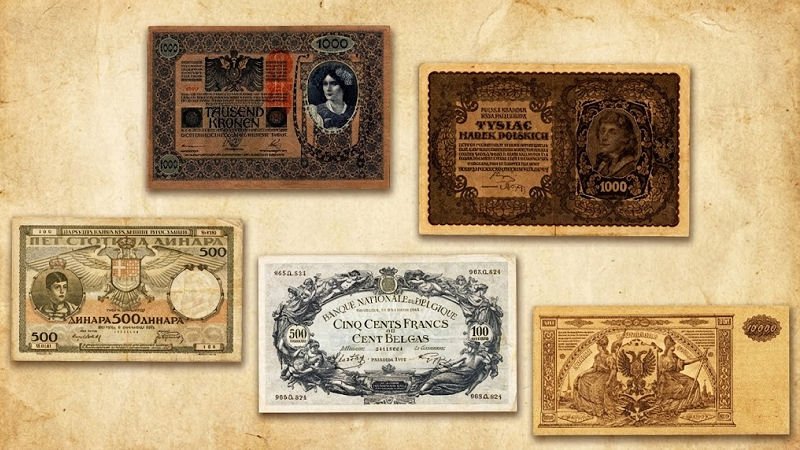
Banknotes often depict motifs of special importance to the issuing country. Prominent historical figures, recognizable locations, objects of cultural and artistic importance, flora and fauna, architectural and artistic works, as well as monuments, appear on them. When we talk about monuments, we also mean public sculptures.

Horses inside out Read more »

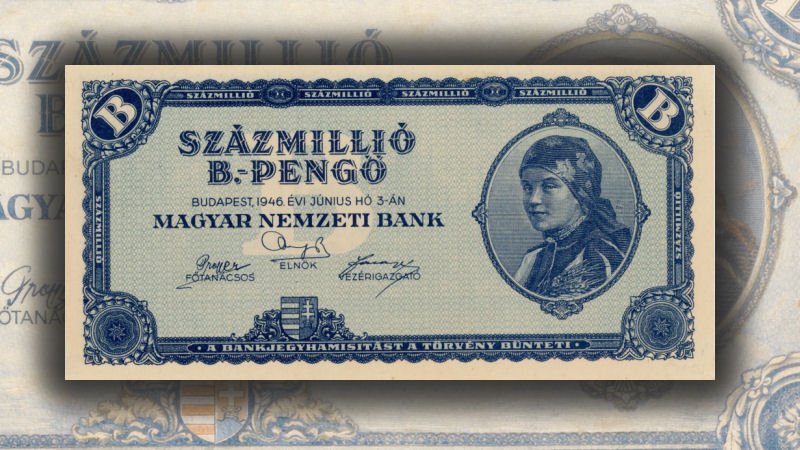
The banknote with the highest denomination in history: Hungary's 100 quintillion pengő from 1946.

In numismatics, there are numerous records, and one of them is a banknote recorded in the „Guinness Book of Records“, which is the banknote with the highest denomination ever issued – 100 quintillion pengő (10²⁰). This exceptional, almost surreal denomination of the banknote was issued in 1946 in Hungary.

The banknote with the highest denomination in history: Hungary's 100 quintillion pengő from 1946. Read more »

Replacement banknotes

Replacement banknotes represent a special and often insufficiently known segment of notaphily, which interestingly connects the technical process of money printing with collecting practice. Although at first glance they do not differ from regular specimens, their role in the monetary system and the way they are marked make them particularly interesting to researchers

Replacement banknotes Read more »

Glagolitic script on currency

Literacy is one of the fundamental elements of every nation's identity, and in the Croatian case, it historically developed through three scripts: Glagolitic, Cyrillic, and Latin. A particularity of Croatian cultural history is the fact that all three scripts also developed their own national variants: the Croatian (angular) Glagolitic script and the Croatian Cyrillic script (arvatica).

Glagolitic script on currency Read more »

Scroll to Top