



numismatics

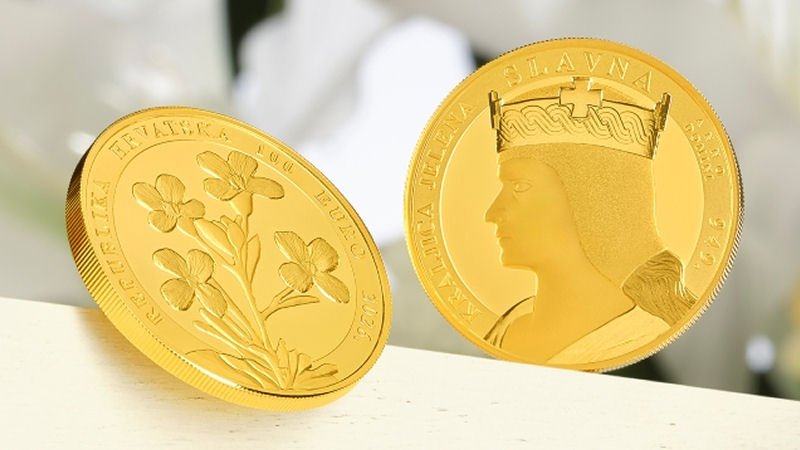
New numismatic issue in honor of Croatian Queen Jelena

The Croatian National Bank, in cooperation with the Croatian Mint, presents a new commemorative numismatic issue entitled „Queen Jelena the Glorious“, continuing the „Rulers“ series. This issue is dedicated to one of the most important women of the early Croatian Middle Ages, whose name has been preserved in rare, but extremely significant historical

New numismatic issue in honor of Croatian Queen Jelena Read more »
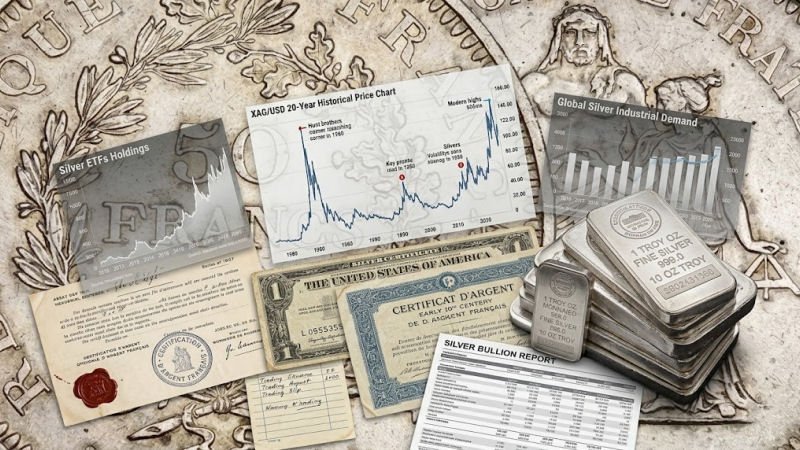
Prices in numismatic catalogs – between benchmarks, manipulation, and the actual market state

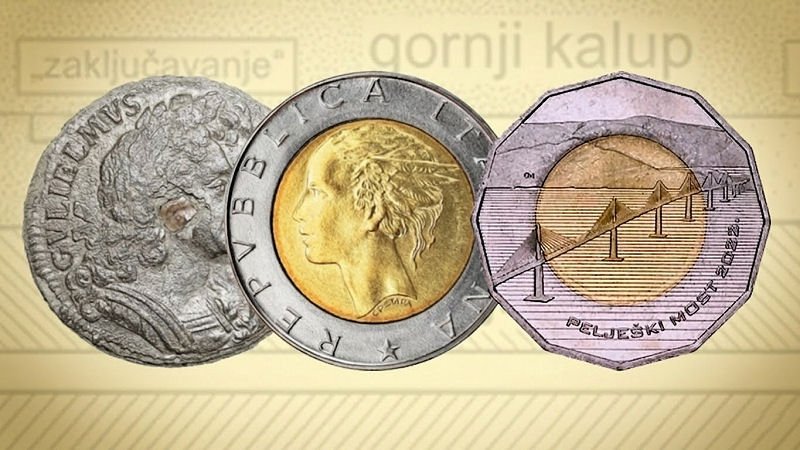
Numismatic catalogs have for decades represented one of the fundamental tools of numismatic collectors, dealers, and auctioneers. In addition to providing a systematic overview of issues, types, varieties, and technical characteristics of coins or banknotes, almost every catalog also contains estimated market values, i.e., „catalog prices.“ It is precisely these prices that often cause the most

Prices in numismatic catalogs – between benchmarks, manipulation, and the actual market state Read more »

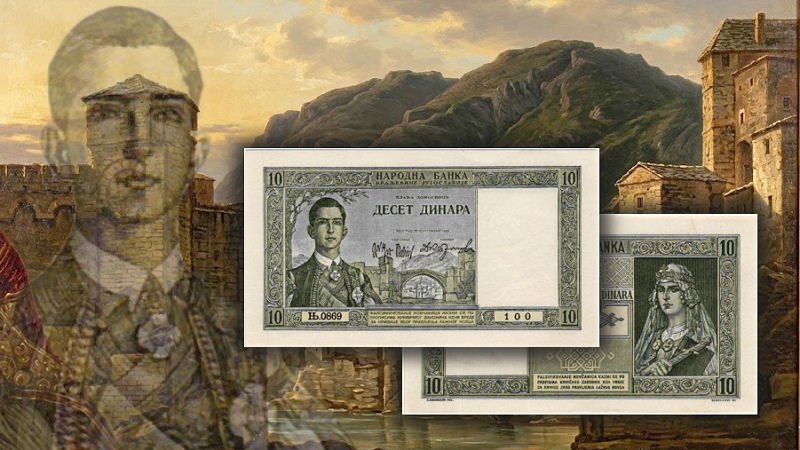
10 dinars banknote of the Kingdom of Yugoslavia dated September 22, 1939.

The 10-dinar banknote dated September 22, 1939, issued by the National Bank of the Kingdom of Yugoslavia, belongs to the group of the most interesting and intriguing issues of Yugoslav (pre)war currency. Although it was formally prepared for regular circulation, its actual destiny is inextricably linked to the dramatic events of April 1941, which gives it a special place

10 dinars banknote of the Kingdom of Yugoslavia dated September 22, 1939. Read more »

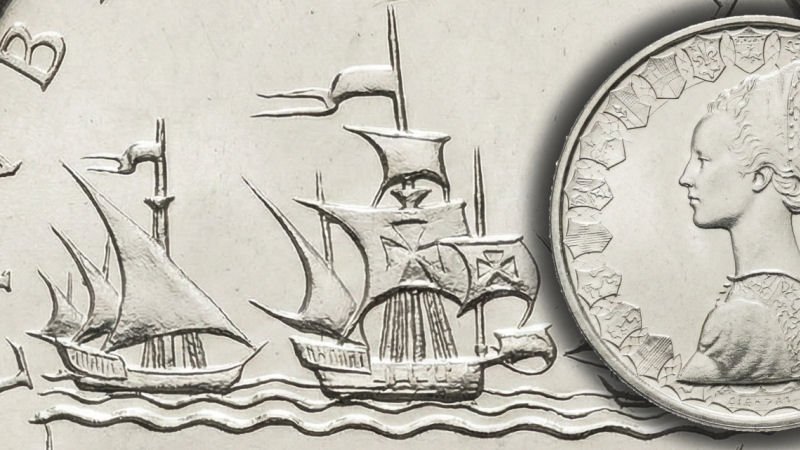
500 lira „Caravela“ and its controversial little flags

The 500 lira silver coin, issued in the late 1950s, represents one of the most famous and intriguing issues of modern Italian numismatics. It was created during a period of favorable economic conditions when Italy, following wartime destruction and post-war reconstruction, was gradually returning to stability and prosperity. At the same time, there was a need to harmonize

500 lira „Caravela“ and its controversial little flags Read more »

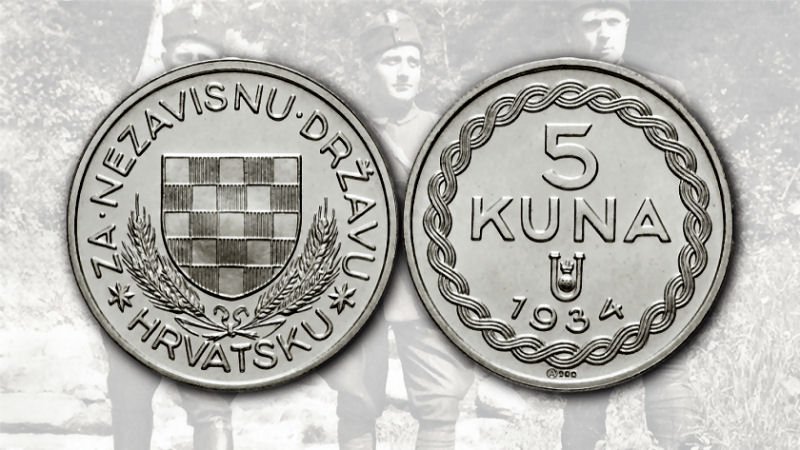
On the planned introduction of the kuna as the official currency in the Ustaše emigration in 1934

The 5-kuna silver coin minted in 1934 has been written about on several occasions, and a number of sometimes contradictory conclusions have been reached regarding it. Original documents from Belgrade, available in the form of microfilms in the Croatian State Archives, shed light on many details about the activities of the Ustasha movement in Italy, to which

On the planned introduction of the kuna as the official currency in the Ustaše emigration in 1934 Read more »

Price? Price? Price?

Over the past few years, a phenomenon has become extremely noticeable in the numismatic community which, although not essentially new, has taken on its most stripped-down and primitive form in the digital space. It is about the obsessive reduction of numismatic items solely to their market value, with every post, every

Price? Price? Price? Read more »

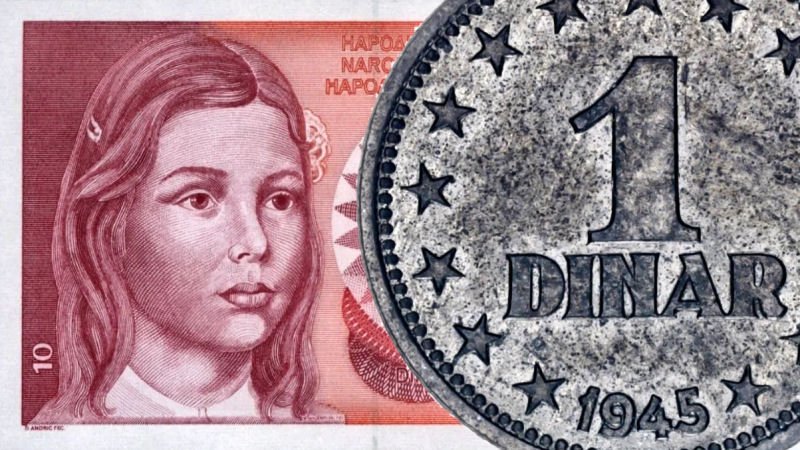
Exchange rate of the Yugoslav dinar 1945-1990.

The history of the exchange rate of the Yugoslav dinar from the end of the Second World War to 1990 reflects profound changes in monetary policy, the economic system, and the country's international position. In a numismatic sense, understanding the exchange rate relations is crucial for the proper interpretation of the timing of the issuance of certain nominal values of banknotes and coins, especially

Exchange rate of the Yugoslav dinar 1945-1990. Read more »

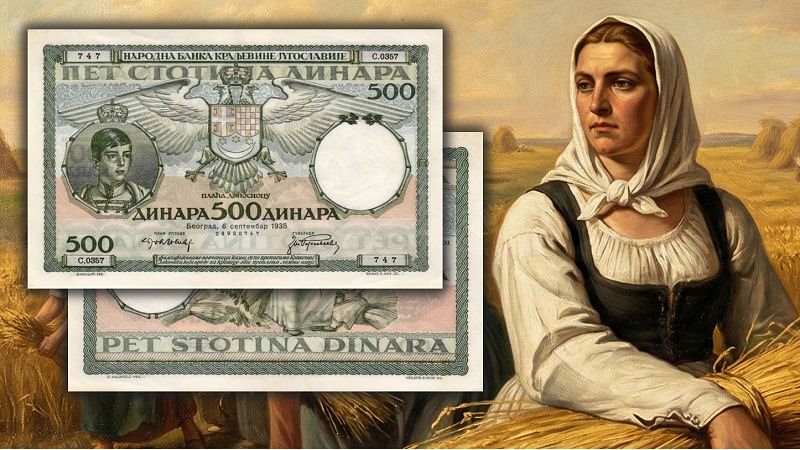
500 dinar banknote of the Kingdom of Yugoslavia from 1935.

The 500 dinar banknote of the Kingdom of Yugoslavia from 1935 represents one of the most artistically successful and iconographically complete issues of interwar Yugoslav notaphily. The entire composition is executed in a subtle palette of green, olive, and brown tones, with discreet pink transitions in the background, giving it a refined, almost painterly

500 dinar banknote of the Kingdom of Yugoslavia from 1935. Read more »

The Chemistry of Money

Here we broadcast a recorded lecture in which Assoc. Prof. Tomislav Portada, PhD, talks about the chemistry of money. Although the appearance of coins and banknotes, their issues, circulations, and preservation are often discussed, here we look at money from a different angle – a chemical perspective. In the lecture you will find out: The lecture combines

The Chemistry of Money Read more »

Manual coin minting

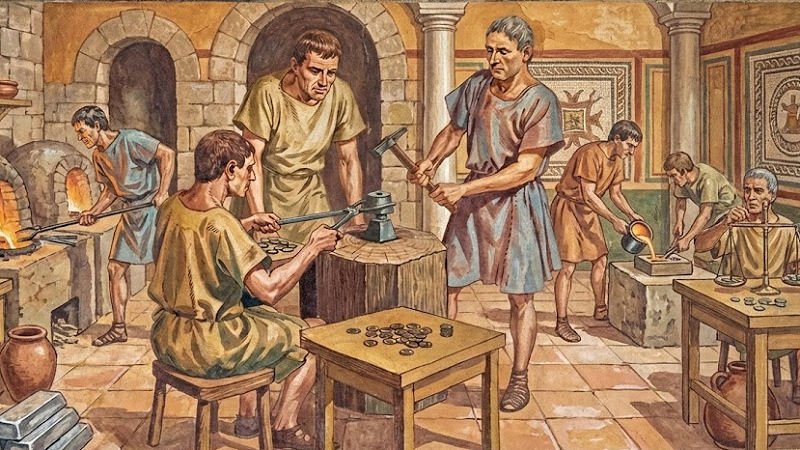
From antiquity, practically until the end of the 16th century, money was produced by manual minting, that is, using a striking technique in which each individual piece was created separately. The process required precise preparation, coordination among multiple people, and a high degree of craftsmanship. Minting took place through clearly defined phases.

Manual coin minting Read more »

Scroll to Top