



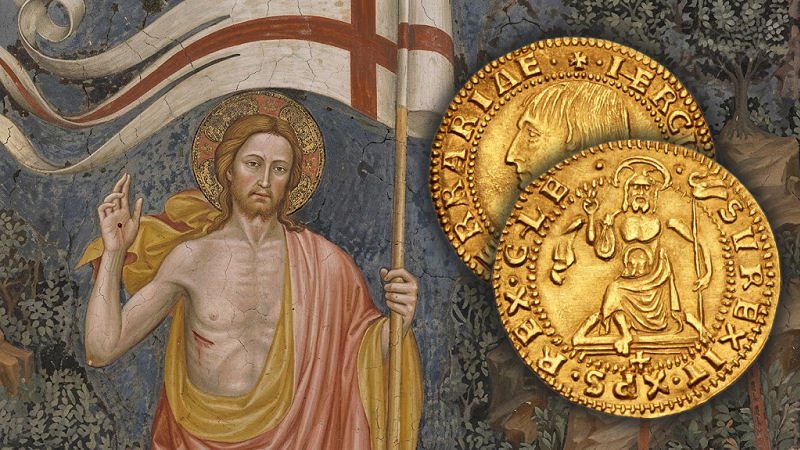
The Resurrection of Christ on a gold ducat

The depiction of the Resurrection of Christ is one of the most powerful and recognizable motifs of Christian iconography. Yet, despite its theological importance, this scene very rarely appears on coinage. Precisely for this reason, the gold ducat from Ferrara, minted during the time of Ercole I d’Este in the late 15th century, represents an exceptional combination of religious message
The Resurrection of Christ on a gold ducat Read more »

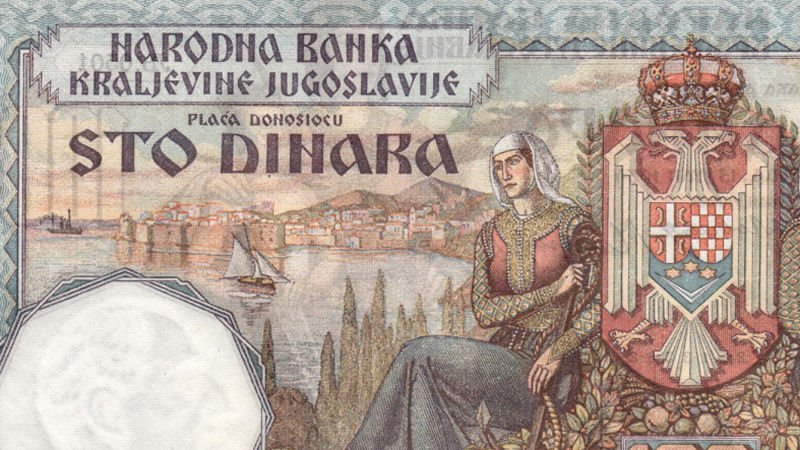
The enigmatic short-term circulation of the 100-dinar banknote of the National Bank of the Kingdom of Yugoslavia dated July 15, 1934.

It is known that the banknotes of the Kingdom of Serbs, Croats and Slovenes and the Kingdom of Yugoslavia are the product of the „French school“ of banknote printing. The first issues of royal Yugoslav banknotes (with the exception of the 10 dinar banknote of November 1, 1920, which was produced by the American Bank Note Co., New York) were designed and manufactured

The enigmatic short-term circulation of the 100-dinar banknote of the National Bank of the Kingdom of Yugoslavia dated July 15, 1934. Read more »

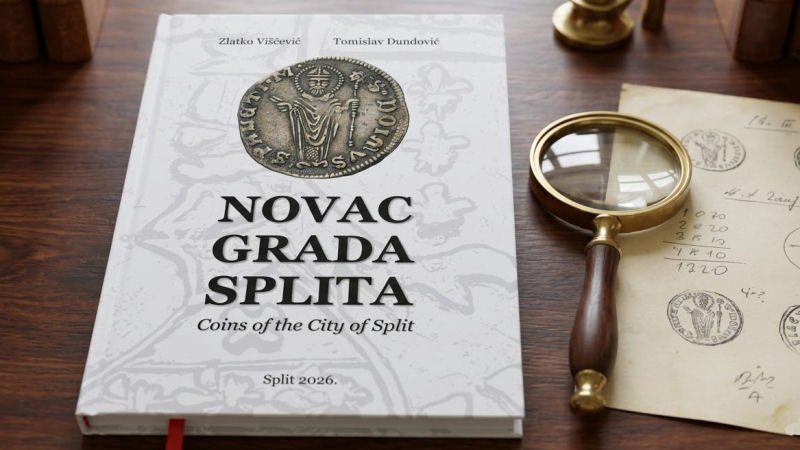
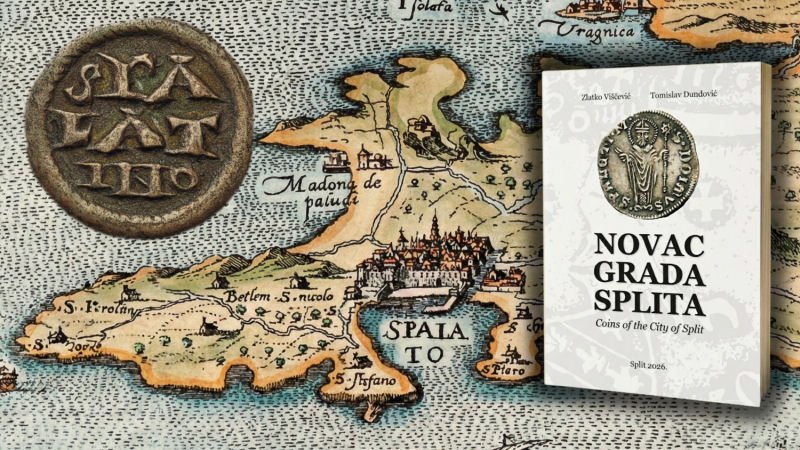
New numismatic catalog „Coins of the City of Split“ published“

Croatian numismatics is richer by another expert title. The long-awaited catalog „Money of the City of Split“, authored by Zlatko Viščević and Tomislav Dundović, has been published and is available for order from now on. This is the first independent numismatic book that systematically and in a modern way covers the Split communal

New numismatic catalog „Coins of the City of Split“ published“ Read more »

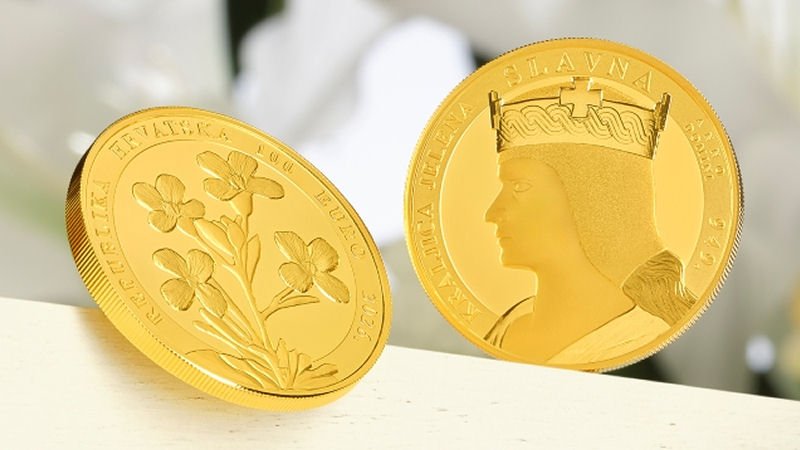
New numismatic issue in honor of Croatian Queen Jelena

The Croatian National Bank, in cooperation with the Croatian Mint, presents a new commemorative numismatic issue entitled „Queen Jelena the Glorious“, continuing the „Rulers“ series. This issue is dedicated to one of the most important women of the early Croatian Middle Ages, whose name has been preserved in rare, but extremely significant historical

New numismatic issue in honor of Croatian Queen Jelena Read more »

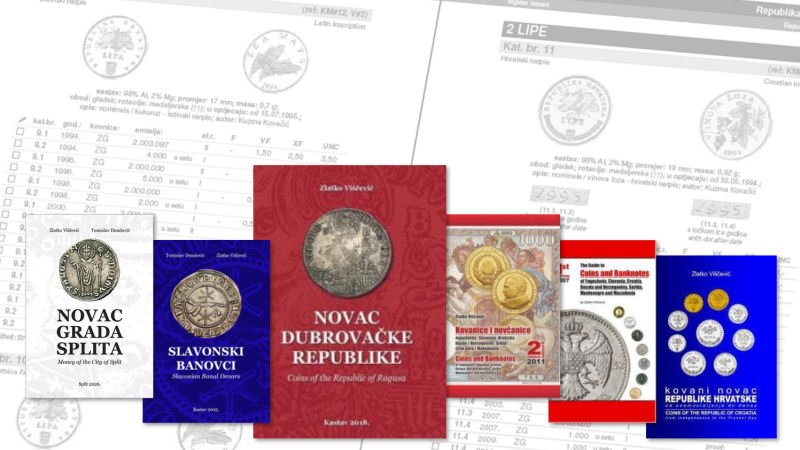
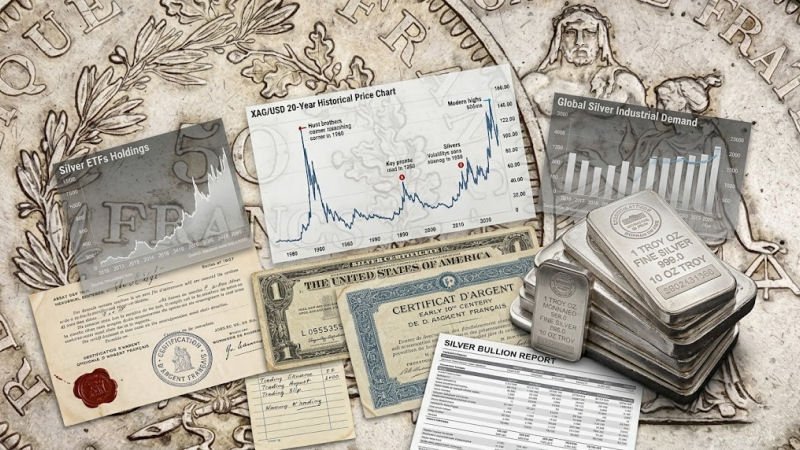
Prices in numismatic catalogs – between benchmarks, manipulation, and the actual market state

Numismatic catalogs have for decades represented one of the fundamental tools of numismatic collectors, dealers, and auctioneers. In addition to providing a systematic overview of issues, types, varieties, and technical characteristics of coins or banknotes, almost every catalog also contains estimated market values, i.e., „catalog prices.“ It is precisely these prices that often cause the most

Prices in numismatic catalogs – between benchmarks, manipulation, and the actual market state Read more »

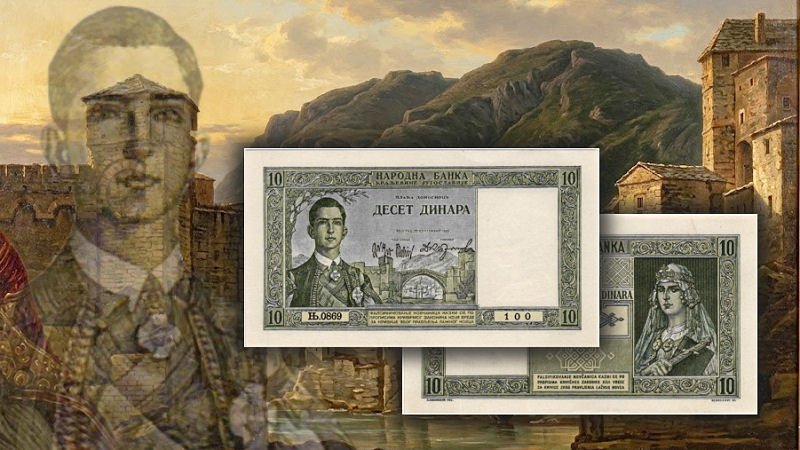
10 dinars banknote of the Kingdom of Yugoslavia dated September 22, 1939.

The 10-dinar banknote dated September 22, 1939, issued by the National Bank of the Kingdom of Yugoslavia, belongs to the group of the most interesting and intriguing issues of Yugoslav (pre)war currency. Although it was formally prepared for regular circulation, its actual destiny is inextricably linked to the dramatic events of April 1941, which gives it a special place

10 dinars banknote of the Kingdom of Yugoslavia dated September 22, 1939. Read more »

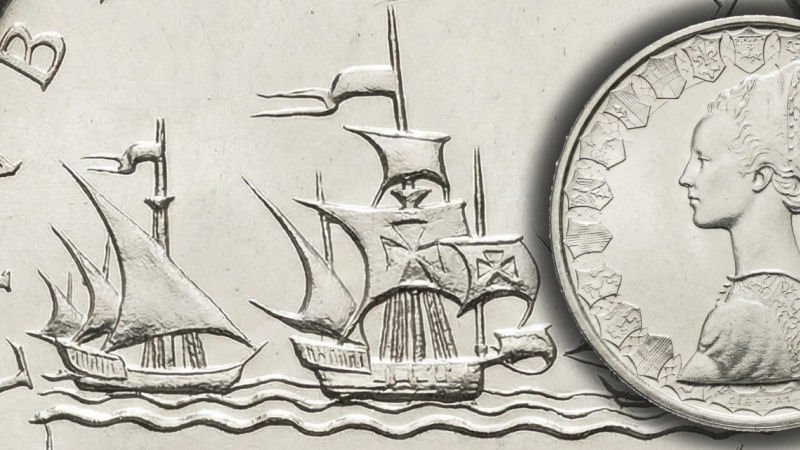
500 lira „Caravela“ and its controversial little flags

The 500 lira silver coin, issued in the late 1950s, represents one of the most famous and intriguing issues of modern Italian numismatics. It was created during a period of favorable economic conditions when Italy, following wartime destruction and post-war reconstruction, was gradually returning to stability and prosperity. At the same time, there was a need to harmonize

500 lira „Caravela“ and its controversial little flags Read more »

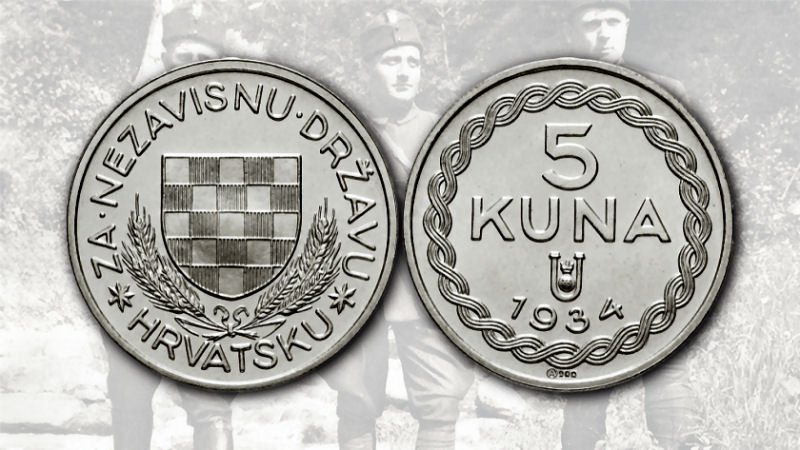
On the planned introduction of the kuna as the official currency in the Ustaše emigration in 1934

The 5-kuna silver coin minted in 1934 has been written about on several occasions, and a number of sometimes contradictory conclusions have been reached regarding it. Original documents from Belgrade, available in the form of microfilms in the Croatian State Archives, shed light on many details about the activities of the Ustasha movement in Italy, to which

On the planned introduction of the kuna as the official currency in the Ustaše emigration in 1934 Read more »

Price? Price? Price?

Over the past few years, a phenomenon has become extremely noticeable in the numismatic community which, although not essentially new, has taken on its most stripped-down and primitive form in the digital space. It is about the obsessive reduction of numismatic items solely to their market value, with every post, every

Price? Price? Price? Read more »

Scroll to Top